
As you navigate the later stages of life, you may find that stress can arise from various sources. One significant cause of stress for seniors is the transition that comes with aging. This transition often includes retirement, which can lead to a loss of identity and purpose.
You might feel a sense of disconnection from your previous work life, leading to feelings of inadequacy or anxiety about the future. Additionally, the physical changes that accompany aging can also contribute to stress. Chronic health issues, mobility limitations, and the fear of losing independence can weigh heavily on your mind.
Another common source of stress is the loss of loved ones. As you age, you may experience the passing of friends, family members, or even pets, which can create a profound sense of grief and loneliness. This emotional burden can be compounded by feelings of isolation, especially if you live alone or have limited social interactions.
Furthermore, financial concerns can also be a significant source of stress. You may worry about your savings, healthcare costs, or the ability to maintain your lifestyle on a fixed income. Understanding these causes is crucial in addressing and managing stress effectively.
Key Takeaways
- Seniors can experience stress due to various factors such as health issues, financial concerns, and social isolation.
- Signs of senior stress may include changes in mood, sleep disturbances, and physical symptoms like headaches or stomach issues.
- Chronic stress can negatively impact senior health, leading to conditions such as high blood pressure, heart disease, and weakened immune system.
- Effective coping strategies for managing senior stress include mindfulness, relaxation techniques, and engaging in hobbies and activities.
- Social support plays a crucial role in managing senior stress, as it provides emotional comfort and a sense of belonging.
Identifying the Signs and Symptoms of Senior Stress
Recognizing the signs and symptoms of stress is essential for you to take proactive steps toward managing it. Stress can manifest in various ways, both physically and emotionally. You might notice changes in your sleep patterns, such as insomnia or excessive sleeping.
These alterations can lead to fatigue and decreased energy levels, making it challenging to engage in daily activities. Additionally, you may experience physical symptoms like headaches, stomach issues, or increased heart rate, which can further exacerbate feelings of anxiety. Emotionally, you might find yourself feeling overwhelmed, irritable, or easily frustrated.
You may also experience feelings of sadness or hopelessness that seem to linger longer than usual. Social withdrawal is another common symptom; you might find yourself avoiding social gatherings or isolating yourself from friends and family. By being aware of these signs, you can better understand your emotional state and take steps to address the underlying causes of your stress.
The Impact of Stress on Senior Health and Well-being
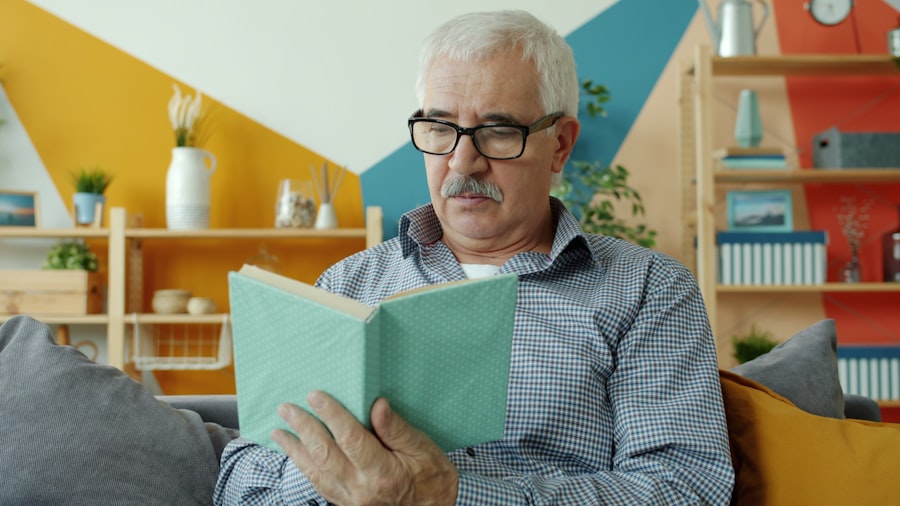
The effects of stress on your health and well-being can be profound and far-reaching. Chronic stress can lead to a variety of health issues, including cardiovascular problems, weakened immune function, and digestive disorders. You may find that stress exacerbates existing health conditions or contributes to new ones, making it essential to manage stress effectively.
Moreover, stress can impact your cognitive function. You might notice difficulties with memory, concentration, or decision-making when under significant stress.
This cognitive decline can further contribute to feelings of frustration and helplessness, creating a vicious cycle that is hard to break. Understanding the impact of stress on your health is crucial for motivating you to seek out effective coping strategies and support systems.
Effective Coping Strategies for Managing Senior Stress
| Effective Coping Strategies for Managing Senior Stress |
|---|
| Regular physical activity |
| Healthy eating habits |
| Engaging in social activities |
| Practicing relaxation techniques |
| Seeking professional help or counseling |
| Participating in hobbies or leisure activities |
To manage stress effectively, it’s important to explore various coping strategies that resonate with you. One effective approach is mindfulness meditation. By practicing mindfulness, you can learn to focus on the present moment and cultivate a sense of calm amidst the chaos.
This practice can help you develop greater awareness of your thoughts and feelings, allowing you to respond to stressors more effectively rather than reacting impulsively. Another strategy is engaging in creative outlets such as painting, writing, or gardening. These activities not only provide a distraction from stress but also allow for self-expression and personal fulfillment.
You might find that immersing yourself in a creative project helps you process emotions and reduces feelings of anxiety.
The Importance of Social Support for Seniors in Stress Management
Social support plays a vital role in managing stress as you age. Having a network of friends and family members who understand your experiences can provide comfort and reassurance during challenging times. You may find that simply talking about your feelings with someone you trust can alleviate some of the burdens you carry.
Sharing your thoughts and experiences with others not only fosters connection but also helps you gain perspective on your situation. Participating in community groups or clubs can also enhance your social support system. Engaging with others who share similar interests can create a sense of belonging and reduce feelings of isolation.
Whether it’s joining a book club, attending exercise classes, or volunteering in your community, these activities can help you build meaningful relationships that contribute positively to your mental health.
Incorporating Relaxation Techniques into a Senior’s Daily Routine

Incorporating relaxation techniques into your daily routine can significantly reduce stress levels and promote overall well-being. One effective method is deep breathing exercises. Taking a few moments each day to focus on your breath can help calm your mind and body.
You might find it helpful to set aside time in the morning or before bed to practice deep breathing; simply inhaling deeply through your nose and exhaling slowly through your mouth can create a sense of tranquility. Progressive muscle relaxation is another technique worth exploring. This method involves tensing and then relaxing different muscle groups throughout your body, helping you release physical tension associated with stress.
You could dedicate a few minutes each day to this practice while sitting comfortably in a quiet space. By incorporating these relaxation techniques into your routine, you’ll likely notice an improvement in your ability to cope with daily stressors.
The Role of Physical Activity in Reducing Senior Stress
Physical activity is an essential component of stress management for seniors. Engaging in regular exercise not only improves physical health but also has profound effects on mental well-being. When you exercise, your body releases endorphins—natural chemicals that promote feelings of happiness and reduce pain perception.
You might find that even a short walk around your neighborhood or gentle stretching exercises at home can elevate your mood and alleviate stress. Moreover, participating in group exercise classes or activities can provide both physical benefits and social interaction. Whether it’s yoga, tai chi, or water aerobics, these activities allow you to connect with others while improving your fitness levels.
Finding an exercise routine that you enjoy will make it easier for you to stay consistent and reap the benefits over time.
Nutrition and Its Impact on Senior Stress Levels
Your diet plays a crucial role in managing stress levels as well. Consuming a balanced diet rich in fruits, vegetables, whole grains, lean proteins, and healthy fats can positively impact your mood and energy levels. Certain foods are known to have stress-reducing properties; for example, omega-3 fatty acids found in fish have been linked to improved mental health outcomes.
Incorporating these foods into your meals may help mitigate some effects of stress. Additionally, staying hydrated is essential for maintaining optimal brain function and emotional well-being. Dehydration can lead to fatigue and irritability, which may exacerbate feelings of stress.
Make it a habit to drink plenty of water throughout the day and consider limiting caffeine and sugar intake, as these substances can contribute to anxiety and mood swings.
Seeking Professional Help for Senior Stress Management
If you find that stress becomes overwhelming or persistent despite your efforts to manage it independently, seeking professional help may be necessary. Mental health professionals such as therapists or counselors specialize in helping individuals navigate their emotional challenges. They can provide valuable tools and strategies tailored specifically to your needs.
Therapy offers a safe space for you to express your feelings without judgment while gaining insights into coping mechanisms that work best for you. Cognitive-behavioral therapy (CBT), for instance, focuses on identifying negative thought patterns and replacing them with healthier perspectives—an approach that has proven effective for many seniors dealing with stress.
Creating a Stress-Free Environment for Seniors at Home
Your home environment significantly influences your overall well-being and stress levels. Creating a calming space can help promote relaxation and reduce anxiety. Consider decluttering areas where you spend most of your time; a tidy environment often leads to a clearer mind.
You might also want to incorporate elements that bring you joy—such as plants, artwork, or photographs—into your living space. Additionally, establishing routines within your home can create a sense of stability amidst life’s uncertainties. Whether it’s setting specific times for meals or designating quiet hours for relaxation, having structure in your daily life can help alleviate feelings of chaos and promote peace.
The Benefits of Engaging in Hobbies and Activities for Senior Stress Relief
Engaging in hobbies and activities that bring you joy is one of the most effective ways to combat stress as a senior. Whether it’s painting, knitting, gardening, or playing an instrument, immersing yourself in creative pursuits allows for self-expression while providing an escape from daily worries. These activities not only serve as distractions but also foster a sense of accomplishment and fulfillment.
Moreover, pursuing hobbies often leads to opportunities for social interaction—whether through classes or community groups—further enhancing your support network while reducing feelings of isolation. By dedicating time each week to activities that ignite passion within you, you’ll likely find an increase in overall happiness and a decrease in stress levels. In conclusion, understanding the causes and effects of senior stress is crucial for maintaining mental health as you age.
By identifying symptoms early on and implementing effective coping strategies—such as seeking social support or engaging in hobbies—you can create a fulfilling life despite the challenges that come with aging. Remember that prioritizing self-care through relaxation techniques, physical activity, proper nutrition, and professional help when needed will empower you to manage stress effectively while enhancing your overall quality of life.
Managing stress is crucial for seniors to maintain their overall well-being and quality of life. As individuals age, they may face unique stressors such as health challenges, loss of loved ones, or changes in living situations. It’s important for seniors to adopt effective stress management techniques to navigate these challenges. An insightful article on this topic can be found on Explore Senior Health, which offers valuable tips and strategies tailored specifically for seniors. For more information, you can read the full article by visiting Explore Senior Health. This resource provides practical advice on how seniors can incorporate relaxation techniques, physical activity, and social engagement into their daily routines to help alleviate stress and promote a healthier lifestyle.
WATCH THIS! 🛑 The 5 “Healthy” Habits Quietly Destroying Your Independence After 60
FAQs
What is stress management for seniors?
Stress management for seniors refers to the techniques and strategies that older adults can use to cope with and reduce the stress they may experience in their daily lives. This can include physical, mental, and emotional stress.
Why is stress management important for seniors?
Stress management is important for seniors because chronic stress can have negative effects on their physical and mental health. It can exacerbate existing health conditions, weaken the immune system, and contribute to cognitive decline.
What are some common stressors for seniors?
Common stressors for seniors can include health issues, financial concerns, loss of independence, loneliness, and changes in living arrangements. Additionally, the aging process itself can be a source of stress.
What are some effective stress management techniques for seniors?
Effective stress management techniques for seniors can include regular exercise, relaxation techniques such as deep breathing and meditation, maintaining social connections, seeking support from friends and family, and engaging in enjoyable activities.
How can seniors access stress management resources?
Seniors can access stress management resources through community centers, senior centers, healthcare providers, and online resources. Many organizations offer programs and support specifically tailored to seniors’ stress management needs.