
Navigating the daily routine of personal hygiene can present unique challenges as you mature. The bathroom, often considered a sanctuary, can transform into a minefield of potential hazards, especially regarding the shower. Your balance might not be what it once was, your grip may have weakened, and your reaction time could be slower. Understanding these changes is the first step in ensuring your safety and maintaining your independence. This article will guide you through practical, evidence-based strategies to mitigate risks and transform your shower experience into one of security and comfort.
Before you even step into the shower, a thorough evaluation of your bathroom is paramount. Think of it as a pre-flight checklist for your daily cleansing ritual. What potential dangers lurk unseen? To learn effective strategies for fall prevention, watch this informative video.
Identifying Slip and Fall Hazards
Water and smooth surfaces are a treacherous combination. Your bathroom floor, the shower base, and even the bath mat can become treacherous ice rinks if not properly addressed.
- Porous and Non-Slip Flooring: Consider replacing slick ceramic tiles with options that offer better traction. Materials like vinyl, linoleum, or textured ceramic with a matte finish can significantly reduce the risk of slipping. You might also explore applying anti-slip treatments to existing tiles, which create a microscopic texture on the surface without altering its appearance.
- Secure Bath Mats: A bath mat can be your friend or your foe. A flimsy, unsecured mat is a trip hazard in disguise, slipping away like a rogue wave. Opt for sturdy, rubber-backed bath mats positioned strategically outside the shower and, if space allows, extending to areas where you dry yourself. These mats should be regularly cleaned to prevent mold and mildew, which can also reduce their grip.
- Water Management Systems: Effective ventilation is crucial. A powerful exhaust fan will reduce humidity, preventing condensation build-up on surfaces. Additionally, ensure your shower curtain or door effectively contains water within the shower area, preventing puddles from forming on the bathroom floor.
Optimizing Lighting for Clarity
Poor lighting can cast shadows, distort perspective, and conceal obstacles, turning your bathroom into a labyrinth. Your eyes, like a camera lens, may require more light to process visual information as you age.
- Bright and Even Illumination: Install overhead lighting that provides ample, uniform illumination throughout the bathroom. Avoid harsh, focused spotlights that can create stark contrasts and glare.
- Night Lights with Motion Sensors: For nighttime trips to the bathroom, strategically placed night lights with motion sensors can be invaluable. These subtle beacons guide your way without the need to fumble for light switches, reducing the risk of falls in the dark.
- Glare Reduction: Matte finishes on walls and fixtures can minimize glare, which can be disorienting and uncomfortable for sensitive eyes.
Ensuring shower safety for elderly adults is crucial to prevent falls and injuries in the bathroom. For more comprehensive tips and guidelines on this important topic, you can refer to a related article that discusses various safety measures and products designed specifically for seniors. To learn more, visit this informative resource.
Equipping Your Shower for Enhanced Safety
Once your bathroom environment is optimized, turn your attention to the shower itself. This is where your direct interaction with water and soap occurs, and where the most significant safety enhancements can be made.
Installing Grab Bars: Your Anchors in the Storm
Grab bars are not a sign of weakness; they are a declaration of independence. They are your steadfast allies, providing leverage and stability when you need it most. Imagine them as the sturdy handrail on a staircase – always there to prevent a tumble.
- Strategic Placement: The optimal placement of grab bars is paramount. Install them vertically just inside the shower entrance, allowing you to steady yourself as you step in and out. Horizontal grab bars on the back wall of the shower provide support while standing or sitting. Consider a diagonal grab bar for transitioning from a sitting to a standing position.
- Professional Installation: Do not attempt to install grab bars yourself unless you are experienced and confident in your DIY skills. They must be securely fastened to wall studs or reinforced with appropriate blocking to withstand significant weight. Improper installation can lead to catastrophic failure, resulting in a fall.
- Material and Finish: Opt for grab bars made from durable, corrosion-resistant materials like stainless steel or coated aluminum. Textured finishes or those with a non-slip grip can further enhance their utility when your hands are wet and soapy.
Utilizing Shower Chairs and Benches: A Rest Stop for Your Body
Standing for the duration of a shower can be exhausting and increase the risk of fatigue-induced falls. A shower chair or bench offers a welcome respite, allowing you to conserve energy and maintain stability. Think of it as your personal oasis within the shower, where you can relax and truly clean yourself without the constant worry of losing your footing.
- Adjustable Height Chairs: Look for shower chairs with adjustable legs, allowing you to customize the height to your comfort and mobility needs. Some chairs come with backrests and armrests, providing additional support and security.
- Wall-Mounted Foldable Benches: If space is a concern, a wall-mounted foldable bench can be an excellent solution. These tuck away neatly when not in use, preserving valuable shower real estate. Again, professional installation is crucial to ensure they can bear your weight.
- Non-Slip Feet: Regardless of the type you choose, ensure the chair or bench has non-slip rubber feet to prevent it from sliding on the wet shower floor.
Upgrading to Handheld Showerheads: The Art of Precision Cleaning
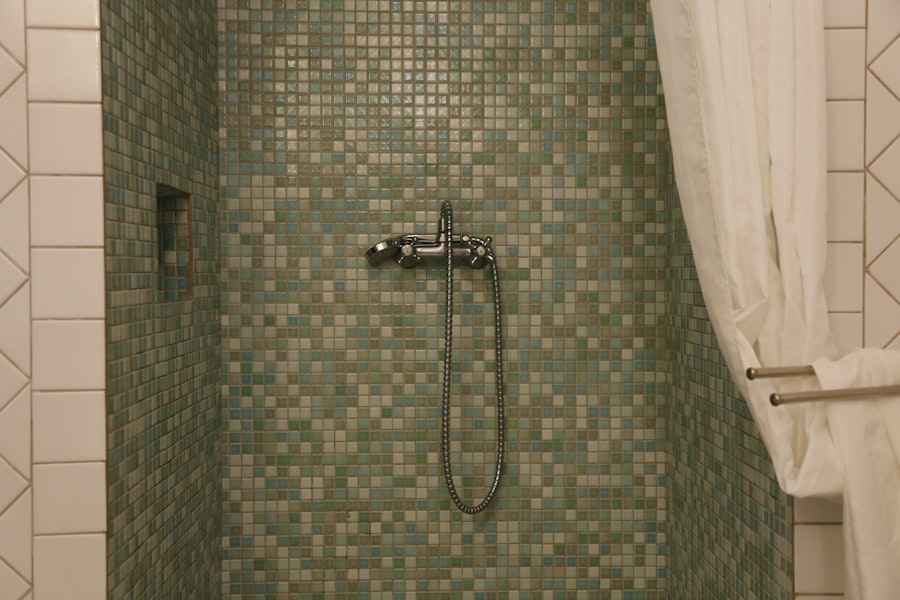
A fixed showerhead can force you to contort your body and stretch to reach all areas, increasing your vulnerability. A handheld showerhead, on the other hand, puts the spray exactly where you need it, minimizing unnecessary movement and maximizing control. It’s like having a flexible wand for cleaning, rather than a stationary fountain.
- Adjustable Spray Settings: Many handheld showerheads offer various spray patterns, from a gentle mist to a pulsating massage, allowing you to customize your showering experience.
- Long Hoses for Maximum Reach: Ensure the hose is long enough to comfortably reach all parts of your body while seated or standing.
- Easy-to-Grip Handles: Look for handheld showerheads with ergonomically designed handles that are easy to grip, even with soapy hands.
Practicing Safe Showering Habits: Your Personal Protocol
Beyond the physical modifications, your personal habits and routines play a significant role in your shower safety. These are your internal safeguards, an extra layer of protection you apply each time you step into the shower.
Temperature Control: Avoiding a Shock to the System
Sudden changes in water temperature can be startling and, in extreme cases, lead to dizziness or fainting. Your skin sensitivity might also have changed, making you more susceptible to burns.
- Anti-Scald Devices: Consider installing anti-scald devices on your shower faucet. These inexpensive units automatically regulate water temperature, preventing sudden bursts of excessively hot water.
- Testing Water Temperature: Before stepping in, always test the water temperature with your hand or arm. Gradually adjust it to a comfortable level, avoiding extremes.
- Thermostatic Mixer Valves: For ultimate control, a thermostatic mixer valve maintains a consistent water temperature, even if someone flushes a toilet or uses a faucet elsewhere in the house. This eliminates the “cold shock” or “hot blast” phenomenon.
Utilizing Non-Slip Mats and Strips Inside the Shower
Even with an upgraded shower floor, an additional layer of traction can be invaluable. Think of these as miniature speed bumps for your feet, providing extra resistance against slippage.
- Textured Mats with Suction Cups: Place a non-slip mat with strong suction cups firmly on the shower floor or in the bathtub. Ensure it covers a substantial area where you stand or sit. Regularly clean these mats to prevent the buildup of soap scum and mildew, which can compromise their grip.
- Adhesive Non-Slip Strips or Decals: Alternatively, you can apply adhesive non-slip strips or decorative decals directly to the shower surface. These offer a more permanent solution and are less prone to shifting.
Keeping Supplies Within Reach: A Well-Organized Workspace
Reaching for distant items while wet and unbalanced is a common cause of falls. Imagine fumbling for soap on a slick surface – a recipe for disaster.
- Shower Caddies and Organizers: Install a secure shower caddy or organizer within easy reach of your shower chair or standing position. This allows you to keep soap, shampoo, conditioner, and scrubbers readily accessible.
- Wall-Mounted Dispensers: Consider installing wall-mounted dispensers for liquid soap and shampoo. These eliminate the need to handle slippery bottles and reduce clutter.
- Proximity of Towels: Ensure a dry, clean towel is within arm’s reach of the shower, preventing the need to walk across a wet floor to retrieve it.
Establishing a Post-Shower Safety Routine: The Cool-Down Phase

Your safety concerns don’t vanish the moment you turn off the water. The transition from a warm, wet environment to a cooler, potentially drier one can still pose risks.
Drying Off Safely: Mindful Movement
The act of drying off can be surprisingly precarious. Your skin is wet, potentially making clothing stick, and your balance might be less robust after the shower’s warmth.
- Seated Drying: If you use a shower chair, consider remaining seated while drying your lower body. This minimizes the need to bend and twist, reducing the risk of losing your balance.
- Gradual Movements: Stand up slowly and deliberately after drying. Avoid sudden, jerky movements.
- Absorbent Towels: Use large, absorbent towels that can quickly wick away moisture, reducing the time you spend wet and potentially slippery.
Ensuring a Dry Path Out of the Bathroom
The journey from the shower to your dressing area should be as dry and clear as possible.
- Absorbent Bath Mats: As mentioned earlier, robust and securely placed bath mats outside the shower are critical. These act as a first line of defense against puddles.
- Wipe Up Spills Immediately: If any water escapes the shower, immediately wipe it up. Don’t leave it as a silent ambush for your next step.
- Clear Pathways: Ensure the path from the bathroom to your bedroom or dressing area is free of clutter, throw rugs, or any other potential tripping hazards.
Dressing in Well-Fitting Attire
Loose or ill-fitting clothing can become a tripping hazard, particularly when you are still slightly damp. Your choice of post-shower attire is an often-overlooked aspect of safety.
- Non-Slip Footwear: Consider wearing non-slip slippers or shoes immediately after showering, especially if your floors are not carpeted. This provides an extra layer of traction.
- Comfortable and Secure Clothing: Choose clothes that are easy to put on and take off, and that fit well, without excessive fabric that could snag or cause a trip.
By diligently applying these strategies, you can transform your shower from a potential hazard zone into a safe, independent, and even pleasurable experience. Each modification and habit you adopt serves as a brick in your wall of personal safety, fortifying your confidence and allowing you to maintain your cherished independence for years to come. Your well-being is not just a desirable outcome; it is an achievable goal.
WATCH THIS 🛑 WARNING: One Fall Could Cost You $18,000 This Month
FAQs
Why is shower safety important for elderly adults?
Shower safety is crucial for elderly adults because they are at a higher risk of slips, falls, and injuries due to factors like reduced balance, muscle weakness, and slower reflexes. Ensuring a safe shower environment helps prevent accidents and promotes independence.
What are common hazards in the shower for elderly adults?
Common hazards include slippery floors, lack of grab bars, high shower thresholds, inadequate lighting, and unstable shower seats. These factors can increase the risk of falls and injuries.
How can grab bars improve shower safety?
Grab bars provide stable support for elderly adults when entering, exiting, and moving within the shower. They help maintain balance and reduce the risk of slipping or falling.
What type of flooring is safest for elderly adults in the shower?
Non-slip or textured flooring materials are safest as they provide better traction and reduce the likelihood of slipping when the floor is wet.
Is a shower seat recommended for elderly adults?
Yes, a shower seat or bench allows elderly adults to sit while bathing, reducing fatigue and the risk of falling. It is especially helpful for those with limited mobility or balance issues.
How can lighting affect shower safety for elderly adults?
Proper lighting ensures that elderly adults can see clearly inside the shower area, reducing the risk of missteps or accidents. Bright, glare-free lighting is ideal.
Are handheld showerheads beneficial for elderly adults?
Handheld showerheads are beneficial because they allow for easier control of water direction and flow, making showering more comfortable and safer for those with limited mobility.
What precautions should be taken to prevent burns in the shower?
Setting the water heater to a safe temperature (typically below 120°F or 49°C) and using anti-scald devices can help prevent burns from hot water.
Should elderly adults shower alone or with assistance?
This depends on the individual’s mobility and health status. Some elderly adults can shower safely alone with proper modifications, while others may require assistance to prevent accidents.
How often should shower safety equipment be checked?
Shower safety equipment like grab bars, seats, and non-slip mats should be regularly inspected for stability and wear to ensure they remain safe and effective.