
Fish broth is a traditional culinary preparation that has been used across many cultures for centuries. It is made by simmering fish bones, heads, and other parts in water, typically with vegetables and herbs added for flavor. Fish broth serves multiple purposes in cooking: it functions as a base for soups and sauces, and can also be consumed as a standalone dish.
Fish broth offers several practical advantages. It is relatively simple to prepare and can be used in various dishes, from soups to sauces, where it contributes a savory umami flavor.
The preparation is also economical and sustainable. From a nutritional perspective, fish broth contains beneficial compounds extracted from fish bones and tissues during the simmering process. These include collagen, minerals, and amino acids that may provide health benefits, particularly for older adults who may benefit from increased nutrient intake and bone health support.
You can find a delicious recipe for fish broth that is both flavorful and easy to prepare.
Key Takeaways
- Fish broth offers numerous health benefits specifically beneficial for seniors, including improved joint health and digestion.
- Selecting the right fish, such as those rich in omega-3 fatty acids, is crucial for maximizing nutritional value.
- Preparing fresh ingredients and following step-by-step instructions ensures a flavorful and nutritious broth.
- Enhancing the broth with herbs and spices can improve taste and provide additional health benefits.
- Fish broth serves as a comforting, easy-to-digest meal option that can be varied with different additions to suit seniors’ preferences.
Health Benefits of Fish Broth for Seniors
For seniors, maintaining a balanced diet is crucial for overall health and well-being. Fish broth is particularly beneficial due to its rich nutrient profile. It is packed with essential vitamins and minerals, including omega-3 fatty acids, which are known for their anti-inflammatory properties.
These fatty acids can help reduce the risk of chronic diseases such as heart disease and arthritis, making fish broth an excellent addition to your diet. Moreover, fish broth is easy to digest, which is especially important as you age. Your digestive system may not function as efficiently as it once did, and consuming lighter, nutrient-dense foods can help alleviate discomfort.
The gelatin extracted from fish bones during the simmering process can also support gut health by promoting the growth of beneficial bacteria. This can lead to improved digestion and overall health, making fish broth a wise choice for seniors seeking to enhance their dietary habits.
Choosing the Right Fish for Broth
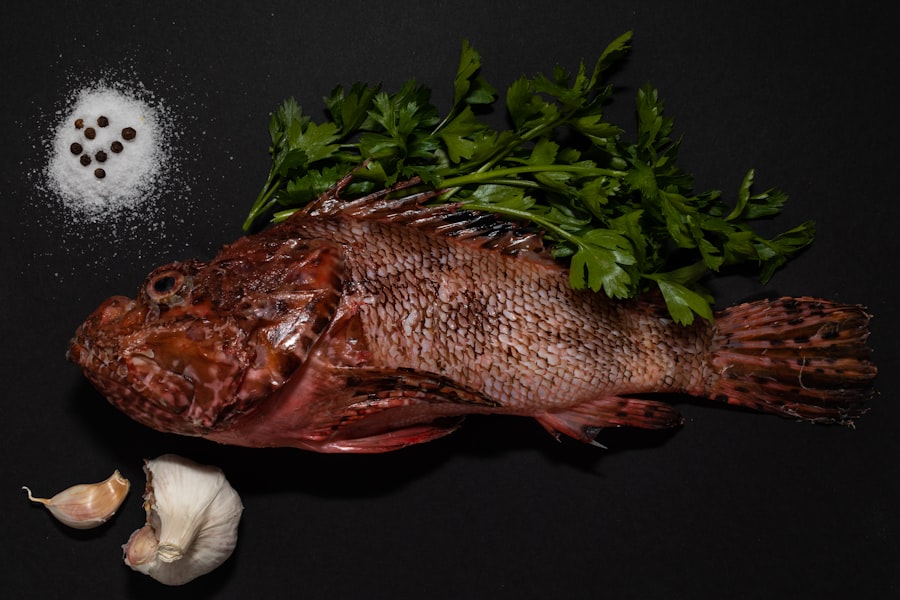
When it comes to making fish broth, the type of fish you choose plays a significant role in the flavor and nutritional content of the final product. You should opt for fish that are rich in bones and have a high-fat content, as these will yield a more flavorful and nutrient-dense broth. Fatty fish such as salmon, mackerel, and sardines are excellent choices due to their rich omega-3 fatty acids and robust flavors.
In addition to fatty fish, you may also consider using white fish like cod or halibut for a lighter broth. These varieties provide a delicate flavor that can be enhanced with herbs and spices. When selecting your fish, it’s essential to prioritize freshness and sustainability.
Look for wild-caught options whenever possible, as they tend to have better flavor profiles and are more environmentally friendly than farmed varieties. By choosing the right fish, you can ensure that your broth is both delicious and nutritious.
Preparing the Fish Broth Ingredients
Preparing the ingredients for your fish broth is a straightforward process that sets the stage for a delicious outcome. Start by gathering your fish bones or heads, which can often be sourced from your local fishmonger or grocery store. If you’re using whole fish, be sure to clean them thoroughly and remove any entrails.
This step is crucial for ensuring that your broth remains clear and free from any unpleasant flavors. In addition to the fish, you will want to gather aromatic vegetables such as onions, carrots, and celery. These ingredients will add depth and complexity to your broth.
You might also consider adding garlic, leeks, or ginger for an extra layer of flavor. Fresh herbs like parsley, dill, or thyme can enhance the taste even further. As you prepare your ingredients, take care to chop them into uniform pieces to ensure even cooking.
This attention to detail will pay off in the final product.
Step-by-Step Instructions for Making Fish Broth
| Metric | Value | Notes |
|---|---|---|
| Preparation Time | 10 minutes | Includes chopping and gathering ingredients |
| Cooking Time | 30 minutes | Simmering broth for flavor extraction |
| Total Time | 40 minutes | Preparation + Cooking |
| Servings | 4 | Suitable for 4 seniors |
| Calories per Serving | 120 kcal | Low calorie, easy to digest |
| Protein per Serving | 15 g | Good source of lean protein |
| Sodium Content | 300 mg | Moderate, adjustable to taste |
| Key Ingredients | Fish bones, water, ginger, garlic, green onions | Simple and nutritious |
| Ease of Preparation | Easy | Minimal steps, suitable for seniors |
| Health Benefits | Rich in collagen and minerals | Supports joint and bone health |
Making fish broth is a simple yet rewarding process that can be accomplished in just a few steps. Begin by placing your cleaned fish bones or heads in a large pot. Add your prepared vegetables and herbs, then cover everything with cold water.
The amount of water you use will depend on how concentrated you want your broth to be; generally, about 4-6 cups should suffice. Once your ingredients are in the pot, bring the mixture to a gentle boil over medium heat. As it heats up, skim off any foam or impurities that rise to the surface.
This step is essential for achieving a clear broth. After skimming, reduce the heat to low and let the broth simmer for at least 30-45 minutes. The longer you simmer, the more flavor and nutrients will be extracted from the ingredients.
Once done, strain the broth through a fine-mesh sieve or cheesecloth to remove solids, leaving you with a beautiful liquid ready for use.
Tips for Enhancing the Flavor of Fish Broth

To elevate the flavor of your fish broth even further, consider incorporating additional ingredients or techniques during the cooking process. One effective method is to roast your fish bones and vegetables before adding them to the pot. This step caramelizes the natural sugars in the ingredients, resulting in a deeper flavor profile that enhances the overall taste of your broth.
You might also experiment with adding acidity to your broth by including a splash of vinegar or lemon juice during cooking. This acidity helps extract minerals from the bones while brightening the flavors of the broth. Additionally, consider seasoning your broth with salt gradually throughout the cooking process rather than all at once; this allows you to control the final taste more effectively.
By employing these tips, you can create a rich and flavorful fish broth that will impress anyone who tastes it.
Serving and Storing Fish Broth
Once your fish broth is complete, it’s time to think about how you want to serve it or store it for later use. Fish broth can be enjoyed on its own as a warm beverage or used as a base for soups and stews. You might choose to garnish it with fresh herbs or a squeeze of lemon juice for added brightness before serving.
Pairing it with crusty bread or crackers can create a satisfying meal that warms both body and soul. If you have leftover broth, storing it properly is essential for maintaining its quality. Allow the broth to cool completely before transferring it to airtight containers or freezer bags.
You can store it in the refrigerator for up to five days or freeze it for several months. When freezing, consider portioning it into smaller containers so that you can easily thaw only what you need at any given time. This way, you’ll always have homemade fish broth on hand whenever inspiration strikes.
Nutritional Value of Fish Broth
The nutritional value of fish broth is one of its most appealing aspects, particularly for seniors looking to enhance their diets with wholesome ingredients. Rich in protein and low in calories, fish broth provides essential amino acids that support muscle health and overall vitality. The collagen extracted from fish bones during cooking contributes to joint health and skin elasticity—two factors that become increasingly important as we age.
In addition to protein and collagen, fish broth is an excellent source of minerals such as calcium, magnesium, and phosphorus. These nutrients play vital roles in maintaining bone health and preventing osteoporosis—a common concern among seniors. Furthermore, the omega-3 fatty acids found in fatty fish contribute to heart health by reducing inflammation and supporting cognitive function.
By incorporating fish broth into your diet regularly, you can reap these nutritional benefits while enjoying its comforting flavors.
Fish Broth as a Comfort Food for Seniors
For many seniors, food serves not only as sustenance but also as a source of comfort and nostalgia. Fish broth embodies this sentiment perfectly; its warm aroma and soothing texture evoke feelings of home and care. Whether it reminds you of family gatherings or cherished recipes passed down through generations, enjoying a bowl of homemade fish broth can provide emotional nourishment alongside physical benefits.
Moreover, the simplicity of fish broth makes it an accessible option for seniors who may have limited cooking abilities or energy levels. It requires minimal effort while delivering maximum flavor and nutrition—an ideal combination for those seeking comfort without complexity.
Variations and Additions to Fish Broth
While traditional fish broth is delicious on its own, there are countless variations and additions you can explore to keep things exciting in your kitchen. For instance, consider adding Asian-inspired ingredients such as miso paste or soy sauce for an umami boost that complements the natural flavors of the fish. You might also experiment with spices like star anise or chili flakes to introduce warmth and depth.
If you’re looking for added nutrition or texture, feel free to toss in some seaweed like kombu or wakame during cooking; these ingredients are rich in vitamins and minerals while enhancing the overall flavor profile of your broth. Additionally, incorporating vegetables like mushrooms or bok choy can create a heartier dish that satisfies both hunger and taste buds alike. The possibilities are endless when it comes to customizing your fish broth!
Conclusion and Final Thoughts on Fish Broth for Seniors
In conclusion, fish broth is more than just a culinary delight; it is a nourishing elixir that offers numerous health benefits tailored specifically for seniors. From its rich nutrient profile to its comforting qualities, incorporating fish broth into your diet can enhance both physical well-being and emotional satisfaction. As you explore different recipes and variations, you’ll find that this versatile dish can easily become a staple in your kitchen.
As you embark on this journey of making and enjoying fish broth, remember that each bowl represents not only nourishment but also creativity and tradition. Whether you’re savoring it alone or sharing it with loved ones, let each sip remind you of the importance of wholesome food in fostering health and happiness during your golden years. Embrace the warmth of homemade fish broth—it’s not just food; it’s comfort in a bowl.
For seniors looking to enhance their culinary skills while maintaining a healthy diet, an easy fish broth recipe can be a delightful addition to their meal planning. This simple yet nutritious dish not only provides essential nutrients but is also easy to prepare. For more tips on healthy eating and recipes tailored for seniors, you can check out this related article on senior health at Explore Senior Health.
WATCH THIS! 💪 Say Goodbye to Weakness: Fish Skin Broth Fights Sarcopenia Better Than Bone Broth!
FAQs
What ingredients are typically used in an easy fish broth recipe for seniors?
Common ingredients include fish bones or heads, water, vegetables like onions, carrots, and celery, herbs such as parsley or bay leaves, and seasonings like salt and pepper. These ingredients create a nutritious and flavorful broth suitable for seniors.
Why is fish broth beneficial for seniors?
Fish broth is rich in minerals, collagen, and omega-3 fatty acids, which support joint health, improve digestion, and promote heart and brain health. It is also easy to digest, making it ideal for seniors with sensitive stomachs.
How long does it take to prepare fish broth?
Typically, fish broth takes about 30 to 45 minutes to prepare. The fish bones and vegetables are simmered gently to extract flavors and nutrients without overcooking.
Can fish broth be stored for later use?
Yes, fish broth can be stored in the refrigerator for up to 3 days or frozen for up to 3 months. It should be cooled quickly and stored in airtight containers to maintain freshness.
Is fish broth suitable for seniors with dietary restrictions?
Fish broth is generally low in calories and fat, making it suitable for many dietary needs. However, seniors with allergies to fish or specific dietary restrictions should consult a healthcare provider before consuming it.
How can fish broth be incorporated into a senior’s diet?
Fish broth can be consumed on its own as a warm, nourishing drink or used as a base for soups, stews, and sauces. It adds flavor and nutrients to meals without adding heavy fats or complex ingredients.
Are there any precautions when making fish broth for seniors?
Ensure the fish used is fresh and properly cleaned to avoid any risk of foodborne illness. Also, avoid adding excessive salt or strong spices to keep the broth gentle on the digestive system.