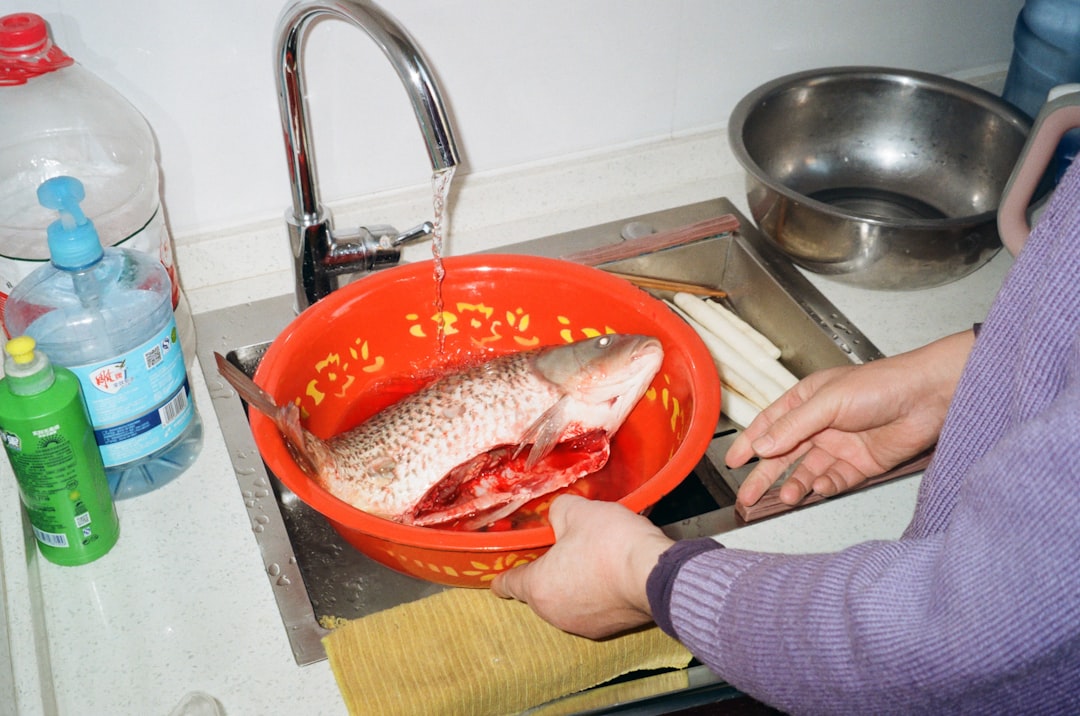
Fish broth is a culinary preparation made by simmering fish bones, heads, and other parts in water, typically with added vegetables and herbs. It has been used in cooking across many cultures for an extended period. The resulting liquid serves as a base ingredient for soups, sauces, and other dishes.
Fish broth contains minerals, vitamins, and omega-3 fatty acids derived from the fish components used in its preparation. These nutrients can contribute to overall health and nutrition. The broth is relatively simple to prepare and provides a way to utilize fish byproducts that might otherwise be discarded.
Fish broth can be incorporated into various recipes and dietary approaches. It is used both as a flavoring agent and as a nutritional supplement in cooking. Understanding fish broth production and composition may be useful for those interested in expanding their cooking techniques or improving their nutritional intake.
You can find a delicious recipe for fish broth that is both flavorful and easy to prepare.
Key Takeaways
- Fish broth offers numerous health benefits, especially for seniors, including improved joint health and digestion.
- Selecting the right fish, such as those rich in omega-3s, is crucial for a nutritious broth.
- Proper preparation and step-by-step cooking ensure a flavorful and nutrient-rich fish broth.
- Enhancing flavor can be achieved with herbs, spices, and complementary ingredients.
- Fish broth can be stored and reheated safely, with various recipe variations to suit dietary needs.
Health Benefits of Fish Broth for Seniors
For seniors like yourself, incorporating fish broth into your diet can offer numerous health benefits. One of the most significant advantages is its high collagen content, which is derived from the fish bones used in the broth. Collagen is essential for maintaining healthy skin, joints, and connective tissues.
As you age, your body’s natural collagen production decreases, leading to issues such as joint pain and skin elasticity loss. By consuming fish broth regularly, you can help replenish your collagen levels and support your body’s structural integrity. In addition to collagen, fish broth is packed with essential nutrients that can bolster your immune system.
The amino acids found in fish broth, such as glycine and proline, play a crucial role in promoting gut health and reducing inflammation. A healthy gut is vital for nutrient absorption and overall wellness, especially as you grow older. Furthermore, the omega-3 fatty acids present in fish broth are known for their heart-healthy properties, which can help reduce the risk of cardiovascular diseases—a common concern for seniors.
Choosing the Right Fish for Broth

When it comes to making fish broth, selecting the right type of fish is crucial for achieving the best flavor and nutritional profile. You may want to consider using oily fish such as salmon, mackerel, or sardines, as they are rich in omega-3 fatty acids and provide a robust taste. These types of fish not only enhance the flavor of your broth but also contribute beneficial nutrients that support heart health and cognitive function.
Alternatively, if you prefer a milder flavor, white fish like cod or halibut can be excellent choices. These fish have a delicate taste that allows other ingredients in your broth to shine through. Regardless of your choice, it’s essential to use fresh or high-quality fish to ensure that your broth is both flavorful and nutritious.
You might also consider using fish scraps or bones from previous meals to minimize waste while maximizing flavor.
Preparing the Ingredients for Fish Broth
Before diving into the cooking process, preparing your ingredients is key to creating a delicious fish broth. Start by gathering your fish parts—bones, heads, and any scraps you have on hand. Rinse them under cold water to remove any impurities or blood that may affect the clarity of your broth.
This step is crucial for achieving a clean and appealing final product. Next, consider the vegetables and aromatics you want to include in your broth. Common choices include onions, carrots, celery, garlic, and herbs like parsley or dill.
These ingredients not only add depth of flavor but also contribute additional nutrients to your broth. Chop the vegetables into manageable pieces to ensure they cook evenly during the simmering process. By taking the time to prepare your ingredients thoughtfully, you set the stage for a rich and satisfying fish broth.
Step-by-Step Instructions for Making Fish Broth
| Metric | Value | Notes |
|---|---|---|
| Preparation Time | 10 minutes | Includes chopping vegetables and gathering ingredients |
| Cooking Time | 45 minutes | Simmering broth to extract flavors |
| Total Time | 55 minutes | Preparation + Cooking |
| Servings | 4 | Suitable for 4 senior servings |
| Calories per Serving | 120 kcal | Low calorie, easy to digest |
| Protein per Serving | 15 g | Good source of lean protein |
| Key Ingredients | Fish bones, water, onion, carrot, celery, bay leaf | Simple and nutritious |
| Recommended Fish Type | White fish (e.g., cod, haddock) | Low in fat, easy to digest |
| Salt Content | Low | Adjustable to taste, suitable for seniors |
| Hydration Benefit | High | Broth helps maintain hydration |
Making fish broth is a straightforward process that can be broken down into simple steps. Begin by placing your prepared fish parts into a large pot or stockpot. Add your chopped vegetables and aromatics to the pot, followed by enough cold water to cover all the ingredients completely.
It’s important to use cold water as it helps extract flavors more effectively during cooking. Once everything is in the pot, bring the mixture to a gentle boil over medium heat. As it heats up, you may notice some foam rising to the surface; this is normal and can be skimmed off with a ladle or spoon for a clearer broth.
After reaching a boil, reduce the heat to low and let the broth simmer for at least 30 minutes to an hour. The longer you simmer, the more flavorful and nutrient-rich your broth will become. After simmering, strain the liquid through a fine-mesh sieve or cheesecloth to remove solids, leaving you with a beautiful golden broth ready for use.
Tips for Enhancing the Flavor of Fish Broth

To elevate the flavor of your fish broth even further, consider incorporating various herbs and spices during the cooking process. Fresh herbs like thyme or bay leaves can add aromatic notes that complement the natural flavors of the fish. You might also experiment with spices such as black peppercorns or coriander seeds for an added layer of complexity.
Another way to enhance flavor is by adding acidity to your broth. A splash of vinegar or a squeeze of lemon juice can brighten up the taste and balance out any richness from the fish. Additionally, roasting your vegetables before adding them to the pot can deepen their flavors and create a more robust broth.
By being creative with your ingredients and techniques, you can craft a unique fish broth that suits your palate perfectly.
Serving Suggestions for Fish Broth
Once you’ve made your delicious fish broth, there are countless ways to enjoy it. One popular option is to serve it as a warm soup base, adding fresh vegetables or noodles for a hearty meal. You might consider incorporating ingredients like bok choy or rice noodles for an Asian-inspired dish that’s both comforting and nutritious.
Alternatively, you can use your fish broth as a base for risottos or sauces, allowing its rich flavors to infuse other dishes. Drizzling some fresh herbs or a dollop of crème fraîche on top can add an elegant touch when serving it as a standalone soup. The versatility of fish broth means that it can easily adapt to various cuisines and personal preferences.
Storing and Reheating Fish Broth
If you find yourself with leftover fish broth after cooking, proper storage is essential to maintain its quality and flavor. Allow the broth to cool completely before transferring it into airtight containers or jars. You can store it in the refrigerator for up to three days or freeze it for longer-term storage—up to three months is ideal.
When reheating your frozen broth, it’s best to thaw it overnight in the refrigerator before warming it on the stove over low heat. This gentle reheating method helps preserve its flavors and nutrients while ensuring that it doesn’t become overly concentrated or lose its delicate taste.
Variations of Fish Broth Recipes
While traditional fish broth has its charm, there are numerous variations you can explore based on regional cuisines or personal preferences. For instance, you might try adding coconut milk and curry spices for a Thai-inspired twist that brings warmth and richness to your dish. Alternatively, incorporating tomatoes and basil can create an Italian-style fish broth perfect for pairing with pasta.
You could also experiment with different types of seafood beyond just fish—adding shrimp shells or crab remnants can create an even more complex flavor profile in your broth. The beauty of making fish broth lies in its adaptability; feel free to get creative with ingredients that resonate with your taste buds or reflect seasonal produce available in your area.
Dietary Considerations for Fish Broth
As you consider adding fish broth to your diet, it’s important to keep dietary restrictions in mind. If you have allergies or sensitivities to certain types of seafood, be sure to choose fish that are safe for you to consume. Additionally, if you’re following specific dietary guidelines—such as low-sodium diets—be mindful of how much salt you add during cooking.
For those who follow vegetarian or vegan diets, traditional fish broth may not be suitable; however, there are plant-based alternatives that mimic some of its flavors using seaweed or vegetable stocks infused with umami-rich ingredients like mushrooms or miso paste. By being aware of these dietary considerations, you can enjoy flavorful broths while adhering to your nutritional needs.
Conclusion and Final Thoughts on Fish Broth for Seniors
In conclusion, fish broth is more than just a culinary delight; it’s a nourishing elixir that offers numerous health benefits tailored specifically for seniors like yourself. From its rich collagen content supporting joint health to its immune-boosting properties from amino acids and omega-3 fatty acids, incorporating fish broth into your diet can enhance both flavor and nutrition. As you embark on this journey of making and enjoying fish broth, remember that it’s not just about following recipes but also about experimenting with flavors that resonate with you personally.
Whether served as a comforting soup or used as a base for other dishes, fish broth has the potential to become a staple in your kitchen—a warm embrace in a bowl that nourishes both body and soul. So go ahead; dive into this culinary adventure and savor every sip!
For seniors looking to enhance their culinary skills while maintaining a healthy diet, an easy fish broth recipe can be a delightful addition to their meal planning. This simple yet nutritious dish not only provides essential nutrients but is also easy to prepare. For more tips on healthy eating and recipes tailored for seniors, you can check out this informative article on senior health and nutrition.
WATCH THIS! 💪 Say Goodbye to Weakness: Fish Skin Broth Fights Sarcopenia Better Than Bone Broth!
FAQs
What ingredients are typically used in an easy fish broth recipe for seniors?
Common ingredients include fish bones or heads, water, vegetables like onions, carrots, and celery, herbs such as parsley or bay leaves, and seasonings like salt and pepper. These ingredients create a nutritious and flavorful broth suitable for seniors.
Why is fish broth beneficial for seniors?
Fish broth is rich in minerals, collagen, and omega-3 fatty acids, which support joint health, improve digestion, and promote heart and brain health. It is also easy to digest, making it ideal for seniors with sensitive stomachs.
How long does it take to prepare fish broth?
Typically, fish broth takes about 30 to 45 minutes to prepare. The fish bones and vegetables are simmered gently to extract flavors and nutrients without overcooking.
Can fish broth be stored for later use?
Yes, fish broth can be stored in the refrigerator for up to 3 days or frozen for up to 3 months. It should be cooled quickly and stored in airtight containers to maintain freshness.
Is fish broth suitable for seniors with dietary restrictions?
Fish broth is generally low in calories and fat, making it suitable for many dietary needs. However, seniors with allergies to fish or specific dietary restrictions should consult a healthcare provider before consuming.
How can fish broth be incorporated into a senior’s diet?
Fish broth can be consumed on its own as a warm, nourishing drink or used as a base for soups, stews, and sauces. It adds flavor and nutrients to meals without adding heavy fats or complex ingredients.
Are there any precautions when making fish broth for seniors?
Ensure the fish used is fresh and properly cleaned to avoid any foodborne illnesses. Also, avoid adding excessive salt or strong spices to keep the broth gentle on the digestive system.