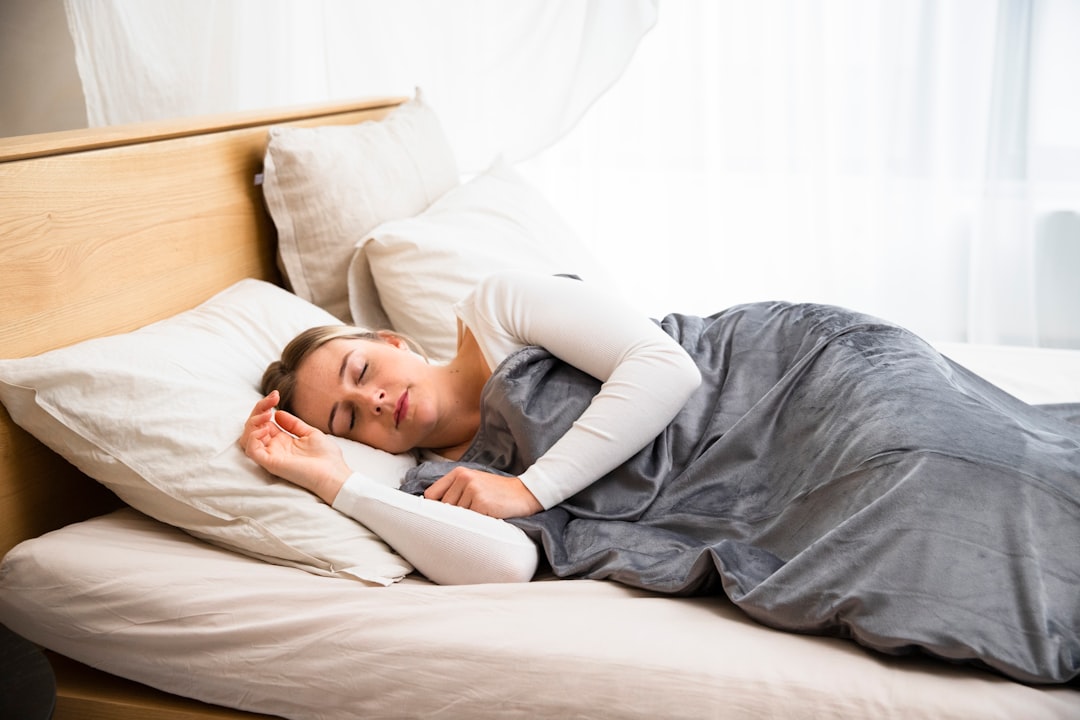
Cervical stenosis is a condition that occurs when the spinal canal in the neck narrows, putting pressure on the spinal cord and nerves. This narrowing can lead to a variety of symptoms, including pain, numbness, and weakness in the arms and legs. As you navigate through life with cervical stenosis, it’s essential to understand how this condition affects your body and daily activities.
The narrowing can be caused by age-related changes, such as arthritis or degenerative disc disease, and can significantly impact your quality of life. Recognizing the signs of cervical stenosis is crucial for managing your symptoms effectively. You may experience discomfort that radiates from your neck down to your arms or legs, or you might find it challenging to maintain balance.
Understanding these symptoms can help you communicate better with healthcare professionals and seek appropriate treatment options.
Key Takeaways
- Cervical stenosis is a condition where the spinal canal in the neck narrows, putting pressure on the spinal cord and nerves.
- Proper sleep is crucial for relieving cervical stenosis symptoms, as it allows the body to repair and rejuvenate.
- Choosing the right pillow, such as a cervical pillow, can help alleviate neck pain and provide better support for those with cervical stenosis.
- The best sleeping positions for cervical stenosis relief include sleeping on your back with a supportive pillow or on your side with a pillow between your knees.
- Creating a comfortable sleep environment, such as reducing noise and light, can help improve sleep quality for those with cervical stenosis.
Importance of Proper Sleep for Cervical Stenosis Relief
Sleep plays a vital role in your overall health, especially when dealing with conditions like cervical stenosis. Quality sleep allows your body to repair itself, reducing inflammation and promoting healing. When you suffer from cervical stenosis, poor sleep can exacerbate your symptoms, leading to increased pain and discomfort.
Therefore, prioritizing proper sleep is essential for managing your condition effectively. Establishing a healthy sleep routine can significantly impact how you feel during the day. When you get adequate rest, your body has the opportunity to recover from the stresses of daily life, including the strain that cervical stenosis places on your neck and spine.
By focusing on improving your sleep quality, you can create a more favorable environment for healing and symptom relief. This means not only ensuring you get enough hours of sleep but also making sure that the quality of that sleep is restorative.
Choosing the Right Pillow for Cervical Stenosis

Selecting the right pillow is crucial for anyone suffering from cervical stenosis. A supportive pillow can help maintain proper alignment of your neck and spine while you sleep, reducing strain on the affected areas. When choosing a pillow, consider factors such as firmness, height, and material.
A pillow that is too high or too low can lead to further discomfort, so finding one that keeps your head aligned with your spine is essential. Memory foam pillows are often recommended for individuals with cervical stenosis due to their ability to contour to the shape of your neck and head. This type of pillow provides support while also alleviating pressure points, which can be particularly beneficial for those experiencing pain or discomfort.
Additionally, adjustable pillows allow you to customize the height and firmness to suit your specific needs, ensuring that you wake up feeling refreshed rather than stiff or sore.
Best Sleeping Positions for Cervical Stenosis Relief
| Sleeping Position | Benefits |
|---|---|
| On Your Back | Keeps the spine in a neutral position and reduces pressure on the neck |
| On Your Side | Place a pillow between the knees to keep the spine aligned and reduce strain on the neck |
| Fetal Position | Curled up on your side with a pillow between the knees can help reduce pressure on the neck |
| Reclined Position | Using a reclining bed or adjustable bed can help keep the neck in a comfortable position |
Your sleeping position can significantly influence how well you manage cervical stenosis symptoms. Certain positions may exacerbate pain or discomfort, while others can provide relief. For instance, sleeping on your back with a supportive pillow can help maintain the natural curve of your neck and spine.
This position allows for even weight distribution and minimizes pressure on the cervical region. If you prefer sleeping on your side, consider using a thicker pillow to fill the space between your head and shoulder. This will help keep your spine aligned and reduce strain on your neck.
Avoid sleeping on your stomach, as this position can twist your neck and lead to increased discomfort. By experimenting with different sleeping positions and finding what works best for you, you can enhance your sleep quality and alleviate some of the symptoms associated with cervical stenosis.
Creating a Comfortable Sleep Environment for Cervical Stenosis
A comfortable sleep environment is essential for anyone dealing with cervical stenosis. Your bedroom should be a sanctuary that promotes relaxation and restful sleep.
Additionally, consider investing in blackout curtains to block out light and minimize distractions that could disrupt your sleep. Temperature also plays a significant role in creating a comfortable sleep environment. Keeping your bedroom cool can help promote better sleep quality, as a cooler environment encourages deeper rest.
You might also want to incorporate calming scents, such as lavender or chamomile, through essential oils or candles to create a soothing atmosphere. By taking these steps to enhance your sleep environment, you can foster a space that supports healing and relaxation.
Incorporating Gentle Neck Stretches Before Bed

Incorporating gentle neck stretches into your bedtime routine can be an effective way to alleviate tension and promote relaxation before sleep. Simple stretches can help improve flexibility in your neck and shoulders while reducing stiffness associated with cervical stenosis. For instance, try gently tilting your head from side to side or performing slow neck rotations to release built-up tension.
These stretches not only prepare your body for rest but also signal to your mind that it’s time to wind down. Engaging in this calming practice can help ease any discomfort you may be feeling and set the stage for a more restful night’s sleep. As you incorporate these stretches into your routine, pay attention to how your body responds; adjusting the intensity or duration based on what feels best for you is key.
Avoiding Activities That Aggravate Cervical Stenosis Before Bed
Being mindful of activities that may aggravate cervical stenosis before bedtime is crucial for ensuring a good night’s sleep. Engaging in strenuous activities or spending extended periods hunched over a screen can lead to increased tension in your neck and shoulders. Instead, consider winding down with relaxing activities such as reading or listening to soothing music.
It’s also wise to limit screen time before bed, as the blue light emitted by devices can interfere with your body’s natural sleep-wake cycle. If you must use electronic devices, consider using blue light filters or glasses designed to reduce exposure. By avoiding activities that strain your neck or disrupt your sleep cycle, you can create a more conducive environment for rest and recovery.
Using Heat Therapy for Cervical Stenosis Relief
Heat therapy is a popular method for alleviating pain associated with cervical stenosis. Applying heat to the affected area can help relax tense muscles and improve blood circulation, providing relief from discomfort. You might consider using a heating pad or warm compress on your neck before bed to ease tension and promote relaxation.
In addition to direct heat application, taking a warm bath or shower before bedtime can also be beneficial. The warmth of the water helps soothe sore muscles and prepares your body for sleep by promoting relaxation. Experimenting with different forms of heat therapy can help you discover what works best for relieving your symptoms and enhancing your overall comfort.
Practicing Relaxation Techniques for Better Sleep with Cervical Stenosis
Incorporating relaxation techniques into your nightly routine can significantly improve your sleep quality when dealing with cervical stenosis. Practices such as deep breathing exercises, meditation, or progressive muscle relaxation can help calm both your mind and body before bed. These techniques not only reduce stress but also promote a sense of well-being that is essential for restful sleep.
Consider setting aside time each evening to engage in these practices as part of your wind-down routine. You might find that dedicating just a few minutes to deep breathing or guided meditation helps clear your mind of daily stressors, allowing you to drift off more easily into a peaceful slumber. By prioritizing relaxation techniques, you create an environment conducive to healing and recovery from cervical stenosis symptoms.
Seeking Professional Help for Severe Cervical Stenosis Symptoms
If you find that your symptoms of cervical stenosis are severe or worsening despite implementing self-care strategies, it may be time to seek professional help. Consulting with a healthcare provider can provide valuable insights into treatment options tailored specifically to your needs. They may recommend physical therapy, medication, or other interventions designed to alleviate pain and improve mobility.
In some cases, surgical options may be considered if conservative treatments do not yield satisfactory results. It’s essential to have open communication with your healthcare provider about the severity of your symptoms and how they impact your daily life. By seeking professional guidance, you empower yourself to take control of your health and explore all available avenues for relief.
Maintaining a Consistent Sleep Schedule for Cervical Stenosis Relief
Establishing a consistent sleep schedule is vital for managing cervical stenosis symptoms effectively. Going to bed and waking up at the same time each day helps regulate your body’s internal clock, promoting better sleep quality over time. This consistency allows your body to anticipate rest periods, making it easier for you to fall asleep and wake up feeling refreshed.
In addition to maintaining regular sleep hours, consider creating a pre-sleep routine that signals to your body it’s time to wind down. Engaging in calming activities such as reading or practicing relaxation techniques can help reinforce this routine. By prioritizing consistency in both timing and activities surrounding sleep, you set yourself up for improved rest and symptom management related to cervical stenosis.
In conclusion, managing cervical stenosis requires a multifaceted approach that includes understanding the condition itself, prioritizing proper sleep, choosing supportive pillows, adopting beneficial sleeping positions, creating a comfortable environment, incorporating gentle stretches, avoiding aggravating activities, utilizing heat therapy, practicing relaxation techniques, seeking professional help when necessary, and maintaining a consistent sleep schedule. By implementing these strategies into your daily routine, you can enhance your quality of life while effectively managing the challenges posed by cervical stenosis.
If you’re struggling with cervical stenosis and finding it difficult to get a good night’s sleep, you might find some helpful tips in an article on Explore Senior Health. This resource offers insights into managing sleep disturbances caused by cervical stenosis, including advice on sleep positions, pillow choices, and relaxation techniques. For more detailed information, you can read the full article on their website by following this link: Explore Senior Health.
WATCH THIS! The Sleep Position Silently Raising Stroke Risk
FAQs
What is cervical stenosis?
Cervical stenosis is a condition where the spinal canal in the neck narrows, putting pressure on the spinal cord and nerve roots. This can lead to symptoms such as neck pain, numbness, weakness, and in severe cases, difficulty walking.
How does cervical stenosis affect sleep?
Cervical stenosis can affect sleep by causing neck pain, discomfort, and numbness in the arms and hands. These symptoms can make it difficult to find a comfortable sleeping position and may lead to disrupted sleep.
What are some tips for sleeping with cervical stenosis?
– Use a supportive pillow to keep the neck in a neutral position
– Avoid sleeping on the stomach, as this can strain the neck
– Try sleeping on your back or side with a pillow between the knees for added support
– Consider using a cervical collar or neck brace for added support
Are there any specific sleeping positions that can help with cervical stenosis?
Sleeping on your back with a supportive pillow under the neck and knees can help alleviate pressure on the spine. Side sleeping with a pillow between the knees can also help maintain proper spinal alignment.
Should I consult a doctor for sleep issues related to cervical stenosis?
It is important to consult a doctor if you are experiencing sleep issues related to cervical stenosis. They can provide a proper diagnosis and recommend appropriate treatment options, which may include physical therapy, medication, or in severe cases, surgery.