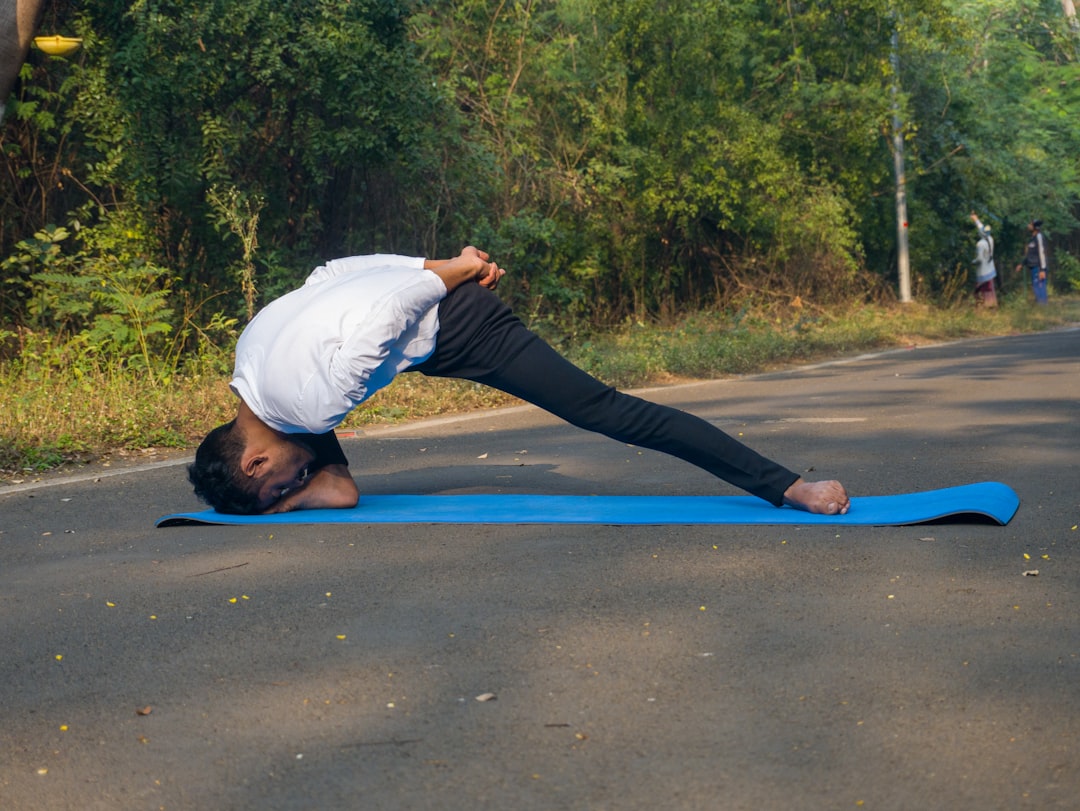
As you navigate through life, the importance of maintaining balance cannot be overstated. Balance is not just a physical attribute; it is a crucial component of your overall well-being. As you age, the risk of falls increases significantly, making it essential to prioritize balance and fall prevention strategies.
Falls can lead to serious injuries, such as fractures or head trauma, which can drastically affect your quality of life.
Moreover, understanding the significance of fall prevention extends beyond just physical health.
It encompasses emotional and psychological aspects as well. The fear of falling can lead to a more sedentary lifestyle, which in turn can contribute to a decline in physical fitness and overall health. By actively engaging in balance training and fall prevention exercises, you empower yourself to take control of your health, fostering a sense of security and well-being.
This proactive approach can help you enjoy life more fully, participate in social activities, and maintain a vibrant lifestyle.
Key Takeaways
- Maintaining balance and preventing falls are crucial for seniors to avoid injuries and maintain independence.
- Common causes of falls include muscle weakness, poor balance, and environmental hazards.
- Regular fall prevention exercises improve strength, coordination, and confidence in movement.
- Tailored exercises can accommodate seniors with mobility issues, ensuring safety and effectiveness.
- Creating a safe home environment and wearing proper footwear significantly reduce fall risks.
Common Causes of Falls
When considering fall prevention, it is vital to identify the common causes of falls that may affect you or your loved ones. One prevalent factor is environmental hazards. Cluttered walkways, loose rugs, and poor lighting can create dangerous situations that increase the likelihood of tripping or losing balance.
By being aware of these hazards in your surroundings, you can take steps to mitigate risks and create a safer environment for yourself. Another significant cause of falls is related to health conditions and medications.
Additionally, some medications may have side effects that impact your balance or cause dizziness. It is crucial to have open discussions with your healthcare provider about any medications you are taking and how they may influence your risk of falling. By understanding these factors, you can take proactive measures to address them and reduce your chances of experiencing a fall.
Benefits of Fall Prevention Exercises
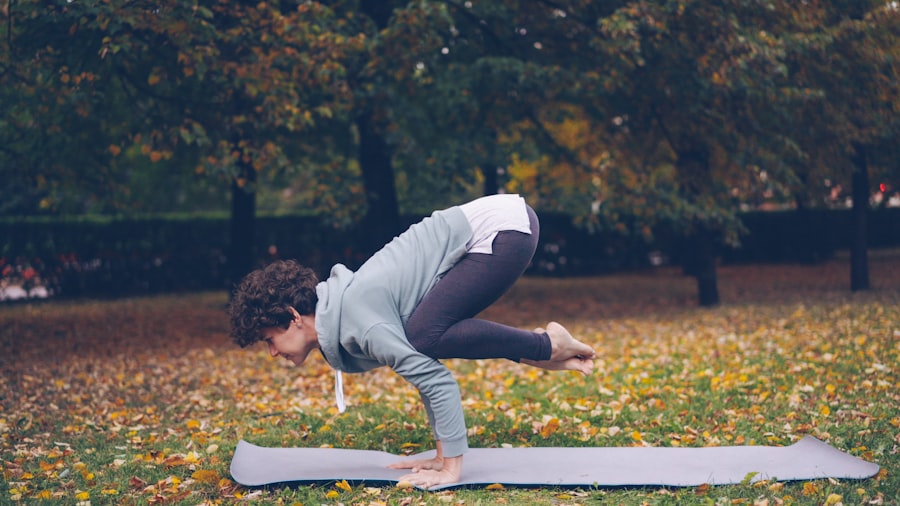
Engaging in fall prevention exercises offers numerous benefits that extend beyond simply reducing the risk of falls. These exercises are designed to improve your strength, flexibility, and coordination, all of which play a vital role in maintaining balance. As you incorporate these exercises into your routine, you may notice an increase in your overall physical fitness, which can enhance your ability to perform daily tasks with ease.
Additionally, fall prevention exercises can have a positive impact on your mental health. Regular physical activity has been shown to reduce symptoms of anxiety and depression while boosting overall mood. As you gain confidence in your balance and mobility, you may find yourself feeling more empowered and less fearful of falling.
This newfound confidence can lead to a more active lifestyle, allowing you to engage in social activities and pursue hobbies that bring you joy.
Basic Fall Prevention Exercises for Seniors
Starting with basic fall prevention exercises is an excellent way for you to build a strong foundation for balance improvement. Simple activities such as standing on one leg or practicing heel-to-toe walking can significantly enhance your stability. These exercises can be performed at home without any special equipment, making them accessible for everyone.
As you practice these movements regularly, you will likely notice improvements in your balance and coordination. Incorporating strength training into your routine is also beneficial for fall prevention. Exercises like chair stands or wall push-ups can help strengthen the muscles in your legs and upper body, providing you with better support and stability.
Aim to perform these exercises several times a week, gradually increasing the number of repetitions as you become more comfortable. Remember that consistency is key; the more regularly you practice these basic exercises, the more effective they will be in preventing falls.
Advanced Fall Prevention Exercises for Seniors
| Exercise | Duration/Frequency | Targeted Muscle Groups | Benefits for Fall Prevention | Difficulty Level |
|---|---|---|---|---|
| Single Leg Stand | 30 seconds per leg, 3 times daily | Leg muscles, core | Improves unilateral balance and stability | Beginner |
| Heel-to-Toe Walk | 2 minutes daily | Lower legs, core | Enhances gait stability and coordination | Beginner |
| Side Leg Raises | 10-15 reps per leg, 2 sets, 3 times weekly | Hip abductors, glutes | Strengthens hip muscles to prevent lateral falls | Intermediate |
| Tai Chi | 20-30 minutes, 3-5 times weekly | Full body, focus on core and legs | Improves balance, flexibility, and body awareness | Intermediate |
| Standing Marches | 1-2 minutes, 2-3 times daily | Hip flexors, core | Enhances dynamic balance and coordination | Beginner |
| Balance Board Exercises | 5-10 minutes, 3 times weekly | Core, ankles, legs | Improves proprioception and ankle stability | Advanced |
Once you feel confident with basic exercises, you may want to challenge yourself with advanced fall prevention exercises. These activities often involve more complex movements that require greater balance and coordination. For instance, tai chi is an excellent option that combines slow, controlled movements with deep breathing techniques.
This ancient practice not only improves balance but also promotes relaxation and mindfulness. Another advanced exercise to consider is the use of balance boards or stability balls. These tools can help enhance your core strength and stability by forcing your body to engage various muscle groups while maintaining balance.
As you progress with these advanced exercises, be sure to listen to your body and adjust the intensity as needed. The goal is to challenge yourself while still prioritizing safety and proper form.
Fall Prevention Exercises for Individuals with Mobility Issues
If you or someone you know has mobility issues, there are still effective fall prevention exercises that can be adapted to suit individual needs. Seated exercises can be particularly beneficial for those who may struggle with standing or walking. Simple movements such as seated leg lifts or arm raises can help improve strength and flexibility without putting undue strain on the body.
Additionally, using assistive devices like chairs or handrails during exercises can provide extra support and stability. Resistance bands are another excellent tool that can be used while seated or standing to enhance strength training without requiring extensive mobility. By focusing on exercises that accommodate mobility challenges, you can still work towards improving balance and reducing the risk of falls.
Incorporating Balance Training into Daily Activities
Incorporating balance training into your daily routine doesn’t have to be a chore; it can be seamlessly integrated into everyday activities. For instance, while brushing your teeth or washing dishes, try standing on one leg for a few seconds at a time. This simple adjustment can help strengthen your balance without requiring additional time set aside for exercise.
You can also use everyday tasks as opportunities for balance training. When getting up from a chair, practice standing up slowly without using your hands for support. This movement not only enhances leg strength but also improves your overall stability.
By finding creative ways to incorporate balance training into daily activities, you will be more likely to stay consistent and make progress over time.
Tips for Maintaining a Safe Home Environment
Creating a safe home environment is crucial for preventing falls and ensuring peace of mind as you go about your daily life. Start by decluttering spaces where you frequently walk; remove any obstacles that could pose a tripping hazard. Additionally, ensure that all areas are well-lit, especially staircases and hallways where falls are more likely to occur.
Consider investing in non-slip mats for areas prone to moisture, such as bathrooms or kitchens. Installing grab bars in bathrooms near toilets and showers can also provide extra support when needed. By taking these proactive steps to maintain a safe home environment, you significantly reduce the risk of falls and create a space where you feel secure.
The Role of Proper Footwear in Fall Prevention
The shoes you choose to wear play a significant role in maintaining balance and preventing falls. Proper footwear should provide adequate support and traction while being comfortable enough for daily wear. Avoid shoes with slippery soles or high heels that can compromise stability; instead, opt for shoes with non-slip soles and a secure fit.
Additionally, consider wearing shoes that offer good arch support and cushioning to help absorb shock while walking. If necessary, consult with a podiatrist who can recommend specific footwear options tailored to your needs. By prioritizing proper footwear, you enhance your ability to maintain balance and reduce the risk of falls significantly.
Seeking Professional Help for Balance Improvement
If you’re struggling with balance issues or feel uncertain about how to begin an exercise routine focused on fall prevention, seeking professional help can be invaluable. Physical therapists specialize in assessing individual needs and creating tailored exercise programs designed to improve balance and strength effectively. Working with a professional not only provides guidance but also ensures that you’re performing exercises safely and correctly.
They can offer modifications based on your unique circumstances and monitor your progress over time. By investing in professional assistance, you’re taking an important step toward enhancing your balance and overall well-being.
Monitoring Progress and Adapting Exercise Routines
As you embark on your journey toward improved balance and fall prevention, monitoring your progress is essential for staying motivated and making necessary adjustments along the way. Keep track of the exercises you’re performing, noting any improvements in strength or stability over time. This record will serve as a valuable tool for assessing what works best for you.
Be open to adapting your exercise routine as needed based on your progress or any changes in your physical condition. If certain exercises become too easy or if new challenges arise, don’t hesitate to modify your routine accordingly. The key is to remain flexible and committed to continuous improvement while prioritizing safety throughout the process.
In conclusion, prioritizing balance and fall prevention is essential for maintaining independence and enhancing quality of life as you age or face mobility challenges. By understanding common causes of falls, engaging in appropriate exercises, creating a safe home environment, and seeking professional guidance when necessary, you empower yourself to take control of your health journey. Remember that every small step counts; by incorporating these strategies into your daily life, you’re investing in a safer future filled with confidence and vitality.
Balance exercises are essential for fall prevention, especially among older adults. Engaging in regular balance training can significantly reduce the risk of falls and enhance overall stability. For more information on the importance of balance exercises and additional resources, you can check out this related article on senior health: Explore Senior Health.
🚨 WATCH THIS IF YOU TAKE ANY “PM” PILLS AFTER 60
FAQs
What are balance exercises for fall prevention?
Balance exercises for fall prevention are physical activities designed to improve stability, coordination, and strength, helping individuals maintain their balance and reduce the risk of falling.
Who can benefit from balance exercises for fall prevention?
People of all ages can benefit, but they are especially important for older adults, individuals with mobility issues, or those recovering from injury or surgery.
What are some common balance exercises used to prevent falls?
Common exercises include standing on one leg, heel-to-toe walking, tai chi, leg lifts, and using balance boards or stability balls.
How often should balance exercises be performed?
It is generally recommended to perform balance exercises at least 2-3 times per week, but daily practice can provide better results.
Are balance exercises safe for everyone?
Most balance exercises are safe, but individuals with certain health conditions or severe balance problems should consult a healthcare professional before starting a new exercise routine.
Can balance exercises help prevent falls in older adults?
Yes, research shows that regular balance exercises can significantly reduce the risk of falls among older adults by improving muscle strength and coordination.
How long does it take to see improvements from balance exercises?
Improvements can often be noticed within a few weeks of consistent practice, but ongoing exercise is important to maintain balance and prevent falls.
Do balance exercises require special equipment?
Many balance exercises can be done without equipment, but some may use tools like balance boards, foam pads, or resistance bands to increase difficulty.
Can balance exercises be combined with other types of exercise?
Yes, balance exercises are often combined with strength training, flexibility, and aerobic exercises for overall fitness and fall prevention.
Where can I learn proper balance exercises for fall prevention?
You can learn balance exercises from physical therapists, fitness trainers, senior centers, or reputable online resources and instructional videos.