Stress significantly affects cardiovascular health, particularly blood pressure regulation. During stressful situations, the body activates its sympathetic nervous system, triggering the release of stress hormones including adrenaline (epinephrine) and cortisol. These hormones increase heart rate and cause vasoconstriction, leading to temporary elevations in blood pressure.
Prolonged or chronic stress exposure can contribute to sustained hypertension. The relationship between stress and hypertension has important health implications.
Research indicates that individuals experiencing persistent stress may develop sustained elevations in blood pressure, contributing to long-term cardiovascular complications. Understanding stress-induced blood pressure changes enables the implementation of targeted management strategies. Evidence-based approaches to stress reduction can help maintain optimal blood pressure levels and reduce cardiovascular risk factors.
Effective stress management techniques may include regular physical activity, relaxation practices, adequate sleep, and lifestyle modifications that support overall cardiovascular health.
Key Takeaways
- Stress significantly contributes to high blood pressure, making management essential for heart health.
- Techniques like deep breathing, meditation, yoga, and Tai Chi effectively reduce stress levels.
- Regular exercise, mindfulness, and proper sleep are crucial for managing stress and lowering blood pressure.
- Healthy nutrition and limiting caffeine and alcohol intake support overall stress reduction.
- Seeking social support, practicing time management, and professional help enhance stress and blood pressure control.
Deep Breathing and Meditation for Relaxation
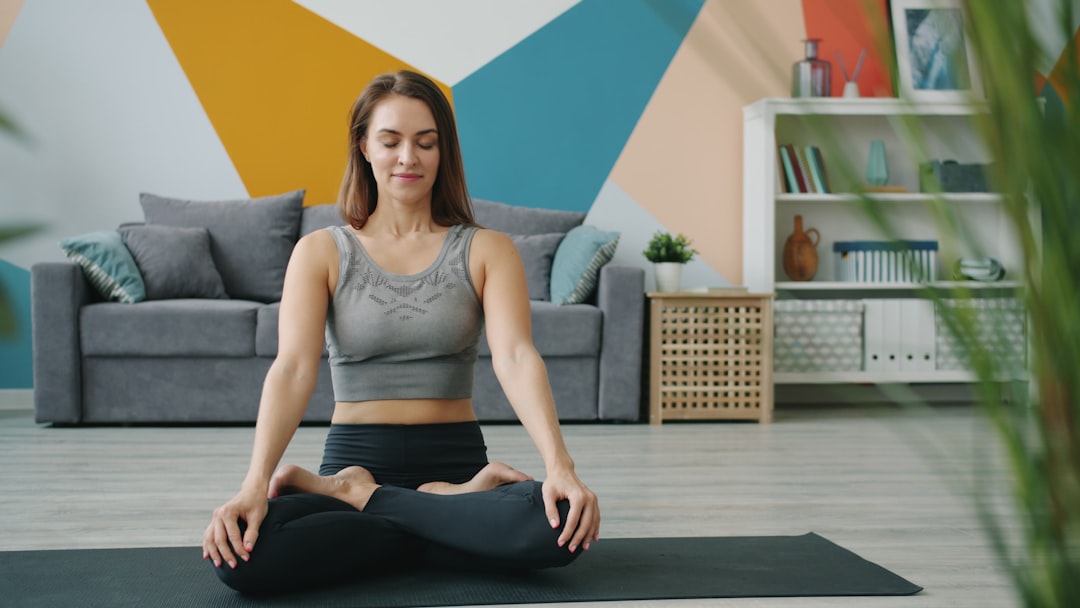
One of the simplest yet most effective ways to combat stress is through deep breathing and meditation. You might find that taking just a few minutes each day to focus on your breath can create a profound sense of calm. Deep breathing exercises help activate your body’s relaxation response, counteracting the effects of stress hormones.
As you inhale deeply through your nose, allowing your abdomen to expand, and exhale slowly through your mouth, you may notice a decrease in tension and anxiety. Meditation complements deep breathing beautifully. By setting aside time to meditate, you create a mental space where you can observe your thoughts without judgment.
This practice encourages mindfulness, allowing you to become more aware of your stress triggers and how they affect you. You might find that regular meditation not only helps lower your blood pressure but also enhances your overall emotional resilience, making it easier to navigate life’s challenges.
Yoga and Tai Chi for Stress Relief

Incorporating practices like yoga and Tai Chi into your routine can be incredibly beneficial for managing stress and promoting relaxation. Both disciplines emphasize slow, deliberate movements combined with deep breathing, which can help calm your mind and body. You may find that the gentle stretching and flowing motions of yoga allow you to release physical tension while also fostering a sense of inner peace.
Tai Chi, often described as “meditation in motion,” offers similar benefits. As you practice its graceful movements, you cultivate mindfulness and focus, drawing your attention away from stressors. Engaging in these activities regularly can lead to improved flexibility, balance, and strength while simultaneously reducing anxiety levels.
You might discover that the more you practice yoga or Tai Chi, the more equipped you feel to handle stress in your daily life.
Exercise and Physical Activity to Reduce Stress
Engaging in regular physical activity is one of the most effective ways to combat stress and lower blood pressure. When you exercise, your body releases endorphins—natural mood lifters that can help alleviate feelings of anxiety and depression. Whether you prefer running, swimming, dancing, or even brisk walking, finding an activity you enjoy can make it easier to incorporate exercise into your routine.
You may also notice that exercise provides a valuable outlet for pent-up energy and frustration. As you push yourself physically, you create a sense of accomplishment that can boost your self-esteem and improve your overall mood. Additionally, the social aspect of group workouts or team sports can foster connections with others, providing a support system that further helps reduce stress levels.
Mindfulness and Stress Reduction Techniques
| Stress Relief Technique | Effectiveness on Blood Pressure | Duration to See Results | Recommended Frequency | Additional Benefits |
|---|---|---|---|---|
| Deep Breathing Exercises | Moderate reduction (5-10 mmHg systolic) | Within weeks | Daily, 10-15 minutes | Improves lung capacity, reduces anxiety |
| Progressive Muscle Relaxation | Moderate reduction (4-8 mmHg systolic) | 2-4 weeks | 3-4 times per week | Reduces muscle tension, improves sleep |
| Meditation (Mindfulness) | Moderate to high reduction (5-12 mmHg systolic) | 4-8 weeks | Daily, 15-20 minutes | Enhances emotional regulation, lowers stress hormones |
| Yoga | Moderate reduction (5-15 mmHg systolic) | 4-12 weeks | 3-5 times per week | Improves flexibility, cardiovascular health |
| Aerobic Exercise (e.g., walking) | High reduction (8-15 mmHg systolic) | 4-12 weeks | Most days, 30 minutes | Weight management, improves heart health |
| Biofeedback | Moderate reduction (5-10 mmHg systolic) | 4-6 weeks | 2-3 times per week | Increases self-awareness, reduces stress response |
| Guided Imagery | Moderate reduction (3-7 mmHg systolic) | 2-4 weeks | Daily, 10-15 minutes | Enhances relaxation, reduces anxiety |
Mindfulness is a powerful tool for managing stress and enhancing your overall well-being. By practicing mindfulness techniques, you learn to stay present in the moment rather than getting caught up in worries about the past or future. This shift in focus can help reduce anxiety and promote a sense of calm.
You might start by incorporating simple mindfulness exercises into your daily routine, such as paying attention to your breath or observing the sensations in your body. Another effective mindfulness technique is progressive muscle relaxation. This involves systematically tensing and relaxing different muscle groups in your body, helping you become more aware of physical tension associated with stress.
As you practice these techniques regularly, you may find that they not only help lower your blood pressure but also enhance your ability to cope with life’s challenges more effectively.
Healthy Eating and Nutrition for Stress Management
Your diet plays a crucial role in managing stress and maintaining healthy blood pressure levels. Consuming a balanced diet rich in fruits, vegetables, whole grains, lean proteins, and healthy fats can provide the nutrients your body needs to function optimally. You might consider incorporating foods high in omega-3 fatty acids, such as salmon or walnuts, which have been shown to reduce inflammation and improve mood.
Additionally, staying hydrated is essential for managing stress levels. Dehydration can lead to fatigue and irritability, making it harder for you to cope with daily challenges. You may want to limit processed foods high in sugar and unhealthy fats, as these can contribute to mood swings and increased stress levels.
By prioritizing nutritious foods and staying hydrated, you create a solid foundation for both physical health and emotional resilience.
Getting Adequate Sleep for Stress Relief
Sleep is often overlooked as a critical component of stress management.
On the other hand, lack of sleep can exacerbate feelings of anxiety and irritability, making it more challenging for you to cope with daily pressures.
Establishing a consistent sleep routine can significantly improve the quality of your rest. You might consider creating a calming bedtime ritual that signals to your body it’s time to wind down. This could include activities such as reading a book, taking a warm bath, or practicing relaxation techniques like deep breathing or gentle stretching.
By prioritizing sleep and creating an environment conducive to rest, you’ll likely find that you’re more resilient in the face of stress.
Limiting Caffeine and Alcohol Intake for Lowering Stress
While it may be tempting to reach for a cup of coffee or a glass of wine when you’re feeling stressed, both caffeine and alcohol can actually exacerbate anxiety levels. Caffeine is a stimulant that can increase heart rate and blood pressure, making it harder for you to relax. On the other hand, while alcohol may initially seem calming, it can disrupt sleep patterns and lead to increased feelings of anxiety once its effects wear off.
You might consider gradually reducing your intake of these substances if you’ve noticed they contribute to your stress levels. Instead of relying on caffeine for energy or alcohol for relaxation, explore healthier alternatives such as herbal teas or engaging in calming activities like reading or meditating. By making these adjustments, you’ll likely find it easier to manage stress effectively.
Seeking Support from Friends, Family, or Support Groups
You don’t have to navigate stress alone; seeking support from friends, family members, or support groups can be incredibly beneficial. Sharing your feelings with someone who understands can provide comfort and perspective during challenging times. You might find that simply talking about your experiences helps alleviate some of the burdens you’re carrying.
Support groups offer an opportunity to connect with others who are facing similar challenges. These groups provide a safe space for sharing experiences and coping strategies while fostering a sense of community. Whether it’s through informal conversations with loved ones or structured support groups, reaching out for help can be an essential step toward managing stress effectively.
Practicing Time Management and Prioritizing Tasks
Effective time management is key to reducing stress in both your personal and professional life. When you’re overwhelmed with tasks or deadlines, it’s easy to feel anxious and out of control. By prioritizing tasks and creating a structured schedule, you can regain a sense of control over your time.
You might start by listing out all the tasks you need to accomplish and categorizing them based on urgency and importance. Once you’ve identified your priorities, break larger tasks into smaller, manageable steps. This approach not only makes tasks feel less daunting but also allows you to celebrate small victories along the way.
By practicing time management techniques such as setting deadlines for yourself or using tools like calendars or task management apps, you’ll likely find that you’re better equipped to handle stressors as they arise.
Seeking Professional Help for Stress Management and Blood Pressure Control
If you’ve tried various strategies for managing stress but still find yourself struggling with high blood pressure or overwhelming anxiety, seeking professional help may be necessary. Mental health professionals can provide valuable insights and coping strategies tailored specifically to your needs. Therapy options such as cognitive-behavioral therapy (CBT) have been shown to be effective in addressing both stress management and hypertension.
Additionally, healthcare providers can offer guidance on lifestyle changes that may further support your efforts in managing blood pressure levels. They may recommend specific dietary adjustments or exercise regimens tailored to your individual circumstances. By seeking professional help when needed, you’re taking an important step toward achieving better health outcomes and enhancing your overall quality of life.
In conclusion, managing stress is essential for maintaining healthy blood pressure levels and overall well-being. By incorporating practices such as deep breathing, mindfulness techniques, regular exercise, healthy eating habits, adequate sleep, social support systems, effective time management strategies, and professional guidance when necessary, you empower yourself to navigate life’s challenges with resilience and grace. Remember that taking small steps consistently can lead to significant improvements over time—your journey toward better health starts today.
For those looking to manage high blood pressure through effective stress relief techniques, a helpful resource can be found in the article on Explore Senior Health. This article provides valuable insights and practical tips that can aid in reducing stress levels, which is crucial for maintaining healthy blood pressure. You can read more about these techniques by visiting Explore Senior Health.
FAQs
What is the connection between stress and high blood pressure?
Stress can cause temporary spikes in blood pressure by triggering the release of hormones that increase heart rate and constrict blood vessels. Chronic stress may contribute to long-term high blood pressure (hypertension) by promoting unhealthy behaviors and physiological changes.
What are some effective stress relief techniques for managing high blood pressure?
Effective stress relief techniques include deep breathing exercises, meditation, progressive muscle relaxation, regular physical activity, yoga, adequate sleep, and mindfulness practices. These methods help lower stress hormones and promote relaxation, which can reduce blood pressure.
Can lifestyle changes help reduce high blood pressure caused by stress?
Yes, lifestyle changes such as maintaining a balanced diet, reducing caffeine and alcohol intake, quitting smoking, engaging in regular exercise, and practicing stress management techniques can significantly help control high blood pressure related to stress.
How does deep breathing help in lowering blood pressure?
Deep breathing activates the parasympathetic nervous system, which slows the heart rate and dilates blood vessels, leading to a reduction in blood pressure. It also helps reduce stress hormone levels, promoting relaxation.
Is meditation beneficial for people with high blood pressure?
Yes, meditation has been shown to reduce stress and lower blood pressure by calming the mind and body, improving emotional regulation, and decreasing sympathetic nervous system activity.
How often should stress relief techniques be practiced to see benefits in blood pressure?
Consistency is key. Practicing stress relief techniques daily or several times a week can lead to noticeable improvements in blood pressure and overall well-being over time.
Are there any risks associated with stress relief techniques for high blood pressure?
Most stress relief techniques are safe for individuals with high blood pressure. However, it is advisable to consult a healthcare provider before starting new exercise routines or relaxation practices, especially if there are other health concerns.
Can professional help improve stress management for high blood pressure?
Yes, healthcare professionals such as doctors, psychologists, or counselors can provide guidance, therapy, and support to develop effective stress management strategies tailored to individual needs.
Do medications for high blood pressure affect stress levels?
Some blood pressure medications may influence mood or stress levels, but they primarily work to control blood pressure. Managing stress through lifestyle and behavioral techniques complements medication for better overall control.
Is physical activity recommended as a stress relief method for high blood pressure?
Yes, regular physical activity is highly recommended as it helps reduce stress hormones, improves heart health, and lowers blood pressure. Activities like walking, swimming, or cycling are beneficial and generally safe for most people.