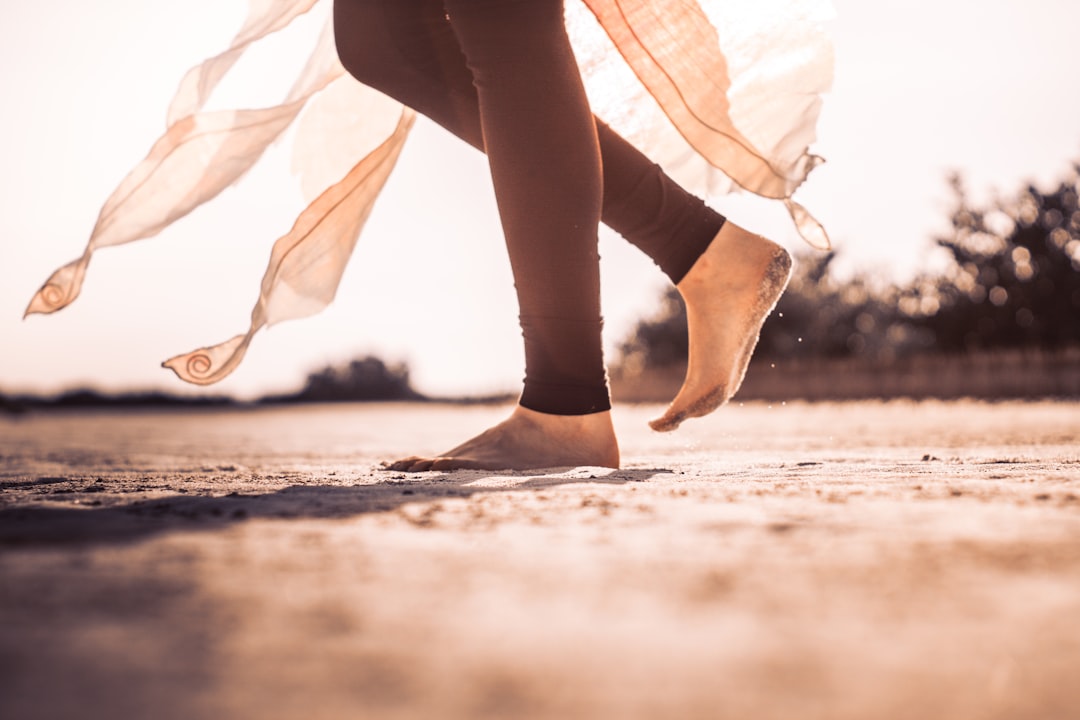
You’re likely aware of the general advice to stay active as you age, but have you considered the simple, liberating act of walking barefoot? It’s an ancient practice, one that many cultures have long embraced, and for older adults, it offers a surprising array of physical and mental benefits. This isn’t about ditching your footwear entirely in all situations; rather, it’s about understanding the advantages of judicious barefoot walking in safe environments and integrating it thoughtfully into your routine.
As we age, our nervous system can undergo changes that impact our ability to sense our surroundings. This is where barefoot walking emerges as a potent tool for revitalization.
The Role of Sensory Receptors in Your Feet
Your feet are densely packed with specialized nerve endings – mechanoreceptors. These receptors provide crucial information to your brain about pressure, texture, temperature, and even the subtle vibrations of the ground beneath you. When you walk barefoot, you’re directly stimulating these receptors, sending a rich stream of sensory data to your brain. Think of it like a high-definition sensory feed compared to the muffled signal you might get through thick soles. This constant, nuanced feedback loop is vital for maintaining balance and coordination.
Improving Your Sense of Balance
A diminished sense of balance is a significant concern for many older adults, often leading to an increased risk of falls. Barefoot walking directly addresses this by strengthening the neuromuscular pathways involved in balance. When your feet are constantly making micro-adjustments to uneven surfaces, your brain is getting a continuous workout in processing this information and sending signals back to your muscles to maintain equilibrium. This practice helps train your body to react more effectively to subtle shifts in weight and terrain, making you steadier on your feet even when you are wearing shoes.
Sharpening Your Body Awareness
Proprioception, the body’s awareness of its position in space, can decline with age. Barefoot walking acts as a powerful proprioceptive exercise. By feeling the ground directly, you develop a more refined awareness of where your feet are landing, how much weight you’re putting on each foot, and the overall alignment of your body. This heightened awareness extends beyond your feet, influencing your posture and movement patterns throughout your entire body. You become more attuned to your physical self and your interactions with your environment.
Barefoot walking has been shown to offer numerous benefits for older adults, including improved balance, enhanced foot strength, and increased sensory feedback, which can contribute to better overall mobility. For a deeper understanding of these advantages and practical tips on how to incorporate barefoot walking into daily routines, you can read a related article on senior health at Explore Senior Health. This resource provides valuable insights tailored specifically for the needs of older individuals looking to maintain their independence and physical well-being.
Strengthening Intrinsic Foot Muscles
Many modern shoes, while offering protection, can inadvertently weaken the muscles within your feet. These intrinsic muscles are the unsung heroes of foot health and stability.
The Decline of Foot Strength in Modern Life
Our feet are designed for diverse terrains, requiring a complex interplay of muscles to provide support, propulsion, and shock absorption. However, years spent in rigid, supportive shoes, especially those with elevated heels or thick cushioning, can lead to atrophy of these crucial intrinsic muscles. With less work to do, these muscles gradually lose their strength and endurance, potentially contributing to foot pain, flattened arches, and other biomechanical issues.
Engaging Muscles You Might Not Realize You Have
When you walk barefoot on varied surfaces – from grass and sand to a smooth patio – your intrinsic foot muscles are actively engaged. They work to grip the ground, stabilize your arch, and provide the fine-tuned movements necessary for propulsion. This is not about large, obvious muscle groups; it’s about the intricate network of small muscles, tendons, and ligaments that create the dynamic structure of your foot. Regularly engaging these muscles through barefoot walking can help restore their strength, improve their coordination, and contribute to a more robust and resilient foot.
Potential for Arch Support and Foot Pain Reduction
Strong intrinsic foot muscles are essential for maintaining a healthy arch. As these muscles strengthen, they can provide better natural support for your plantar fascia (the connective tissue band that runs along the bottom of your foot) and your overall arch structure. For individuals experiencing conditions like plantar fasciitis or general arch pain, targeted barefoot exercises, including walking, can be a valuable component of their management strategy. By improving the foot’s natural support system, you can potentially alleviate some of the strain and discomfort associated with these common ailments.
Improving Gait and Posture
Your walking pattern and overall posture are intricately linked. Barefoot walking can influence both in beneficial ways.
Relearning Natural Footstrike Patterns
Many people, especially those accustomed to wearing cushioned shoes, have developed a heel-strike pattern when they walk. This means the heel of the foot lands first, transferring a significant amount of impact force up through the leg. Barefoot walking, particularly on natural surfaces, encourages a more natural midfoot or forefoot strike. When you feel the ground more directly, you’re more likely to land softly under your center of gravity, distributing the impact more evenly across your foot and reducing stress on your joints.
Grounding and Its Impact on Spinal Alignment
The act of feeling the ground through your bare feet can have a subtle yet profound effect on your posture. It promotes a sense of being “grounded,” which can encourage a more upright and aligned spine. As your feet adapt to the terrain, your pelvis tends to align more naturally, which in turn influences the alignment of your spine. This can lead to better posture, reduced tension in the neck and shoulders, and potentially alleviate lower back discomfort.
Enhanced Body Awareness and Weight Distribution
As mentioned earlier, increased sensory input from barefoot walking leads to better body awareness. This heightened awareness translates directly into improved weight distribution during your gait. You become more conscious of how you’re distributing your weight across your feet, ensuring that pressure is more evenly spread, rather than concentrated in certain areas. This can help to prevent the development of calluses and corns in specific spots and contribute to a more balanced and efficient walking stride.
Potential for Reduced Inflammation

The connection between our bodies and the earth, often termed “earthing” or “grounding,” is an area of growing interest, and barefoot walking is a primary way to engage with it.
The Theory of Electron Transfer
The earth’s surface contains a vast supply of free electrons. When you walk barefoot, your body is believed to come into direct contact with these electrons, allowing for their transfer into your system. This is the core principle of earthing. Proponents suggest that this electron transfer can act as a natural antioxidant, helping to neutralize free radicals in the body that contribute to inflammation and cellular damage.
How Inflammation Affects Older Adults
Chronic inflammation is a silent contributor to many age-related health issues, including arthritis, cardiovascular disease, and cognitive decline. Reducing systemic inflammation is therefore a crucial aspect of healthy aging. While research is ongoing, the potential for barefoot walking to contribute to this reduction is an intriguing benefit.
Anecdotal Evidence and Emerging Research
While large-scale, definitive clinical trials specifically on barefoot walking and inflammation in older adults are still developing, there is a growing body of anecdotal evidence and preliminary research suggesting a positive correlation. Many individuals report feeling a reduction in pain and stiffness after engaging in regular barefoot walking. Further scientific investigation is needed to fully elucidate the mechanisms and extent of these effects, but the potential is certainly there.
Barefoot walking has been gaining attention for its numerous benefits, especially for older adults looking to improve their balance and foot strength. Engaging in this natural form of movement can enhance proprioception and reduce the risk of falls, which is a significant concern for seniors. For those interested in exploring more about the advantages of barefoot walking and other health tips for older adults, you can read a related article that provides valuable insights at Explore Senior Health. Embracing this simple practice may lead to a more active and fulfilling lifestyle.
Boosted Mood and Mental Well-being
| Benefit | Description |
|---|---|
| Improved balance and stability | Barefoot walking can help strengthen the muscles in the feet and ankles, leading to better balance and stability. |
| Reduced risk of falls | By improving balance and proprioception, barefoot walking can help reduce the risk of falls in older adults. |
| Increased foot strength | Walking barefoot can help strengthen the muscles in the feet, which may have weakened over time. |
| Improved circulation | Barefoot walking can help improve circulation in the feet and lower extremities. |
| Enhanced sensory feedback | Walking barefoot allows for better sensory feedback from the ground, which can improve gait and posture. |
The benefits of barefoot walking extend beyond the purely physical, positively impacting your mental and emotional state.
A Connection with Nature’s Rhythms
In our increasingly digitized world, it’s easy to feel disconnected from nature. Walking barefoot outdoors, on grass, soil, or sand, offers a direct and tactile connection to the natural environment. This sensory experience can be incredibly grounding and calming, helping to reduce stress and promote a sense of peace. It reacquaints you with the simple, elemental aspects of the world around you.
The “Grounding Effect” on Stress and Anxiety
The act of grounding, as discussed in relation to inflammation, is also theorized to have direct effects on the nervous system. By creating a connection with the earth’s natural electrical charge, the body’s stress response may be modulated. This can lead to a reduction in feelings of anxiety, an improved ability to cope with stress, and a general sense of greater emotional balance.
Sensory Stimulation and Cognitive Engagement
The rich sensory input from walking barefoot acts as a gentle cognitive exercise. Your brain is constantly processing new textures, temperatures, and subtle shifts in the ground. This stimulation can help keep your mind alert and engaged, preventing feelings of mental stagnation. This increased sensory engagement can contribute to an overall feeling of vitality and a more positive outlook on life.
Important Considerations and Safe Practices
While the benefits of barefoot walking are compelling, it’s essential to approach it with a mindful and cautious strategy, especially as an older adult.
Choosing Safe Environments
The most crucial aspect of barefoot walking is selecting appropriate locations. Opt for clean, safe, and uncluttered surfaces. Private backyards, manicured parks with short grass, sandy beaches, or smooth, clean indoor floors are ideal. Avoid areas with sharp objects, broken glass, debris, or uneven terrain that could lead to a sprained ankle. Always visually inspect the area before you begin.
Gradual Introduction and Listening to Your Body
If you’re new to barefoot walking, or haven’t done it in years, it’s vital to start gradually. Begin with short durations, perhaps just 5-10 minutes at a time, and build up as your feet and ankles adapt. Pay close attention to any discomfort or soreness. Pushing too hard too soon can lead to injury. If you experience pain, stop. Your body will tell you when it’s ready for more.
Foot Care and Hygiene
Maintaining good foot hygiene is paramount. After barefoot walking, wash your feet thoroughly with soap and water to remove any dirt, bacteria, or potential irritants. Inspect your feet for any cuts, blisters, or abrasions. If you have any underlying foot conditions, such as diabetes or peripheral neuropathy, where sensation is reduced, it is absolutely essential to consult your doctor before engaging in barefoot walking. In such cases, the risks may outweigh the benefits, and specialized guidance will be necessary.
When to Seek Professional Advice
Always consult with your healthcare provider or a podiatrist before making significant changes to your physical activity routine, especially if you have pre-existing health conditions. They can provide personalized advice based on your individual health status, ensuring that barefoot walking is a safe and beneficial addition to your lifestyle. This is particularly important if you have a history of falls, balance issues, or any condition affecting your feet or circulation.
FAQs
What are the benefits of barefoot walking for older adults?
Barefoot walking can help improve balance and stability, strengthen the muscles in the feet and lower legs, and promote better circulation. It can also help older adults maintain a natural gait and reduce the risk of falls.
Is barefoot walking safe for older adults?
Barefoot walking can be safe for older adults, but it is important to start slowly and gradually increase the duration and intensity of walking. Older adults should also be mindful of their surroundings to avoid potential hazards such as sharp objects or uneven surfaces.
Can barefoot walking help with foot pain in older adults?
Barefoot walking can help strengthen the muscles in the feet and lower legs, which may in turn help alleviate foot pain. However, it is important for older adults to consult with a healthcare professional before starting any new exercise routine, especially if they have pre-existing foot conditions.
Are there any potential risks of barefoot walking for older adults?
Barefoot walking may pose risks for older adults with certain foot conditions such as neuropathy, arthritis, or diabetes. It is important for older adults to consult with a healthcare professional to assess their individual risk factors before starting a barefoot walking routine.
How can older adults incorporate barefoot walking into their routine?
Older adults can start by walking barefoot indoors on a flat, clean surface to gradually build strength and balance. As they become more comfortable, they can consider walking barefoot outdoors on soft, even surfaces such as grass or sand. It is important to listen to their bodies and take breaks as needed.