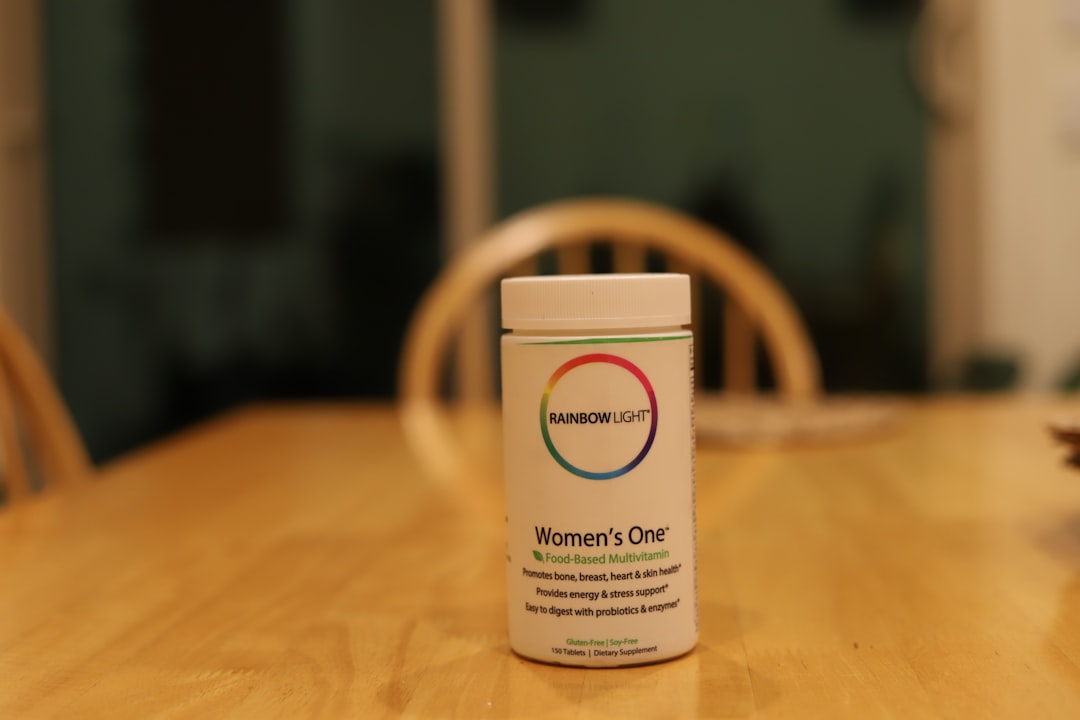
When it comes to dietary supplements, you may find yourself inundated with claims about their miraculous health benefits. However, a closer examination reveals a significant lack of robust scientific evidence supporting these assertions. Many supplements are marketed as panaceas for various ailments, yet rigorous clinical trials often fail to substantiate these claims.
You might be surprised to learn that the benefits touted by manufacturers are frequently based on anecdotal evidence or preliminary studies that lack the necessary rigor to draw definitive conclusions. This absence of solid evidence raises questions about the actual efficacy of these products. Moreover, the health benefits of supplements can vary widely from person to person, depending on individual health conditions, lifestyle choices, and dietary habits.
While some people may experience positive effects from certain supplements, this does not mean that they are universally beneficial. You should be cautious about relying on supplements as a primary means of improving your health, as the scientific community continues to call for more comprehensive research to validate the claims made by supplement manufacturers. In essence, the lack of conclusive evidence should prompt you to think critically about the role of supplements in your health regimen.
Key Takeaways
- Vitamin supplements often lack strong evidence supporting their health benefits.
- Overconsumption of certain vitamins can lead to harmful health effects.
- Supplements may not be effectively absorbed by the body, reducing their efficacy.
- Relying on supplements can create a false sense of security, neglecting a healthy diet.
- Consulting healthcare professionals is crucial due to risks of interactions and quality concerns.
Potential Harmful Effects on Health
While you may believe that taking dietary supplements is a harmless way to enhance your well-being, it’s essential to recognize that they can pose potential risks to your health. Some supplements contain ingredients that can lead to adverse reactions, especially when taken in excessive amounts or in combination with other substances. For instance, certain herbal supplements can interact negatively with prescription medications, leading to complications that could jeopardize your health.
You might not realize that just because a product is labeled as “natural,” it doesn’t mean it is safe for everyone. Additionally, some supplements can cause side effects ranging from mild gastrointestinal discomfort to severe allergic reactions. You may find it surprising that the very substances you take to improve your health could end up causing harm instead.
It’s crucial to be aware of these potential risks and to approach supplementation with caution. Understanding that not all supplements are created equal can help you make informed decisions about what you choose to put into your body.
Overdosing on Certain Vitamins

One of the most significant dangers associated with dietary supplements is the risk of overdosing on certain vitamins and minerals. You might think that more is better when it comes to nutrients, but this is not always the case. Fat-soluble vitamins like A, D, E, and K can accumulate in your body and lead to toxicity if consumed in excessive amounts.
For example, an overdose of vitamin A can result in serious health issues such as liver damage and neurological problems. It’s essential to understand that while vitamins are vital for your health, they can also be harmful when taken inappropriately. Moreover, the recommended daily allowances (RDAs) for vitamins and minerals are established based on extensive research and are designed to meet the needs of most individuals.
When you exceed these recommendations through supplementation, you may inadvertently put yourself at risk for adverse effects. It’s crucial to be mindful of your intake and consult with a healthcare professional before starting any new supplement regimen. By doing so, you can avoid the pitfalls of overdosing and ensure that you are supporting your health in a safe and effective manner.
Ineffective Absorption of Nutrients
| Metric | Description | Normal Range | Indicative Values for Ineffective Absorption |
|---|---|---|---|
| Serum Albumin | Protein level indicating nutritional status | 3.5 – 5.0 g/dL | < 3.5 g/dL |
| Serum Iron | Iron level in blood | 60 – 170 µg/dL | < 60 µg/dL |
| Vitamin B12 | Essential vitamin for red blood cell formation | 200 – 900 pg/mL | < 200 pg/mL |
| Folate | Vitamin important for DNA synthesis | 2.7 – 17.0 ng/mL | < 2.7 ng/mL |
| Calcium | Mineral important for bone health | 8.5 – 10.2 mg/dL | < 8.5 mg/dL |
| Fat in Stool (Steatorrhea) | Fat content in stool indicating malabsorption | < 7 g/day | > 7 g/day |
| Weight Loss | Unintentional weight loss over 6 months | 0 – 5% body weight | > 5% body weight |
Another critical aspect to consider when evaluating dietary supplements is the issue of nutrient absorption. Just because you take a supplement does not guarantee that your body will effectively absorb and utilize the nutrients it contains. Factors such as your digestive health, age, and even the presence of other foods in your stomach can influence how well your body absorbs these nutrients.
You may be surprised to learn that some supplements contain forms of vitamins and minerals that are not easily absorbed by the body, rendering them ineffective. Furthermore, certain dietary habits can hinder nutrient absorption. For instance, consuming calcium supplements alongside iron-rich foods can interfere with iron absorption.
This means that even if you are diligent about taking your supplements, you may not be reaping the full benefits if you are not mindful of how and when you take them. Understanding the complexities of nutrient absorption can help you make more informed choices about supplementation and ensure that you are maximizing the benefits of any vitamins or minerals you choose to incorporate into your diet.
False Sense of Security
Relying on dietary supplements can create a false sense of security regarding your overall health. You might feel reassured by taking a multivitamin or other supplements, believing that they will compensate for any deficiencies in your diet or lifestyle choices. However, this mindset can lead to complacency when it comes to making healthier food choices or engaging in regular physical activity.
You may find yourself thinking that popping a pill is enough to maintain good health, which can ultimately undermine your efforts to lead a balanced lifestyle. This false sense of security can also prevent you from seeking out necessary medical advice or interventions when needed. Instead of addressing underlying health issues through proper nutrition and lifestyle changes, you might rely solely on supplements as a quick fix.
It’s essential to recognize that while supplements can play a role in supporting your health, they should never replace the foundational elements of a healthy diet and active lifestyle. By understanding this distinction, you can take a more holistic approach to your well-being.
Unnecessary Expense
In today’s consumer-driven society, it’s easy to get caught up in the marketing hype surrounding dietary supplements. You may find yourself spending significant amounts of money on products that promise miraculous results but may not deliver any real benefits. The financial burden of purchasing these supplements can add up quickly, leading you to question whether they are truly worth the investment.
It’s important to evaluate whether the money spent on these products could be better allocated toward whole foods or other health-promoting activities. Moreover, many people fall into the trap of believing that more expensive supplements are inherently better or more effective than their cheaper counterparts. However, this is not always true; price does not necessarily equate to quality or efficacy.
By being discerning about your supplement choices and prioritizing whole foods over pills, you can save money while still supporting your health effectively.
Risk of Interactions with Medications
If you are currently taking prescription medications or over-the-counter drugs, it’s crucial to consider the potential interactions between these substances and any dietary supplements you may be using. Many people underestimate the impact that supplements can have on medication efficacy or safety. For instance, certain herbal supplements can enhance or inhibit the effects of medications, leading to unintended consequences for your health.
You may not realize that something as seemingly innocuous as a vitamin or herbal remedy could interfere with your prescribed treatment plan. It’s essential to communicate openly with your healthcare provider about any supplements you are taking or considering adding to your regimen. They can help you navigate potential interactions and ensure that your overall treatment plan remains safe and effective.
By being proactive about discussing your supplement use with a professional, you can minimize risks and make informed decisions about how best to support your health while managing any existing medical conditions.
Not a Replacement for a Healthy Diet
One of the most critical points to remember is that dietary supplements should never be viewed as a replacement for a healthy diet. While they may offer some benefits in specific situations—such as addressing deficiencies—they cannot replicate the complex array of nutrients found in whole foods. You might find it tempting to rely on supplements as a shortcut to good health, but this approach overlooks the importance of consuming a diverse range of fruits, vegetables, whole grains, lean proteins, and healthy fats.
A balanced diet provides not only essential vitamins and minerals but also fiber, antioxidants, and other compounds that work synergistically to promote optimal health. By focusing solely on supplementation, you risk missing out on these vital components that contribute to overall well-being. It’s essential to prioritize whole foods as the foundation of your nutrition while using supplements judiciously when necessary.
This balanced approach will help ensure that you are nourishing your body effectively and supporting long-term health.
Environmental Impact of Production and Packaging
In addition to personal health considerations, it’s important to think about the environmental impact associated with dietary supplement production and packaging. The manufacturing processes involved in creating these products often require significant resources and energy consumption, contributing to environmental degradation and pollution. You may not have considered how the production of vitamins and minerals affects our planet; however, it’s an important aspect of sustainability that deserves attention.
Furthermore, many supplements come in plastic packaging that contributes to waste accumulation in landfills and oceans. As consumers become increasingly aware of environmental issues, it’s essential to consider how our choices impact the planet. By prioritizing whole foods over packaged supplements whenever possible, you can reduce your ecological footprint while still supporting your health.
Making conscious decisions about what you consume can lead to positive changes for both your well-being and the environment.
Lack of Regulation and Quality Control
The dietary supplement industry is notoriously under-regulated compared to pharmaceuticals, which raises concerns about product quality and safety. You may be surprised to learn that manufacturers are not required to prove the efficacy or safety of their products before bringing them to market. This lack of oversight means that some supplements may contain inaccurate labeling or even harmful contaminants.
As a consumer, it’s crucial to be aware of this reality when considering which products to trust. Additionally, quality control measures vary widely among manufacturers; some may adhere to strict standards while others cut corners in production processes. This inconsistency makes it challenging for consumers like you to determine which products are genuinely safe and effective.
To mitigate these risks, look for third-party testing certifications or choose brands with a reputation for transparency and quality assurance. By being vigilant about product selection, you can better protect yourself from potential harm associated with poorly regulated supplements.
Importance of Consulting with a Healthcare Professional
Given the complexities surrounding dietary supplements and their potential impact on your health, consulting with a healthcare professional is paramount before starting any new regimen. Your doctor or a registered dietitian can provide personalized guidance based on your unique health needs and goals. They can help assess whether supplementation is necessary for you and recommend appropriate dosages if needed.
Moreover, healthcare professionals can assist in identifying any potential interactions between supplements and medications you may be taking while also addressing any underlying nutritional deficiencies through dietary changes rather than relying solely on pills. By seeking expert advice, you empower yourself with knowledge and support that can lead to better health outcomes in the long run. Remember that informed decisions are key when it comes to managing your well-being effectively; don’t hesitate to reach out for professional guidance on supplementation matters.
Many experts argue that a balanced diet can provide all the necessary nutrients without the need for additional pills. For more information on this topic, check out the article on senior health at Explore Senior Health.
FAQs
What are multivitamins?
Multivitamins are dietary supplements that contain a combination of vitamins, minerals, and other nutrients intended to provide nutritional support and fill potential gaps in a person’s diet.
Why do some experts suggest stopping multivitamin use?
Some experts recommend stopping multivitamins because research has shown that routine use may not provide significant health benefits for most people and, in some cases, could lead to excessive intake of certain nutrients, which might cause adverse effects.
Can taking multivitamins be harmful?
Yes, taking multivitamins in excessive amounts can lead to toxicity or interfere with the absorption of other nutrients. For example, too much vitamin A or iron can be harmful, especially if not medically indicated.
Do multivitamins prevent chronic diseases?
Current scientific evidence does not strongly support the use of multivitamins for preventing chronic diseases such as heart disease, cancer, or cognitive decline in the general population.
Who might still benefit from taking multivitamins?
Certain groups, such as pregnant women, older adults, people with specific nutrient deficiencies, or those with restricted diets, may benefit from multivitamin supplementation under medical guidance.
Is it better to get vitamins from food rather than supplements?
Yes, obtaining vitamins and minerals from a balanced diet rich in fruits, vegetables, whole grains, and lean proteins is generally preferred because foods provide a complex mix of nutrients and other beneficial compounds.
Should I consult a healthcare provider before stopping or starting multivitamins?
Absolutely. It is important to discuss any changes in supplement use with a healthcare professional to ensure your nutritional needs are met safely and effectively.