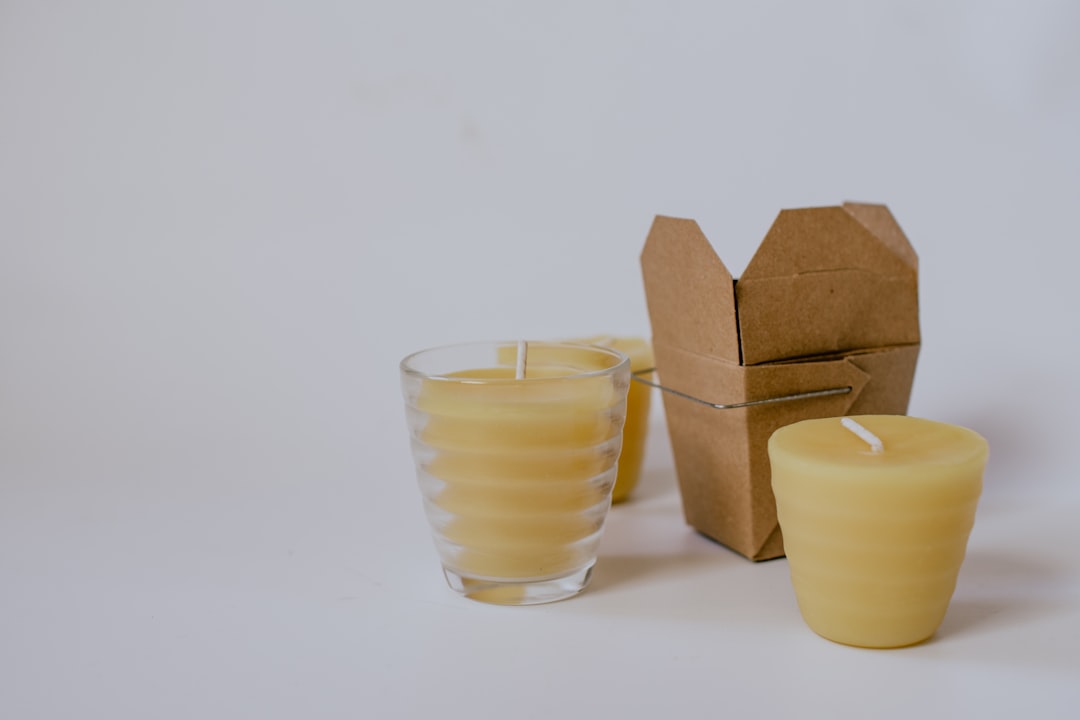
Scented product allergies are a growing concern in today’s society, where fragrances are ubiquitous in personal care items, cleaning supplies, and even household goods. You may not realize it, but the pleasant aromas that many people enjoy can trigger adverse reactions in others. These allergies can manifest in various ways, from mild irritations to severe health issues.
Understanding the nature of these allergies is crucial for both those who suffer from them and those who wish to create a more inclusive environment. As you navigate through life, you might encounter scented products in almost every aspect of your daily routine. From the laundry detergent you use to the air fresheners in public spaces, fragrances are often taken for granted.
However, for individuals with scented product allergies, these seemingly harmless scents can lead to significant discomfort and health complications. By raising awareness about this issue, you can help foster a more accommodating atmosphere for everyone.
Key Takeaways
- Scented products can trigger allergic reactions, affecting skin, respiratory system, and overall health.
- Common culprits include perfumes, air fresheners, cleaning agents, and personal care items.
- Allergies to scented products can significantly disrupt daily activities and workplace productivity.
- Managing scented product allergies involves creating scent-free zones and using fragrance-free alternatives.
- Legal regulations are evolving to protect individuals with scented product allergies and promote safer environments.
Common Scented Products that Cause Allergic Reactions
You may be surprised to learn that a wide array of scented products can trigger allergic reactions. Perfumes and colognes are perhaps the most obvious culprits, but they are far from the only offenders. Many personal care items, such as shampoos, lotions, and deodorants, contain synthetic fragrances that can provoke sensitivities.
Even seemingly innocuous products like soap or body wash can contain allergens that affect your skin or respiratory system. Household cleaning products also pose a significant risk. Many people rely on scented cleaners to make their homes smell fresh and inviting, but these products often contain harsh chemicals and fragrances that can lead to allergic reactions.
Air fresheners, candles, and incense are additional sources of potential allergens. If you are sensitive to scents, it is essential to be aware of the products you use and the environments you frequent.
Symptoms of Allergic Reactions to Scented Products

Recognizing the symptoms of allergic reactions to scented products is vital for managing your health. You might experience a range of symptoms, including skin irritations like rashes or hives, respiratory issues such as wheezing or shortness of breath, and even headaches or migraines. These reactions can vary in severity; while some individuals may only experience mild discomfort, others may face life-threatening situations.
In addition to physical symptoms, emotional responses can also arise from exposure to scented products. You may feel anxious or stressed when confronted with strong fragrances, especially if past experiences have led to severe reactions. Understanding these symptoms can empower you to take proactive measures in avoiding triggers and seeking appropriate medical advice when necessary.
The Impact of Scented Product Allergies on Daily Life
Living with scented product allergies can significantly impact your daily life. You may find yourself constantly on alert, scanning your surroundings for potential triggers. This heightened awareness can lead to social anxiety, as you might feel uncomfortable attending gatherings where fragrances are prevalent.
The fear of an allergic reaction can limit your participation in activities that others take for granted. Moreover, your choices in personal care and household products may become restricted.
This quest for safe products can be exhausting and frustrating, especially when many brands do not clearly disclose their ingredients. Ultimately, navigating a world filled with scents can feel isolating and overwhelming.
Workplace Challenges for Individuals with Scented Product Allergies
| Allergy Type | Common Scented Products | Symptoms | Prevalence (%) | Recommended Precautions |
|---|---|---|---|---|
| Fragrance Allergy | Perfumes, Lotions, Soaps | Skin rash, itching, redness | 10-15 | Use fragrance-free products, patch test new products |
| Contact Dermatitis | Detergents, Air fresheners, Candles | Blisters, swelling, dry skin | 5-7 | Avoid scented household products, wear gloves when handling |
| Respiratory Allergy | Perfumes, Cleaning sprays, Scented candles | Coughing, wheezing, nasal congestion | 8-12 | Use unscented or hypoallergenic products, ensure good ventilation |
| Asthma Trigger | Air fresheners, Perfumed detergents, Hair sprays | Shortness of breath, chest tightness | 6-9 | Avoid scented products, carry inhaler if prescribed |
The workplace presents unique challenges for individuals with scented product allergies. You may find that colleagues wear strong perfumes or use scented products in shared spaces, creating an uncomfortable environment for you.
In some cases, you might feel compelled to address the issue directly with coworkers or management. However, discussing allergies can be sensitive territory; not everyone understands the seriousness of scented product allergies. You may worry about being perceived as overly sensitive or difficult.
Finding a way to communicate your needs while fostering understanding among your peers is essential for creating a healthier workplace.
Strategies for Managing Scented Product Allergies in Public Spaces

Managing scented product allergies in public spaces requires a proactive approach. You might consider carrying an allergy action plan that outlines your triggers and symptoms, which can be helpful in emergencies. Informing friends and family about your allergies can also create a support network that helps you navigate social situations more comfortably.
When attending events or gatherings, you may want to arrive early to assess the environment before fully engaging with others. This strategy allows you to identify potential triggers and make informed decisions about your participation. Additionally, wearing a mask in crowded areas or using essential oils that you know are safe for you can provide some relief from overwhelming scents.
The Link Between Scented Product Allergies and Asthma
If you have asthma or respiratory issues, you may find that scented product allergies exacerbate your condition. The chemicals found in many fragrances can irritate your airways and trigger asthma attacks. Understanding this connection is crucial for managing both your allergies and asthma effectively.
You might consider consulting with a healthcare professional who specializes in allergies or respiratory health. They can provide tailored advice on how to minimize exposure to allergens while managing your asthma symptoms. By taking a comprehensive approach to your health, you can improve your quality of life and reduce the risk of severe reactions.
Potential Health Risks Associated with Scented Product Allergies
The health risks associated with scented product allergies extend beyond immediate allergic reactions. Long-term exposure to certain chemicals found in fragrances has been linked to various health issues, including hormonal disruptions and respiratory diseases. You may want to educate yourself about these risks to make informed choices about the products you use.
Additionally, some individuals may develop sensitivities over time due to repeated exposure to allergens. This phenomenon underscores the importance of being vigilant about the products you encounter daily. By prioritizing your health and well-being, you can mitigate potential risks associated with scented products.
The Environmental Impact of Scented Products
The environmental impact of scented products is another critical consideration. Many fragrances are derived from synthetic chemicals that contribute to pollution and environmental degradation. As you become more aware of your own allergies, it may also prompt you to think about the broader implications of using such products.
You might consider opting for eco-friendly alternatives that prioritize natural ingredients and sustainable practices. By making conscious choices about the products you use, you not only protect your health but also contribute positively to the environment. This dual focus on personal well-being and ecological responsibility can empower you to make meaningful changes in your life.
Legal and Regulatory Considerations for Scented Product Allergies
Legal and regulatory considerations surrounding scented product allergies are complex and often under-discussed. While some countries have implemented regulations regarding labeling and ingredient disclosure, many still lack comprehensive guidelines that protect individuals with allergies. You may find it frustrating that manufacturers are not always required to disclose all ingredients in their products.
Advocating for stronger regulations can be an essential step toward improving safety for those with scented product allergies. By joining forces with advocacy groups or participating in community discussions, you can raise awareness about this issue and push for change at local and national levels.
Tips for Creating a Scent-Free Environment
Creating a scent-free environment is essential for those who suffer from scented product allergies. You might start by communicating your needs with family members or roommates, encouraging them to use fragrance-free products whenever possible. Establishing clear guidelines about what is acceptable in shared spaces can foster understanding and cooperation.
In addition to personal discussions, consider implementing practical changes in your home or workplace. Using air purifiers can help reduce airborne allergens, while opting for unscented cleaning supplies can minimize exposure to harmful chemicals. By taking these steps, you create a healthier environment not only for yourself but also for others who may share similar sensitivities.
In conclusion, understanding scented product allergies is vital for fostering awareness and creating inclusive environments for those affected by them. By recognizing common triggers, symptoms, and strategies for managing these allergies, you empower yourself and others to navigate daily life more comfortably and safely.
For those concerned about allergies related to scented products, it’s important to stay informed about potential triggers and alternatives. A helpful resource on this topic can be found in the article on senior health, which discusses various aspects of managing allergies and sensitivities. You can read more about it [here](https://www.exploreseniorhealth.com/sample-page/).
WATCH THIS! 🫁 The Household “Fresh Scent” That Is Quietly Destroying Your Lungs and Memory
FAQs
What are scented products?
Scented products are items that contain fragrances or perfumes to provide a pleasant smell. These include perfumes, lotions, candles, air fresheners, cleaning products, and personal care items.
How can scented products cause allergies?
Scented products can cause allergies because they often contain chemicals and natural extracts that may trigger allergic reactions or sensitivities in some individuals. These reactions can include skin irritation, respiratory issues, or headaches.
What are common symptoms of allergies to scented products?
Common symptoms include sneezing, runny or stuffy nose, itchy or watery eyes, skin rashes or hives, headaches, and in some cases, asthma-like symptoms such as wheezing or shortness of breath.
Who is at risk of developing allergies to scented products?
People with a history of allergies, asthma, or chemical sensitivities are more likely to develop reactions to scented products. Children, elderly individuals, and those with compromised immune systems may also be more susceptible.
How can I identify if I am allergic to a scented product?
If you experience symptoms such as skin irritation, respiratory discomfort, or headaches after using or being near a scented product, you may be allergic. Patch testing by a healthcare professional can help confirm specific allergies.
Are natural fragrances safer than synthetic ones?
Not necessarily. Both natural and synthetic fragrances can cause allergic reactions. Natural essential oils may also contain allergens, so sensitivity depends on the individual and the specific ingredients.
How can I avoid allergic reactions to scented products?
To avoid reactions, use fragrance-free or hypoallergenic products, avoid strong perfumes and scented cleaning agents, ensure good ventilation, and read product labels carefully to identify potential allergens.
Can allergies to scented products be treated?
Yes, treatment may include avoiding the allergen, using antihistamines or corticosteroids for symptom relief, and consulting an allergist for personalized management strategies.
Are there regulations regarding allergens in scented products?
Yes, many countries require manufacturers to list certain fragrance allergens on product labels. Regulations vary but aim to inform consumers and reduce allergic reactions.
Is it possible to become allergic to a scented product after repeated exposure?
Yes, some individuals may develop sensitization and allergic reactions after repeated or prolonged exposure to certain fragrances or chemicals in scented products.