
When you step into a car that has been treated with an air freshener, you are often greeted by a wave of pleasant scents designed to mask odors and create a more enjoyable driving experience. However, what you may not realize is that these seemingly harmless products can contain a cocktail of chemicals that may pose risks to your health and the environment. As you navigate through the world of car air fresheners, it’s essential to understand what goes into these products and how they can affect you and your surroundings.
The convenience of air fresheners is undeniable; they offer an easy solution to unwanted smells. Yet, the very chemicals that provide these fragrances can have unintended consequences. In this article, we will delve into the common chemicals found in car air fresheners, the health risks associated with them, and explore safer alternatives.
By becoming informed, you can make better choices for your health and well-being.
Key Takeaways
- Car air fresheners contain various chemicals that can pose health risks, including respiratory issues and allergic reactions.
- Some chemicals in air fresheners are potentially carcinogenic, raising concerns about long-term exposure.
- These chemicals negatively impact indoor air quality and contribute to environmental pollution.
- The air freshener industry lacks strict regulation and transparency regarding chemical ingredients.
- Safer alternatives and practical tips exist to reduce exposure and promote healthier air freshener use.
Common Chemicals Found in Car Air Fresheners
Car air fresheners often contain a variety of synthetic chemicals designed to produce specific scents. Among the most common ingredients are phthalates, which are used to help fragrances last longer. These compounds are not only prevalent in air fresheners but are also found in many household products.
You might be surprised to learn that phthalates have been linked to hormonal disruptions and reproductive issues, raising concerns about their safety. Another common ingredient is formaldehyde, a known irritant that can cause discomfort when inhaled. While it may be present in small amounts, prolonged exposure can lead to more serious health issues.
Additionally, many air fresheners contain volatile organic compounds (VOCs), which can contribute to indoor air pollution. As you consider the implications of these chemicals, it becomes clear that the pleasant scent of your car may come at a cost.
Health Risks Associated with Car Freshener Chemicals
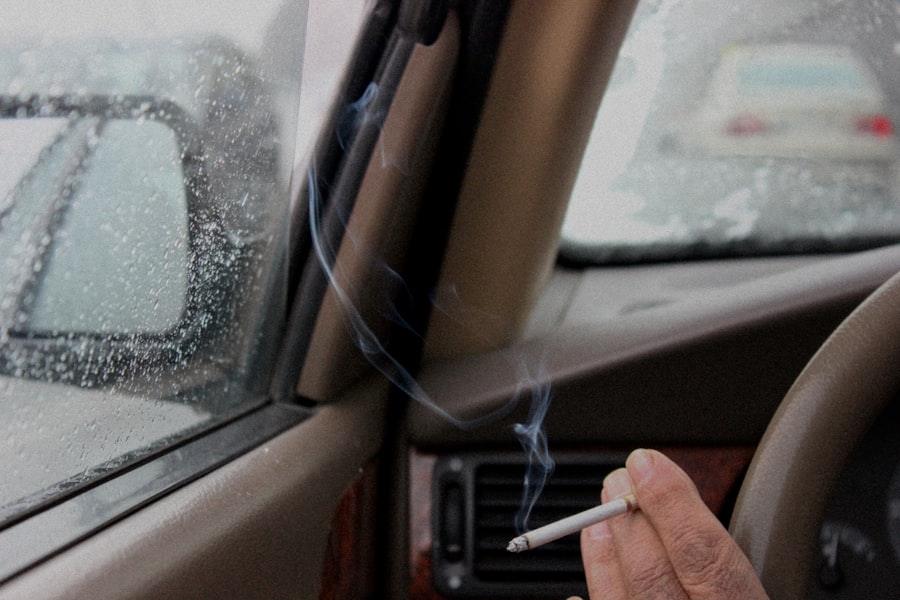
The health risks associated with the chemicals found in car air fresheners are a growing concern among health professionals and consumers alike. When you inhale the fragrances emitted from these products, you may be exposing yourself to harmful substances that can lead to various health issues. For instance, some studies suggest that long-term exposure to certain VOCs can result in neurological problems and respiratory complications.
Moreover, the cumulative effect of these chemicals can be particularly concerning. If you frequently use air fresheners in your car and at home, the levels of exposure can add up over time. This raises questions about the long-term safety of these products and whether they should be used at all.
As you become more aware of these risks, it’s essential to weigh the benefits of a pleasant-smelling environment against the potential health hazards.
Allergic Reactions and Respiratory Issues
Allergic reactions are another significant concern when it comes to car air fresheners. Many individuals may not realize that they are sensitive or allergic to certain fragrance components. Symptoms can range from mild irritation to severe respiratory distress, making it crucial for you to pay attention to how your body reacts after using these products.
If you find yourself sneezing, coughing, or experiencing headaches after using an air freshener, it may be time to reconsider your choice. Respiratory issues are particularly alarming, especially for those with pre-existing conditions such as asthma or chronic obstructive pulmonary disease (COPD). The chemicals released from air fresheners can exacerbate these conditions, leading to increased difficulty in breathing and overall discomfort.
As you navigate your options for keeping your car smelling fresh, it’s vital to consider how these products might impact your respiratory health.
Carcinogenic Effects of Air Freshener Chemicals
| Chemical Name | Common Use | Potential Health Effects | Typical Concentration (%) | Notes |
|---|---|---|---|---|
| Limonene | Fragrance (citrus scent) | Respiratory irritation, skin sensitization | 1-5 | Natural terpene found in citrus oils |
| Benzyl acetate | Fragrance (floral scent) | Eye and skin irritation | 0.5-3 | Commonly used in floral air fresheners |
| Phthalates (e.g., Diethyl phthalate) | Fragrance stabilizer | Endocrine disruption, reproductive toxicity | 0.1-2 | Used to prolong scent duration |
| Formaldehyde | Preservative, fragrance component | Carcinogenic, respiratory issues | <0.1 | Often present in trace amounts |
| Ethyl alcohol | Solvent | Flammable, respiratory irritation | 10-30 | Helps dissolve fragrance oils |
| Alpha-pinene | Fragrance (pine scent) | Respiratory irritation | 0.5-4 | Natural terpene from pine trees |
The potential carcinogenic effects of certain chemicals found in car air fresheners cannot be overlooked.
While the levels of these substances in air fresheners may be low, the cumulative exposure from various sources can pose a significant risk.
As you reflect on this information, it’s essential to consider the long-term implications of using these products regularly. The desire for a pleasant-smelling car should not come at the expense of your health. By understanding the potential risks associated with carcinogenic chemicals, you can make more informed decisions about the products you choose to use.
Impact on Indoor Air Quality

The impact of car air fresheners on indoor air quality is another critical aspect worth considering. When you use an air freshener in your vehicle, the chemicals released into the air can linger long after the product has been applied. This means that not only are you inhaling these substances while driving, but they can also affect the air quality within your home if you transport them inside.
Poor indoor air quality can lead to a range of health issues, including headaches, fatigue, and respiratory problems. As you think about how often you use air fresheners in your car and home, it’s essential to recognize that these products may contribute to a less healthy living environment. By being mindful of the impact on indoor air quality, you can take steps to improve your surroundings and prioritize your well-being.
Environmental Concerns
The environmental concerns associated with car air fresheners extend beyond personal health risks. Many of the chemicals used in these products are not biodegradable and can contribute to pollution when they are disposed of improperly. As you consider your environmental footprint, it’s important to recognize that every product you use has an impact on the planet.
Additionally, the production of synthetic fragrances often involves processes that release harmful emissions into the atmosphere. This contributes to climate change and other environmental issues that affect us all. By choosing more sustainable options for keeping your car smelling fresh, you can help reduce your environmental impact and promote a healthier planet for future generations.
Regulation and Lack of Transparency in Air Freshener Industry
One of the most troubling aspects of the car air freshener industry is the lack of regulation and transparency regarding chemical ingredients. Many manufacturers are not required to disclose all components used in their products, leaving consumers in the dark about what they are inhaling. This lack of transparency makes it challenging for you to make informed choices about which products are safe for use.
Furthermore, regulatory agencies often lag behind in addressing emerging concerns related to chemical safety. As new research emerges about the potential risks associated with certain substances, it becomes increasingly important for consumers like you to advocate for better regulations and demand transparency from manufacturers. By staying informed and pushing for change, you can help create a safer environment for yourself and others.
Safer Alternatives to Car Air Freshener Chemicals
Fortunately, there are safer alternatives available for those who want to keep their cars smelling fresh without exposing themselves to harmful chemicals. Natural options such as essential oils or homemade potpourri can provide pleasant scents without the risks associated with synthetic fragrances. You might consider using a few drops of lavender or lemon essential oil mixed with water in a spray bottle as a refreshing alternative.
Another option is using activated charcoal or baking soda as odor absorbers. These natural substances can effectively neutralize unwanted smells without releasing harmful chemicals into the air. By exploring these alternatives, you can enjoy a fragrant driving experience while prioritizing your health and well-being.
Tips for Reducing Exposure to Air Freshener Chemicals
Reducing your exposure to car air freshener chemicals doesn’t have to be complicated. Start by being mindful of how often you use these products and consider cutting back or eliminating them altogether. If you do choose to use an air freshener, opt for those labeled as “natural” or “free from harmful chemicals.” Always read labels carefully and research any unfamiliar ingredients before making a purchase.
Additionally, ensure proper ventilation in your vehicle by opening windows or using the air conditioning system effectively. This can help dilute any harmful substances present in the air and improve overall air quality inside your car.
Conclusion and Call to Action for Safer Air Freshener Practices
In conclusion, while car air fresheners may provide immediate gratification through pleasant scents, it’s crucial for you to consider the potential health risks associated with their chemical ingredients. From allergic reactions and respiratory issues to carcinogenic effects and environmental concerns, the implications are far-reaching. By becoming informed about what goes into these products and advocating for safer alternatives, you can take control of your health and well-being.
As consumers, we have the power to demand transparency from manufacturers and push for better regulations within the industry. By choosing safer alternatives and reducing our reliance on synthetic fragrances, we can create healthier environments for ourselves and future generations. It’s time to take action—make informed choices about car air fresheners today for a safer tomorrow.
Recent discussions around the safety of car air fresheners have highlighted concerns regarding the chemicals they contain and their potential health effects. For a deeper understanding of how these chemicals can impact health, you can read more in this related article on senior health: Exploring the Effects of Car Air Fresheners. This article provides valuable insights into the ingredients commonly found in air fresheners and their implications for well-being.
WATCH THIS! 🫁 The Household “Fresh Scent” That Is Quietly Destroying Your Lungs and Memory
FAQs
What chemicals are commonly found in car air fresheners?
Car air fresheners often contain chemicals such as phthalates, volatile organic compounds (VOCs) like limonene and benzene, formaldehyde, and synthetic fragrances. These compounds help create pleasant scents but may have varying health impacts.
Are car air freshener chemicals harmful to health?
Some chemicals in car air fresheners, particularly VOCs and phthalates, can cause respiratory irritation, headaches, or allergic reactions in sensitive individuals. Prolonged exposure to certain chemicals may pose more significant health risks, but typical use in well-ventilated areas is generally considered low risk.
Do car air fresheners release volatile organic compounds (VOCs)?
Yes, many car air fresheners release VOCs as part of their scent delivery. VOCs can contribute to indoor air pollution and may cause short-term symptoms like eye or throat irritation.
Can car air freshener chemicals affect indoor air quality?
Yes, the chemicals emitted by car air fresheners can reduce indoor air quality by increasing levels of VOCs and other pollutants inside the vehicle, especially in enclosed spaces with limited ventilation.
Are natural or organic car air fresheners safer than synthetic ones?
Natural or organic car air fresheners typically use plant-based essential oils and fewer synthetic chemicals, which may reduce exposure to harmful compounds. However, natural fragrances can still cause allergic reactions in some people.
How can I minimize exposure to harmful chemicals from car air fresheners?
To reduce exposure, use air fresheners sparingly, choose products with fewer synthetic chemicals, ensure good ventilation in the vehicle, and consider natural alternatives like activated charcoal or baking soda for odor control.
Do all car air fresheners contain the same chemicals?
No, the chemical composition varies widely depending on the brand, type (spray, gel, vent clip), and fragrance formulation. Always check product labels or safety data sheets for specific chemical information.
Is it safe to use car air fresheners around children and pets?
Some chemicals in car air fresheners may be more harmful to children and pets due to their smaller size and developing respiratory systems. It is advisable to use such products cautiously and opt for non-toxic or natural alternatives when possible.