
Monitoring your blood pressure is crucial for maintaining overall health and well-being. High blood pressure, or hypertension, often goes unnoticed because it typically presents no symptoms. Regular monitoring allows you to catch any potential issues early, enabling you to take proactive steps to manage your health.
By keeping track of your blood pressure readings, you can identify patterns and triggers that may contribute to fluctuations, empowering you to make informed decisions about your lifestyle and treatment options. Moreover, understanding your blood pressure levels can help you engage in meaningful conversations with your healthcare provider. When you are aware of your numbers, you can better advocate for yourself and participate in discussions about your health.
This knowledge not only fosters a sense of control over your well-being but also encourages a collaborative approach to managing your blood pressure. In essence, monitoring your blood pressure is not just about numbers; it’s about taking charge of your health journey.
Key Takeaways
- Regular blood pressure monitoring is crucial for effective management and prevention of complications.
- Traditional advice often emphasizes medication but may overlook lifestyle and individualized treatment needs.
- Over-reliance on medication can lead to risks such as overmedication and side effects.
- Lifestyle changes and holistic approaches play a vital role in maintaining healthy blood pressure.
- Patient education and personalized care plans are essential for comprehensive and effective blood pressure management.
Common Doctor’s Advice for Blood Pressure Management
When it comes to managing blood pressure, doctors often recommend a combination of lifestyle changes and medication. You may hear advice about reducing salt intake, increasing physical activity, and maintaining a healthy weight. These recommendations are grounded in research and aim to address the root causes of hypertension.
By following these guidelines, you can significantly lower your risk of heart disease and stroke, which are common complications associated with high blood pressure. In addition to lifestyle modifications, your doctor may prescribe medications to help control your blood pressure. These medications can be effective in managing hypertension, especially when lifestyle changes alone are insufficient.
However, it’s essential to understand that medication is often just one piece of the puzzle. Your doctor may emphasize the importance of regular follow-ups to monitor your progress and adjust your treatment plan as needed. This ongoing dialogue is vital for ensuring that you remain on the right track toward achieving optimal blood pressure levels.
The Limitations of Traditional Blood Pressure Advice

While traditional advice from healthcare providers is valuable, it often comes with limitations. Many doctors tend to focus on generalized recommendations that may not take into account your unique circumstances. For instance, the standard advice to reduce sodium intake may not be suitable for everyone, especially if you have specific dietary needs or preferences.
This one-size-fits-all approach can lead to frustration and confusion as you try to navigate the complexities of managing your blood pressure. Additionally, traditional advice may overlook the psychological aspects of hypertension management. Stress and mental health play significant roles in blood pressure regulation, yet they are often not addressed in standard treatment plans.
You might find that simply following dietary guidelines or taking medication isn’t enough if underlying stressors remain unacknowledged. Recognizing these limitations is the first step toward seeking a more personalized approach to blood pressure management.
The Flaw in Doctor’s Blood Pressure Advice
One significant flaw in conventional blood pressure advice is the tendency to prioritize immediate results over long-term health outcomes. Many healthcare providers focus on achieving target blood pressure numbers quickly, often leading to aggressive treatment strategies that may not be sustainable in the long run. This approach can create a cycle of dependency on medications without addressing the underlying lifestyle factors contributing to hypertension.
Furthermore, this emphasis on numbers can lead to a lack of attention to the individual’s overall health and well-being. You may feel pressured to achieve specific targets without considering how those targets align with your personal health goals or lifestyle preferences. This disconnect can result in feelings of frustration or defeat when you struggle to meet these expectations.
The Impact of Over-Reliance on Medication
| Metric | Common Doctor Advice | Criticism / Why It May Be Wrong | Supporting Data / Studies |
|---|---|---|---|
| Target Blood Pressure Levels | Maintain BP below 120/80 mmHg | Some studies suggest overly aggressive lowering can cause dizziness, falls, and kidney issues | SPRINT Trial showed benefits but also increased adverse events in some patients |
| Medication Prescription | Start medication immediately for mild hypertension | Lifestyle changes alone can be effective; early medication may cause unnecessary side effects | Meta-analyses indicate lifestyle interventions reduce BP significantly without drugs |
| Salt Intake Advice | Strictly limit salt to very low levels | Excessive salt restriction may not benefit all and can lead to other health issues | Some population studies show low salt intake linked to increased insulin resistance |
| One-Size-Fits-All Approach | Same BP targets and treatments for all patients | Individual variability means personalized treatment is more effective | Guidelines now emphasize personalized care based on age, comorbidities |
| Ignoring White Coat Hypertension | Diagnose and treat based on office BP readings only | White coat effect can lead to overdiagnosis and overtreatment | Ambulatory BP monitoring recommended to confirm diagnosis |
Over-reliance on medication can have several negative consequences for individuals managing high blood pressure.
You may find yourself becoming dependent on these drugs without making necessary lifestyle changes that could improve your overall health.
This reliance can lead to a false sense of security, where you believe that taking medication alone is sufficient for managing your condition. Moreover, over-reliance on medication can mask underlying issues that contribute to high blood pressure. If you are not addressing factors such as diet, exercise, and stress management, you may continue to experience fluctuations in your blood pressure despite being on medication.
This situation can create a cycle where adjustments to medication become necessary without ever addressing the root causes of hypertension. Recognizing the importance of a holistic approach is vital for breaking this cycle and achieving lasting results.
The Role of Lifestyle Changes in Blood Pressure Management
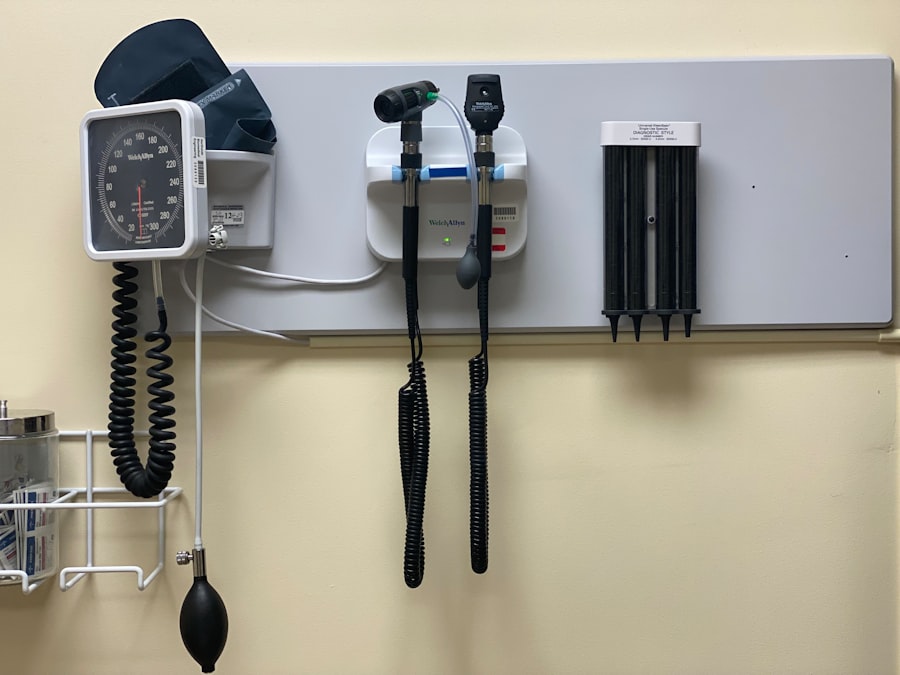
Lifestyle changes play a pivotal role in managing blood pressure effectively. You have the power to influence your health through daily choices related to diet, exercise, and stress management. For instance, adopting a heart-healthy diet rich in fruits, vegetables, whole grains, and lean proteins can significantly impact your blood pressure levels.
Reducing processed foods and added sugars can also contribute to better overall health. Incorporating regular physical activity into your routine is another essential component of blood pressure management. Engaging in activities you enjoy—whether it’s walking, swimming, or dancing—can help lower your blood pressure while also improving your mood and overall well-being.
Additionally, finding effective ways to manage stress, such as practicing mindfulness or engaging in hobbies, can further support your efforts in maintaining healthy blood pressure levels. By embracing these lifestyle changes, you can take an active role in managing your health.
The Need for Individualized Treatment Plans
Every individual is unique, and so are their experiences with hypertension. This reality underscores the need for individualized treatment plans tailored specifically to your circumstances. A one-size-fits-all approach may not address the nuances of your health history, lifestyle choices, and personal preferences.
Collaborating with your healthcare provider to develop a customized plan can lead to more effective management of your blood pressure. An individualized treatment plan should consider various factors, including age, gender, family history, and existing medical conditions. By taking these elements into account, you and your healthcare provider can create a comprehensive strategy that aligns with your goals and values.
This personalized approach not only enhances the likelihood of success but also fosters a sense of ownership over your health journey.
The Potential Risks of Overmedication
While medications can be beneficial for managing high blood pressure, there are potential risks associated with overmedication that should not be overlooked. Taking multiple medications can lead to adverse side effects and interactions that may complicate your health further. You might experience symptoms such as dizziness, fatigue, or gastrointestinal issues as a result of polypharmacy—taking several medications simultaneously.
Additionally, overmedication can create a false sense of security where you believe that simply taking pills will resolve all issues related to hypertension. This mindset can deter you from making necessary lifestyle changes that could improve your overall health and well-being. It’s essential to have open discussions with your healthcare provider about the risks associated with overmedication and explore alternative strategies for managing your blood pressure effectively.
The Importance of Holistic Approaches to Blood Pressure Management
A holistic approach to blood pressure management considers the whole person rather than just focusing on numbers or medications. This perspective recognizes that various factors—physical, emotional, and social—contribute to overall health and well-being. By addressing these interconnected aspects of life, you can create a more comprehensive strategy for managing hypertension.
Incorporating practices such as mindfulness meditation, yoga, or even engaging in social activities can enhance your overall quality of life while positively impacting your blood pressure levels. These holistic strategies promote relaxation and stress reduction, which are crucial for maintaining healthy blood pressure levels. By embracing a more rounded approach to health management, you empower yourself to take control of your well-being.
The Role of Patient Education in Blood Pressure Management
Patient education is a vital component of effective blood pressure management. When you are informed about hypertension—its causes, consequences, and treatment options—you are better equipped to make decisions about your health. Understanding how lifestyle choices impact blood pressure allows you to take proactive steps toward improvement.
Moreover, education fosters open communication between you and your healthcare provider. When you have questions or concerns about your treatment plan or lifestyle changes, being educated enables you to engage in meaningful discussions with your provider. This collaborative relationship enhances trust and ensures that both parties are aligned in their goals for managing hypertension effectively.
Moving Towards a More Comprehensive Approach to Blood Pressure Management
As awareness grows regarding the complexities of hypertension management, there is a shift toward more comprehensive approaches that prioritize individualized care and holistic strategies. You have the opportunity to advocate for yourself by seeking out healthcare providers who embrace this philosophy and are willing to work collaboratively with you on your health journey. By moving towards a more comprehensive approach that integrates lifestyle changes, patient education, and individualized treatment plans, you can take significant strides toward achieving optimal blood pressure control.
Embracing this paradigm shift not only empowers you but also contributes to better long-term health outcomes for individuals living with hypertension. Ultimately, the goal is not just to lower numbers but to enhance overall quality of life through informed choices and proactive management strategies.
Many individuals have long relied on their doctors’ advice regarding blood pressure management, but recent discussions suggest that this guidance may not always be accurate. For a deeper understanding of this topic, you can explore the article on senior health that delves into common misconceptions about blood pressure recommendations. Check it out here: Explore Senior Health.
FAQs
Why do some people believe doctors’ blood pressure advice is wrong?
Some individuals feel that standard medical advice on blood pressure may not apply to everyone due to variations in individual health conditions, lifestyle, and genetics. Additionally, evolving research sometimes challenges previous guidelines, leading to differing opinions.
Is it true that all doctors give the same blood pressure advice?
No, doctors may provide different recommendations based on a patient’s unique health profile, risk factors, and the latest clinical guidelines. Blood pressure management is often personalized.
Can lifestyle changes alone effectively manage high blood pressure?
For many people, lifestyle changes such as diet, exercise, reducing salt intake, and managing stress can significantly lower blood pressure. However, some patients may still require medication depending on the severity of their condition.
Are blood pressure guidelines frequently updated?
Yes, blood pressure guidelines are periodically reviewed and updated by health organizations as new research emerges, which can lead to changes in recommended target levels and treatment approaches.
Should patients question their doctor’s blood pressure advice?
Patients are encouraged to discuss any concerns or questions with their healthcare provider. Open communication helps ensure that treatment plans are tailored and based on the most current evidence.
Can incorrect blood pressure advice be harmful?
Yes, inappropriate management of blood pressure—either overtreatment or undertreatment—can lead to health risks such as heart disease, stroke, or kidney problems. It is important to follow professional medical guidance.
What role does self-monitoring play in managing blood pressure?
Self-monitoring can help patients track their blood pressure regularly, providing valuable information to their healthcare provider and aiding in more accurate diagnosis and treatment adjustments.
Are there alternative approaches to managing blood pressure besides medication?
Yes, alternatives include lifestyle modifications, stress reduction techniques, and in some cases, complementary therapies. However, these should be discussed with a healthcare professional to ensure safety and effectiveness.