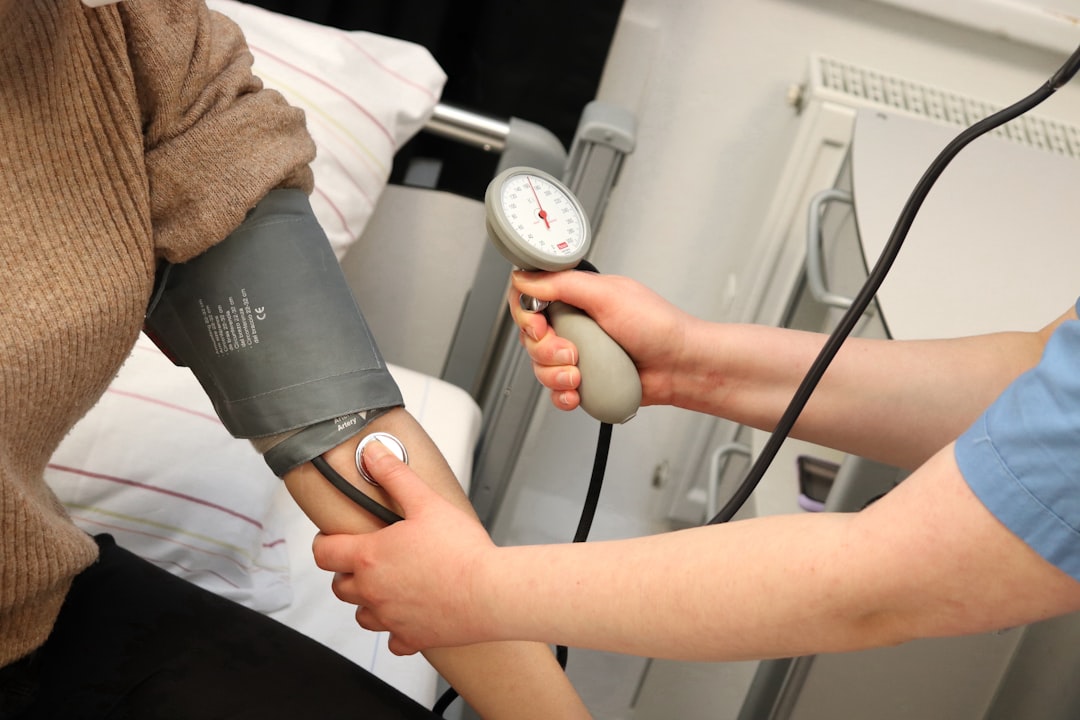
In recent years, the management of hypertension has undergone significant changes. Healthcare professionals are now recommending more intensive treatment approaches targeting lower blood pressure levels. This change is based on substantial research evidence indicating that more aggressive management strategies can improve outcomes for patients at risk of cardiovascular complications.
The primary objective is to decrease the occurrence of heart attacks, strokes, and other hypertension-related complications that affect a substantial portion of the global population. Despite the documented benefits of intensive blood pressure management, it is important to acknowledge potential adverse effects. The medications prescribed to achieve lower blood pressure targets may cause various side effects and carry certain risks.
Understanding these potential complications is essential for patients to make well-informed decisions regarding their treatment plans. This article examines the range of side effects associated with aggressive antihypertensive therapy and their potential impact on patients’ quality of life.
Key Takeaways
- Aggressive blood pressure treatment can lead to side effects such as hypotension, dizziness, and electrolyte imbalances.
- There is an increased risk of kidney function impairment and adverse cardiovascular events with intensive medication use.
- Patients may experience a higher likelihood of falls, fractures, and cognitive function decline.
- Drug interactions are a significant concern when managing aggressive blood pressure therapy.
- Balancing the benefits and risks is crucial to maintaining quality of life in patients undergoing aggressive blood pressure treatment.
Potential Side Effects of Aggressive Blood Pressure Medications
When you embark on a treatment plan for high blood pressure, it is vital to be aware of the potential side effects that may accompany aggressive medication regimens. These medications, which can include diuretics, ACE inhibitors, beta-blockers, and calcium channel blockers, are designed to lower your blood pressure effectively. However, they can also lead to a variety of adverse reactions that may affect your daily life.
For instance, some individuals experience fatigue, headaches, or gastrointestinal issues as a result of their medication. Moreover, the side effects can vary significantly from person to person. While one individual may tolerate a particular medication well, another may find it intolerable.
This variability underscores the importance of regular communication with your healthcare provider. You should feel empowered to discuss any side effects you experience and work together to find a treatment plan that minimizes discomfort while effectively managing your blood pressure.
Increased Risk of Hypotension and Dizziness

One of the most concerning side effects of aggressive blood pressure treatment is the increased risk of hypotension, or abnormally low blood pressure. When your blood pressure drops too low, you may experience symptoms such as dizziness, lightheadedness, or even fainting. This can be particularly problematic when you are standing up quickly or engaging in physical activity.
The sensation of dizziness can be disorienting and may lead to falls or accidents, which can have serious consequences. You might find that certain medications are more likely to cause hypotension than others. For example, diuretics can lead to excessive fluid loss, resulting in lower blood volume and subsequently lower blood pressure.
If you notice that you are frequently feeling dizzy or lightheaded after starting a new medication, it is crucial to bring this to your doctor’s attention. They may need to adjust your dosage or consider alternative treatments to help mitigate these risks.
Impact on Kidney Function
Another significant concern associated with aggressive blood pressure treatment is its potential impact on kidney function. Your kidneys play a vital role in regulating blood pressure and filtering waste from your body. Some medications used in aggressive treatment plans can affect kidney function by altering blood flow or causing dehydration.
If you have pre-existing kidney issues or are at risk for kidney disease, this is an especially important consideration. Monitoring your kidney function through regular blood tests is essential when undergoing aggressive treatment for high blood pressure. You should be proactive in discussing any concerns with your healthcare provider, especially if you notice changes in urination patterns or experience swelling in your legs or ankles.
By staying vigilant and maintaining open communication with your doctor, you can help ensure that your treatment plan supports both your blood pressure management and overall kidney health.
Potential for Electrolyte Imbalance
| Risk | Description | Potential Consequences | Incidence Rate |
|---|---|---|---|
| Hypotension | Excessively low blood pressure due to aggressive medication | Dizziness, fainting, falls, organ hypoperfusion | 10-15% |
| Electrolyte Imbalance | Disturbances in potassium, sodium, or magnesium levels | Arrhythmias, muscle weakness, cramps | 5-10% |
| Acute Kidney Injury | Reduced kidney perfusion from low blood pressure | Temporary or permanent kidney damage | 3-7% |
| Orthostatic Hypotension | Drop in blood pressure upon standing | Falls, syncope, injury | 8-12% |
| Fatigue and Weakness | Generalized tiredness from low blood pressure | Reduced quality of life, decreased activity | 15-20% |
| Medication Side Effects | Adverse reactions to antihypertensive drugs | Cough, swelling, rash, gastrointestinal issues | Varies by medication |
Electrolyte imbalances are another potential side effect of aggressive blood pressure medications that you should be aware of. Medications such as diuretics can lead to the loss of essential electrolytes like potassium and sodium through increased urination. An imbalance in these electrolytes can result in symptoms such as muscle cramps, weakness, or irregular heart rhythms.
If left unaddressed, these imbalances can have serious health implications. To mitigate the risk of electrolyte imbalances, it is essential to maintain a balanced diet rich in fruits and vegetables that provide necessary nutrients. Additionally, your healthcare provider may recommend regular blood tests to monitor your electrolyte levels while on medication.
If you experience symptoms suggestive of an imbalance, such as unusual fatigue or muscle spasms, do not hesitate to reach out to your doctor for guidance.
Risk of Falls and Fractures
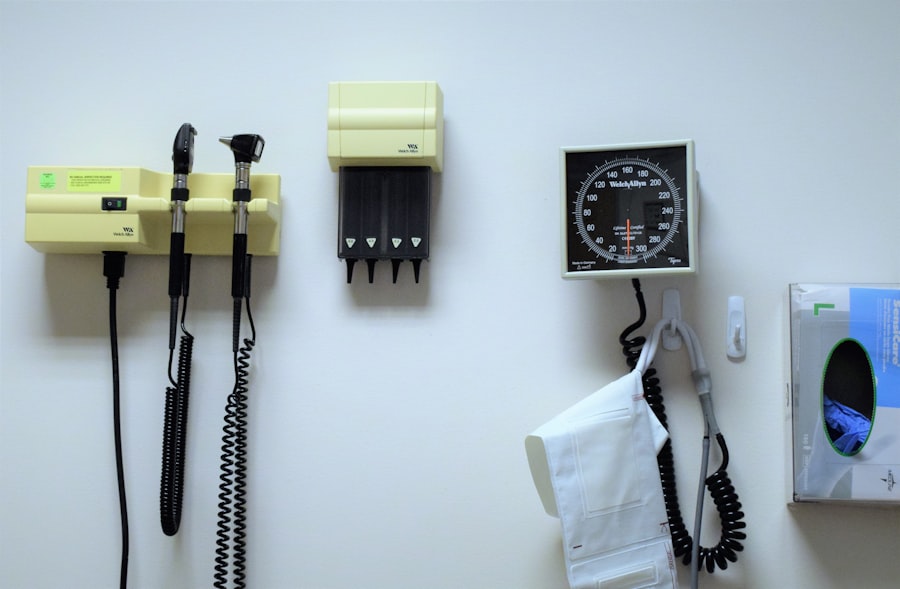
The risk of falls and fractures is a significant concern for individuals undergoing aggressive blood pressure treatment, particularly among older adults. As mentioned earlier, medications that lower blood pressure can lead to dizziness and lightheadedness, increasing the likelihood of falls. A fall can result in serious injuries such as fractures or head trauma, which can have long-lasting effects on mobility and independence.
To reduce the risk of falls while on aggressive blood pressure treatment, consider making modifications in your home environment. Simple changes like removing tripping hazards, ensuring adequate lighting, and using assistive devices can make a significant difference in maintaining safety. Additionally, engaging in balance and strength training exercises can help improve stability and reduce the risk of falls over time.
Impact on Cognitive Function
Cognitive function is another area that may be affected by aggressive blood pressure treatment. Some studies suggest that certain antihypertensive medications could potentially impact memory and cognitive abilities. You might find it concerning if you notice changes in your ability to concentrate or remember things while on medication.
While the relationship between blood pressure management and cognitive function is complex, it is essential to remain vigilant about any cognitive changes you experience. If you have concerns about how your medication may be affecting your cognitive function, it is crucial to discuss this with your healthcare provider. They may recommend adjustments to your treatment plan or suggest alternative medications that have a more favorable profile regarding cognitive effects.
Staying informed about potential side effects will empower you to advocate for your health effectively.
Potential for Drug Interactions
As you navigate the complexities of managing high blood pressure, it is essential to be aware of potential drug interactions that may arise from aggressive treatment regimens. Many individuals take multiple medications for various health conditions, and combining certain drugs can lead to adverse effects or diminished efficacy. For instance, some antihypertensive medications may interact with over-the-counter pain relievers or supplements you might be taking.
To minimize the risk of drug interactions, maintain an updated list of all medications and supplements you are currently using and share this information with your healthcare provider during appointments. They can help identify any potential interactions and adjust your treatment plan accordingly. Being proactive about medication management will help ensure that you receive safe and effective care.
Increased Risk of Adverse Cardiovascular Events
While aggressive blood pressure treatment aims to reduce cardiovascular risks, paradoxically, it may also increase the risk of adverse cardiovascular events in some individuals. For example, overly aggressive lowering of blood pressure can lead to inadequate perfusion of vital organs or exacerbate underlying conditions such as coronary artery disease. This highlights the importance of finding a balance between achieving optimal blood pressure levels and avoiding excessive treatment.
They will assess not only your blood pressure readings but also other factors such as heart rate and overall cardiovascular function. By working closely with your doctor, you can ensure that your treatment plan remains effective without inadvertently increasing your risk for adverse events.
Impact on Quality of Life
The impact of aggressive blood pressure treatment on your quality of life cannot be overlooked. While managing hypertension is essential for long-term health, the side effects associated with aggressive medication regimens can significantly affect daily living. You may find yourself dealing with fatigue, dizziness, or other symptoms that interfere with work, social activities, or family life.
It is essential to communicate openly with your healthcare provider about how your treatment plan affects your quality of life. They may be able to adjust dosages or explore alternative therapies that provide effective blood pressure control while minimizing side effects. Remember that managing high blood pressure should not come at the expense of enjoying a fulfilling life; finding the right balance is key.
Balancing the Risks and Benefits of Aggressive Blood Pressure Treatment
In conclusion, while aggressive blood pressure treatment has the potential to significantly reduce cardiovascular risks and improve health outcomes, it is essential to weigh these benefits against the potential side effects and risks associated with such an approach. You must remain informed about how these medications can impact various aspects of your health—from kidney function and electrolyte balance to cognitive abilities and overall quality of life. By maintaining open communication with your healthcare provider and actively participating in discussions about your treatment plan, you can work together to find an approach that effectively manages your blood pressure while minimizing adverse effects.
Ultimately, achieving optimal health requires a careful balance between aggressive treatment strategies and a holistic understanding of how those strategies affect your overall well-being.
For a deeper understanding of these concerns, you can refer to a related article that explores the implications of intensive blood pressure management. This article provides valuable insights into the balance between treatment efficacy and patient safety. To read more, visit this article.
FAQs
What is aggressive blood pressure treatment?
Aggressive blood pressure treatment refers to the practice of lowering blood pressure to targets that are significantly below the standard recommended levels, often through intensive medication regimens.
What are the potential risks of aggressive blood pressure treatment?
Potential risks include dizziness, fainting, electrolyte imbalances, kidney damage, and an increased risk of falls, especially in older adults.
Who might be at higher risk when undergoing aggressive blood pressure treatment?
Older adults, people with existing kidney problems, those with a history of falls or fainting, and individuals with multiple medications may be at higher risk.
Why is it important to balance blood pressure treatment intensity?
Balancing treatment intensity helps to reduce the risk of cardiovascular events while minimizing adverse effects and complications from overly aggressive lowering of blood pressure.
How do doctors determine the appropriate blood pressure target for a patient?
Doctors consider factors such as age, overall health, presence of other medical conditions, and risk of side effects to set individualized blood pressure targets.
Can aggressive blood pressure treatment prevent heart attacks and strokes?
While lowering blood pressure reduces the risk of heart attacks and strokes, overly aggressive treatment may not provide additional benefits and can increase the risk of adverse events.
What symptoms should patients watch for during aggressive blood pressure treatment?
Patients should monitor for symptoms like dizziness, lightheadedness, fainting, fatigue, or unusual weakness and report these to their healthcare provider.
Is aggressive blood pressure treatment recommended for everyone with high blood pressure?
No, aggressive treatment is not suitable for everyone and should be personalized based on individual risk factors and health status.
How can patients discuss blood pressure treatment risks with their healthcare provider?
Patients should openly communicate their symptoms, concerns, and treatment goals to work with their provider to find the safest and most effective blood pressure management plan.