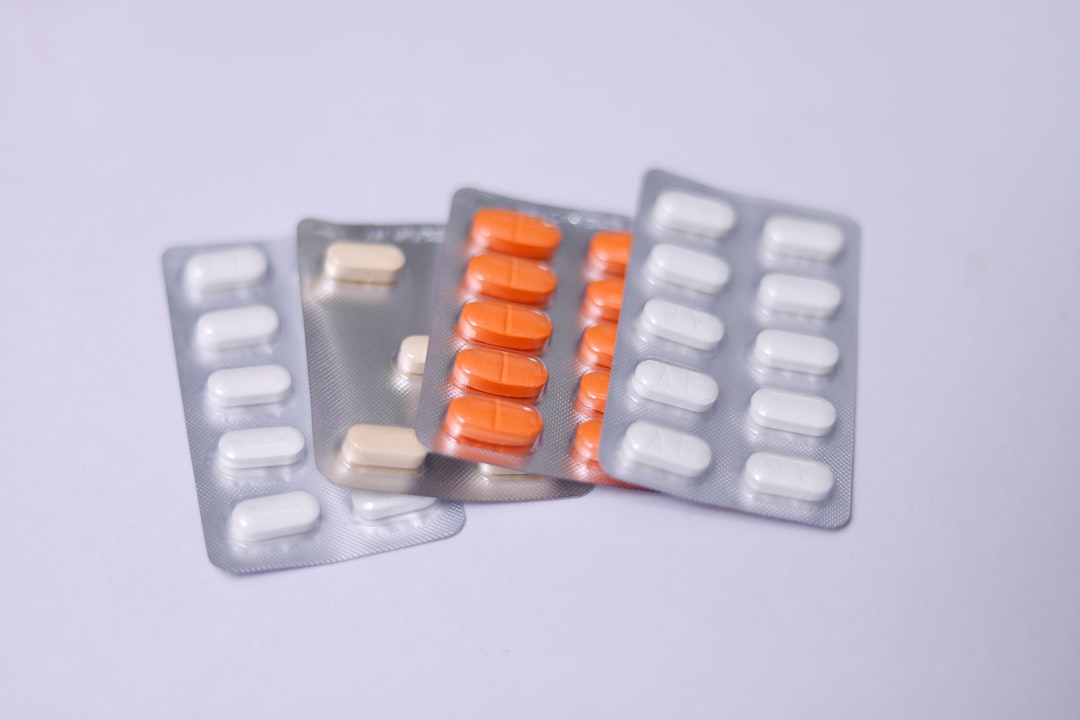
Thiazide diuretics are medications primarily used to treat hypertension and edema. These drugs function by enhancing sodium and water excretion through renal mechanisms, effectively reducing blood pressure and alleviating fluid accumulation. Their established efficacy has made them fundamental components of hypertension management protocols for many years, with particular relevance in geriatric medicine.
In elderly populations, blood pressure control is critical for preventing cardiovascular complications including myocardial infarction and cerebrovascular events. Thiazide diuretics provide both antihypertensive effects and additional clinical benefits specific to older adults. This medication class requires careful consideration regarding mechanism of action, therapeutic advantages, adverse effect profiles, and special precautions necessary when prescribed to geriatric patients.
Key Takeaways
- Thiazide diuretics effectively manage hypertension and fluid retention, especially beneficial for seniors.
- They work by promoting sodium and water excretion, reducing blood volume and pressure.
- While generally safe for older adults, monitoring for side effects like electrolyte imbalances is essential.
- Seniors with coexisting conditions require careful dosage adjustments and awareness of drug interactions.
- Alternative treatments exist, but thiazide diuretics remain a commonly recommended option for elderly patients.
How Thiazide Diuretics Work
Thiazide diuretics primarily function by inhibiting sodium reabsorption in the distal convoluted tubule of the nephron, which is a part of the kidney. When you take a thiazide diuretic, it blocks the sodium-chloride symporter, leading to increased sodium and water excretion. This process not only reduces blood volume but also decreases the workload on your heart, ultimately lowering blood pressure.
The mechanism is relatively straightforward, yet its impact on your cardiovascular health can be profound. Moreover, thiazide diuretics can also lead to a reduction in peripheral vascular resistance over time. This means that as your body adjusts to the medication, your blood vessels may become more relaxed and less constricted, further aiding in blood pressure control.
The dual action of reducing blood volume and improving vascular function makes thiazide diuretics a powerful tool in managing hypertension, especially for seniors who may have multiple health concerns.
Benefits of Thiazide Diuretics for Seniors

One of the primary benefits of thiazide diuretics for seniors is their ability to effectively lower blood pressure. High blood pressure is a common issue among older adults, and controlling it can significantly reduce the risk of heart attacks and strokes. By incorporating thiazide diuretics into your treatment plan, you may experience not only lower blood pressure but also an overall improvement in your quality of life.
Many seniors report feeling more energetic and less fatigued once their blood pressure is under control. In addition to managing hypertension, thiazide diuretics can also help with fluid retention, a condition that can lead to swelling in the legs and ankles. This is particularly beneficial for seniors who may have heart failure or other conditions that cause fluid buildup.
By alleviating these symptoms, thiazide diuretics can enhance mobility and comfort, allowing you to engage more fully in daily activities and maintain independence.
Safety and Efficacy of Thiazide Diuretics in Older Adults
When considering thiazide diuretics for older adults, safety and efficacy are paramount. Research has shown that these medications are generally safe for seniors when prescribed appropriately. They have been extensively studied in various populations, including older adults, demonstrating their effectiveness in lowering blood pressure without significant adverse effects.
However, it is essential to monitor your health closely while on these medications, as older adults may be more susceptible to certain side effects. Efficacy is another critical factor; thiazide diuretics have been proven to reduce cardiovascular events in older adults with hypertension. Clinical trials have consistently shown that these medications can lead to significant reductions in stroke and heart attack rates among seniors.
This evidence underscores the importance of thiazide diuretics as a first-line treatment option for managing high blood pressure in older populations.
Common Side Effects of Thiazide Diuretics
| Metric | Value/Description | Notes |
|---|---|---|
| Common Thiazide Diuretics | Hydrochlorothiazide, Chlorthalidone, Indapamide | Frequently prescribed for hypertension in seniors |
| Typical Dosage Range | 12.5 mg to 25 mg daily | Lower doses preferred to reduce side effects in elderly |
| Effect on Blood Pressure | Reduction of systolic BP by 10-15 mmHg | Effective in managing hypertension in seniors |
| Common Side Effects in Seniors | Electrolyte imbalance (hypokalemia, hyponatremia), dehydration, dizziness | Increased risk due to age-related renal function decline |
| Risk of Falls | Increased by approximately 20% | Due to volume depletion and orthostatic hypotension |
| Impact on Bone Health | May reduce risk of osteoporosis-related fractures | Thiazides reduce calcium excretion |
| Monitoring Parameters | Serum electrolytes, kidney function, blood pressure | Recommended every 3-6 months in seniors |
| Contraindications | Severe renal impairment, gout, allergy to sulfonamides | Use with caution in elderly patients with comorbidities |
While thiazide diuretics are generally well-tolerated, they are not without potential side effects. One common issue you might encounter is electrolyte imbalances, particularly low potassium levels (hypokalemia). This can lead to symptoms such as muscle cramps, weakness, or irregular heart rhythms.
It’s crucial to have regular blood tests to monitor your electrolyte levels while on these medications. Another side effect to be aware of is increased urination. As thiazide diuretics promote fluid excretion, you may find yourself needing to use the restroom more frequently.
While this is a normal response to the medication, it can be inconvenient and may affect your daily activities or sleep patterns. Being aware of these potential side effects can help you manage them effectively and discuss any concerns with your healthcare provider.
Monitoring and Management of Side Effects in Seniors
Monitoring is essential when it comes to managing side effects associated with thiazide diuretics in seniors. Regular check-ups with your healthcare provider can help ensure that any issues are identified early on.
If you experience symptoms like muscle cramps or fatigue, it’s important to communicate these changes to your doctor promptly. In addition to monitoring electrolyte levels, managing hydration is crucial. Seniors are often at a higher risk for dehydration due to factors like decreased thirst perception or other medical conditions.
Ensuring you drink enough fluids can help mitigate some side effects associated with thiazide diuretics. Your healthcare provider may also recommend dietary adjustments or potassium supplements if necessary to maintain balanced electrolyte levels.
Considerations for Seniors with Coexisting Conditions
For seniors with coexisting medical conditions, the use of thiazide diuretics requires careful consideration. Conditions such as diabetes or gout can complicate treatment plans, as thiazide diuretics may affect blood sugar levels or increase uric acid levels in some individuals. If you have diabetes, it’s essential to monitor your blood sugar closely when starting a thiazide diuretic and discuss any necessary adjustments with your healthcare provider.
Additionally, if you have a history of kidney issues or are taking other medications that affect kidney function, your doctor will need to evaluate the appropriateness of thiazide diuretics for you. Individualized treatment plans are vital for ensuring that you receive the most effective care while minimizing potential risks associated with drug interactions or exacerbation of existing conditions.
Drug Interactions and Precautions for Seniors
As with any medication, thiazide diuretics can interact with other drugs you may be taking. It’s crucial to inform your healthcare provider about all medications—prescription and over-the-counter—as well as any supplements you use. Certain medications, such as nonsteroidal anti-inflammatory drugs (NSAIDs) or lithium, can interact negatively with thiazide diuretics and may require dosage adjustments or alternative treatments.
Additionally, if you are taking other antihypertensive medications, your doctor will need to carefully manage dosages to avoid excessive blood pressure reduction. Being proactive about discussing potential drug interactions can help ensure that your treatment plan remains safe and effective while addressing all aspects of your health.
Dosage and Administration Guidelines for Seniors
When it comes to dosage and administration of thiazide diuretics in seniors, individualized treatment is key. Your healthcare provider will typically start you on a low dose and gradually adjust it based on your response and any side effects you may experience. This cautious approach helps minimize risks while maximizing the benefits of the medication.
It’s also important to take thiazide diuretics consistently as prescribed—usually once daily in the morning—to avoid nighttime urination that could disrupt your sleep. If you miss a dose, take it as soon as you remember unless it’s close to the time for your next dose; in that case, skip the missed dose and resume your regular schedule. Never double up on doses without consulting your healthcare provider first.
Alternative Treatment Options for Seniors
While thiazide diuretics are effective for many seniors, alternative treatment options exist if they are not suitable for you due to side effects or other health concerns. Other classes of antihypertensive medications include ACE inhibitors, angiotensin II receptor blockers (ARBs), calcium channel blockers, and beta-blockers. Each class has its own mechanism of action and potential benefits.
Lifestyle modifications can also play a significant role in managing hypertension. Dietary changes such as adopting a low-sodium diet or following the DASH (Dietary Approaches to Stop Hypertension) diet can complement medication therapy effectively. Regular physical activity tailored to your abilities can further enhance blood pressure control and overall well-being.
Thiazide Diuretics as a Safe and Effective Choice for Seniors
In conclusion, thiazide diuretics represent a safe and effective option for managing hypertension in seniors when used appropriately. Their ability to lower blood pressure and reduce fluid retention makes them particularly beneficial for older adults facing multiple health challenges. While potential side effects exist, careful monitoring and individualized treatment plans can help mitigate risks.
As you navigate your healthcare journey, open communication with your healthcare provider is essential for optimizing your treatment plan. By understanding how thiazide diuretics work and their benefits and risks, you can make informed decisions about your health that align with your lifestyle and medical needs. Ultimately, with proper management and support, thiazide diuretics can significantly enhance your quality of life as you age.
Thiazide diuretics are commonly prescribed to seniors for managing hypertension and fluid retention, but their use requires careful consideration due to potential side effects and interactions with other medications. For more information on the implications of thiazide diuretics in older adults, you can read a related article on senior health at Explore Senior Health. This resource provides valuable insights into the safe use of these medications in the elderly population.
FAQs
What are thiazide diuretics?
Thiazide diuretics are a class of medications commonly used to treat high blood pressure and fluid retention. They work by helping the kidneys remove excess salt and water from the body through urine.
Why are thiazide diuretics prescribed to seniors?
Thiazide diuretics are often prescribed to seniors to manage hypertension (high blood pressure) and reduce the risk of cardiovascular events such as stroke and heart attack. They are effective and generally well-tolerated in older adults.
Are thiazide diuretics safe for elderly patients?
Thiazide diuretics are generally safe for seniors when used as directed. However, older adults may be more susceptible to side effects such as dehydration, electrolyte imbalances, and low blood pressure, so regular monitoring by a healthcare provider is important.
What are common side effects of thiazide diuretics in seniors?
Common side effects include increased urination, dizziness, dehydration, low potassium or sodium levels, and elevated blood sugar or cholesterol levels. Seniors should report any unusual symptoms to their healthcare provider.
How do thiazide diuretics affect electrolyte levels in seniors?
Thiazide diuretics can cause the body to lose potassium, sodium, and magnesium, leading to imbalances. These changes can affect heart and muscle function, so electrolyte levels are typically monitored during treatment.
Can thiazide diuretics interact with other medications commonly taken by seniors?
Yes, thiazide diuretics can interact with other medications such as lithium, digoxin, and certain blood pressure drugs. It is important for seniors to inform their healthcare provider about all medications and supplements they are taking.
How should seniors take thiazide diuretics?
Seniors should take thiazide diuretics exactly as prescribed by their healthcare provider, usually once daily in the morning to avoid nighttime urination. They should not stop or change the dose without consulting their doctor.
What lifestyle changes can complement the use of thiazide diuretics in seniors?
Lifestyle changes such as reducing salt intake, maintaining a healthy diet, exercising regularly, and avoiding excessive alcohol can help improve blood pressure control alongside thiazide diuretics.
When should seniors contact their healthcare provider while on thiazide diuretics?
Seniors should contact their healthcare provider if they experience symptoms like severe dizziness, muscle weakness, irregular heartbeat, excessive thirst, or swelling, as these may indicate side effects or complications.