As individuals age, the body experiences numerous physiological changes, with one of the most significant being altered immune system responses to injury and infection. Inflammation serves as a natural immune response mechanism designed to protect against harmful stimuli. In older adults, this inflammatory response frequently becomes chronic rather than acute, contributing to various health complications.
Research indicates that chronic inflammation plays a role in the development of arthritis, cardiovascular disease, and certain malignancies. Understanding these inflammatory processes is essential for effective health management in aging populations. Chronic inflammation often presents through subtle symptoms including persistent fatigue, joint discomfort, and gastrointestinal disturbances.
These manifestations are frequently attributed to normal aging processes, potentially delaying appropriate intervention. Early identification of chronic inflammatory markers enables implementation of preventive health strategies. Knowledge of inflammatory mechanisms and their physiological impacts allows for evidence-based decisions regarding dietary modifications and lifestyle interventions that may reduce inflammatory burden and associated health risks.
Key Takeaways
- Inflammation is a common issue in seniors that can be managed through diet.
- Anti-inflammatory foods like leafy greens, berries, and fatty fish help reduce inflammation and improve health.
- Spices such as turmeric and nutrient-dense options like nuts and seeds offer powerful anti-inflammatory benefits.
- Olive oil, tomatoes, and green tea contribute to heart health and inflammation reduction.
- Dark chocolate can be a tasty, antioxidant-rich treat with anti-inflammatory properties for seniors.
The Benefits of Anti-Inflammatory Foods for Seniors
Incorporating anti-inflammatory foods into your diet can be a powerful strategy for combating chronic inflammation. These foods not only help reduce inflammation but also provide essential nutrients that support overall health. By focusing on a diet rich in anti-inflammatory options, you can improve your quality of life and potentially reduce the risk of age-related diseases.
Eating a variety of anti-inflammatory foods can also enhance your energy levels and boost your immune system. As you age, maintaining a strong immune response becomes increasingly important. Foods that are rich in antioxidants, vitamins, and minerals can help fortify your body against illness and promote longevity.
By making conscious dietary choices, you can empower yourself to take control of your health and well-being.
Leafy Greens: A Powerful Anti-Inflammatory Option

Leafy greens are among the most nutrient-dense foods available, making them an excellent choice for seniors looking to combat inflammation. Vegetables like spinach, kale, and Swiss chard are packed with vitamins A, C, and K, as well as antioxidants that help fight oxidative stress in the body. These nutrients work together to reduce inflammation and promote overall health.
Incorporating leafy greens into your meals can be simple and delicious.
By making leafy greens a staple in your diet, you can take significant steps toward reducing inflammation and improving your overall well-being.
Berries: Nature’s Anti-Inflammatory Superfood
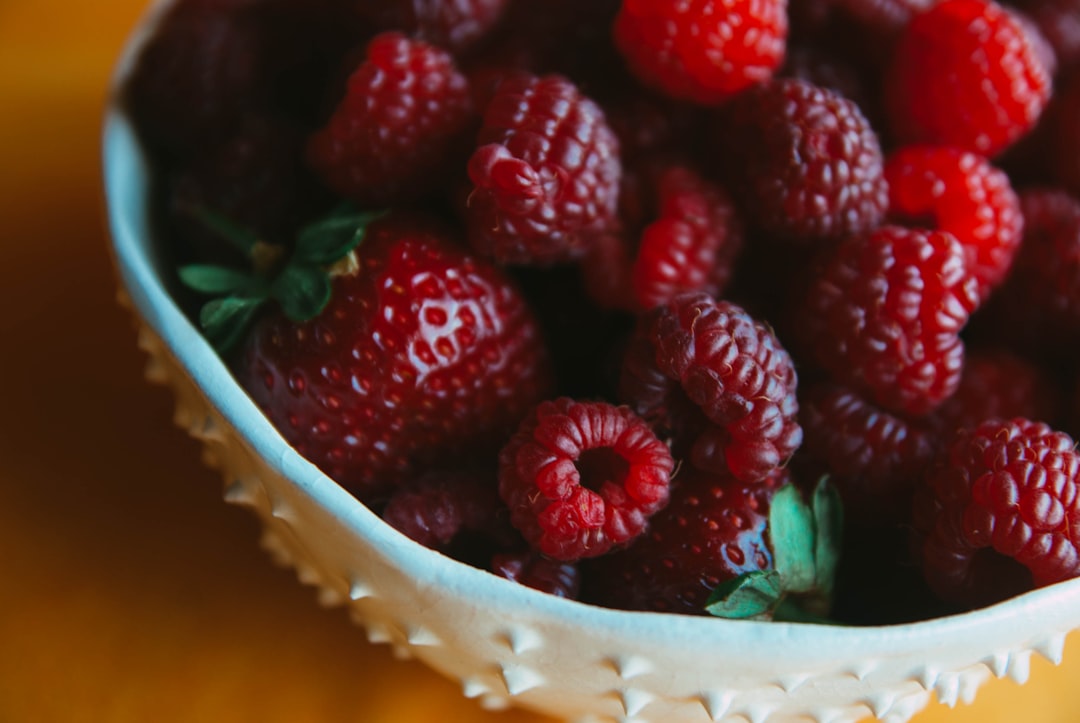
Berries are often hailed as one of nature’s superfoods due to their high levels of antioxidants and anti-inflammatory properties. Fruits like blueberries, strawberries, and raspberries are rich in flavonoids, which have been shown to reduce inflammation and lower the risk of chronic diseases. Including these vibrant fruits in your diet can provide a delicious way to support your health.
You might enjoy berries on their own as a snack or incorporate them into breakfast dishes like oatmeal or yogurt. Their natural sweetness makes them an appealing option for satisfying your sweet tooth without resorting to processed sugars. By regularly consuming berries, you can harness their anti-inflammatory benefits while enjoying a burst of flavor in your meals.
Fatty Fish: Omega-3 Rich and Anti-Inflammatory
| Food | Key Anti-Inflammatory Nutrients | Benefits for Seniors | Recommended Serving |
|---|---|---|---|
| Fatty Fish (Salmon, Mackerel) | Omega-3 Fatty Acids (EPA, DHA) | Reduces joint inflammation, supports heart health | 2-3 servings per week (3-4 oz each) |
| Leafy Greens (Spinach, Kale) | Vitamin K, Antioxidants, Polyphenols | Protects against chronic inflammation, supports bone health | 1-2 cups daily |
| Berries (Blueberries, Strawberries) | Anthocyanins, Vitamin C, Fiber | Improves immune function, reduces oxidative stress | 1 cup daily |
| Nuts (Walnuts, Almonds) | Healthy Fats, Vitamin E, Magnesium | Supports brain health, lowers inflammation markers | 1 oz (about a handful) daily |
| Turmeric | Curcumin | Powerful anti-inflammatory and antioxidant effects | 500 mg curcumin supplement or 1 tsp powder daily |
| Olive Oil (Extra Virgin) | Monounsaturated Fats, Polyphenols | Reduces inflammation, supports cardiovascular health | 2 tbsp daily |
| Green Tea | Epigallocatechin Gallate (EGCG) | Anti-inflammatory, supports cognitive function | 2-3 cups daily |
Fatty fish such as salmon, mackerel, and sardines are excellent sources of omega-3 fatty acids, which are known for their powerful anti-inflammatory effects. These healthy fats play a crucial role in reducing inflammation throughout the body and can help alleviate symptoms associated with conditions like arthritis and heart disease. For seniors, incorporating fatty fish into your diet can be a game-changer for managing inflammation.
You may find it easy to include fatty fish in your weekly meal plan by grilling, baking, or even adding it to salads. The rich flavors of these fish make them a satisfying choice for dinner or lunch. Additionally, omega-3 fatty acids have been linked to improved brain health, which is particularly important as you age.
By prioritizing fatty fish in your diet, you can enjoy both delicious meals and significant health benefits.
Turmeric: The Golden Spice with Anti-Inflammatory Properties
Turmeric is a spice that has gained popularity for its remarkable anti-inflammatory properties, primarily due to its active compound, curcumin. This vibrant yellow spice has been used for centuries in traditional medicine and cooking alike. For seniors looking to reduce inflammation naturally, turmeric can be an excellent addition to your pantry.
You might consider adding turmeric to soups, stews, or even smoothies for an extra health boost. Its earthy flavor pairs well with many dishes, making it easy to incorporate into your meals. Additionally, combining turmeric with black pepper enhances the absorption of curcumin in the body, maximizing its benefits.
By embracing turmeric as part of your culinary repertoire, you can enjoy its anti-inflammatory effects while savoring delicious flavors.
Nuts and Seeds: Nutrient-Dense and Anti-Inflammatory
Nuts and seeds are not only tasty snacks but also powerhouses of nutrition that can help combat inflammation. Almonds, walnuts, chia seeds, and flaxseeds are rich in healthy fats, fiber, vitamins, and minerals that contribute to overall health. These nutrient-dense foods have been shown to reduce markers of inflammation in the body while providing essential nutrients that support heart health and brain function.
Incorporating nuts and seeds into your daily routine can be simple and enjoyable. You might sprinkle them on salads or yogurt or enjoy them as a standalone snack. Their versatility allows you to experiment with different combinations and flavors while reaping the benefits of their anti-inflammatory properties.
By making nuts and seeds a regular part of your diet, you can enhance your nutritional intake while working toward reducing inflammation.
Olive Oil: A Heart-Healthy Anti-Inflammatory Option
Olive oil is often celebrated for its heart-healthy benefits and is a staple in Mediterranean diets known for their anti-inflammatory properties. Rich in monounsaturated fats and antioxidants, olive oil has been shown to reduce inflammation markers in the body while promoting cardiovascular health. For seniors looking to improve their overall well-being, incorporating high-quality olive oil into your diet can be a wise choice.
You might use olive oil as a dressing for salads or drizzle it over roasted vegetables for added flavor and nutrition. Its versatility makes it an excellent substitute for less healthy fats in cooking and baking. By choosing olive oil as your primary cooking oil, you not only enhance the taste of your meals but also support your body’s fight against inflammation.
Tomatoes: A Delicious Anti-Inflammatory Addition to Meals
Tomatoes are not only a staple ingredient in many cuisines but also offer impressive anti-inflammatory benefits thanks to their high content of lycopene—a powerful antioxidant. Lycopene has been linked to reduced inflammation and may even lower the risk of certain chronic diseases. For seniors looking to add flavor and nutrition to their meals, tomatoes are an excellent choice.
You might enjoy tomatoes fresh in salads or cooked in sauces and soups. Their versatility allows you to experiment with different recipes while reaping the benefits of their anti-inflammatory properties. By including tomatoes regularly in your diet, you can enhance both the taste and nutritional value of your meals while supporting your body’s health.
Green Tea: Antioxidant-Rich and Anti-Inflammatory
Green tea is renowned for its numerous health benefits, particularly its rich antioxidant content that helps combat inflammation. The polyphenols found in green tea have been shown to reduce inflammatory markers in the body while promoting overall health. For seniors seeking a refreshing beverage that supports well-being, green tea is an excellent choice.
You might consider replacing sugary drinks with green tea or enjoying it as a soothing afternoon ritual. Its subtle flavor makes it easy to incorporate into your daily routine while providing significant health benefits. By making green tea a regular part of your hydration habits, you can enjoy its anti-inflammatory properties while savoring a delightful beverage.
Dark Chocolate: A Surprising Anti-Inflammatory Treat for Seniors
Dark chocolate is often viewed as an indulgence; however, it also boasts impressive anti-inflammatory properties when consumed in moderation. Rich in flavonoids and antioxidants, dark chocolate has been shown to reduce inflammation markers while providing a delicious treat that satisfies your sweet cravings. For seniors looking for a guilt-free dessert option, dark chocolate can be a delightful addition to your diet.
You might enjoy dark chocolate on its own or incorporate it into recipes like smoothies or baked goods for an extra touch of sweetness without compromising health benefits. Choosing high-quality dark chocolate with a cocoa content of 70% or higher ensures you’re reaping the maximum benefits while indulging in a tasty treat. By embracing dark chocolate as part of a balanced diet, you can enjoy its anti-inflammatory effects while treating yourself to something special.
In conclusion, understanding inflammation and its impact on seniors is crucial for maintaining optimal health as you age. By incorporating various anti-inflammatory foods into your diet—such as leafy greens, berries, fatty fish, turmeric, nuts and seeds, olive oil, tomatoes, green tea, and dark chocolate—you can take proactive steps toward reducing inflammation and enhancing your overall well-being. Making these dietary choices not only supports your physical health but also empowers you to enjoy life more fully as you navigate the aging process.
For seniors looking to incorporate anti-inflammatory foods into their diet, a great resource is the article available at Explore Senior Health. This site offers valuable insights into how certain foods can help reduce inflammation and promote overall health, making it an excellent starting point for those interested in improving their dietary habits as they age.
WATCH THIS WARNING: 💊 NSAID Kidney Damage: The Hidden Danger Seniors Don’t Know About
FAQs
What are anti-inflammatory foods?
Anti-inflammatory foods are foods that help reduce inflammation in the body. They typically contain antioxidants, vitamins, and minerals that can help lower the production of inflammatory chemicals.
Why are anti-inflammatory foods important for seniors?
As people age, chronic inflammation can contribute to various health issues such as arthritis, heart disease, and cognitive decline. Eating anti-inflammatory foods can help seniors manage inflammation and support overall health.
Which foods are considered anti-inflammatory for seniors?
Common anti-inflammatory foods include fruits like berries, vegetables such as leafy greens, nuts, fatty fish rich in omega-3 fatty acids, whole grains, and spices like turmeric and ginger.
Can anti-inflammatory foods help with arthritis pain in seniors?
Yes, consuming anti-inflammatory foods may help reduce joint inflammation and pain associated with arthritis, improving mobility and quality of life for seniors.
Are there any foods seniors should avoid to reduce inflammation?
Seniors should limit or avoid processed foods, sugary snacks, refined carbohydrates, and excessive red meat, as these can promote inflammation.
How can seniors incorporate anti-inflammatory foods into their diet?
Seniors can include more fruits and vegetables in meals, choose whole grains over refined ones, add nuts and seeds as snacks, and use herbs and spices like turmeric and ginger in cooking.
Is it necessary for seniors to consult a doctor before changing their diet to include more anti-inflammatory foods?
While anti-inflammatory foods are generally safe, seniors should consult their healthcare provider before making significant dietary changes, especially if they have existing health conditions or take medications.