As you age, your body undergoes numerous changes, and one of the most significant transformations occurs in your gut. The gut microbiome, a complex community of microorganisms residing in your digestive tract, plays a crucial role in your overall health. Research has shown that a healthy gut can influence everything from your immune system to your mood.
For seniors, maintaining a balanced gut microbiome is particularly important, as it can help mitigate age-related health issues such as inflammation, obesity, and chronic diseases. You may not realize it, but the gut-brain connection is also vital for your mental well-being. The gut produces neurotransmitters like serotonin, which can affect your mood and cognitive function.
As you age, the diversity of your gut microbiome may decrease, leading to potential imbalances that can impact both physical and mental health. Understanding this connection can empower you to make dietary choices that promote a healthier gut, ultimately enhancing your quality of life.
Key Takeaways
- The gut-health connection in seniors is crucial for overall well-being and can impact various aspects of health.
- Probiotic-rich foods play a key role in maintaining a healthy gut for seniors, promoting good bacteria and aiding digestion.
- Fiber-rich foods are essential for seniors’ gut health, supporting regular bowel movements and overall digestive function.
- Anti-inflammatory foods can help reduce gut inflammation in seniors, promoting better digestion and overall gut health.
- Bone broth offers numerous benefits for seniors’ digestive health, providing essential nutrients and supporting gut healing.
The Importance of Probiotic-Rich Foods for Seniors
Probiotic-rich foods are essential for maintaining a healthy gut microbiome, especially for seniors. These foods contain live beneficial bacteria that can help restore balance to your gut flora. Incorporating probiotics into your diet can improve digestion, boost your immune system, and even enhance your mood.
Yogurt, kefir, sauerkraut, and kimchi are excellent sources of probiotics that you can easily add to your meals. When you consume probiotic-rich foods, you are essentially introducing good bacteria into your digestive system. This can help combat harmful bacteria and yeast that may be present due to age-related changes or antibiotic use.
By regularly including these foods in your diet, you can support your gut health and potentially reduce the risk of gastrointestinal issues such as constipation or diarrhea.
Fiber-Rich Foods and Their Role in Gut Health for Seniors
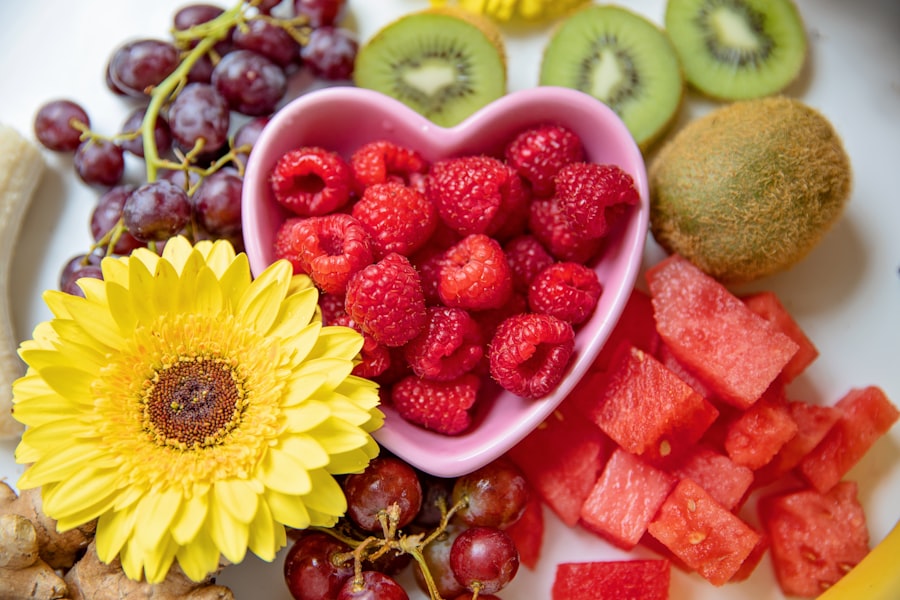
Fiber is another critical component of a gut-friendly diet, particularly for seniors. It aids in digestion by promoting regular bowel movements and preventing constipation, a common issue among older adults. High-fiber foods such as fruits, vegetables, whole grains, and legumes not only support digestive health but also provide essential nutrients that your body needs as it ages.
In addition to promoting regularity, fiber acts as a prebiotic, serving as food for the beneficial bacteria in your gut. This symbiotic relationship helps maintain a balanced microbiome and can lead to improved overall health. By incorporating a variety of fiber-rich foods into your meals, you can enhance your gut health while also enjoying the many flavors and textures these foods offer.
Anti-Inflammatory Foods for Seniors’ Gut Health
| Food | Anti-Inflammatory Properties | Gut Health Benefits |
|---|---|---|
| Leafy greens (spinach, kale, collard greens) | Rich in vitamins and antioxidants | Supports healthy digestion and gut microbiome |
| Fatty fish (salmon, mackerel, sardines) | High in omega-3 fatty acids | Reduces inflammation in the gut and supports gut lining |
| Berries (blueberries, strawberries, raspberries) | Contain anti-inflammatory compounds | Supports gut health by promoting beneficial gut bacteria |
| Turmeric | Contains curcumin with strong anti-inflammatory properties | Helps maintain gut barrier function and reduce inflammation |
| Probiotic-rich foods (yogurt, kefir, sauerkraut) | Contain beneficial bacteria | Supports a healthy balance of gut microbiota and reduces gut inflammation |
Inflammation is a natural response of the body to injury or infection; however, chronic inflammation can lead to various health issues, particularly in seniors. Incorporating anti-inflammatory foods into your diet can help combat this issue and promote better gut health. Foods rich in omega-3 fatty acids, such as fatty fish, walnuts, and flaxseeds, are known for their anti-inflammatory properties.
Additionally, colorful fruits and vegetables like berries, leafy greens, and sweet potatoes are packed with antioxidants that can help reduce inflammation in the body. Spices such as turmeric and ginger also possess anti-inflammatory benefits and can easily be added to your meals for an extra health boost. By focusing on these foods, you can create a diet that not only supports your gut health but also contributes to overall well-being.
The Benefits of Bone Broth for Seniors’ Digestive Health
Bone broth has gained popularity in recent years for its numerous health benefits, particularly for seniors. Rich in collagen and amino acids, bone broth can help heal the gut lining and improve digestion. This is especially important for older adults who may experience digestive issues due to age-related changes or medical conditions.
In addition to its gut-healing properties, bone broth is also a source of essential nutrients like calcium, magnesium, and phosphorus. These minerals are vital for maintaining bone health, which is crucial as you age. Incorporating bone broth into your diet can be as simple as sipping it on its own or using it as a base for soups and stews.
By doing so, you not only nourish your gut but also support your overall health.
Incorporating Fermented Foods into Seniors’ Diet for Gut Health
Fermented foods are another excellent way to promote gut health in seniors. These foods undergo a natural fermentation process that enhances their probiotic content and makes them easier to digest. Common fermented foods include yogurt, kefir, sauerkraut, kimchi, and miso.
By adding these foods to your diet, you can introduce beneficial bacteria that support a healthy microbiome. The beauty of fermented foods lies in their versatility; they can be enjoyed in various ways. You might start your day with a bowl of yogurt topped with fresh fruit or add sauerkraut to sandwiches for an extra crunch.
Experimenting with different fermented foods can make healthy eating enjoyable while providing significant benefits for your digestive health.
Nutrient-Dense Foods to Support Seniors’ Gut Healing
As you focus on improving your gut health, it’s essential to prioritize nutrient-dense foods that support healing and overall well-being. Foods rich in vitamins and minerals play a crucial role in maintaining a healthy digestive system. Leafy greens like spinach and kale are packed with nutrients that promote gut health while providing fiber.
In addition to greens, consider incorporating nuts and seeds into your diet. These foods are not only nutrient-dense but also provide healthy fats that support overall health. Avocados are another excellent choice; they are rich in fiber and healthy fats that can help soothe the digestive tract.
By choosing nutrient-dense foods, you can create a balanced diet that supports both gut healing and overall vitality.
Hydration and its Impact on Seniors’ Digestive Health
Hydration is often overlooked when discussing gut health, yet it plays a vital role in maintaining proper digestive function. As you age, your sense of thirst may diminish, making it essential to consciously prioritize fluid intake. Drinking enough water helps keep things moving through your digestive system and prevents constipation.
Fruits like watermelon and cucumbers have high water content and can contribute to your daily hydration needs. Herbal teas are another excellent option; they not only hydrate but can also provide additional health benefits depending on the type you choose.
By staying hydrated, you support your digestive health and overall well-being.
Foods to Avoid for Seniors with Digestive Issues
While focusing on what to include in your diet is essential, it’s equally important to be aware of foods that may exacerbate digestive issues for seniors. Processed foods high in sugar and unhealthy fats can lead to inflammation and disrupt the balance of your gut microbiome. Additionally, certain food intolerances or sensitivities may become more pronounced with age.
Common culprits include dairy products for those who are lactose intolerant and gluten-containing grains for individuals with gluten sensitivity. It’s crucial to pay attention to how different foods affect your body and make adjustments accordingly. By avoiding problematic foods, you can create a more harmonious environment for your gut health.
Meal Planning and Recipes for Seniors’ Gut Healing
Meal planning is an effective way to ensure you’re incorporating gut-friendly foods into your diet consistently. Start by creating a weekly menu that includes a variety of probiotic-rich foods, fiber sources, anti-inflammatory ingredients, and nutrient-dense options. This approach not only simplifies grocery shopping but also encourages you to try new recipes.
Consider preparing dishes like vegetable stir-fries with fermented tofu or hearty soups made with bone broth and plenty of vegetables. Smoothies made with yogurt or kefir blended with fruits and greens are another delicious way to pack in nutrients while supporting gut health. By planning meals ahead of time, you set yourself up for success in maintaining a healthy diet.
Consulting a Nutritionist for Seniors’ Gut Health Needs
If you’re unsure where to start or need personalized guidance on improving your gut health, consulting a nutritionist can be incredibly beneficial. A qualified nutritionist can assess your individual needs and create a tailored plan that addresses any specific digestive issues you may be facing. Working with a nutritionist allows you to gain insights into the best dietary choices for your unique situation while providing support as you navigate changes in your eating habits.
They can help you identify potential food sensitivities or recommend supplements if necessary. By seeking professional advice, you empower yourself to take charge of your gut health journey effectively. In conclusion, understanding the importance of gut health is crucial as you age.
By incorporating probiotic-rich foods, fiber sources, anti-inflammatory ingredients, and staying hydrated while avoiding problematic foods, you can significantly improve your digestive health. Meal planning and consulting with a nutritionist further enhance your ability to maintain a balanced diet tailored to your needs. Embracing these dietary changes will not only support your gut but also contribute positively to your overall well-being as you navigate the golden years of life.
For seniors looking to improve their digestive health, incorporating gut-healing foods into their diet can be incredibly beneficial. Foods rich in fiber, probiotics, and anti-inflammatory properties can help maintain a healthy gut microbiome, which is crucial for overall well-being. For more detailed information on the best gut healing foods for seniors, you can explore a related article on this topic by visiting Explore Senior Health. This resource provides valuable insights and tips tailored specifically for the dietary needs of older adults, ensuring they can enjoy a healthier and more comfortable lifestyle.
Over 60? Ditch THIS Sneaky Veggie Wrecking Digestion, Bloating, and Microbiome Balance.
FAQs
What are gut healing foods?
Gut healing foods are foods that support and promote the health of the digestive system. These foods can help to improve gut function, reduce inflammation, and support the growth of beneficial gut bacteria.
Why are gut healing foods important for seniors?
As we age, the digestive system can become less efficient and more prone to issues such as inflammation, constipation, and digestive discomfort. Gut healing foods can help to support the overall health of the digestive system and improve nutrient absorption, which is especially important for seniors.
What are some examples of gut healing foods for seniors?
Some examples of gut healing foods for seniors include fermented foods like yogurt and kefir, high-fiber foods like fruits, vegetables, and whole grains, as well as foods rich in healthy fats such as avocados, nuts, and seeds.
How do gut healing foods benefit seniors?
Gut healing foods can benefit seniors by promoting better digestion, reducing inflammation in the gut, supporting the growth of beneficial gut bacteria, and improving overall gut health. This can lead to better nutrient absorption, reduced digestive discomfort, and improved overall well-being.
Are there any gut healing foods that seniors should avoid?
While gut healing foods can be beneficial for seniors, it’s important to note that individual sensitivities and allergies may vary. Some seniors may need to avoid certain foods that can trigger digestive issues, such as spicy foods, high-fat foods, or foods that they are intolerant to. It’s best to consult with a healthcare professional for personalized dietary recommendations.