
As people age, maintaining muscle health becomes increasingly important. Protein is essential for this purpose, as it serves as the primary building block for muscle tissue. Seniors require adequate protein intake to preserve muscle mass and support overall health.
With aging, the body naturally experiences a decline in muscle mass and strength, a condition called sarcopenia. This progressive loss can result in reduced mobility, higher fall risk, and diminished quality of life. Consuming sufficient protein is therefore critical for counteracting these age-related changes.
Beyond muscle maintenance, protein supports numerous bodily functions. It is necessary for the production of enzymes and hormones that regulate metabolic processes. Protein also facilitates tissue repair and strengthens immune function.
For seniors facing existing health challenges, a protein-rich diet can enhance immune response and improve recovery from illness or injury. Prioritizing adequate protein intake in later life contributes to building a healthier and more resilient body.
Key Takeaways
- Protein is essential for maintaining muscle health and strength in seniors.
- Lean meats, fish, dairy, eggs, nuts, seeds, and plant-based options provide diverse high-quality protein sources.
- Protein supports muscle recovery and helps prevent age-related muscle loss.
- Incorporating protein-rich foods into seniors’ diets can be done through simple, convenient choices.
- Seniors should be mindful of potential risks associated with high protein intake and consult healthcare providers.
Lean Meat as a High-Quality Protein Source for Seniors
When considering protein sources, lean meat stands out as an excellent option for seniors. Lean cuts of beef, pork, and poultry provide high-quality protein that is easily digestible and packed with essential amino acids. These amino acids are vital for muscle repair and growth, making lean meat an ideal choice for maintaining muscle health.
Incorporating lean meats into your meals can help you meet your daily protein requirements without excessive saturated fat, which is particularly important for heart health as you age. In addition to being a rich source of protein, lean meats also offer other nutritional benefits. They are often rich in iron, zinc, and B vitamins, which play crucial roles in energy production and overall well-being.
For seniors who may experience decreased appetite or difficulty chewing, lean meats can be prepared in various ways—such as slow-cooked or ground—making them easier to consume while still providing the necessary nutrients. By including lean meats in your diet, you can enjoy a delicious and nutritious way to support your muscle health. You can find a delicious recipe for fish broth that is both flavorful and easy to make.
Fish and Seafood for Muscle Health in Seniors
Fish and seafood are not only delicious but also incredibly beneficial for muscle health in seniors.
Fatty fish like salmon, mackerel, and sardines are particularly noteworthy due to their omega-3 fatty acids, which have been shown to reduce inflammation and promote muscle protein synthesis.
This means that incorporating fish into your diet can help you maintain muscle mass while also supporting heart health. Moreover, seafood is often easier to digest than red meat, making it an excellent option for seniors who may have digestive concerns. The variety of flavors and textures available in fish and seafood can also make meals more enjoyable.
Whether you prefer grilled salmon, shrimp stir-fry, or a hearty fish stew, there are countless ways to include these nutrient-dense foods in your diet. By prioritizing fish and seafood, you can enhance your protein intake while reaping the additional benefits of healthy fats that support overall wellness.
Dairy Products: A Convenient Protein Source for Seniors
Dairy products are another convenient source of high-quality protein that can easily fit into a senior’s diet. Options like yogurt, milk, and cheese not only provide protein but also deliver calcium and vitamin D—nutrients essential for bone health. As you age, maintaining strong bones becomes increasingly important to prevent fractures and osteoporosis.
Including dairy products in your meals can help ensure that you are getting the necessary nutrients to support both muscle and bone health. Additionally, dairy products come in various forms that cater to different tastes and dietary needs. For instance, Greek yogurt is an excellent choice for those looking for a higher protein content, while cottage cheese offers a versatile option that can be enjoyed on its own or added to salads and dishes.
If lactose intolerance is a concern, there are lactose-free options available that still provide the same nutritional benefits. By incorporating dairy into your diet, you can enjoy a delicious and nutritious way to boost your protein intake while supporting your overall health.
Plant-Based Protein Options for Seniors
| Protein Source | Protein Content (per 100g) | Digestibility | Key Benefits for 70+ | Additional Nutrients |
|---|---|---|---|---|
| Chicken Breast | 31g | High (PDCAAS 0.92) | Lean protein, supports muscle repair and maintenance | Vitamin B6, Niacin |
| Eggs | 13g | Very High (PDCAAS 1.0) | Complete protein, easy to digest, supports muscle synthesis | Vitamin D, Choline |
| Greek Yogurt | 10g | High | Contains probiotics, supports gut health and muscle recovery | Calcium, Vitamin B12 |
| Salmon | 20g | High | Rich in omega-3 fatty acids, reduces inflammation, supports muscle health | Vitamin D, Omega-3 |
| Tofu | 8g | Moderate to High | Plant-based complete protein, good for bone health | Iron, Calcium |
| Whey Protein | 80-90g (powder) | Very High (PDCAAS 1.0) | Fast absorption, ideal post-workout for muscle synthesis | Branched-chain amino acids (BCAAs) |
| Lentils | 9g | Moderate | Good plant protein, supports muscle and heart health | Fiber, Iron, Folate |
For seniors who prefer plant-based diets or want to diversify their protein sources, there are plenty of options available that can meet your nutritional needs. Legumes such as beans, lentils, and chickpeas are excellent sources of protein and fiber. They not only help maintain muscle mass but also promote digestive health—a crucial factor as you age.
Incorporating these foods into your meals can be as simple as adding them to soups, salads, or stir-fries. Nuts and seeds also provide a great source of plant-based protein along with healthy fats that support heart health. Almonds, walnuts, chia seeds, and flaxseeds are just a few examples of nutrient-dense options that can easily be added to your diet.
Whether you sprinkle them on yogurt or blend them into smoothies, these foods offer versatility while contributing to your overall protein intake. By exploring plant-based protein options, you can enjoy a varied diet that supports both muscle health and overall well-being.
Eggs: A Nutrient-Dense Protein Source for Seniors
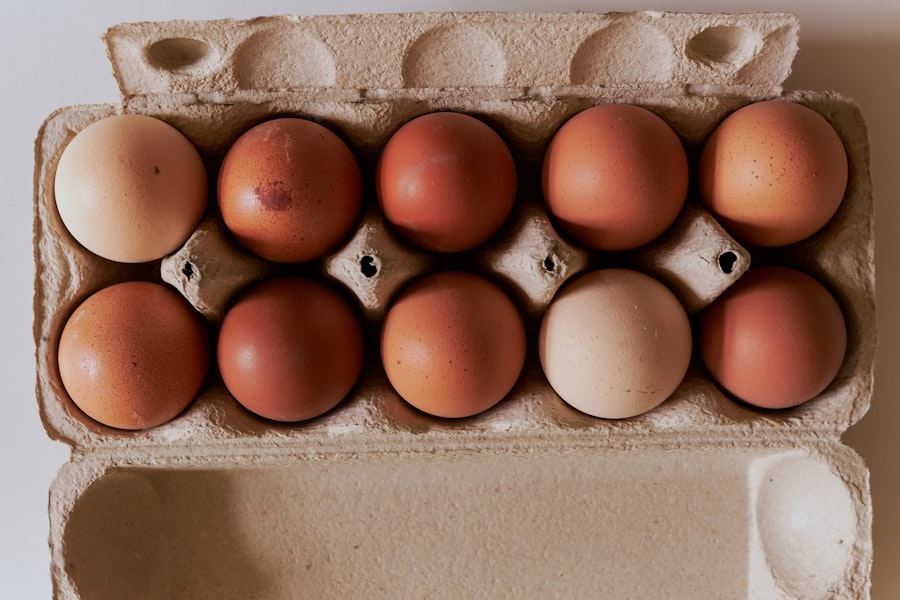
Eggs are often hailed as one of the most complete sources of protein available. They contain all nine essential amino acids required by the body for muscle repair and growth. For seniors looking to maintain their muscle mass, eggs can be an invaluable addition to your diet.
Not only are they rich in protein, but they also provide essential nutrients such as vitamin D, B vitamins, and choline—important for brain health. The versatility of eggs makes them easy to incorporate into various meals throughout the day. Whether you enjoy them scrambled for breakfast or hard-boiled as a snack, eggs can fit seamlessly into your routine.
Additionally, they are relatively inexpensive compared to other protein sources, making them an accessible option for many seniors. By including eggs in your diet regularly, you can enjoy their numerous health benefits while supporting your muscle health effectively.
Nuts and Seeds for Muscle Health in Seniors
Nuts and seeds are often overlooked as powerful sources of protein for seniors. These small but mighty foods pack a punch when it comes to nutrition. They are not only rich in protein but also provide healthy fats, fiber, vitamins, and minerals that contribute to overall health.
Almonds, walnuts, sunflower seeds, and pumpkin seeds are just a few examples of nutrient-dense options that can easily be added to your meals or enjoyed as snacks. Incorporating nuts and seeds into your diet can be both simple and enjoyable. You might sprinkle them on salads or yogurt for added crunch or blend them into smoothies for a creamy texture.
Their high-calorie content means they can also serve as an energy-dense snack option if you’re looking to maintain weight or increase caloric intake. By making nuts and seeds a regular part of your diet, you can enhance your protein intake while benefiting from their numerous health advantages.
Protein Supplements for Seniors
While whole foods should be the primary source of protein in your diet, protein supplements can be beneficial for seniors who struggle to meet their daily requirements through food alone. Protein powders made from whey, casein, soy, or pea protein offer convenient options that can easily be mixed into smoothies or shakes. These supplements can help bridge the gap if you’re finding it challenging to consume enough protein-rich foods due to appetite changes or dietary restrictions.
However, it’s essential to approach protein supplementation with caution. Not all supplements are created equal; some may contain added sugars or artificial ingredients that could detract from their nutritional value. Consulting with a healthcare professional before starting any supplement regimen is advisable to ensure it aligns with your individual health needs and goals.
When used appropriately, protein supplements can serve as a valuable tool in supporting muscle health as you age.
The Role of Protein in Muscle Recovery and Maintenance for Seniors
Protein plays a pivotal role not only in building muscle but also in recovery after physical activity or injury—an aspect particularly important for seniors engaging in exercise or rehabilitation programs. After workouts or physical exertion, consuming protein helps repair damaged muscle fibers and promotes muscle growth through a process known as muscle protein synthesis. This is crucial for maintaining strength and mobility as you age.
Incorporating protein-rich foods post-exercise can enhance recovery times and improve overall performance in physical activities. Whether you’re participating in strength training or simply enjoying daily walks, ensuring adequate protein intake will support your body’s ability to recover effectively. By prioritizing protein around your exercise routine, you can optimize your results while promoting long-term muscle health.
Tips for Incorporating Protein-Rich Foods into a Senior’s Diet
Incorporating more protein-rich foods into your diet doesn’t have to be overwhelming; there are simple strategies you can adopt to make it easier. Start by planning meals around a primary source of protein—whether it’s lean meat, fish, dairy products, or plant-based options—ensuring that each meal contains a good balance of macronutrients. You might consider preparing larger batches of meals that include high-protein ingredients so that you have leftovers ready for quick lunches or dinners throughout the week.
Snacking is another opportunity to boost your protein intake without much effort. Keep healthy snacks on hand such as Greek yogurt with fruit or a handful of nuts to munch on between meals. Additionally, consider adding protein-rich ingredients into dishes you already enjoy; for example, toss some beans into soups or salads or add eggs to vegetable stir-fries.
By being mindful of how you incorporate protein into your daily routine, you can easily enhance your overall nutrition.
Potential Risks and Considerations for Seniors Consuming High Protein Diets
While protein is essential for maintaining muscle health in seniors, it’s important to approach dietary changes thoughtfully. Consuming excessively high amounts of protein may pose risks such as kidney strain or dehydration—especially if there are pre-existing kidney issues or other health concerns present. It’s crucial to balance your diet with adequate hydration and other nutrients like carbohydrates and fats to ensure overall well-being.
Additionally, some high-protein diets may lead to nutrient deficiencies if they exclude other food groups entirely. A well-rounded approach that includes a variety of food sources will help ensure you’re getting all the vitamins and minerals necessary for optimal health. Consulting with a healthcare provider or registered dietitian before making significant dietary changes is advisable; they can help tailor recommendations based on individual needs and preferences while ensuring that you’re meeting your nutritional goals safely.
In conclusion, prioritizing protein intake is vital for maintaining muscle health as you age. By exploring various sources—from lean meats and fish to dairy products and plant-based options—you can create a balanced diet that supports both muscle maintenance and overall well-being. Remember to consider individual needs when making dietary changes and consult with professionals when necessary to ensure you’re on the right track toward optimal health.
For individuals over 70, finding the best protein sources to support muscle health is crucial. A related article that delves into this topic can be found on Explore Senior Health, which provides valuable insights into nutrition for seniors. You can read more about it in their article on