
Sarcopenia is a condition characterized by progressive loss of muscle mass and strength, primarily associated with aging. As people age, the body undergoes physiological changes that lead to decline in muscle tissue. Sarcopenia is not an inevitable consequence of aging; rather, it significantly impacts quality of life, mobility, and overall health.
The condition can make everyday activities more difficult and increase the risk of falls and fractures due to reduced muscle strength. Muscle loss can begin in the 30s but typically accelerates after age 60. Several factors contribute to sarcopenia, including physical inactivity, inadequate nutrition, hormonal changes, and chronic diseases.
Body composition shifts during this process, with increased fat mass and decreased lean muscle mass. These changes affect not only physical appearance but also metabolic health, potentially leading to obesity and diabetes. Early recognition of sarcopenia allows individuals to implement preventive measures and maintain muscle health throughout the aging process.
You can find a delicious recipe for fish broth that is both flavorful and easy to prepare.
Key Takeaways
- Sarcopenia is the age-related loss of muscle mass and strength, impacting mobility and quality of life.
- Proper nutrition, especially adequate protein intake, is crucial in preventing and managing sarcopenia.
- Supplements like creatine, protein, and BCAAs support muscle strength, growth, and recovery.
- Omega-3 fatty acids, vitamin D, and CoQ10 contribute to muscle health and function through anti-inflammatory and mitochondrial support.
- Selecting the right combination of supplements tailored to individual needs enhances sarcopenia management effectiveness.
The Role of Nutrition in Preventing and Managing Sarcopenia
Nutrition plays a pivotal role in both preventing and managing sarcopenia. A well-balanced diet rich in essential nutrients can help you maintain muscle mass and strength as you age. You may want to focus on incorporating a variety of foods that provide the necessary vitamins, minerals, and macronutrients to support muscle health.
This includes adequate protein intake, which is vital for muscle repair and growth. By prioritizing nutrient-dense foods, you can create a dietary foundation that supports your overall well-being. In addition to protein, other nutrients such as carbohydrates and healthy fats are essential for energy production and overall health.
You should consider including whole grains, fruits, vegetables, nuts, and seeds in your diet to ensure you are getting a wide range of nutrients. Hydration is also crucial; staying well-hydrated can enhance your physical performance and recovery. By adopting a holistic approach to nutrition, you can effectively combat the effects of sarcopenia and promote a healthier lifestyle.
Protein Supplements: The Building Blocks of Muscle

When it comes to combating sarcopenia, protein supplements can be invaluable tools in your arsenal. Protein is the building block of muscle tissue, and ensuring you consume enough of it is essential for maintaining muscle mass. If you find it challenging to meet your protein needs through whole foods alone, protein supplements can provide a convenient solution.
They come in various forms, including whey, casein, soy, and pea protein, allowing you to choose one that aligns with your dietary preferences. Incorporating protein supplements into your daily routine can help stimulate muscle protein synthesis, especially when combined with resistance training. Research suggests that consuming protein shortly after exercise can enhance recovery and promote muscle growth.
You might consider adding a protein shake to your post-workout routine or using it as a snack between meals to help meet your daily protein requirements. By strategically using protein supplements, you can support your efforts to prevent or manage sarcopenia effectively.
Creatine: A Powerful Supplement for Muscle Strength and Endurance
Creatine is another supplement that has gained popularity among those looking to enhance their muscle strength and endurance. It is a naturally occurring compound found in small amounts in certain foods and synthesized by the body. When you supplement with creatine, you increase the availability of phosphocreatine in your muscles, which can improve your performance during high-intensity exercise.
This is particularly beneficial for older adults who may experience declines in strength and power. Research has shown that creatine supplementation can lead to significant improvements in muscle mass and strength when combined with resistance training. If you’re looking to enhance your workout performance or recover more effectively from exercise, creatine may be worth considering.
By incorporating creatine into your fitness routine, you can take proactive steps toward maintaining your muscle health.
Omega-3 Fatty Acids: Supporting Muscle Health and Function
| Supplement | Key Benefits | Recommended Dosage | Scientific Evidence | Notes |
|---|---|---|---|---|
| Protein (Whey or Casein) | Supports muscle protein synthesis and repair | 20-40 grams per day | Strong evidence from multiple clinical trials | Best taken post-exercise or with meals |
| Creatine Monohydrate | Enhances muscle strength and mass | 3-5 grams per day | Well-supported by research in older adults | May improve exercise performance |
| Vitamin D | Improves muscle function and reduces fall risk | 800-2000 IU per day | Moderate evidence, especially in deficient individuals | Check blood levels before supplementation |
| Omega-3 Fatty Acids (EPA/DHA) | Reduces inflammation and supports muscle protein synthesis | 1-3 grams per day | Emerging evidence suggests benefits | May complement protein intake |
| HMB (Beta-Hydroxy Beta-Methylbutyrate) | Prevents muscle breakdown and promotes growth | 3 grams per day | Some clinical trials show positive effects | Often used in combination with resistance training |
| Leucine | Stimulates muscle protein synthesis | 2-3 grams per serving | Supported by research on muscle metabolism | Can be taken with protein supplements |
Omega-3 fatty acids are essential fats that play a crucial role in overall health, including muscle function. These fatty acids are known for their anti-inflammatory properties, which can help reduce muscle soreness and promote recovery after exercise. If you’re looking to support your muscle health as you age, incorporating omega-3s into your diet may be beneficial.
Fatty fish like salmon, mackerel, and sardines are excellent sources of omega-3s, but if you find it difficult to consume enough through food alone, consider taking an omega-3 supplement. Research suggests that omega-3 fatty acids may also help improve muscle protein synthesis, making them particularly valuable for older adults experiencing sarcopenia. By enhancing the body’s ability to build and maintain muscle tissue, omega-3s can contribute to better overall muscle health.
You might consider adding omega-3-rich foods or supplements to your daily routine as part of a comprehensive approach to managing sarcopenia.
Vitamin D: Essential for Muscle Strength and Function
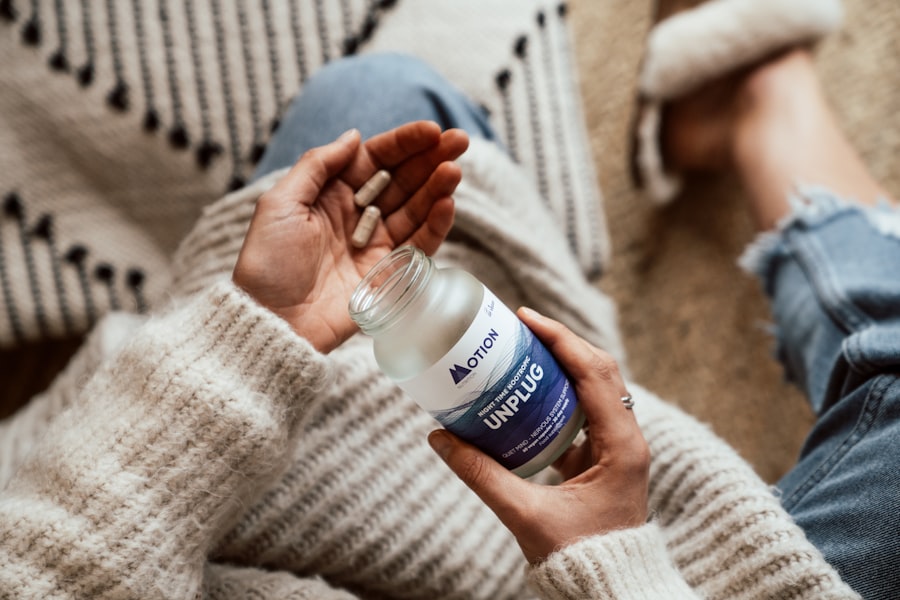
Vitamin D is another critical nutrient that plays a significant role in muscle health. It is well-known for its importance in bone health, but emerging research indicates that it also contributes to muscle strength and function. If you’re not getting enough sunlight exposure or consuming vitamin D-rich foods like fatty fish or fortified dairy products, you may be at risk for deficiency.
Supplementing with vitamin D can help improve muscle strength and function, making it an essential component of any sarcopenia management plan. If you’re concerned about your vitamin D levels, consider getting tested by a healthcare professional who can recommend appropriate supplementation if needed.
By ensuring adequate vitamin D intake, you can support not only your bone health but also your overall muscle function as you age.
Branched-Chain Amino Acids (BCAAs): Fueling Muscle Growth and Recovery
Branched-chain amino acids (BCAAs) are a group of three essential amino acids—leucine, isoleucine, and valine—that play a vital role in muscle growth and recovery. These amino acids are unique because they are metabolized directly in the muscles rather than the liver, making them particularly effective for promoting muscle protein synthesis. If you’re looking to enhance your workout performance or recover more efficiently from exercise, BCAAs may be worth considering.
Research has shown that BCAA supplementation can help reduce exercise-induced muscle soreness and improve recovery times. This is especially important for older adults who may experience longer recovery periods after physical activity. You might consider incorporating BCAAs into your pre- or post-workout routine to support your training efforts and combat the effects of sarcopenia.
By fueling your muscles with BCAAs, you can enhance your overall performance and recovery.
HMB (β-Hydroxy β-Methylbutyrate): A Promising Supplement for Sarcopenia
HMB (β-Hydroxy β-Methylbutyrate) is a metabolite of the amino acid leucine that has garnered attention for its potential benefits in preventing muscle loss associated with sarcopenia. Research suggests that HMB supplementation may help reduce muscle breakdown while promoting muscle growth, making it an appealing option for those looking to maintain their muscle mass as they age. If you’re concerned about losing muscle strength or mass due to aging or inactivity, HMB could be a valuable addition to your supplement regimen.
Studies have shown that HMB supplementation can lead to improvements in muscle strength and function among older adults experiencing sarcopenia. By incorporating HMB into your daily routine alongside resistance training, you may be able to enhance your results and support your overall muscle health. As always, it’s wise to consult with a healthcare professional before starting any new supplement to ensure it’s appropriate for your individual needs.
Coenzyme Q10 (CoQ10): Supporting Mitochondrial Function and Muscle Health
Coenzyme Q10 (CoQ10) is a powerful antioxidant that plays a crucial role in energy production within cells, particularly in the mitochondria—the powerhouse of the cell. As you age, natural levels of CoQ10 tend to decline, which can impact energy levels and overall muscle function. Supplementing with CoQ10 may help support mitochondrial function and improve energy production in muscles, making it an important consideration for those looking to combat sarcopenia.
Research has indicated that CoQ10 supplementation may enhance exercise performance and reduce fatigue during physical activity. If you’re looking to maintain your energy levels during workouts or daily activities as you age, CoQ10 could be beneficial. By supporting mitochondrial function with CoQ10 supplementation, you can promote better overall muscle health and vitality.
Curcumin: A Natural Anti-inflammatory Supplement for Sarcopenia
Curcumin is the active compound found in turmeric known for its potent anti-inflammatory properties. Chronic inflammation has been linked to various age-related conditions, including sarcopenia. By incorporating curcumin into your diet or supplement regimen, you may be able to combat inflammation and support overall muscle health.
Curcumin has been shown to improve recovery times after exercise and may even enhance muscle strength when combined with resistance training. If you’re considering adding curcumin to your routine, look for high-quality supplements that contain piperine (black pepper extract) to enhance absorption. By harnessing the anti-inflammatory benefits of curcumin, you can take proactive steps toward managing sarcopenia and promoting better overall health as you age.
Choosing the Right Supplements for Your Sarcopenia Management Plan
When it comes to managing sarcopenia through supplementation, it’s essential to choose the right products that align with your individual needs and goals. Start by assessing your current diet and lifestyle; this will help you identify any gaps that supplements could fill. Consulting with a healthcare professional or registered dietitian can provide valuable insights into which supplements may be most beneficial for you based on factors such as age, activity level, and existing health conditions.
As you explore different supplements for sarcopenia management, consider factors such as quality, dosage recommendations, and potential interactions with other medications or supplements you may be taking. It’s also important to remember that supplements should complement a well-rounded diet rich in whole foods rather than replace them entirely. By taking a thoughtful approach to supplementation and prioritizing nutrient-dense foods alongside regular physical activity, you can effectively manage sarcopenia and support your overall health as you age.
In conclusion, understanding sarcopenia and its implications on muscle mass is crucial for maintaining quality of life as you age. By focusing on nutrition, incorporating targeted supplements like protein powders, creatine, omega-3 fatty acids, vitamin D, BCAAs, HMB, CoQ10, and curcumin into your regimen while engaging in regular physical activity, you can take proactive steps toward preventing or managing this condition effectively. Remember that each individual’s journey is unique; tailoring your approach based on personal needs will yield the best results in preserving muscle health over time.
To effectively combat sarcopenia, it’s essential to consider not only the best supplements but also the overall lifestyle changes that can support muscle health. For a comprehensive overview of strategies to enhance muscle strength and prevent age-related muscle loss, you can read more in this related article on senior health: Explore Senior Health. This resource provides valuable insights into nutrition, exercise, and other factors that contribute to maintaining muscle mass as we age.
WATCH THIS! 💪 Say Goodbye to Weakness: Fish Skin Broth Fights Sarcopenia Better Than Bone Broth!
FAQs
What is sarcopenia?
Sarcopenia is the age-related loss of muscle mass, strength, and function. It commonly occurs in older adults and can lead to decreased mobility, increased risk of falls, and reduced quality of life.
Which supplements are commonly recommended to fight sarcopenia?
Supplements often recommended to combat sarcopenia include protein powders (such as whey or casein), branched-chain amino acids (BCAAs), vitamin D, omega-3 fatty acids, creatine, and sometimes antioxidants like vitamin C and E.
How does protein supplementation help with sarcopenia?
Protein supplementation provides essential amino acids necessary for muscle protein synthesis, helping to maintain or increase muscle mass and strength, especially when combined with resistance exercise.
Is vitamin D important for muscle health in sarcopenia?
Yes, vitamin D plays a crucial role in muscle function and strength. Deficiency in vitamin D is associated with muscle weakness and increased risk of falls, so supplementation can be beneficial for individuals with low levels.
Can omega-3 fatty acids help in managing sarcopenia?
Omega-3 fatty acids have anti-inflammatory properties and may enhance muscle protein synthesis, potentially improving muscle mass and function in older adults.
Are there any risks associated with taking supplements for sarcopenia?
While many supplements are generally safe, excessive intake or interactions with medications can cause side effects. It is important to consult a healthcare professional before starting any supplement regimen.
Is exercise necessary along with supplements to fight sarcopenia?
Yes, resistance training and physical activity are essential components in managing sarcopenia. Supplements are most effective when combined with regular exercise to stimulate muscle growth and strength.
How long does it take to see results from supplements for sarcopenia?
Results vary depending on individual factors, supplement type, dosage, and exercise routine. Generally, improvements in muscle mass and strength may be observed after several weeks to months of consistent supplementation and training.
Can sarcopenia be completely reversed with supplements?
While supplements can help slow down or partially reverse muscle loss, complete reversal of sarcopenia is challenging. A comprehensive approach including nutrition, exercise, and medical management is recommended.
Should older adults get their nutrient levels tested before taking supplements?
Yes, testing for deficiencies such as vitamin D or protein status can help tailor supplementation to individual needs and avoid unnecessary or excessive intake.