
Your journey of maintaining and building muscle after the age of 60 is a testament to your commitment to health and longevity. It’s a phase where strategic planning and consistent effort yield significant rewards, not just in physical strength but also in overall well-being. This guide focuses on effectively tracking your muscle progress, transforming it from a nebulous aspiration into a tangible achievement.
As you navigate your 60s and beyond, your body’s relationship with muscle undergoes natural shifts. Understanding these changes is crucial for setting realistic goals and optimizing your training.
The Phenomenon of Sarcopenia
Sarcopenia, the age-related loss of muscle mass, strength, and function, is a recognized physiological process. It’s not an inevitable destiny but a condition that can be significantly mitigated and even reversed with targeted interventions. Think of it like a slow leak in a tire; left unattended, it will inevitably deflate your performance. However, with regular attention and maintenance, you can keep it well-inflated.
Factors Contributing to Sarcopenia
- Hormonal Changes: Declines in hormones like testosterone and growth hormone can impact muscle protein synthesis.
- Reduced Physical Activity: A sedentary lifestyle accelerates muscle loss.
- Dietary Factors: Insufficient protein intake or absorption can hinder muscle repair and growth.
- Chronic Inflammation: Persistent inflammation can disrupt muscle cell function.
- Neurological Changes: A decrease in nerve function can impair the ability of muscles to contract effectively.
The Anabolic Response: Still a Possibility
Rest assured, your body’s ability to build muscle, known as its anabolic response, does not disappear after 60. While it might require a more nuanced approach and potentially a longer timeframe compared to younger individuals, it remains a potent force for positive change. Your muscles are still receptive to the signals that promote growth; they just need the right kind of communication.
Factors Influencing Anabolic Response
- Training Stimulus: The type, intensity, and volume of your resistance training are paramount.
- Nutritional Support: Adequate protein intake is the fundamental building block.
- Recovery: Sufficient sleep and rest allow for muscle repair and adaptation.
- Consistency: Regular adherence to your training and nutrition plan is key.
The Importance of a Baseline
Before embarking on your tracking journey, establishing a baseline is like drawing a map before setting out on an expedition. It provides a reference point from which all future progress will be measured. Without it, you’re navigating blind.
Conducting a Baseline Assessment
- Body Composition: Measure body fat percentage and lean muscle mass.
- Strength Tests: Record the maximum weight you can lift for a specific number of repetitions (e.g., 1-rep max or 5-rep max) for key exercises.
- Functional Movements: Assess your ability to perform everyday movements like standing from a chair, climbing stairs, or carrying groceries.
- Circumference Measurements: Measure the circumference of major muscle groups like your biceps, chest, waist, thighs, and calves.
Tracking muscle progress after age 60 is essential for maintaining strength and overall health. For those interested in learning more about effective methods to monitor their muscle gains, a related article can be found at Explore Senior Health. This resource offers valuable insights and tips tailored specifically for seniors, helping them to set realistic goals and stay motivated on their fitness journey.
Methods for Tracking Muscle Growth
Accurate tracking is the compass that guides your progress, ensuring you’re moving in the right direction and celebrating every milestone. It transforms subjective feelings of strength into objective data.
Objective Measurements: The Numbers Don’t Lie
Objective data provides an unbiased view of your progress, removing the influence of perception. These are the hard facts that confirm your efforts are yielding results.
Strength Assessments
- Progressive Overload Tracking: Meticulously record the weight, repetitions, and sets completed for each exercise in every training session. This is the bedrock of strength progression.
- 1-Rep Max (1RM) Testing (with caution): Periodically re-evaluate your 1RM for key lifts. This should be approached with caution, ensuring proper form and adequate Warm-up. Consider using percentage-based training to achieve similar results without the full 1RM strain.
- Endurance Testing: Track how many repetitions you can perform with a sub-maximal weight for a given exercise. This can indicate improvements in muscular endurance.
Anthropometric Measurements
- Calf, Thigh, Bicep, and Forearm Circumference: Use a flexible tape measure to record the circumference of these major muscle groups at the same point each time. Consistent measurement sites are crucial.
- Chest and Waist Circumference: These can provide further insights into overall body composition changes.
- Consistency in Measurement: Always measure at the same time of day, in a relaxed state, and in the same anatomical location to ensure comparability.
Body Composition Analysis
- Bioelectrical Impedance Analysis (BIA) Scales: These readily available scales provide an estimate of body fat percentage and lean muscle mass. While not as precise as clinical methods, they offer a convenient way to track trends over time.
- DEXA Scans: For a more accurate assessment, consider periodic DEXA (Dual-energy X-ray Absorptiometry) scans. These provide a detailed breakdown of bone density, fat mass, and lean muscle mass.
- Skinfold Calipers: While requiring some skill, skinfold calipers can be used to estimate body fat percentage.
Subjective Assessments: Listening to Your Body
While objective data is king, your subjective experience provides valuable context and can highlight areas that numbers might miss. Your body is a sophisticated instrument, and learning to interpret its signals is an art form.
Perceived Exertion
- Rate of Perceived Exertion (RPE): Using a scale of 1 to 10, gauge how difficult each exercise feels. A consistent RPE for a given weight and rep range indicates that you’re adapting and the exercise is becoming easier, signaling the need for increased stimulus.
- Muscle Soreness: While not always a direct indicator of muscle growth, understanding your typical recovery and soreness patterns can help you gauge training intensity and volume. Overtraining can lead to prolonged and debilitating soreness.
Performance in Daily Activities
- Easier Daily Tasks: Notice if everyday activities like carrying groceries, climbing stairs, or getting out of a chair become noticeably easier. This is often a direct manifestation of increased functional strength.
- Improved Balance and Stability: Enhanced muscle strength contributes to better balance, reducing the risk of falls, which is a critical concern for individuals over 60.
Implementing Effective Tracking Systems
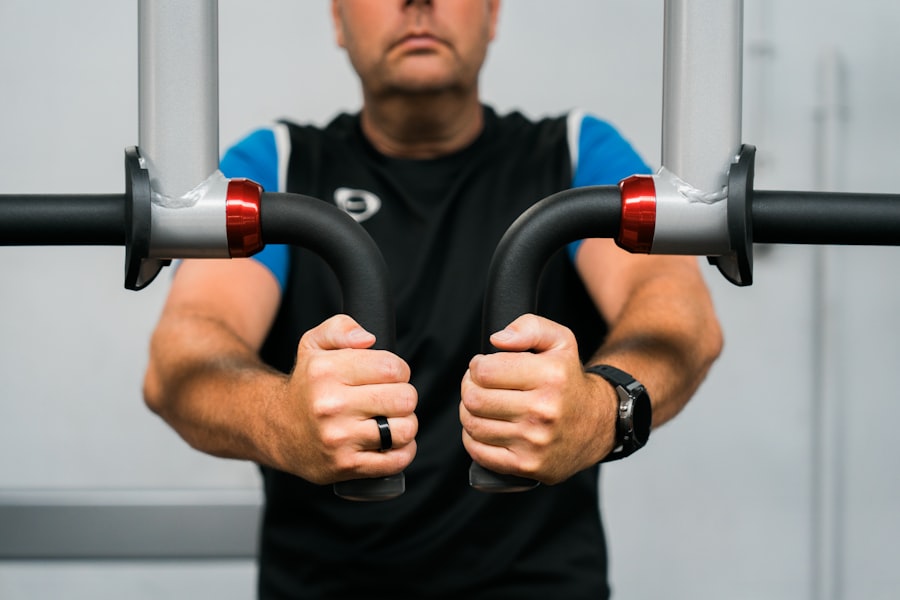
A well-organized tracking system is the engine that drives your progress. It ensures that the data you collect is meaningful and actionable.
The Power of the Training Logbook
Your training logbook is more than just a notebook; it’s a historical record of your dedication and a crystal ball revealing your future potential.
Essential Components of a Training Log
- Date and Time of Workout: Provides context for your training schedule.
- Exercises Performed: List every exercise, including variations.
- Sets and Repetitions: Record the exact number of sets and repetitions completed for each exercise.
- Weight Lifted: Crucial for tracking progressive overload.
- Rest Periods: Note the duration of your rest between sets.
- RPE: Log your perceived exertion for each exercise or set.
- Notes on Form and Feel: Jot down any observations about your technique, muscle activation, or any discomfort. This qualitative data is invaluable.
- Recovery and Sleep: Briefly note your sleep duration and how you feel upon waking.
Digital vs. Analog Logs
- Digital Apps: Numerous fitness apps offer sophisticated logging capabilities, including exercise libraries, progress tracking charts, and even video analysis. They can automate data entry and provide instant feedback.
- Traditional Notebooks: For those who prefer a more tactile approach, a well-designed notebook can be equally effective. The act of handwriting can sometimes enhance memory retention.
Leveraging Technology for Advanced Tracking
Beyond basic logging, technology offers sophisticated tools to deepen your understanding of your progress.
Fitness Trackers and Wearables
- Heart Rate Monitoring: Devices can track your heart rate during workouts, providing insights into your cardiovascular exertion and recovery.
- Activity Tracking: Many wearables track steps, active minutes, and sleep patterns, offering a holistic view of your lifestyle that impacts muscle health.
- Workout Recognition: Some advanced devices can automatically detect and log certain types of exercises, simplifying data entry.
Body Composition Trackers
- Smart Scales: As mentioned earlier, smart scales can connect to apps and store your body composition data over time, allowing you to visualize trends.
- Progress Photo Apps: Visual documentation can be a powerful motivator. Regularly take photos of yourself in consistent lighting and poses to observe changes in muscle definition and size.
Regular Review and Analysis
Collecting data is only half the battle; the true value lies in understanding what it means.
Setting Review Intervals
- Weekly Check-ins: Briefly review your training log for the past week. Are you consistently hitting your targets? Are you seeing improvements in weight or reps?
- Monthly Performance Reviews: Conduct a more in-depth analysis. Compare your current strength numbers to your baseline and previous months. Assess trends in body composition and circumference measurements.
- Quarterly Goal Setting: Use your monthly reviews to adjust your training plan and set new goals for the next quarter. Are you on track to meet your larger objectives?
Identifying Patterns and Plateaus
- Recognizing Plateaus: If your progress stalls for several weeks, it’s a sign that your current approach needs adjustment. This might involve changing exercises, rep ranges, training volume, or even your diet.
- Understanding Recovery Needs: Analyzing your RPE and soreness levels alongside your training data can help you identify if you’re pushing too hard or not recovering sufficiently.
Optimizing Your Training for Muscle Growth After 60

Tracking is the measurement; training is the action. Here’s how to make your training as effective as possible.
The Foundation: Resistance Training
Resistance training is the primary stimulus for muscle hypertrophy and strength development.
Key Principles of Effective Resistance Training
- Progressive Overload: Continuously challenge your muscles by gradually increasing the weight, repetitions, sets, or decreasing rest periods. This is the engine of muscle growth.
- Compound Movements: Prioritize multi-joint exercises that work multiple muscle groups simultaneously (e.g., squats, deadlifts, bench presses, overhead presses, rows). These are metabolically demanding and efficient.
- Proper Form: Always prioritize correct technique over lifting heavier weight. Poor form can lead to injury and diminished results.
- Mind-Muscle Connection: Focus on feeling the target muscle working during each repetition. This reinforces proper activation and enhances muscle engagement.
Exercise Selection for Muscle Growth
- Legs: Squats (bodyweight, goblet, or barbell), lunges, leg presses, Romanian deadlifts, calf raises.
- Chest: Bench press (various grips), incline dumbbell press, push-ups, dumbbell flyes.
- Back: Deadlifts, pull-ups (assisted if needed), lat pulldowns, seated rows, bent-over rows.
- Shoulders: Overhead press (barbell or dumbbell), lateral raises, front raises, rear delt flyes.
- Arms: Bicep curls (various types), triceps extensions (overhead, pushdowns), dips.
The Role of Nutrition
Muscle growth is a complex biochemical process requiring the right fuel.
Protein Intake: The Building Blocks
- Recommended Daily Intake: Aim for at least 1.6 to 2.2 grams of protein per kilogram of body weight per day. This is crucial for muscle repair and synthesis.
- Distribution Throughout the Day: Spread your protein intake across multiple meals and snacks to maintain a consistent supply of amino acids.
- Sources of Protein: Lean meats, poultry, fish, eggs, dairy products, legumes, tofu, and protein supplements.
Carbohydrates and Fats: Energy and Hormonal Support
- Complex Carbohydrates: Provide sustained energy for your workouts and replenish glycogen stores. Examples include whole grains, fruits, and vegetables.
- Healthy Fats: Essential for hormone production, including testosterone, which plays a role in muscle building. Include sources like avocados, nuts, seeds, and olive oil.
Recovery: The Unsung Hero
Muscle growth occurs not during the workout, but during the recovery period.
Sleep Quality and Quantity
- Aim for 7-9 Hours: Sufficient sleep is critical for muscle repair, hormone regulation, and overall recovery.
- Establish a Sleep Routine: Go to bed and wake up around the same time each day, even on weekends, to regulate your circadian rhythm.
Active Recovery and Rest
- Rest Days: Incorporate dedicated rest days into your training schedule to allow your muscles to repair and rebuild.
- Low-Intensity Activities: Light activities like walking, swimming, or gentle stretching on rest days can improve blood flow and aid recovery.
As we age, tracking muscle progress becomes increasingly important, especially after the age of 60. One effective way to monitor your strength and fitness is by incorporating regular assessments and keeping a detailed log of your workouts. For more insights on maintaining health and wellness in your golden years, you might find this article on senior health particularly helpful. It offers valuable tips and strategies that can complement your muscle tracking efforts. To read more, visit this resource for guidance tailored to seniors.
Recognizing and Overcoming Plateaus
| Metric | Method of Measurement | Frequency | Notes |
|---|---|---|---|
| Muscle Mass | Bioelectrical Impedance Analysis (BIA) or DEXA Scan | Every 3-6 months | DEXA is more accurate but less accessible; BIA is convenient for home use |
| Muscle Strength | Handgrip Dynamometer or 1RM (One Repetition Maximum) Tests | Monthly or bi-monthly | Handgrip strength correlates with overall muscle strength and health |
| Muscle Endurance | Number of Repetitions at a Given Weight or Bodyweight Exercises | Monthly | Track reps to see endurance improvements over time |
| Body Circumference | Measuring Tape (e.g., arm, thigh, calf) | Monthly | Consistent measurement location and technique is important |
| Functional Performance | Timed Up and Go Test, Chair Stand Test | Every 3 months | Assesses mobility and lower body strength |
| Body Fat Percentage | Skinfold Calipers or BIA | Every 3-6 months | Helps differentiate muscle gain from fat gain |
| Progress Photos | Standardized Photos from Multiple Angles | Monthly | Visual tracking of muscle definition and size changes |
Plateaus are like stubborn weeds in your garden; they can hinder growth if left unchecked. Understanding and overcoming them is key to continuous progress.
Understanding the Science Behind Plateaus
- Adaptation: Your body is incredibly efficient at adapting to stress. Once it becomes accustomed to a particular training stimulus, progress can slow.
- Overtaining: Pushing too hard without adequate recovery can lead to a catabolic state, where your body breaks down muscle tissue.
- Nutritional Deficiencies: Inadequate protein or calorie intake can limit your body’s ability to build muscle.
- Lack of Variety: Performing the same exercises with the same parameters consistently can lead to stagnation.
Strategies to Break Through Plateaus
- Vary Your Training Stimulus:
- Change Exercise Variations: Switch from barbell squats to dumbbell squats, or from barbell rows to machine rows.
- Alter Rep Ranges: If you typically train in the 8-12 rep range, try a period of 5-8 reps (focused on strength) or 12-15 reps (focused on endurance).
- Introduce New Techniques: Incorporate techniques like drop sets, supersets, or rest-pause training.
- Periodization: Cycle through different training phases with varying intensities, volumes, and exercise selections.
- Deload Weeks: Schedule a week of significantly reduced training volume and intensity every 4-8 weeks to allow your body to fully recover and prepare for renewed progress.
- Re-evaluate Your Nutrition: Ensure you’re consuming enough protein and overall calories to support muscle growth. Consider consulting a registered dietitian.
- Prioritize Sleep and Recovery: Double down on your sleep hygiene and consider techniques like foam rolling or massage therapy.
- Listen to Your Body: If you’re consistently experiencing pain or extreme fatigue, it’s a signal to back off and re-evaluate your training plan.
Staying Motivated and Consistent
Consistency is the mortar that holds the bricks of your progress together. Maintaining motivation is essential for long-term success.
Setting Realistic Goals
- SMART Goals: Ensure your goals are Specific, Measurable, Achievable, Relevant, and Time-bound. Instead of “get stronger,” aim for “increase my bench press by 5kg in the next 8 weeks.”
- Celebrate Small Wins: Acknowledge and reward yourself for achieving smaller milestones along the way. This reinforces positive behavior.
Finding a Support System
- Training Partner: Working out with a friend can provide accountability, motivation, and a sense of camaraderie.
- Fitness Community: Join online forums, social media groups, or local fitness clubs to connect with like-minded individuals.
- Professional Guidance: Consider working with a qualified personal trainer or coach who specializes in training older adults. They can provide personalized guidance and support.
Visualizing Success
- Positive Self-Talk: Cultivate a positive mindset and focus on your capabilities and progress.
- Motivational Imagery: Regularly visualize yourself achieving your goals and enjoying the benefits of your hard work.
By diligently tracking your muscle progress, understanding the science behind it, and implementing a smart training and nutrition strategy, you are not just maintaining muscle after 60; you are actively building a stronger, more resilient, and more capable you. The numbers you record are more than just data; they are daily victories, tangible proof of your commitment to a vibrant and active life.
FAQs
How can I measure muscle progress effectively after age 60?
You can measure muscle progress by tracking changes in muscle size using tape measurements, monitoring strength improvements through weightlifting or resistance exercises, and assessing functional abilities like balance and mobility. Regularly taking photos and noting physical changes can also help.
Is it important to track muscle progress differently after age 60 compared to younger ages?
Yes, after age 60, muscle growth may be slower, and recovery times longer. Tracking should focus not only on size and strength but also on improvements in endurance, flexibility, and overall functional fitness to ensure safe and effective progress.
What tools or methods are recommended for tracking muscle progress in older adults?
Recommended tools include measuring tapes for circumference, body composition scales, strength testing equipment, and fitness apps or journals to log workouts and progress. Consulting with a fitness professional can also provide personalized tracking methods.
How often should muscle progress be tracked after age 60?
Tracking progress every 4 to 6 weeks is generally effective, allowing enough time to see measurable changes while maintaining motivation. More frequent tracking may lead to frustration due to natural fluctuations in muscle size and strength.
Are there specific signs of muscle progress to look for beyond size and strength?
Yes, improvements in balance, coordination, endurance, posture, and daily functional abilities such as climbing stairs or carrying groceries are important indicators of muscle progress, especially for maintaining independence and quality of life after age 60.