
Tomatoes and peppers are staples in many diets around the world, celebrated for their vibrant flavors and nutritional benefits.
Understanding tomato and pepper allergies is crucial for anyone who suspects they may be affected.
These allergies can manifest in various ways, and recognizing the signs early can help you manage your health more effectively. As you delve into the world of food allergies, it’s essential to grasp the underlying mechanisms that lead to these reactions. Allergies occur when your immune system mistakenly identifies a harmless substance as a threat, prompting an immune response.
In the case of tomatoes and peppers, proteins found in these foods can trigger such responses in sensitive individuals. This article aims to provide you with a comprehensive overview of tomato and pepper allergies, including their symptoms, causes, diagnosis, treatment options, and more.
Key Takeaways
- Tomato and pepper allergies are less common than other food allergies but can still cause significant discomfort and health issues for those affected.
- Symptoms of tomato and pepper allergies can range from mild to severe, including hives, itching, swelling, and even anaphylaxis in some cases.
- Stomach pain from tomatoes and peppers can be caused by a variety of factors, including allergies, intolerance, or other digestive issues.
- Diagnosis of tomato and pepper allergies often involves skin prick tests, blood tests, and keeping a food diary to track symptoms and triggers.
- Treatment options for tomato and pepper allergies include avoiding the allergens, carrying an epinephrine auto-injector, and seeking medical attention if a severe reaction occurs.
Symptoms of Tomato and Pepper Allergies
When you consume tomatoes or peppers and have an allergy, your body may react in various ways. Common symptoms include hives, itching, or swelling, particularly around the mouth and throat. You might also experience gastrointestinal issues such as nausea, vomiting, or diarrhea shortly after eating these foods.
These symptoms can be distressing and may lead you to avoid tomatoes and peppers altogether. In more severe cases, you could face anaphylaxis, a life-threatening reaction that requires immediate medical attention. Symptoms of anaphylaxis include difficulty breathing, rapid heartbeat, and a sudden drop in blood pressure.
If you ever experience these symptoms after consuming tomatoes or peppers, it’s crucial to seek emergency help right away. Understanding these symptoms can empower you to take action quickly and protect your health.
Causes of Stomach Pain from Tomatoes and Peppers
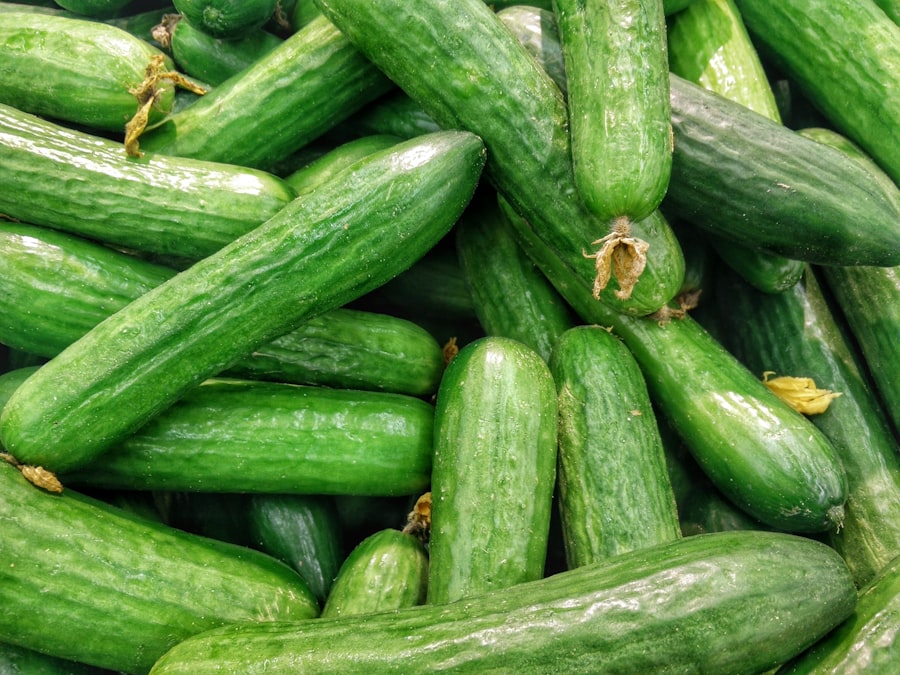
Stomach pain after consuming tomatoes or peppers can stem from several factors beyond allergies. For some individuals, the acidity of tomatoes can irritate the stomach lining, leading to discomfort or pain. This is particularly true for those with pre-existing gastrointestinal conditions such as acid reflux or gastritis.
If you find that tomatoes consistently upset your stomach, it may be worth considering whether acidity is the culprit. Additionally, certain compounds found in peppers, such as capsaicin, can also lead to digestive distress. Capsaicin is responsible for the heat in spicy peppers and can irritate the gastrointestinal tract in some people.
If you enjoy spicy foods but find that they often lead to stomach pain, it might be time to reassess your tolerance levels. Understanding these causes can help you make informed dietary choices that align with your health needs.
Diagnosis of Tomato and Pepper Allergies
| Diagnosis | Tomato Allergy | Pepper Allergy |
|---|---|---|
| Skin Prick Test | Positive reaction to tomato extract | Positive reaction to pepper extract |
| Blood Test | Elevated levels of IgE antibodies to tomato proteins | Elevated levels of IgE antibodies to pepper proteins |
| Oral Food Challenge | Development of symptoms after consuming tomato | Development of symptoms after consuming pepper |
If you suspect that you have a tomato or pepper allergy, seeking a proper diagnosis is essential. The first step typically involves consulting with an allergist or healthcare provider who specializes in food allergies. They may begin with a thorough medical history and a discussion of your symptoms to determine if an allergy is likely.
To confirm a diagnosis, your healthcare provider may recommend skin prick tests or blood tests to measure your immune response to specific proteins found in tomatoes and peppers. Skin prick tests involve placing a small amount of the allergen on your skin and observing for any reactions. Blood tests can provide additional information about your immune system’s response to these foods.
A definitive diagnosis will help you understand your condition better and guide your management strategies.
Treatment Options for Tomato and Pepper Allergies
Once diagnosed with a tomato or pepper allergy, it’s crucial to explore treatment options that can help you manage your symptoms effectively. The primary approach is avoidance; steering clear of tomatoes and peppers is essential to prevent allergic reactions. This may require careful label reading and asking about ingredients when dining out.
In cases where accidental exposure occurs, having an emergency plan is vital. Your healthcare provider may prescribe an epinephrine auto-injector for severe reactions like anaphylaxis. Additionally, antihistamines can help alleviate mild symptoms such as itching or hives.
It’s important to discuss these options with your healthcare provider to ensure you have the right tools at your disposal for managing your allergy.
Tips for Managing Tomato and Pepper Allergies
Managing tomato and pepper allergies requires diligence and awareness in your daily life. One of the most effective strategies is to educate yourself about food labels and ingredient lists. Many processed foods contain tomatoes or peppers in various forms, such as sauces or seasonings, so being vigilant about what you consume is crucial.
Another helpful tip is to communicate openly with friends and family about your allergies. When dining out or attending social gatherings, don’t hesitate to inform hosts about your dietary restrictions. This not only helps ensure your safety but also raises awareness about food allergies among those around you.
By taking proactive steps in managing your allergies, you can enjoy social situations without compromising your health.
Cross-Reactivity with Other Foods
Cross-reactivity is an important concept to understand when dealing with food allergies. It occurs when proteins in one food are similar to those in another food, leading your immune system to react to both. In the case of tomato and pepper allergies, individuals may also react to other members of the nightshade family, such as eggplants and potatoes.
If you have a known allergy to tomatoes or peppers, it’s wise to monitor your reactions to other nightshade vegetables as well. Some people may find that they can tolerate certain nightshades while reacting strongly to others. Keeping a food diary can help you track any patterns in your reactions and identify potential cross-reactive foods.
Potential Complications of Tomato and Pepper Allergies
While many individuals manage their tomato and pepper allergies successfully, there are potential complications that can arise if these allergies are not taken seriously. One significant risk is the development of anaphylaxis, which can occur unexpectedly even after consuming small amounts of the allergen. This life-threatening reaction requires immediate medical intervention.
Additionally, living with food allergies can lead to anxiety or stress related to eating out or social situations where food is involved. The fear of accidental exposure can impact your quality of life and lead to social isolation if not addressed properly. Seeking support from allergy support groups or counseling can be beneficial in navigating these emotional challenges.
Prevention of Tomato and Pepper Allergies
While some individuals may be genetically predisposed to food allergies, there are steps you can take to potentially reduce the risk of developing tomato and pepper allergies. Early introduction of various foods during childhood has been shown to play a role in preventing food allergies. If you are a parent, consider discussing this with your pediatrician for tailored advice on introducing allergenic foods.
Additionally, maintaining a balanced diet rich in diverse nutrients can support overall immune health. While there’s no guaranteed way to prevent food allergies entirely, fostering a healthy lifestyle may contribute positively to your body’s ability to handle various foods.
Impact of Tomato and Pepper Allergies on Daily Life
Living with tomato and pepper allergies can significantly impact your daily life in various ways. Meal planning becomes essential as you navigate grocery shopping and dining out while avoiding these allergens. You may find yourself spending more time reading labels or preparing meals at home to ensure safety.
Social situations can also pose challenges; attending gatherings where food is served may require extra caution and communication with hosts about your dietary restrictions. However, with proper management strategies in place, many individuals successfully navigate these challenges while still enjoying their lives fully.
Conclusion and Resources for Further Information
In conclusion, understanding tomato and pepper allergies is vital for anyone affected by them or who suspects they might be. By recognizing symptoms, seeking proper diagnosis, and implementing effective management strategies, you can lead a fulfilling life while avoiding potential allergens. Remember that support is available through healthcare providers and allergy support groups.
For further information on tomato and pepper allergies, consider visiting reputable resources such as the American Academy of Allergy Asthma & Immunology (AAAAI) or the Food Allergy Research & Education (FARE) organization. These platforms offer valuable insights into managing food allergies effectively while providing community support for those navigating similar challenges.
If you’ve ever experienced stomach pain after eating certain vegetables, you’re not alone. Some vegetables, particularly those high in fiber or certain types of carbohydrates, can cause digestive discomfort for some people. For more information on how vegetables can impact digestive health, you might find this article on Explore Senior Health insightful. It delves into the reasons why some vegetables might cause stomach pain and offers tips on how to manage these symptoms effectively.
Over 60? Ditch THIS Sneaky Veggie Wrecking Digestion, Bloating, and Microbiome Balance.
FAQs
What are some vegetables that can cause stomach pain?
Some vegetables that can cause stomach pain for some individuals include broccoli, cauliflower, cabbage, onions, and peppers.
Why do certain vegetables cause stomach pain?
Certain vegetables contain compounds such as raffinose, fructans, and sulfur that can be difficult for some people to digest, leading to stomach pain and discomfort.
How can I reduce stomach pain from eating vegetables?
To reduce stomach pain from eating vegetables, you can try cooking them thoroughly, removing the skins and seeds, and consuming smaller portions. You can also try incorporating digestive aids such as probiotics or digestive enzymes.
Are there any vegetables that are less likely to cause stomach pain?
Some vegetables that are less likely to cause stomach pain include carrots, spinach, zucchini, and green beans. These vegetables are generally easier to digest for most people.
When should I see a doctor about stomach pain from vegetables?
If you experience severe or persistent stomach pain after consuming vegetables, it is important to consult a doctor to rule out any underlying digestive issues or food intolerances.