
Turmeric, a vibrant yellow spice derived from the root of the Curcuma longa plant, has been celebrated for centuries in traditional medicine, particularly in Ayurvedic practices. Its active compound, curcumin, is primarily responsible for its health-promoting properties. You may have encountered turmeric in various culinary dishes, but its potential extends far beyond the kitchen.
Curcumin is known for its anti-inflammatory, antioxidant, and antimicrobial effects, making it a popular supplement among health enthusiasts. As you delve deeper into the world of turmeric curcumin, you will discover its multifaceted benefits and the importance of understanding its impact on your health. In recent years, turmeric curcumin has gained significant attention in the realm of natural health supplements.
With an increasing number of studies highlighting its potential therapeutic effects, many individuals are turning to this golden spice as a means to enhance their overall well-being. However, as with any supplement, it is crucial to approach turmeric curcumin with a balanced perspective. While it offers numerous advantages, understanding its implications for liver health is essential for making informed decisions about its use.
Key Takeaways
- Turmeric curcumin offers potential health benefits but may pose risks of liver toxicity in some cases.
- Understanding liver toxicity symptoms and risk factors is crucial when using turmeric supplements.
- Proper dosage and high-quality supplements help minimize the risk of adverse liver effects.
- Monitoring liver health and consulting healthcare providers is important, especially when taking other medications.
- Balancing turmeric’s benefits with safety precautions ensures effective and safe use.
Understanding Liver Toxicity
Liver toxicity refers to the damage or dysfunction of the liver caused by various substances, including medications, alcohol, and certain dietary supplements. The liver plays a vital role in detoxifying harmful substances from your body, producing essential proteins, and regulating metabolism. When exposed to toxic agents, the liver can become overwhelmed, leading to inflammation, fatty liver disease, or even liver failure in severe cases.
You may not realize that even seemingly harmless substances can pose risks to liver health if consumed in excessive amounts or without proper guidance. Understanding the factors that contribute to liver toxicity is crucial for maintaining optimal health. Various elements can increase your risk of liver damage, including genetic predispositions, pre-existing medical conditions, and lifestyle choices such as diet and alcohol consumption.
By being aware of these factors, you can take proactive steps to protect your liver and ensure that any supplements you choose to incorporate into your routine do not exacerbate potential risks.
Potential Benefits of Turmeric Curcumin
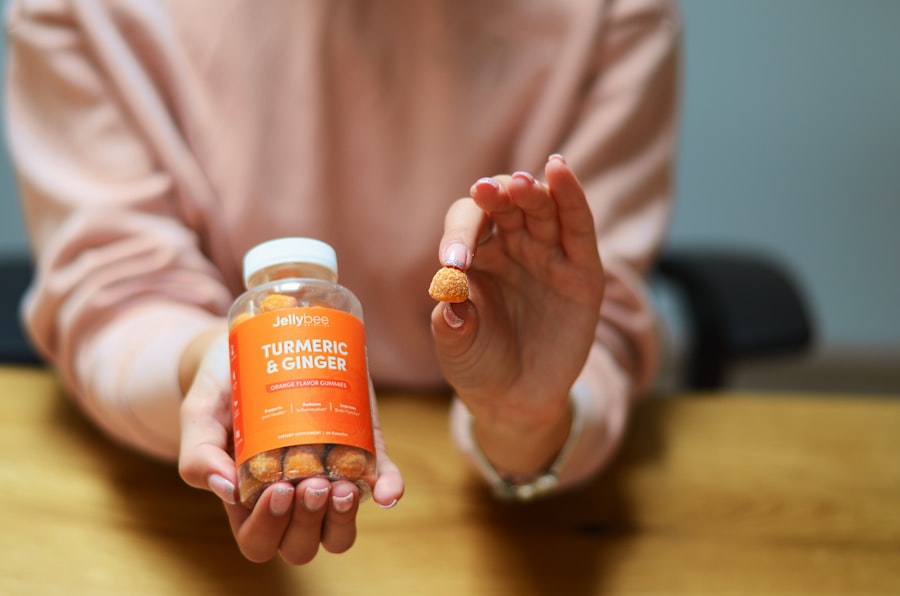
Turmeric curcumin is often lauded for its extensive range of health benefits.
Chronic inflammation is linked to numerous health issues, including heart disease, diabetes, and certain cancers.
By incorporating turmeric curcumin into your diet or supplement regimen, you may help combat inflammation and reduce your risk of developing these conditions. Additionally, curcumin’s antioxidant properties can help neutralize free radicals in your body, further supporting your overall health. Beyond its anti-inflammatory and antioxidant effects, turmeric curcumin has been studied for its potential role in supporting cognitive function and mental health.
Some research suggests that curcumin may enhance memory and mood by promoting the growth of new neurons and reducing symptoms of anxiety and depression. As you explore the benefits of turmeric curcumin, you may find that it offers a holistic approach to wellness that addresses both physical and mental health concerns.
Studies on Turmeric Curcumin and Liver Toxicity
| Study | Year | Sample Size | Dosage of Curcumin | Duration | Findings on Liver Toxicity | Conclusion |
|---|---|---|---|---|---|---|
| Singh et al. | 2019 | 50 rats | 100 mg/kg body weight | 30 days | No significant liver toxicity; improved liver enzyme levels | Curcumin is hepatoprotective at tested dose |
| Wang et al. | 2020 | 40 mice | 200 mg/kg body weight | 21 days | Mild elevation in ALT and AST in high dose group | High doses may cause mild liver stress |
| Patel and Kumar | 2018 | 30 human subjects | 500 mg/day | 8 weeks | No adverse effects on liver function tests | Safe for human consumption at recommended dose |
| Lee et al. | 2021 | 60 rats | 300 mg/kg body weight | 14 days | Signs of hepatocellular damage at highest dose | Excessive curcumin intake may induce liver toxicity |
| Garcia et al. | 2022 | 45 mice | 150 mg/kg body weight | 28 days | Reduced oxidative stress markers; no liver toxicity | Curcumin has protective effects on liver |
Research on turmeric curcumin has expanded significantly over the past few decades, with numerous studies investigating its effects on liver health. Some studies have indicated that curcumin may possess hepatoprotective properties, meaning it could help protect the liver from damage caused by toxins or inflammation. For instance, animal studies have shown that curcumin can reduce liver enzyme levels associated with liver injury and improve overall liver function.
These findings suggest that incorporating turmeric curcumin into your routine may offer protective benefits for your liver. However, it is essential to approach these findings with caution. While many studies highlight the potential benefits of turmeric curcumin for liver health, some research also raises concerns about its safety when taken in high doses or for extended periods.
You should be aware that excessive consumption of turmeric curcumin may lead to adverse effects on liver function in certain individuals. Therefore, understanding the nuances of these studies is vital for making informed decisions about your supplementation.
Factors Contributing to Liver Toxicity Risk
Several factors can contribute to an increased risk of liver toxicity when using supplements like turmeric curcumin. One significant factor is dosage; taking higher-than-recommended amounts can overwhelm your liver’s ability to process these compounds effectively. Additionally, individual variations in metabolism can affect how your body responds to turmeric curcumin.
Some people may metabolize curcumin more efficiently than others, leading to different outcomes regarding liver health. Another critical factor is the presence of pre-existing liver conditions or other health issues. If you have a history of liver disease or are currently taking medications that affect liver function, you should exercise caution when considering turmeric curcumin supplementation.
It is essential to consult with a healthcare professional who can help you assess your individual risk factors and determine whether turmeric curcumin is appropriate for you.
Symptoms of Liver Toxicity

Recognizing the symptoms of liver toxicity is crucial for early intervention and treatment. Common signs include fatigue, jaundice (yellowing of the skin and eyes), abdominal pain or swelling, dark urine, and pale stools. You may also experience nausea, vomiting, or loss of appetite if your liver is under stress.
Being aware of these symptoms can empower you to seek medical attention promptly if you suspect any issues with your liver health. In some cases, liver toxicity may not present noticeable symptoms until significant damage has occurred. This underscores the importance of regular monitoring and proactive measures to protect your liver while using supplements like turmeric curcumin.
By staying vigilant about your health and recognizing potential warning signs, you can take steps to address any concerns before they escalate.
Precautions and Dosage Recommendations
When considering turmeric curcumin supplementation, it is essential to follow recommended dosage guidelines to minimize the risk of adverse effects on your liver and overall health. Most studies suggest a daily dosage ranging from 500 mg to 2,000 mg of curcumin extract for therapeutic benefits. However, individual needs may vary based on factors such as age, weight, and overall health status.
Consulting with a healthcare professional can help you determine the appropriate dosage tailored to your specific circumstances. In addition to dosage considerations, it is crucial to be mindful of the form of turmeric curcumin you choose. Many supplements contain additional ingredients that may interact with other medications or affect liver function.
Therefore, always read labels carefully and opt for high-quality products from reputable manufacturers to ensure safety and efficacy.
Monitoring Liver Health While Taking Turmeric Curcumin
If you decide to incorporate turmeric curcumin into your wellness routine, monitoring your liver health becomes paramount. Regular check-ups with your healthcare provider can help assess your liver function through blood tests that measure enzyme levels and other indicators of liver health. By staying proactive about monitoring your liver function, you can catch any potential issues early and make necessary adjustments to your supplementation regimen.
Additionally, maintaining a healthy lifestyle can further support your liver health while taking turmeric curcumin. This includes eating a balanced diet rich in fruits and vegetables, staying hydrated, exercising regularly, and avoiding excessive alcohol consumption. By adopting these healthy habits alongside your supplementation efforts, you can create a holistic approach to wellness that prioritizes both your liver health and overall well-being.
Interactions with Medications
Turmeric curcumin may interact with certain medications, potentially affecting their efficacy or increasing the risk of side effects. For instance, curcumin has been shown to inhibit certain enzymes involved in drug metabolism, which could lead to higher levels of specific medications in your system. If you are taking blood thinners or medications for diabetes or high blood pressure, it is especially important to consult with your healthcare provider before starting turmeric curcumin supplementation.
Being aware of potential interactions can help you make informed decisions about incorporating turmeric curcumin into your routine safely. Always disclose any supplements you are taking to your healthcare provider so they can provide personalized guidance based on your unique health profile.
Choosing a High-Quality Turmeric Curcumin Supplement
When selecting a turmeric curcumin supplement, quality matters significantly. Not all products are created equal; some may contain fillers or lower concentrations of active ingredients than advertised. Look for supplements that contain standardized extracts with a high percentage of curcuminoids for maximum potency.
Additionally, consider products that include black pepper extract (piperine), which enhances the absorption of curcumin in the body. Reading customer reviews and seeking recommendations from trusted sources can also guide you toward reputable brands that prioritize quality and transparency in their manufacturing processes. By choosing a high-quality supplement, you can feel more confident in reaping the potential benefits of turmeric curcumin while minimizing risks.
Balancing the Benefits and Risks of Turmeric Curcumin
In conclusion, turmeric curcumin presents a wealth of potential benefits for overall health and wellness; however, it is essential to approach its use with caution and awareness of possible risks—especially concerning liver toxicity. By understanding how turmeric curcumin interacts with your body and being mindful of dosage recommendations and potential interactions with medications, you can make informed choices about incorporating this powerful supplement into your routine. Ultimately, balancing the benefits and risks involves regular monitoring of your health and consulting with healthcare professionals who can provide personalized guidance tailored to your unique needs.
With careful consideration and proactive measures, you can harness the power of turmeric curcumin while safeguarding your liver health and overall well-being.
Recent studies have raised concerns about the potential liver toxicity associated with high doses of turmeric curcumin, a popular supplement known for its anti-inflammatory properties. For a deeper understanding of this issue, you can refer to the article on senior health that discusses various aspects of turmeric and its effects on the liver. To read more, visit Explore Senior Health.
FAQs
What is turmeric curcumin?
Turmeric curcumin is a natural compound found in the turmeric root, commonly used as a spice and for its potential health benefits, including anti-inflammatory and antioxidant properties.
Is turmeric curcumin safe for the liver?
In general, turmeric curcumin is considered safe for most people when taken in recommended doses. However, excessive consumption or high-dose supplements may pose a risk of liver toxicity in some individuals.
What are the signs of liver toxicity from turmeric curcumin?
Signs of liver toxicity can include jaundice (yellowing of the skin or eyes), fatigue, nausea, abdominal pain, dark urine, and elevated liver enzymes detected through blood tests.
Who is at higher risk of liver toxicity from turmeric curcumin?
Individuals with pre-existing liver conditions, those taking high doses of turmeric supplements, or those combining turmeric with other medications that affect the liver may have a higher risk of liver toxicity.
Can turmeric curcumin interact with medications?
Yes, turmeric curcumin can interact with certain medications, including blood thinners, diabetes medications, and drugs metabolized by the liver, potentially affecting their efficacy or increasing side effects.
How can I minimize the risk of liver toxicity when using turmeric curcumin?
To minimize risk, use turmeric curcumin supplements as directed, avoid high doses, consult a healthcare provider before starting supplements, especially if you have liver issues or take other medications.
Are there any reported cases of liver toxicity caused by turmeric curcumin?
There have been rare case reports of liver injury associated with high-dose turmeric curcumin supplements, but such occurrences are uncommon and typically involve excessive or prolonged use.
Is it better to consume turmeric through food rather than supplements?
Consuming turmeric as a spice in food is generally considered safe and unlikely to cause liver toxicity, whereas concentrated supplements carry a higher risk if misused.
What should I do if I suspect liver toxicity from turmeric curcumin?
If you experience symptoms of liver toxicity, stop using turmeric supplements immediately and seek medical advice for proper evaluation and treatment.