Resistant starch is a type of carbohydrate that resists digestion in the small intestine. Unlike conventional starches that are broken down into glucose for immediate energy use, resistant starch passes through the digestive system without being fully absorbed. This property allows it to function similarly to dietary fiber.
It serves as a prebiotic, feeding beneficial bacteria in the colon and supporting gut microbiome health. Studies have demonstrated its ability to improve insulin sensitivity and help moderate postprandial blood glucose responses.
The fermentation of resistant starch by colonic bacteria produces short-chain fatty acids, which may contribute to metabolic health. Clinical evidence suggests resistant starch can influence satiety mechanisms, potentially affecting food intake and weight management. Its slower digestion rate and lower glycemic impact make it particularly relevant for individuals managing blood sugar levels.
The compound occurs naturally in foods such as green bananas, cooked and cooled potatoes, legumes, and certain grains, and can also be produced through specific food processing methods.
Key Takeaways
- Resistant starch in beans supports gut health and improves digestion.
- Proper soaking and cooking methods enhance the resistant starch content in beans.
- Selecting specific types of beans can maximize resistant starch intake.
- Adding certain ingredients during cooking can boost resistant starch levels.
- Storing cooked beans correctly helps preserve their resistant starch benefits.
The Benefits of Cooking Beans for Resistant Starch
Cooking beans is a fundamental step in maximizing their nutritional potential, particularly when it comes to resistant starch. When you cook beans, the heat alters their structure, making them easier to digest while also enhancing their resistant starch content. This transformation occurs because cooking gelatinizes the starches, allowing some of them to resist digestion in the small intestine.
As a result, you not only enjoy the delicious flavors of beans but also reap the benefits of their enhanced resistant starch profile. Moreover, cooking beans can help reduce anti-nutrients such as lectins and phytic acid, which can interfere with nutrient absorption. By properly cooking beans, you not only increase their resistant starch content but also make them more nutritious overall.
This means that you can enjoy a hearty meal while ensuring that your body is getting the most out of the food you consume.
Choosing the Right Beans for Resistant Starch

When it comes to selecting beans for their resistant starch content, variety matters. Different types of beans offer varying levels of resistant starch, so it’s essential to choose wisely. For instance, navy beans, black beans, and kidney beans are known for their higher resistant starch levels compared to other varieties.
By incorporating a mix of these beans into your diet, you can diversify your nutrient intake while maximizing the benefits of resistant starch. In addition to considering the type of bean, it’s also important to think about their freshness and quality. Dried beans are often more nutrient-dense than canned varieties, as they typically contain fewer preservatives and additives.
When selecting dried beans, look for those that are free from blemishes and have a uniform color. By choosing high-quality beans, you can ensure that you’re getting the most out of their resistant starch content.
Soaking Beans for Resistant Starch
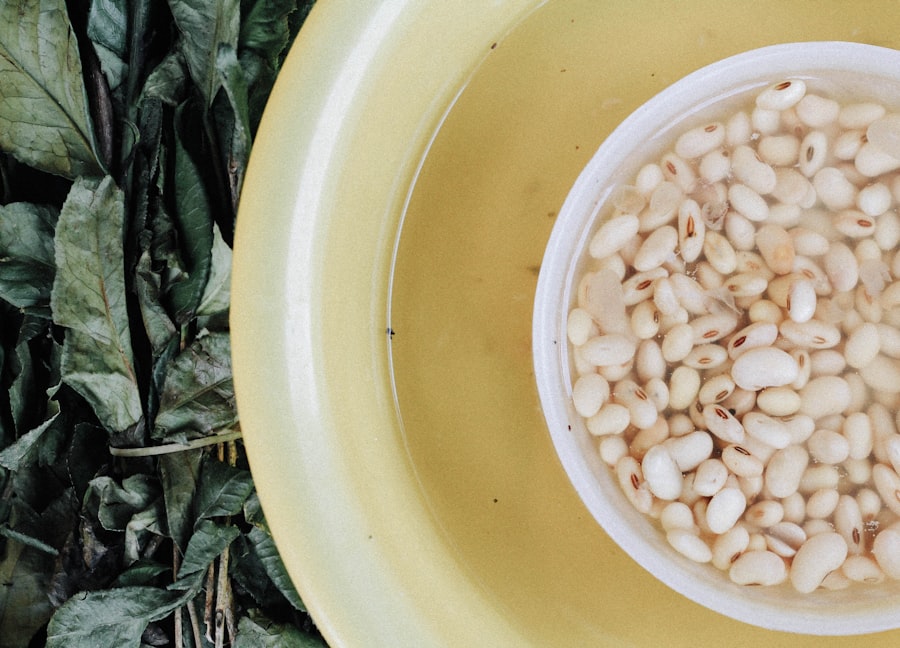
Soaking beans before cooking is a traditional practice that offers several advantages, particularly when it comes to enhancing resistant starch levels. Soaking helps to soften the beans, making them easier to cook and digest. Additionally, this process can help reduce cooking time and improve the overall texture of the beans.
By soaking your beans overnight or for several hours before cooking, you set the stage for a more enjoyable culinary experience. Furthermore, soaking beans can also help to eliminate some of the anti-nutrients that may hinder nutrient absorption. This means that not only will you be increasing the resistant starch content in your beans, but you’ll also be making them more nutritious overall.
Soaking is a simple yet effective step that can significantly enhance the health benefits of your meals.
Cooking Methods for Maximizing Resistant Starch in Beans
| Step | Action | Details | Effect on Resistant Starch |
|---|---|---|---|
| 1 | Soaking | Soak beans in water for 8-12 hours before cooking | Reduces cooking time and helps preserve resistant starch |
| 2 | Cooking Temperature | Cook beans at a gentle simmer (85-95°C) rather than boiling vigorously | Prevents breakdown of resistant starch |
| 3 | Cooking Time | Cook beans until tender but not mushy (usually 45-60 minutes) | Maintains higher levels of resistant starch compared to overcooking |
| 4 | Cooling | Cool cooked beans in the refrigerator for at least 12 hours | Increases resistant starch through retrogradation |
| 5 | Reheating | Reheat beans gently without boiling | Resistant starch remains relatively stable after reheating |
The method you choose for cooking beans can significantly impact their resistant starch content. While boiling is a common technique, other methods such as pressure cooking or slow cooking can also be effective in preserving and enhancing resistant starch levels. Pressure cooking, for instance, can reduce cooking time while ensuring that the beans are cooked thoroughly, which helps maintain their nutritional integrity.
Another method worth considering is cooling cooked beans before consuming them. When you cook and then cool beans, some of the starches undergo retrogradation, which increases their resistant starch content. This means that if you prepare a batch of beans and allow them to cool in the refrigerator before using them in salads or other dishes, you’ll be maximizing their health benefits.
Experimenting with different cooking methods can help you discover what works best for you while ensuring that you’re getting the most out of your beans.
Adding Ingredients to Boost Resistant Starch in Beans
To further enhance the resistant starch content in your bean dishes, consider incorporating additional ingredients known for their high resistant starch levels. Foods like green bananas, cooked and cooled potatoes, and whole grains can complement your bean recipes while boosting their nutritional profile. By combining these ingredients with your beans, you create meals that are not only delicious but also packed with beneficial resistant starch.
Additionally, spices and herbs can play a role in enhancing the overall health benefits of your meals. Ingredients like garlic and turmeric not only add flavor but also possess anti-inflammatory properties that can support gut health. By thoughtfully selecting complementary ingredients, you can create well-rounded dishes that maximize both taste and nutrition.
Tips for Storing Cooked Beans to Maintain Resistant Starch
Proper storage of cooked beans is essential for preserving their resistant starch content and overall quality. After cooking your beans, allow them to cool completely before transferring them to an airtight container. Storing them in the refrigerator will help maintain their freshness and nutritional value.
It’s important to consume cooked beans within a few days to ensure they remain safe and nutritious. If you want to extend the shelf life of your cooked beans even further, consider freezing them. Freezing cooked beans not only preserves their resistant starch content but also allows you to have convenient meal options on hand for busy days.
When you’re ready to use them, simply thaw the beans in the refrigerator or reheat them directly from frozen in your favorite recipes.
Incorporating Resistant Starch Beans into Your Diet
Incorporating resistant starch-rich beans into your diet can be both enjoyable and beneficial for your health. Start by adding them to salads, soups, or stews for an extra boost of nutrition and flavor. You might also consider using beans as a base for veggie burgers or blending them into smoothies for added creaminess without sacrificing health benefits.
Experimenting with different cuisines can also help you discover new ways to enjoy resistant starch-rich beans. From Mexican black bean tacos to Mediterranean chickpea salads, there are countless recipes that highlight the versatility of beans while providing you with essential nutrients. By making a conscious effort to include these foods in your meals regularly, you’ll be well on your way to reaping the benefits of resistant starch.
Recipes and Meal Ideas Using Resistant Starch Beans
To inspire your culinary creativity, here are a few meal ideas that incorporate resistant starch-rich beans: 1. **Chickpea Salad**: Combine canned chickpeas with diced cucumbers, cherry tomatoes, red onion, and a dressing made from olive oil and lemon juice. This refreshing salad is not only delicious but also packed with fiber and resistant starch.
2. **Black Bean Tacos**: Mash black beans with spices like cumin and chili powder before filling corn tortillas with the mixture. Top with avocado slices and fresh cilantro for a satisfying meal that’s rich in nutrients.
3.
The combination of flavors will keep you warm while providing essential nutrients.
4. **Bean Burgers**: Blend cooked kidney beans with oats, spices, and chopped vegetables before forming patties and grilling them. These bean burgers are a fantastic alternative to traditional meat patties while offering a wealth of health benefits.
Potential Side Effects of Consuming Resistant Starch Beans
While incorporating resistant starch-rich beans into your diet offers numerous health benefits, it’s essential to be aware of potential side effects as well. Some individuals may experience digestive discomfort when consuming large amounts of fiber-rich foods like beans due to gas or bloating. To minimize these effects, it’s advisable to gradually increase your intake of resistant starch over time.
Additionally, if you have specific dietary restrictions or conditions such as irritable bowel syndrome (IBS), it’s crucial to consult with a healthcare professional before making significant changes to your diet. They can provide personalized guidance on how to incorporate resistant starch safely while addressing any concerns you may have.
Making the Most of Resistant Starch in Beans
In conclusion, understanding and incorporating resistant starch into your diet through beans can significantly enhance your overall health and well-being. By choosing the right types of beans, soaking them properly, and utilizing effective cooking methods, you can maximize their nutritional potential while enjoying delicious meals. Remember to experiment with various recipes and ingredients to keep your meals exciting and diverse.
As you embark on this journey toward better health through resistant starch-rich foods, be mindful of how your body responds and adjust accordingly. With thoughtful planning and creativity in the kitchen, you’ll be well-equipped to make the most of resistant starch in beans while enjoying all the benefits they have to offer.
If you’re looking to enhance your diet with resistant starch, cooking beans is a great way to do so. For a comprehensive guide on the health benefits of beans and how to prepare them to maximize their resistant starch content, check out this informative article on senior health. You can read more about it here: How to Cook Beans for Resistant Starch.
FAQs
What is resistant starch in beans?
Resistant starch is a type of carbohydrate that resists digestion in the small intestine and ferments in the large intestine. It acts like dietary fiber and can provide various health benefits, including improved gut health and better blood sugar control.
Why should I cook beans for resistant starch?
Cooking beans properly can increase their resistant starch content. When beans are cooked and then cooled, some of the starches convert into resistant starch, which can enhance their health benefits.
How do I cook beans to maximize resistant starch?
To maximize resistant starch, cook the beans thoroughly by boiling or pressure cooking until tender. After cooking, allow the beans to cool completely, preferably in the refrigerator, for several hours or overnight. This cooling process helps increase the resistant starch content.
Can I reheat beans after cooling them for resistant starch?
Yes, you can reheat beans after they have been cooled. While reheating may slightly reduce the resistant starch content, a significant amount typically remains, so you still benefit from the resistant starch.
Do all types of beans have resistant starch?
Most types of beans contain resistant starch, but the amount can vary depending on the variety and how they are prepared. Common beans like black beans, kidney beans, and chickpeas are good sources.
Is soaking beans necessary for resistant starch?
Soaking beans before cooking helps reduce cooking time and can improve digestibility, but it does not significantly affect the resistant starch content. The key factor for resistant starch is the cooking and cooling process.
Can canned beans be used to get resistant starch?
Canned beans are already cooked, so they contain some resistant starch. To increase resistant starch, you can rinse them and then cool them in the refrigerator before consumption.
Are there any health benefits to eating beans with resistant starch?
Yes, consuming beans with resistant starch can improve digestive health by promoting beneficial gut bacteria, help regulate blood sugar levels, and may aid in weight management by increasing feelings of fullness.