Blood Pressure and Sleep Apnea: Understanding the Basics
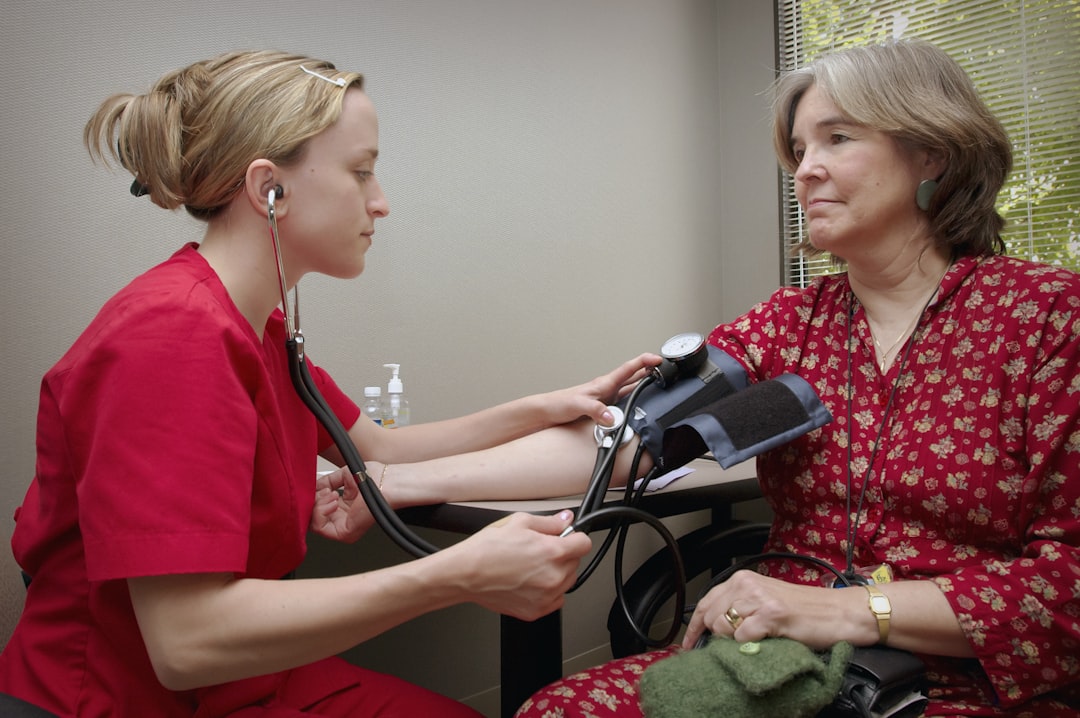
Blood pressure is the force of blood against vessel walls, measured in millimeters of mercury (mmHg). It is recorded as two values: systolic pressure (during heart contraction) over diastolic pressure (between contractions). A reading of approximately 120/80 mmHg is considered normal, while elevated readings indicate hypertension, which can lead to serious health complications.
Sleep apnea is a disorder characterized by repeated breathing interruptions during sleep. These pauses can range from seconds to minutes and may occur numerous times throughout the night. Obstructive sleep apnea (OSA), the most prevalent form, results from excessive relaxation of throat muscles that blocks the airway.
Beyond disrupting sleep quality, sleep apnea is associated with various health complications including cardiovascular disease, metabolic disorders, and cognitive dysfunction. These fundamental concepts provide context for examining the interconnection between these two medical conditions.
Key Takeaways
- Sleep apnea significantly contributes to the development and worsening of hypertension.
- Obstructive sleep apnea (OSA) plays a key role in elevating blood pressure, especially during sleep.
- Continuous Positive Airway Pressure (CPAP) therapy can effectively reduce blood pressure in patients with sleep apnea.
- Sleep apnea is closely linked to resistant and nocturnal hypertension, complicating blood pressure control.
- Managing sleep apnea through treatment and lifestyle changes is crucial for optimal blood pressure management.
The Relationship Between Sleep Apnea and Hypertension
The connection between sleep apnea and hypertension is well-documented in medical literature. Research indicates that individuals suffering from sleep apnea are at a significantly higher risk of developing high blood pressure compared to those without the disorder. This relationship is particularly concerning because hypertension itself is a major risk factor for heart disease, stroke, and other serious health complications.
As you delve deeper into this connection, it becomes clear that the mechanisms at play are complex and multifaceted. One of the primary ways sleep apnea contributes to hypertension is through the repeated episodes of oxygen deprivation that occur during apneic events. When your breathing stops temporarily during sleep, your body experiences a drop in oxygen levels, which triggers a stress response.
This response leads to the release of hormones such as adrenaline and cortisol, which can increase heart rate and constrict blood vessels, ultimately raising blood pressure. Over time, these repeated stress responses can lead to sustained hypertension, creating a vicious cycle that can be challenging to break.
How Sleep Apnea Affects Blood Pressure
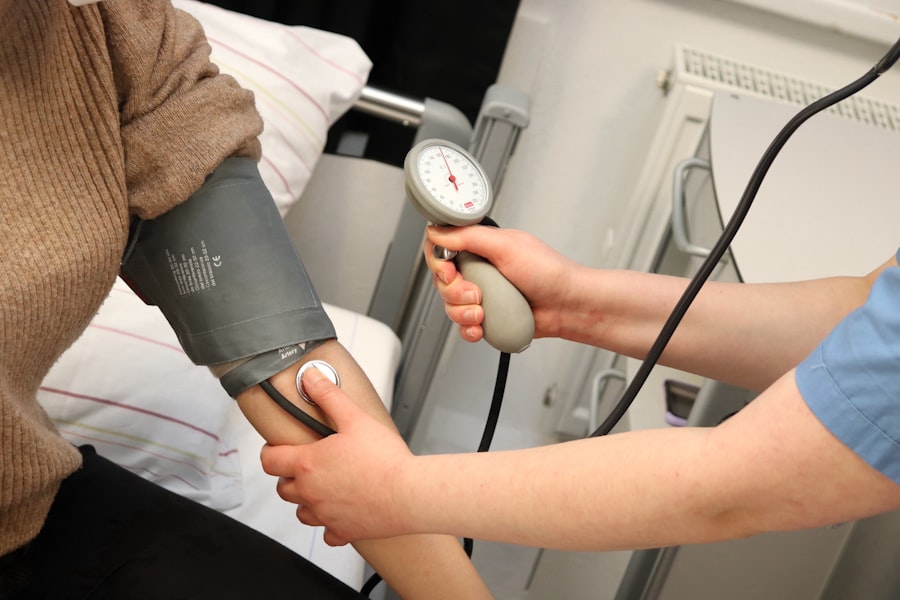
Sleep apnea affects blood pressure through several physiological mechanisms that are interlinked with your body’s response to sleep disturbances. When you experience an apneic episode, your body undergoes a series of changes that can lead to increased blood pressure. The most immediate effect is the activation of the sympathetic nervous system, which is responsible for the “fight or flight” response.
This activation causes your heart rate to increase and blood vessels to constrict, both of which contribute to elevated blood pressure levels. Moreover, the fragmented sleep caused by sleep apnea can lead to poor sleep quality and increased daytime fatigue. This lack of restorative sleep can further exacerbate hypertension by promoting unhealthy lifestyle choices such as poor diet and lack of exercise.
Additionally, chronic sleep deprivation has been linked to increased inflammation and insulin resistance, both of which are risk factors for hypertension. By understanding these mechanisms, you can better appreciate how addressing sleep apnea may be crucial for managing blood pressure effectively.
The Role of Obstructive Sleep Apnea in Hypertension
Obstructive sleep apnea plays a particularly significant role in the development of hypertension due to its prevalence and impact on overall health. OSA affects millions of people worldwide and is often underdiagnosed, leading many individuals to remain unaware of their condition until they experience severe health complications. The cyclical nature of OSA and hypertension means that if left untreated, one condition can exacerbate the other, creating a challenging health landscape.
In individuals with OSA, the repeated episodes of airway obstruction lead to intermittent hypoxia—periods where oxygen levels drop significantly. This hypoxia triggers a cascade of physiological responses that can result in increased blood pressure. Furthermore, OSA is often associated with other risk factors for hypertension, such as obesity and metabolic syndrome.
By recognizing the role of obstructive sleep apnea in hypertension, you can take proactive steps toward diagnosis and treatment, potentially mitigating the risks associated with both conditions.
The Impact of Continuous Positive Airway Pressure (CPAP) Therapy on Blood Pressure
| Metric | Value/Range | Relevance to Blood Pressure and Sleep Apnea |
|---|---|---|
| Prevalence of Hypertension in Sleep Apnea Patients | 30% – 50% | High prevalence indicating strong association between sleep apnea and elevated blood pressure |
| Average Systolic Blood Pressure Increase During Apnea Events | 10 – 20 mmHg | Transient spikes in blood pressure during apnea episodes contribute to overall hypertension risk |
| Apnea-Hypopnea Index (AHI) Severity | 5-15 (Mild), 15-30 (Moderate), >30 (Severe) | Higher AHI correlates with greater risk and severity of hypertension |
| Effect of CPAP Therapy on Blood Pressure | Reduction of 2-5 mmHg (average) | Continuous Positive Airway Pressure (CPAP) treatment lowers blood pressure in sleep apnea patients |
| Percentage of Resistant Hypertension Patients with Sleep Apnea | 70% – 85% | Sleep apnea is a common underlying factor in resistant hypertension cases |
| Nighttime Blood Pressure Dipping | Normal dip: 10-20%, Non-dipping: <10% | Sleep apnea patients often exhibit non-dipping blood pressure patterns, increasing cardiovascular risk |
Continuous Positive Airway Pressure (CPAP) therapy has emerged as a cornerstone treatment for obstructive sleep apnea and has shown promising results in managing blood pressure levels. CPAP works by delivering a steady stream of air through a mask worn during sleep, keeping the airway open and preventing apneic events. As you consider this treatment option, it’s important to understand its potential benefits for blood pressure management.
Numerous studies have demonstrated that consistent use of CPAP therapy can lead to significant reductions in both systolic and diastolic blood pressure among individuals with OSBy alleviating the airway obstruction and improving oxygenation during sleep, CPAP helps reduce the sympathetic nervous system’s activation that contributes to elevated blood pressure. Additionally, improved sleep quality resulting from CPAP use can lead to better overall health outcomes, including weight loss and enhanced metabolic function—factors that further support healthy blood pressure levels.
Identifying the Link Between Sleep Apnea and Resistant Hypertension

Resistant hypertension refers to high blood pressure that remains elevated despite treatment with multiple antihypertensive medications. This condition poses a significant challenge for healthcare providers and patients alike. Emerging research suggests that sleep apnea may be a contributing factor in cases of resistant hypertension, making it essential for you to consider this connection if you struggle with managing your blood pressure.
When sleep apnea goes undiagnosed or untreated, it can lead to persistent elevations in blood pressure that are difficult to control with medication alone. The intermittent hypoxia and sympathetic activation associated with OSA create a physiological environment that may render standard antihypertensive treatments less effective. By identifying and treating sleep apnea in individuals with resistant hypertension, healthcare providers may improve blood pressure control and reduce cardiovascular risk.
Exploring the Connection Between Sleep Apnea and Nocturnal Hypertension
Nocturnal hypertension refers to elevated blood pressure that occurs during nighttime hours while you are asleep. This phenomenon is particularly concerning because it can lead to increased cardiovascular risk even if daytime blood pressure readings appear normal. Research indicates that individuals with sleep apnea are more likely to experience nocturnal hypertension due to the repeated disruptions in breathing during sleep.
The relationship between sleep apnea and nocturnal hypertension is largely attributed to the same mechanisms that contribute to daytime hypertension: intermittent hypoxia and sympathetic nervous system activation. As your body struggles to maintain adequate oxygen levels during apneic events, it responds by increasing heart rate and constricting blood vessels—actions that elevate blood pressure during both waking and sleeping hours. Recognizing this connection underscores the importance of monitoring blood pressure patterns throughout the day and night for individuals diagnosed with sleep apnea.
The Importance of Treating Sleep Apnea for Blood Pressure Management
Treating sleep apnea is not just about improving sleep quality; it is also a critical component of effective blood pressure management. By addressing this underlying condition, you can significantly reduce your risk of developing hypertension or improve control over existing high blood pressure.
Moreover, successful treatment of sleep apnea can lead to improvements in overall well-being beyond just blood pressure control. Many individuals report increased energy levels, improved mood, and enhanced cognitive function after beginning treatment for sleep apnea. These benefits contribute to a healthier lifestyle that supports better management of blood pressure and reduces the risk of associated health complications.
Addressing the Coexistence of Sleep Apnea and Hypertension in Clinical Practice
In clinical practice, addressing the coexistence of sleep apnea and hypertension requires a comprehensive approach that considers both conditions simultaneously. As a patient, it is essential for you to communicate openly with your healthcare provider about any symptoms you may be experiencing related to sleep or daytime fatigue. This dialogue can facilitate timely diagnosis and treatment for both conditions.
Healthcare providers should routinely screen patients with hypertension for signs of sleep apnea, especially if they exhibit risk factors such as obesity or excessive daytime sleepiness. By integrating assessments for both conditions into routine care, providers can develop more effective treatment plans that address the interconnected nature of sleep apnea and hypertension. This holistic approach not only improves patient outcomes but also enhances overall quality of life.
Lifestyle Modifications for Managing Blood Pressure in Individuals with Sleep Apnea
In addition to medical treatments for sleep apnea and hypertension, lifestyle modifications play a crucial role in managing both conditions effectively. As someone navigating these challenges, you may find that adopting healthier habits can significantly impact your overall health and well-being. Simple changes such as maintaining a balanced diet rich in fruits, vegetables, whole grains, and lean proteins can help lower blood pressure while also supporting weight management—an important factor in reducing the severity of sleep apnea.
Engaging in moderate exercise for at least 150 minutes per week can help lower blood pressure levels while also promoting better sleep patterns. Additionally, avoiding alcohol consumption and quitting smoking are essential steps toward improving cardiovascular health and reducing the severity of sleep apnea symptoms.
Future Research Directions for Understanding the Blood Pressure and Sleep Apnea Connection
As our understanding of the relationship between blood pressure and sleep apnea continues to evolve, future research will play a pivotal role in uncovering new insights into this complex interplay. Investigating the underlying mechanisms linking these two conditions will be crucial for developing more effective treatment strategies tailored to individual patient needs. For instance, exploring genetic predispositions or biomarkers associated with both conditions could lead to earlier diagnosis and intervention.
Furthermore, research into innovative treatment modalities—such as combination therapies or alternative interventions—may provide new avenues for managing patients with coexisting sleep apnea and hypertension. As you stay informed about advancements in this field, you may find hope in emerging therapies that could enhance your quality of life while effectively managing both conditions simultaneously. The ongoing exploration of this connection promises not only improved patient outcomes but also a deeper understanding of how we can better support those affected by these prevalent health issues.
Research has shown a significant connection between blood pressure and sleep apnea, highlighting the importance of addressing sleep disorders to manage hypertension effectively. For more insights on this topic, you can read the article on senior health at Explore Senior Health. This resource provides valuable information on how sleep apnea can impact overall health, including its effects on blood pressure regulation.
FAQs
What is the connection between blood pressure and sleep apnea?
Sleep apnea, particularly obstructive sleep apnea (OSA), can cause repeated interruptions in breathing during sleep. These interruptions lead to drops in oxygen levels and trigger the body’s stress response, which can increase blood pressure. Over time, this can contribute to the development or worsening of hypertension (high blood pressure).
How does sleep apnea affect blood pressure?
Sleep apnea causes intermittent hypoxia (low oxygen levels) and sleep fragmentation, which activate the sympathetic nervous system. This activation results in elevated heart rate and blood vessel constriction, raising blood pressure both during sleep and wakefulness. Untreated sleep apnea is linked to resistant hypertension.
Can treating sleep apnea help control blood pressure?
Yes, treating sleep apnea, especially with continuous positive airway pressure (CPAP) therapy, has been shown to lower blood pressure in many patients. Effective treatment reduces the frequency of breathing interruptions, improves oxygen levels, and decreases sympathetic nervous system activity.
Is high blood pressure a risk factor for sleep apnea?
While high blood pressure itself does not cause sleep apnea, hypertension and sleep apnea often coexist. People with high blood pressure, especially resistant hypertension, are more likely to have undiagnosed sleep apnea.
Who should be screened for sleep apnea in relation to blood pressure?
Individuals with high blood pressure that is difficult to control, those with symptoms like loud snoring, daytime sleepiness, or observed breathing pauses during sleep, should be evaluated for sleep apnea. Early diagnosis and treatment can improve blood pressure management.
Are there lifestyle changes that can help both sleep apnea and blood pressure?
Yes, lifestyle modifications such as weight loss, regular exercise, avoiding alcohol and sedatives before bedtime, and maintaining a healthy diet can improve both sleep apnea symptoms and blood pressure control.
Can sleep apnea cause other cardiovascular problems besides high blood pressure?
Yes, untreated sleep apnea is associated with increased risk of heart disease, stroke, arrhythmias, and heart failure, partly due to its effects on blood pressure and oxygen deprivation during sleep.