
Fish skin broth is a culinary preparation made by simmering fish skin to create a nutrient-dense liquid. This broth contains collagen and other compounds extracted from the fish skin during the cooking process. The practice of using fish skin for broth production reflects traditional cooking methods that utilize all parts of the fish to minimize waste.
The increased interest in fish skin broth in recent years correlates with two main factors: the adoption of sustainable eating practices and the recognition of collagen’s nutritional value.
Incorporating fish skin broth into meals can reduce food waste while providing a protein-rich ingredient for various dishes.
You can find a delicious recipe for fish broth that is both flavorful and easy to make.
Key Takeaways
- Fish skin broth is a rich source of collagen, essential for skin, joint, and bone health.
- Various extraction methods impact the collagen yield and quality in fish skin broth.
- Different fish species provide varying levels of collagen, influencing broth nutritional value.
- Consuming collagen-rich fish skin broth offers multiple health benefits, including improved skin elasticity and joint support.
- Sustainable and ethical use of fish skin for broth promotes environmental responsibility and reduces waste.
The Importance of Collagen in Fish Skin Broth
Collagen is a vital protein that plays a crucial role in maintaining the health and integrity of your skin, joints, and connective tissues. When you consume fish skin broth, you are tapping into a rich source of collagen that can support your overall well-being.
As you age, your body’s natural collagen production decreases, making it essential to find alternative sources to maintain your skin’s health. Moreover, collagen is not only beneficial for your skin but also for your joints and bones. It helps to strengthen cartilage and improve joint mobility, which can be particularly advantageous if you lead an active lifestyle or are recovering from an injury.
By incorporating fish skin broth into your diet, you are providing your body with the necessary building blocks to support joint health and overall physical performance.
Methods for Extracting Collagen from Fish Skin
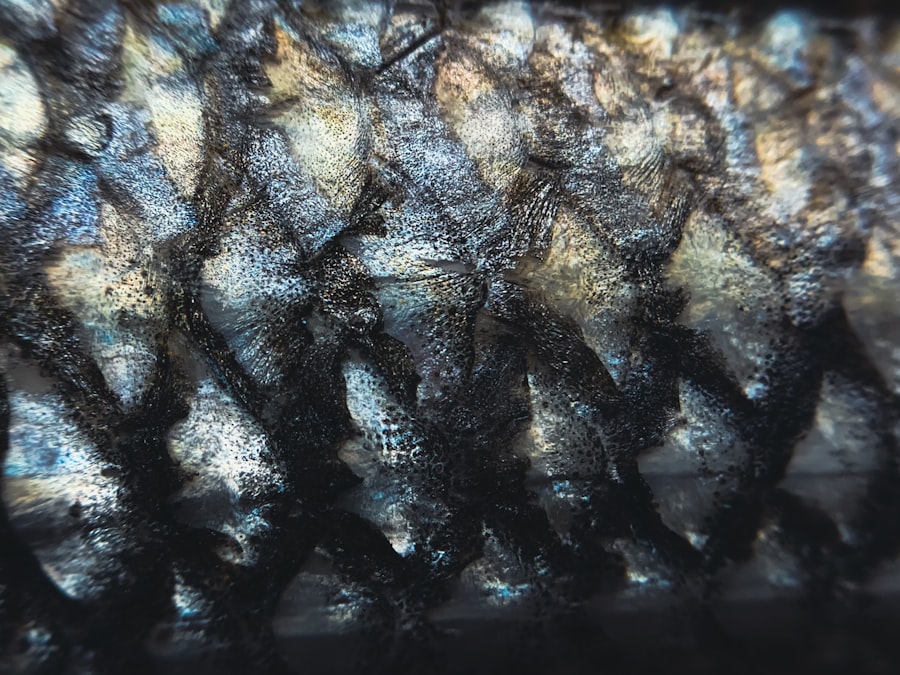
Extracting collagen from fish skin involves a simple yet effective process that can be done at home or in a professional kitchen. The first step is to source high-quality fish skins, preferably from wild-caught species that are free from harmful chemicals and pollutants. Once you have your fish skins ready, you can begin the extraction process by simmering them in water for several hours.
This slow cooking method allows the collagen to break down and infuse into the broth, creating a rich and flavorful liquid. You may also choose to enhance the extraction process by adding acidic ingredients such as vinegar or lemon juice. These acids help to break down the collagen fibers more effectively, resulting in a more concentrated broth.
As you simmer the fish skins, you will notice the transformation of the water into a gelatinous liquid that is packed with nutrients. This method not only maximizes the collagen extraction but also ensures that you are left with a delicious broth that can be used in various culinary applications.
Analyzing the Collagen Content in Fish Skin Broth
Understanding the collagen content in fish skin broth is essential for appreciating its health benefits fully. Various factors influence the amount of collagen extracted during the cooking process, including the type of fish used, the cooking time, and the temperature. Generally, fish skins are known to contain high levels of collagen, making them an excellent choice for broth-making.
By analyzing the collagen content, you can better gauge how much of this vital protein you are incorporating into your diet. To assess the collagen levels in your homemade fish skin broth, you can conduct simple tests or refer to scientific studies that have analyzed similar broths. These analyses often reveal that fish skin broth can contain anywhere from 5 to 20 grams of collagen per serving, depending on the preparation method and ingredients used.
By being aware of these figures, you can make informed decisions about how much fish skin broth to include in your meals to reap its maximum benefits.
Comparing Collagen Content in Different Fish Species
| Metric | Value | Notes |
|---|---|---|
| Collagen Content | High | Fish skin broth is rich in type I collagen |
| Collagen Type | Type I | Most abundant collagen in fish skin |
| Gelatin Formation | Yes | Collagen breaks down into gelatin when broth is cooked |
| Protein Concentration | Approximately 5-10 g/L | Varies based on cooking time and fish species |
| Cooking Time | 4-6 hours | Longer cooking extracts more collagen |
| Health Benefits | Supports skin, joint, and bone health | Attributed to collagen and amino acids |
Not all fish skins are created equal when it comes to collagen content. Different species exhibit varying levels of this essential protein, which can influence your choice when making fish skin broth. For instance, salmon and cod are often highlighted for their high collagen levels, making them popular choices among those looking to boost their intake.
As you explore different fish species, consider not only their flavor profiles but also their nutritional benefits. When comparing collagen content across species, it’s essential to consider factors such as habitat and diet. Fish that thrive in colder waters tend to have thicker skins and higher collagen levels due to their need for insulation and protection against harsh environments.
By selecting fish with higher collagen content for your broth, you can maximize the health benefits while enjoying a rich and flavorful culinary experience.
Health Benefits of Consuming Collagen-Rich Fish Skin Broth

Incorporating collagen-rich fish skin broth into your diet offers numerous health benefits that extend beyond skin health. One of the most notable advantages is its potential to support gut health. Collagen plays a crucial role in maintaining the integrity of the gut lining, which can help prevent issues such as leaky gut syndrome.
By consuming fish skin broth regularly, you may promote better digestion and overall gut function. Additionally, the amino acids found in collagen-rich broth can aid in muscle recovery and growth. If you engage in regular physical activity or strength training, adding fish skin broth to your post-workout meals can provide your body with the necessary nutrients to repair and build muscle tissue.
This makes it an excellent addition to your diet if you’re looking to enhance your athletic performance or simply maintain an active lifestyle.
Culinary Uses of Fish Skin Broth
Fish skin broth is incredibly versatile and can be used in various culinary applications. You can use it as a base for soups and stews, adding depth and richness to your dishes while infusing them with essential nutrients. The umami flavor profile of fish skin broth complements many ingredients, making it an excellent choice for enhancing sauces or gravies as well.
Moreover, you can incorporate fish skin broth into risottos or grain bowls for added flavor and nutrition. Its gelatinous texture can also serve as a natural thickener for sauces or soups, providing a luxurious mouthfeel without the need for additional thickeners. As you experiment with different recipes, you’ll find that fish skin broth can elevate your cooking while contributing to a healthier diet.
Sustainability and Ethical Considerations in Using Fish Skin for Broth
As you embrace the use of fish skin for broth-making, it’s essential to consider sustainability and ethical sourcing practices. The fishing industry has faced scrutiny over overfishing and environmental impact; therefore, choosing sustainably sourced fish is crucial. Opting for wild-caught or responsibly farmed fish ensures that you’re supporting practices that protect marine ecosystems while enjoying the benefits of fish skin broth.
Additionally, utilizing fish skins contributes to reducing food waste by making use of parts that would otherwise be discarded. This aligns with a more sustainable approach to eating and cooking, where every part of an ingredient is valued and utilized. By being mindful of your sourcing choices and embracing whole-fish cooking practices, you can enjoy delicious meals while promoting environmental responsibility.
Incorporating Fish Skin Broth into a Balanced Diet
Incorporating fish skin broth into your balanced diet is easier than you might think. You can start by replacing traditional broths or stocks in your favorite recipes with fish skin broth for an added nutritional boost. Whether you’re making soups, stews, or sauces, this nutrient-dense liquid can enhance both flavor and health benefits.
You might also consider using fish skin broth as a base for smoothies or protein shakes if you’re feeling adventurous. While it may sound unconventional, blending it with fruits and vegetables can create a unique drink packed with nutrients. As you explore different ways to include fish skin broth in your meals, you’ll discover how versatile it truly is while supporting your overall health.
Tips for Making and Storing Fish Skin Broth
Making fish skin broth at home is a straightforward process that requires minimal ingredients and equipment. To ensure optimal flavor and nutrition, start with fresh or properly frozen fish skins from reputable sources. When simmering the skins, consider adding aromatics such as garlic, ginger, or herbs to enhance the flavor profile further.
Once you’ve made your batch of fish skin broth, proper storage is key to maintaining its freshness and nutritional value. You can store it in airtight containers in the refrigerator for up to five days or freeze it for longer-term storage. Portioning out the broth into smaller containers before freezing allows for easy access when you’re ready to use it in future recipes.
Embracing the Nutritional Potential of Fish Skin Broth
In conclusion, embracing fish skin broth opens up a world of culinary possibilities while providing numerous health benefits. From its rich collagen content to its versatility in various dishes, this nutrient-dense liquid deserves a place in your kitchen. By understanding its importance and incorporating it into your diet sustainably and ethically, you can enjoy both delicious meals and improved well-being.
As you continue on this journey of exploring fish skin broth, remember that every sip not only nourishes your body but also supports sustainable practices within the food industry. So go ahead—experiment with recipes, savor the flavors, and reap the rewards of this remarkable culinary treasure!
In exploring the nutritional benefits of fish skin broth, it’s interesting to note the broader implications of collagen in our diets. For more insights on how collagen can impact health, you can read a related article on senior health at