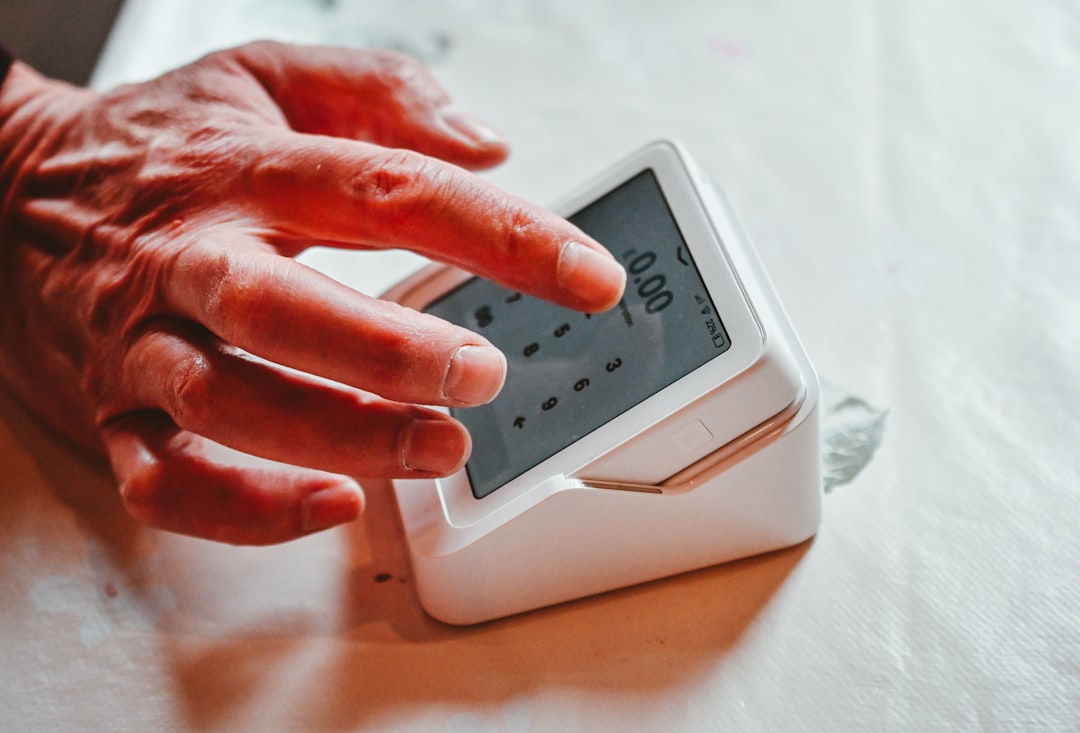
Blood pressure is a vital sign that reflects the force of blood against the walls of your arteries as your heart pumps it throughout your body. It is measured in millimeters of mercury (mmHg) and is expressed with two numbers: systolic and diastolic. The systolic pressure, the first number, indicates the pressure in your arteries when your heart beats, while the diastolic pressure, the second number, measures the pressure in your arteries when your heart rests between beats.
Understanding blood pressure is crucial because it serves as an indicator of your cardiovascular health and overall well-being. Maintaining a healthy blood pressure is essential for preventing various health issues. Normal blood pressure typically ranges from 90/60 mmHg to 120/80 mmHg.
When your blood pressure rises above this range, it can lead to hypertension, a condition that can have serious implications for your health. Conversely, low blood pressure, or hypotension, can also pose risks, leading to dizziness and fainting. Therefore, being aware of what blood pressure is and how it functions is the first step toward taking control of your health.
Key Takeaways
- Blood pressure measures the force of blood against artery walls and is vital for overall health.
- Various factors like diet, stress, and genetics influence blood pressure levels.
- Regular monitoring helps detect issues early and prevent complications.
- Lifestyle changes and medications are effective ways to manage high blood pressure.
- Seeking timely medical attention is crucial when experiencing abnormal blood pressure symptoms.
Understanding Blood Pressure Readings
To fully grasp the significance of blood pressure readings, you need to familiarize yourself with the numbers involved. A reading of 120/80 mmHg is often considered optimal, while readings above this threshold may indicate prehypertension or hypertension, depending on how high they are. For instance, a reading of 130/80 mmHg or higher is classified as stage 1 hypertension, while stage 2 hypertension is defined as 140/90 mmHg or higher.
Understanding these classifications can empower you to take proactive steps in managing your health. It’s also important to recognize that blood pressure can fluctuate throughout the day due to various factors such as stress, physical activity, and even the time of day. For example, it may be higher in the morning after waking up and lower in the evening.
This variability means that a single reading may not provide a complete picture of your blood pressure health. Regular monitoring over time can help you and your healthcare provider identify patterns and make informed decisions about your health.
Factors Affecting Blood Pressure
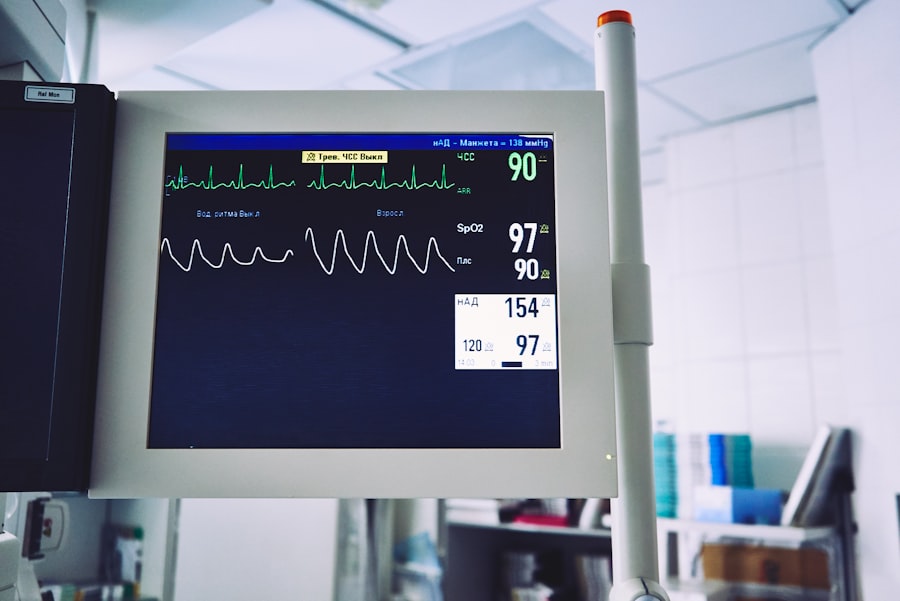
Several factors can influence your blood pressure levels, and being aware of them can help you manage your health more effectively. One of the most significant factors is lifestyle choices, including diet, exercise, and stress management. A diet high in sodium and low in potassium can contribute to elevated blood pressure, while regular physical activity can help lower it.
Additionally, chronic stress can lead to temporary spikes in blood pressure, making stress management techniques essential for maintaining healthy levels. Genetics also play a crucial role in determining your blood pressure. If you have a family history of hypertension, you may be at a higher risk for developing high blood pressure yourself.
Age is another factor; as you get older, your blood vessels may become stiffer, leading to increased blood pressure. Other medical conditions, such as diabetes or kidney disease, can also affect your blood pressure levels. Understanding these factors allows you to take proactive measures to mitigate their impact on your health.
The Importance of Monitoring Blood Pressure
Regularly monitoring your blood pressure is vital for maintaining good health and preventing complications associated with hypertension. By keeping track of your readings, you can identify trends and changes over time that may require attention. This proactive approach enables you to work closely with your healthcare provider to develop a personalized plan for managing your blood pressure effectively.
Moreover, monitoring your blood pressure can help you recognize how lifestyle changes impact your readings. For instance, if you start exercising regularly or make dietary adjustments, tracking your blood pressure can provide immediate feedback on how these changes are affecting your health. This information can motivate you to continue making positive choices and reinforce the importance of maintaining a healthy lifestyle.
Lifestyle Changes to Manage Blood Pressure
| Metric | Description | Typical Value/Range | Notes |
|---|---|---|---|
| Patient Age | Age of the patient during the visit | 18 – 80 years | Blood pressure guidelines vary by age |
| Blood Pressure Reading | Systolic/Diastolic pressure measured in mmHg | Normal: <120/80 Elevated: 120-129/<80 Hypertension Stage 1: 130-139/80-89 Hypertension Stage 2: ≥140/90 |
Multiple readings recommended for diagnosis |
| Medication Discussion Time | Duration spent discussing blood pressure medications | 5 – 10 minutes | Includes side effects and adherence counseling |
| Lifestyle Advice Topics | Number of lifestyle factors discussed (diet, exercise, smoking, etc.) | 3 – 5 topics | Important for non-pharmacologic management |
| Follow-up Plan | Timeframe for next blood pressure check or visit | 2 weeks to 3 months | Depends on severity and treatment plan |
| Patient Questions | Number of questions asked by patient about blood pressure | 0 – 5 questions | Indicates patient engagement and understanding |
Making lifestyle changes is one of the most effective ways to manage and lower high blood pressure. One of the most impactful changes you can make is adopting a heart-healthy diet. The DASH (Dietary Approaches to Stop Hypertension) diet emphasizes fruits, vegetables, whole grains, lean proteins, and low-fat dairy while reducing sodium intake.
By focusing on nutrient-rich foods, you can help lower your blood pressure naturally. In addition to dietary changes, incorporating regular physical activity into your routine is crucial for managing blood pressure. Aim for at least 150 minutes of moderate-intensity aerobic exercise each week.
Activities like walking, swimming, or cycling can significantly improve cardiovascular health and help maintain healthy blood pressure levels. Furthermore, managing stress through techniques such as meditation, yoga, or deep breathing exercises can also contribute to better blood pressure control.
Medication for High Blood Pressure
In some cases, lifestyle changes alone may not be sufficient to manage high blood pressure effectively. If your readings remain elevated despite making healthy adjustments, your healthcare provider may recommend medication as part of your treatment plan. There are several classes of medications available for hypertension, including diuretics, ACE inhibitors, beta-blockers, and calcium channel blockers.
Each type works differently to lower blood pressure and may be prescribed based on your specific health needs. It’s essential to follow your healthcare provider’s instructions regarding medication use carefully. Consistency is key when taking blood pressure medications; skipping doses or stopping suddenly can lead to dangerous spikes in blood pressure.
Risks of High Blood Pressure
High blood pressure poses significant risks to your health if left untreated. It is often referred to as a “silent killer” because many people may not experience noticeable symptoms until serious complications arise. Chronic hypertension can lead to damage to vital organs such as the heart, kidneys, and brain.
For instance, it increases the risk of heart disease and stroke by causing arteries to harden and narrow over time. Moreover, high blood pressure can contribute to other serious conditions such as heart failure and kidney disease. The strain placed on these organs can lead to long-term damage that may not be reversible.
Understanding these risks underscores the importance of monitoring and managing your blood pressure effectively to protect your overall health.
Complications of Untreated High Blood Pressure
If high blood pressure remains untreated over time, it can lead to severe complications that significantly impact your quality of life. One of the most concerning complications is heart disease, which encompasses various conditions such as coronary artery disease and heart failure. High blood pressure forces the heart to work harder than normal, leading to an increased risk of heart attacks and other cardiovascular events.
Additionally, untreated hypertension can result in stroke due to weakened or ruptured blood vessels in the brain. This can lead to long-term disabilities or even death. Kidney damage is another potential complication; high blood pressure can impair kidney function over time, leading to chronic kidney disease or kidney failure requiring dialysis or transplantation.
Recognizing these potential complications highlights the urgency of addressing high blood pressure promptly.
Managing Blood Pressure in Specific Populations
Certain populations may face unique challenges when it comes to managing blood pressure effectively. For example, older adults often experience age-related changes in their cardiovascular system that can complicate hypertension management. They may require tailored treatment plans that consider their overall health status and any comorbidities they may have.
Additionally, individuals with diabetes must be particularly vigilant about their blood pressure management since they are at an increased risk for cardiovascular complications. Regular monitoring and collaboration with healthcare providers are essential for this population to ensure comprehensive care that addresses both diabetes and hypertension effectively.
Tips for Maintaining Healthy Blood Pressure
Maintaining healthy blood pressure requires a multifaceted approach that incorporates various lifestyle habits. First and foremost, focus on eating a balanced diet rich in fruits, vegetables, whole grains, lean proteins, and healthy fats while minimizing sodium intake. Reading food labels and being mindful of hidden sources of salt can help you make informed choices.
Incorporating regular physical activity into your routine is equally important; aim for at least 30 minutes of moderate exercise most days of the week. Additionally, prioritize stress management techniques such as mindfulness meditation or yoga to help keep stress levels in check. Finally, avoid smoking and limit alcohol consumption as both can negatively impact blood pressure levels.
When to Seek Medical Attention for Blood Pressure Issues
Knowing when to seek medical attention for blood pressure issues is crucial for maintaining good health. If you experience consistently high readings—typically above 130/80 mmHg—or if you notice sudden spikes in your blood pressure accompanied by symptoms such as severe headaches, shortness of breath, or chest pain, it’s essential to contact a healthcare professional immediately. Regular check-ups with your healthcare provider are also vital for monitoring your blood pressure over time.
If you’re diagnosed with hypertension or at risk for developing it due to family history or other factors, working closely with a healthcare provider will help ensure that you receive appropriate care tailored to your needs. Taking proactive steps now can lead to better long-term health outcomes and improved quality of life.
When discussing blood pressure during a doctor visit, it’s essential to understand the broader context of senior health management. A related article that provides valuable insights on this topic can be found at Explore Senior Health. This resource offers guidance on various health issues that seniors face, including the importance of regular blood pressure monitoring and effective communication with healthcare providers.
FAQs
What is a doctor visit script for blood pressure discussion?
A doctor visit script for blood pressure discussion is a prepared dialogue or set of talking points that helps patients and healthcare providers communicate effectively about blood pressure readings, concerns, and management during a medical appointment.
Why is it important to discuss blood pressure with a doctor?
Discussing blood pressure with a doctor is important because high or low blood pressure can indicate underlying health issues. Proper communication helps in early diagnosis, treatment planning, and monitoring to prevent complications such as heart disease or stroke.
What topics are typically covered in a blood pressure discussion with a doctor?
Typical topics include current blood pressure readings, lifestyle factors affecting blood pressure (diet, exercise, stress), medication adherence, symptoms related to blood pressure changes, and plans for monitoring or treatment adjustments.
How can patients prepare for a blood pressure discussion with their doctor?
Patients can prepare by tracking their blood pressure readings at home, noting any symptoms, listing current medications, and writing down questions or concerns to discuss during the visit.
What questions should patients ask their doctor about blood pressure?
Patients should ask about their target blood pressure range, causes of abnormal readings, lifestyle changes to improve blood pressure, medication options and side effects, and how often they should monitor their blood pressure.
Can a doctor visit script improve communication about blood pressure?
Yes, using a script or guide can help both patients and doctors stay focused, ensure important topics are covered, and make the discussion more efficient and productive.
Is it necessary to have a script for every blood pressure discussion?
No, a script is not necessary for every visit but can be helpful for patients who feel anxious, have difficulty remembering questions, or want to ensure they cover all relevant points during the appointment.
Where can patients find examples of doctor visit scripts for blood pressure discussions?
Examples can be found through healthcare provider websites, patient education resources, health organizations like the American Heart Association, or by asking their healthcare provider for guidance.