Blood pressure management represents a critical component of cardiovascular health care. Hypertension affects approximately 1.28 billion adults worldwide according to the World Health Organization, making it one of the most prevalent chronic medical conditions. Untreated hypertension significantly increases the risk of cardiovascular events, including myocardial infarction, stroke, heart failure, and kidney disease.
Antihypertensive medications constitute the primary therapeutic intervention for managing elevated blood pressure when lifestyle modifications prove insufficient. These pharmaceutical agents function through distinct mechanisms to reduce arterial pressure and mitigate cardiovascular risk. The major classes of blood pressure medications include angiotensin-converting enzyme (ACE) inhibitors, angiotensin receptor blockers (ARBs), calcium channel blockers, thiazide and thiazide-like diuretics, and beta-blockers.
While antihypertensive medications demonstrate proven efficacy in reducing cardiovascular morbidity and mortality, they can produce adverse effects that vary in frequency and severity. These side effects may affect patient adherence to treatment regimens and overall quality of life. Understanding the pharmacological profiles of these medications, including their therapeutic mechanisms and potential adverse reactions, is essential for optimizing treatment outcomes.
Regular monitoring and assessment of both therapeutic response and side effect profiles enable healthcare providers to adjust treatment protocols and ensure optimal patient care.
Key Takeaways
- Blood pressure medications vary in type and function, each with distinct mechanisms and potential side effects.
- Common side effects include dizziness, fatigue, and digestive issues, while serious side effects require immediate medical attention.
- Factors such as age, other medications, and overall health can influence the severity and occurrence of side effects.
- Regular monitoring and open communication with healthcare providers are essential for managing side effects effectively.
- Lifestyle changes, including diet and exercise, can help reduce side effects and improve overall treatment outcomes.
Common Side Effects of Blood Pressure Medication
As you embark on your journey with blood pressure medication, it’s important to be aware of the common side effects that may accompany your treatment. While many people tolerate these medications well, some may experience adverse reactions that can affect their daily lives. Common side effects include dizziness, fatigue, and headaches.
These symptoms can be particularly concerning if they interfere with your ability to perform everyday tasks or enjoy activities you love. Dizziness is often reported by individuals taking blood pressure medications, especially when standing up quickly. This sensation can be unsettling and may lead to falls or injuries if not managed properly.
Fatigue is another frequent complaint; some individuals find themselves feeling unusually tired or lethargic after starting their medication regimen. Headaches can also occur as your body adjusts to the changes in blood pressure levels. Understanding these side effects can help you prepare for what to expect and discuss any concerns with your healthcare provider.
Understanding the Different Classes of Blood Pressure Medication

Blood pressure medications are categorized into several classes, each with its unique mechanism of action. Understanding these classes can help you grasp how your medication works and why it was prescribed for you. The most common classes include diuretics, ACE inhibitors, angiotensin II receptor blockers (ARBs), beta-blockers, and calcium channel blockers.
Each class targets different pathways in the body to lower blood pressure effectively.
ACE inhibitors work by blocking the formation of a hormone that narrows blood vessels, allowing them to relax and widen.
ARBs serve a similar purpose but block the action of this hormone instead. Beta-blockers reduce the heart rate and the force of contraction, leading to lower blood pressure. Calcium channel blockers prevent calcium from entering heart and blood vessel cells, which helps relax and widen blood vessels.
Knowing which class you are on can provide insight into how your medication works and what side effects you might expect.
How Blood Pressure Medication Works in the Body
To appreciate the role of blood pressure medication fully, it’s essential to understand how these drugs interact with your body’s systems. When you take a blood pressure medication, it enters your bloodstream and begins to affect various organs and tissues. For instance, diuretics prompt your kidneys to excrete more sodium and water, which decreases the volume of fluid in your bloodstream.
This reduction in fluid volume leads to lower pressure against the walls of your arteries. On the other hand, medications like ACE inhibitors and ARBs work by interfering with hormonal signals that constrict blood vessels. By blocking these signals, these medications allow blood vessels to relax and widen, which reduces resistance and lowers blood pressure.
Beta-blockers slow down your heart rate and decrease the heart’s workload, while calcium channel blockers prevent calcium from entering cells in the heart and blood vessels, promoting relaxation. Understanding these mechanisms can help you appreciate the importance of adhering to your medication regimen.
Factors That Influence Blood Pressure Medication Side Effects
| Medication Class | Common Side Effects | Serious Side Effects | Notes |
|---|---|---|---|
| ACE Inhibitors | Cough, dizziness, elevated potassium | Angioedema, kidney dysfunction | Often used for patients with diabetes or kidney disease |
| Beta Blockers | Fatigue, cold hands, slow heartbeat | Severe bradycardia, worsening asthma | Not recommended for patients with asthma or certain heart conditions |
| Calcium Channel Blockers | Swelling of ankles, headache, dizziness | Severe hypotension, heart block | Effective for African American patients and elderly |
| Diuretics | Increased urination, electrolyte imbalance | Severe dehydration, gout flare-ups | Often first-line treatment for hypertension |
| Angiotensin II Receptor Blockers (ARBs) | Dizziness, headache, elevated potassium | Kidney impairment, angioedema (rare) | Alternative for patients who cannot tolerate ACE inhibitors |
Several factors can influence how you experience side effects from blood pressure medications. Individual differences such as age, weight, gender, and overall health can play a significant role in how your body reacts to these drugs. For example, older adults may be more sensitive to certain medications due to changes in metabolism or kidney function, leading to a higher likelihood of experiencing side effects.
Additionally, other medications you may be taking can interact with your blood pressure medication, potentially exacerbating side effects or diminishing effectiveness. Lifestyle factors such as diet, exercise, and stress levels also contribute significantly to how well your body tolerates medication. For instance, a high-sodium diet can counteract the effects of certain blood pressure medications, while regular physical activity may enhance their effectiveness.
Being aware of these factors can help you work with your healthcare provider to optimize your treatment plan.
Identifying and Managing Common Side Effects

Recognizing common side effects is crucial for managing your treatment effectively. If you experience dizziness or fatigue after starting a new medication, it’s essential to take note of when these symptoms occur and how severe they are. Keeping a journal can be helpful; document when you take your medication and any side effects you experience throughout the day.
This information can provide valuable insights for both you and your healthcare provider. Managing side effects often involves simple lifestyle adjustments or changes in how you take your medication. For instance, if dizziness is an issue, try standing up slowly from a sitting or lying position to minimize lightheadedness.
Staying hydrated can also help alleviate some symptoms like fatigue or headaches. If side effects persist or worsen, don’t hesitate to reach out to your healthcare provider for guidance; they may adjust your dosage or switch you to a different medication that better suits your needs.
Serious Side Effects of Blood Pressure Medication
While most people tolerate blood pressure medications well, it’s essential to be aware of serious side effects that may require immediate medical attention. These can include symptoms such as chest pain, difficulty breathing, swelling in the face or limbs, or severe allergic reactions like rash or itching. If you experience any of these symptoms after starting a new medication, it’s crucial to seek medical help right away.
Serious side effects are relatively rare but can occur depending on individual health conditions or interactions with other medications. For example, some individuals may develop kidney problems while taking certain types of blood pressure medications. Regular monitoring through blood tests can help detect any issues early on.
Being vigilant about potential serious side effects ensures that you can address any complications promptly and maintain your overall health.
The Importance of Monitoring Blood Pressure Medication Side Effects
Monitoring side effects is an integral part of managing your blood pressure treatment effectively.
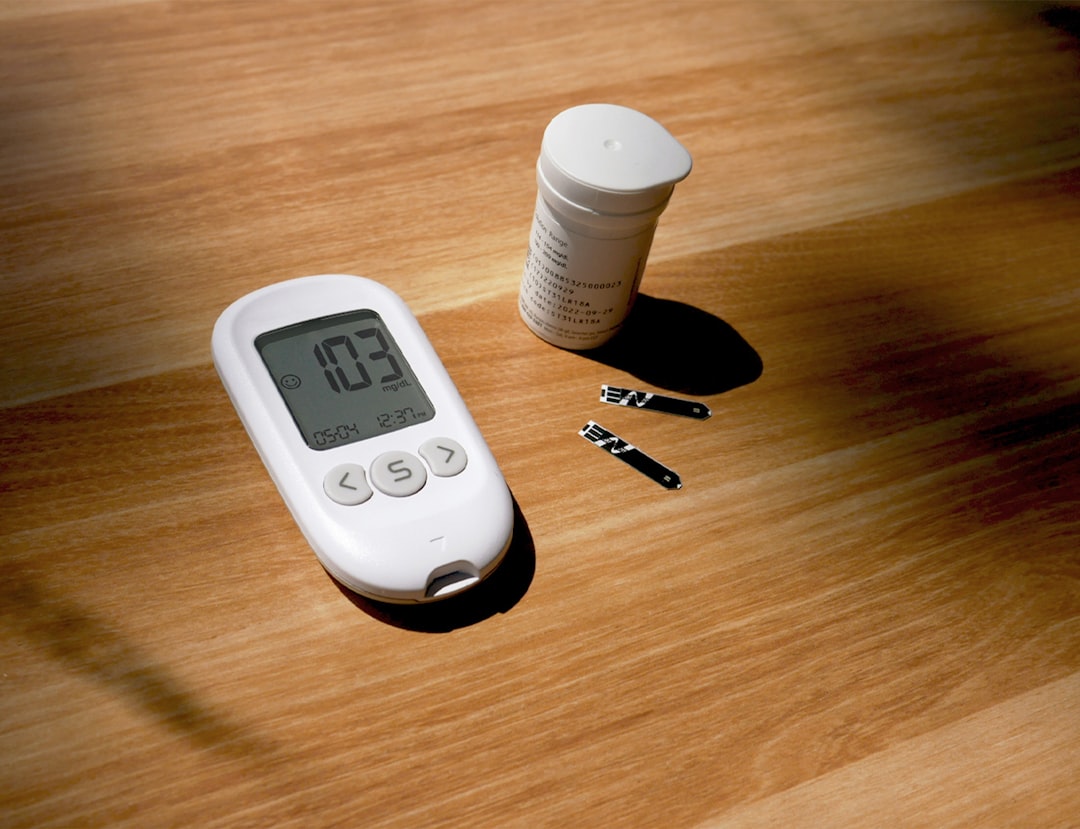
Keeping track of your blood pressure readings at home can also provide valuable data that helps inform discussions with your provider.
In addition to tracking physical symptoms, consider monitoring emotional well-being as well. Some individuals may experience mood changes or anxiety related to their medication regimen. Open communication about both physical and emotional side effects is vital for ensuring comprehensive care.
By actively participating in monitoring your treatment, you empower yourself to make informed decisions about your health.
Communication with Healthcare Providers about Side Effects
Effective communication with your healthcare provider is key when it comes to managing side effects from blood pressure medications. Don’t hesitate to share any concerns or symptoms you experience; this information is crucial for tailoring your treatment plan effectively. Your provider may ask specific questions about when symptoms occur or how they impact your daily life.
Being proactive in discussing side effects not only helps you feel more comfortable but also fosters a collaborative relationship with your healthcare provider. They can offer solutions or alternatives based on your feedback, ensuring that you receive the best possible care tailored to your unique needs.
Lifestyle Changes to Minimize Blood Pressure Medication Side Effects
In addition to medication management, lifestyle changes can significantly impact how well you tolerate blood pressure medications and minimize side effects. Adopting a heart-healthy diet rich in fruits, vegetables, whole grains, and lean proteins can support overall cardiovascular health while potentially reducing the need for higher medication doses. Regular physical activity is another essential component; engaging in moderate exercise most days of the week can help lower blood pressure naturally and improve overall well-being.
Additionally, managing stress through techniques such as mindfulness or yoga can enhance both mental and physical health outcomes. By making these lifestyle changes alongside your medication regimen, you create a holistic approach that supports better health outcomes.
Conclusion and Summary of Key Points
In conclusion, understanding blood pressure medications is vital for anyone managing hypertension. From recognizing common side effects to understanding how different classes of medications work in the body, being informed empowers you to take charge of your health journey. While most individuals tolerate these medications well, being aware of potential serious side effects ensures that you remain vigilant about your health.
Effective communication with healthcare providers about any concerns or symptoms is crucial for optimizing treatment plans tailored specifically for you. Additionally, incorporating lifestyle changes such as a balanced diet and regular exercise can enhance the effectiveness of your medication while minimizing side effects. By taking an active role in managing both medication and lifestyle factors, you set yourself up for success in maintaining healthy blood pressure levels and overall well-being.
If you’re concerned about the side effects of blood pressure medications, you may find valuable insights in the article available on Explore Senior Health. This resource provides a comprehensive overview of various medications and their potential impacts on seniors’ health. For more information, you can read the article here: Blood Pressure Medication Side Effects.
WATCH THIS WARNING: 💊 NSAID Kidney Damage: The Hidden Danger Seniors Don’t Know About
FAQs
What are common side effects of blood pressure medications?
Common side effects of blood pressure medications can include dizziness, fatigue, headache, swelling in the ankles or feet, and sometimes a persistent cough. The specific side effects depend on the type of medication prescribed.
Can blood pressure medications cause dizziness or fainting?
Yes, some blood pressure medications can cause dizziness or fainting, especially when standing up quickly. This is often due to a sudden drop in blood pressure and is more common when starting treatment or adjusting the dose.
Are there side effects that require immediate medical attention?
Yes, side effects such as severe allergic reactions, chest pain, difficulty breathing, swelling of the face or throat, or irregular heartbeat require immediate medical attention.
Do all blood pressure medications have the same side effects?
No, different classes of blood pressure medications have different side effect profiles. For example, beta-blockers may cause fatigue and cold hands, while diuretics can lead to increased urination and electrolyte imbalances.
Can blood pressure medications affect kidney function?
Some blood pressure medications, particularly ACE inhibitors and diuretics, can affect kidney function. Regular monitoring by a healthcare provider is important to ensure kidney health is maintained.
Is it safe to stop blood pressure medication if side effects occur?
No, you should not stop taking blood pressure medication without consulting your healthcare provider. Stopping medication abruptly can lead to dangerous increases in blood pressure.
Can lifestyle changes reduce the need for blood pressure medication?
In some cases, lifestyle changes such as a healthy diet, regular exercise, weight loss, and reducing salt intake can help lower blood pressure and may reduce the need for medication, but this should be done under medical supervision.
Are side effects from blood pressure medications permanent?
Side effects may diminish over time as the body adjusts to the medication. If side effects persist or worsen, it is important to discuss this with a healthcare provider who may adjust the dosage or prescribe a different medication.
Can blood pressure medications interact with other drugs?
Yes, blood pressure medications can interact with other prescription drugs, over-the-counter medications, and supplements. Always inform your healthcare provider about all medications and supplements you are taking.
How can side effects of blood pressure medications be managed?
Management strategies include adjusting the dose, switching to a different medication, monitoring for side effects, and making lifestyle changes. Always consult a healthcare provider before making any changes to medication.