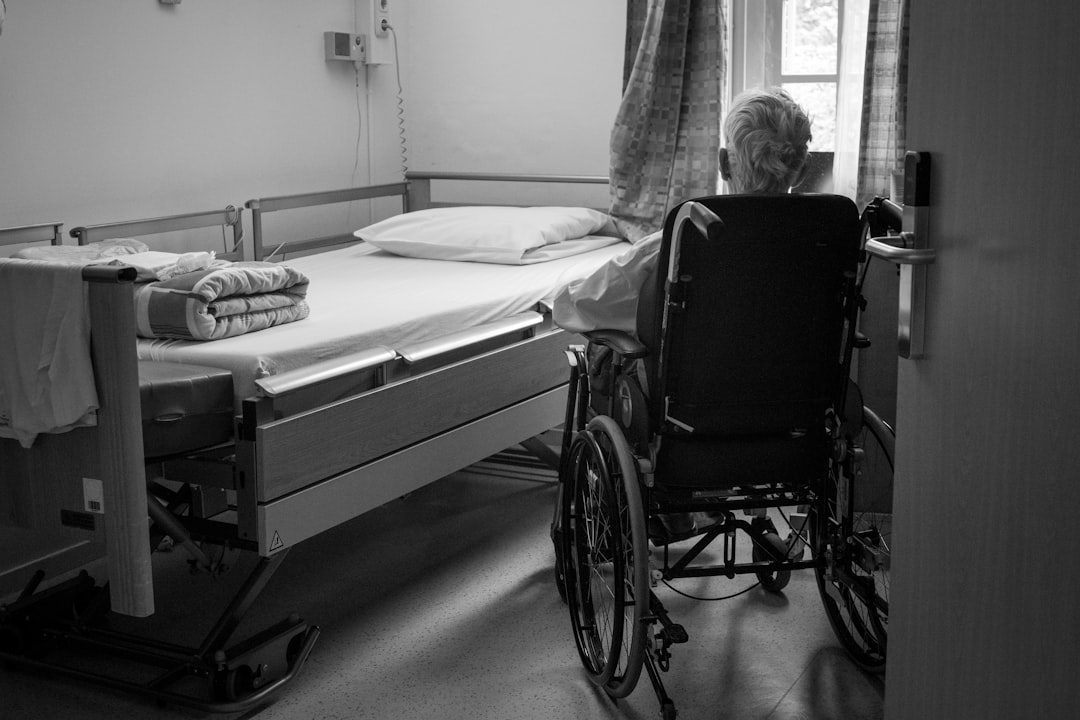
When it comes to caring for loved ones who require assistance due to age, illness, or disability, you may find yourself navigating a complex landscape of care options. Two primary types of care that often come into play are custodial care and skilled nursing care. Understanding the distinctions between these two forms of care is crucial for making informed decisions that best suit the needs of your family member.
While both types of care aim to provide support and improve quality of life, they differ significantly in terms of services offered, qualifications of caregivers, and the medical needs they address. As you explore these options, it’s essential to consider the specific requirements of your loved one. Are they in need of basic assistance with daily activities, or do they require more specialized medical attention?
By delving into the definitions, services, and qualifications associated with custodial and skilled nursing care, you can better assess which type of care will provide the most appropriate support for your loved one’s unique situation.
Key Takeaways
- Custodial care focuses on assisting with activities of daily living, while skilled nursing care involves medical treatment and monitoring.
- Custodial care includes help with bathing, dressing, and meal preparation, while skilled nursing care involves wound care, medication management, and rehabilitation therapy.
- Caregivers in custodial care may have basic training and certification, while nurses in skilled nursing care have advanced education and licensure.
- Custodial care addresses non-medical needs, while skilled nursing care addresses complex medical needs.
- The cost of custodial care is generally lower and may not be covered by insurance, while skilled nursing care is more expensive and may be covered by Medicare or private insurance.
Definition and Scope of Custodial Care
Custodial care primarily focuses on assisting individuals with daily living activities rather than providing medical treatment. This type of care is often necessary for those who may not have complex medical needs but require help with tasks such as bathing, dressing, eating, and mobility. Custodial care can be provided in various settings, including in-home care, assisted living facilities, or adult day care centers.
The goal is to enhance the quality of life for individuals who may struggle with self-care due to age, disability, or chronic conditions. In essence, custodial care encompasses a broad range of non-medical services designed to support individuals in maintaining their independence and dignity. Caregivers in this field are trained to assist with personal hygiene, meal preparation, medication reminders, and companionship.
While custodial care does not involve medical interventions, it plays a vital role in ensuring that individuals receive the support they need to live comfortably and safely.
Definition and Scope of Skilled Nursing Care
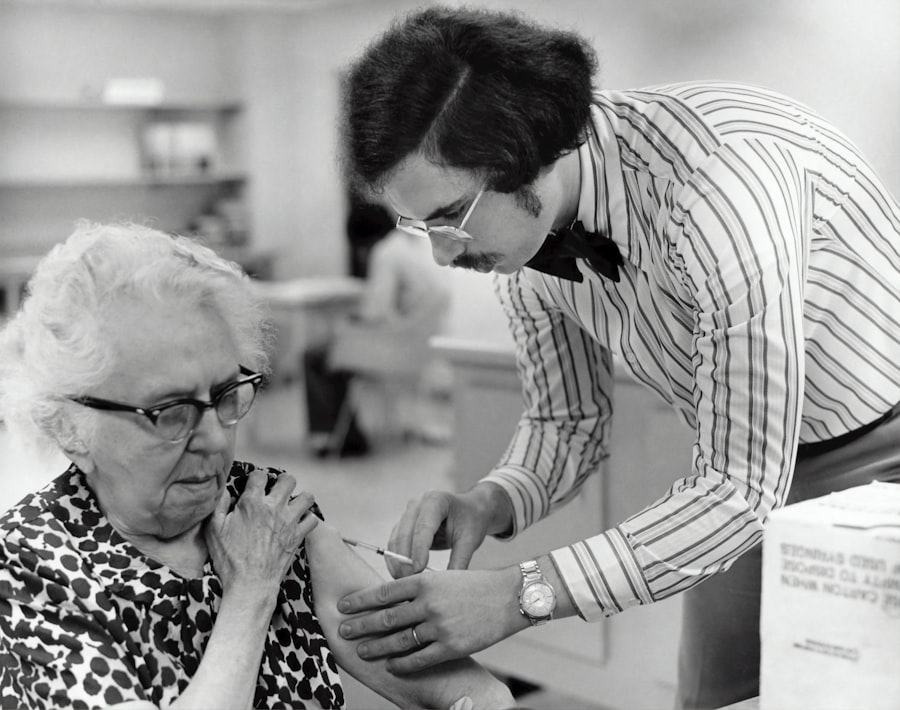
In contrast to custodial care, skilled nursing care involves a higher level of medical expertise and is typically provided by licensed healthcare professionals such as registered nurses (RNs) or licensed practical nurses (LPNs). Skilled nursing care is designed for individuals who have complex medical needs that require ongoing monitoring and treatment. This type of care is often delivered in skilled nursing facilities or rehabilitation centers but can also be provided in a home health setting.
Skilled nursing care encompasses a wide range of services, including wound care, medication administration, physical therapy, and monitoring vital signs. The primary objective is to manage medical conditions effectively while promoting recovery and rehabilitation. Skilled nursing facilities are equipped to handle patients with serious illnesses or those recovering from surgery, providing a level of care that goes beyond what custodial services can offer.
Types of Services Provided in Custodial Care
| Service Type | Description |
|---|---|
| Personal Care | Assistance with activities of daily living such as bathing, dressing, and grooming |
| Housekeeping | Assistance with cleaning, laundry, and meal preparation |
| Medication Management | Assistance with medication reminders and administration |
| Companionship | Emotional support and social interaction |
| Transportation | Assistance with getting to appointments and running errands |
Custodial care services are designed to assist individuals with their daily living activities and enhance their overall well-being. These services can vary widely depending on the specific needs of the individual but generally include assistance with personal hygiene tasks such as bathing and grooming. Caregivers may also help with dressing and undressing, ensuring that individuals feel comfortable and presentable throughout the day.
In addition to personal care, custodial services often encompass meal preparation and feeding assistance. For many individuals, maintaining proper nutrition is essential for overall health, and caregivers play a crucial role in ensuring that meals are prepared according to dietary needs. Companionship is another vital aspect of custodial care; caregivers often engage in social activities with their clients, providing emotional support and reducing feelings of isolation.
Overall, custodial care aims to create a nurturing environment that promotes independence while addressing the fundamental needs of individuals.
Types of Services Provided in Skilled Nursing Care
Skilled nursing care offers a comprehensive array of medical services tailored to meet the needs of individuals with complex health conditions. One of the primary services provided is medication management, where nurses ensure that patients receive their medications on time and monitor for any potential side effects or interactions. This level of oversight is critical for individuals with chronic illnesses who may be on multiple medications.
In addition to medication management, skilled nursing facilities provide specialized treatments such as wound care for patients recovering from surgery or injuries. Physical therapy is another essential service offered in skilled nursing settings; licensed therapists work with patients to improve mobility and strength through tailored exercise programs. Skilled nursing care also includes regular assessments of vital signs and overall health status, allowing for timely interventions when necessary.
This comprehensive approach ensures that patients receive the medical attention they need while promoting recovery and enhancing their quality of life.
Qualifications and Training of Caregivers in Custodial Care
Caregivers in custodial care typically undergo training that equips them with the skills necessary to assist individuals with daily living activities effectively. While formal education requirements may vary by state or agency, many caregivers complete training programs that cover essential topics such as personal hygiene assistance, nutrition, safety protocols, and communication skills. This training helps caregivers understand how to provide compassionate support while respecting the dignity and preferences of those they serve.
In addition to formal training, caregivers often gain valuable experience through hands-on work in various settings. Many custodial caregivers develop strong interpersonal skills that enable them to build trusting relationships with their clients. Empathy and patience are crucial qualities for caregivers in this field, as they often work with individuals who may be experiencing physical or emotional challenges.
Ultimately, the qualifications and training of custodial caregivers play a significant role in ensuring that individuals receive the support they need to maintain their independence and well-being.
Qualifications and Training of Nurses in Skilled Nursing Care
Nurses providing skilled nursing care must meet rigorous educational and licensing requirements to ensure they are equipped to handle complex medical situations. Registered nurses (RNs) typically hold a Bachelor’s degree in nursing or an Associate’s degree from an accredited program. After completing their education, they must pass a national licensing exam known as the NCLEX-RN to practice legally.
Licensed practical nurses (LPNs) also undergo specialized training but typically complete a shorter program focused on practical nursing skills. In addition to formal education, nurses in skilled nursing settings often receive ongoing training to stay current with best practices and advancements in medical care. This may include specialized certifications in areas such as wound care management or geriatric nursing.
The combination of education, licensure, and continuous professional development ensures that nurses are well-prepared to provide high-quality medical care while addressing the unique needs of each patient.
Differences in Medical Needs Addressed in Custodial Care vs Skilled Nursing Care
One of the most significant differences between custodial care and skilled nursing care lies in the medical needs they address. Custodial care is primarily focused on assisting individuals with daily living activities without involving medical treatment or interventions. This type of care is suitable for those who may have limited mobility or require assistance due to age-related challenges but do not have complex medical conditions that necessitate ongoing monitoring or treatment.
On the other hand, skilled nursing care is designed for individuals with more serious health issues that require regular medical attention. Patients may be recovering from surgery, managing chronic illnesses such as diabetes or heart disease, or requiring rehabilitation after an injury. Skilled nursing facilities are equipped to handle these complex cases, providing a level of medical oversight that custodial care cannot offer.
Understanding these differences is crucial when determining the appropriate level of care for your loved one.
Cost and Insurance Coverage for Custodial Care vs Skilled Nursing Care
The cost associated with custodial care and skilled nursing care can vary significantly based on several factors, including location, type of services provided, and duration of care needed. Custodial care tends to be less expensive than skilled nursing care since it does not involve medical treatment or specialized staff.
In terms of insurance coverage, custodial care is often not covered by Medicare or Medicaid unless it is part of a broader plan that includes skilled nursing services. Conversely, skilled nursing care may be covered by Medicare for a limited time following hospitalization if certain criteria are met. It’s essential to review your insurance policy carefully and consult with your provider to understand what types of care are covered and what out-of-pocket expenses you may incur.
Choosing the Right Type of Care for Your Loved One
Selecting the appropriate type of care for your loved one can be a daunting task, especially when considering their unique needs and preferences. Begin by assessing their current health status and determining whether they require assistance with daily living activities or if they have more complex medical needs that necessitate skilled nursing care. Engaging in open conversations with your loved one about their preferences can also provide valuable insights into what type of support they feel comfortable receiving.
Consider factors such as location, staff qualifications, available services, and overall reputation when making your decision. It may also be beneficial to visit potential facilities or interview caregivers to gauge their compatibility with your loved one’s personality and preferences.
Conclusion and Resources for Further Information
Navigating the world of custodial care versus skilled nursing care can be challenging but understanding the differences between these two types of support is essential for making informed decisions about your loved one’s well-being. By considering their specific needs—whether they require assistance with daily activities or more specialized medical attention—you can choose the right type of care that enhances their quality of life. For further information on custodial and skilled nursing care options available in your area, consider reaching out to local healthcare providers or organizations specializing in eldercare resources.
Websites such as the National Institute on Aging (NIA) or the Centers for Medicare & Medicaid Services (CMS) can also provide valuable insights into available services and coverage options. Ultimately, being well-informed will empower you to make choices that best support your loved one’s health and happiness.
When considering the differences between custodial care and skilled nursing care, it’s essential to understand the specific needs of the individual requiring assistance. Custodial care typically focuses on helping with daily activities such as bathing, dressing, and meal preparation, while skilled nursing care involves medical services provided by licensed professionals. For more detailed information on these types of care and their implications for seniors, you can read the related article on senior health at Explore Senior Health.
WATCH THIS! The 5-Year Medicaid Trap That Ruins 99% of Senior Families
FAQs
What is custodial care?
Custodial care refers to non-medical care provided to individuals who need assistance with activities of daily living, such as bathing, dressing, and meal preparation. This type of care is typically provided by caregivers or home health aides.
What is skilled nursing care?
Skilled nursing care involves medical care provided by licensed healthcare professionals, such as registered nurses and therapists. This type of care is necessary for individuals who require ongoing medical treatment, monitoring, and rehabilitation.
What are the differences between custodial care and skilled nursing care?
The main difference between custodial care and skilled nursing care is the level of medical expertise required. Custodial care focuses on assisting with daily activities, while skilled nursing care involves medical treatment and monitoring. Skilled nursing care is typically provided in a healthcare facility, such as a nursing home or rehabilitation center, while custodial care can be provided at home or in a residential care setting.
When is custodial care appropriate?
Custodial care is appropriate for individuals who need assistance with activities of daily living but do not require ongoing medical treatment or monitoring. This type of care is often chosen for individuals who want to remain in their own homes and maintain a level of independence.
When is skilled nursing care appropriate?
Skilled nursing care is appropriate for individuals who require ongoing medical treatment, monitoring, and rehabilitation. This type of care is often necessary for individuals recovering from surgery, managing chronic medical conditions, or needing specialized therapy. Skilled nursing care is typically provided in a healthcare facility where licensed professionals can administer medical treatment.