
You’re grappling with the inevitable, and in that challenging time, the financial aspects of funeral planning often feel like navigating a dense fog. This article serves as your compass, guiding you through the intricacies of funeral home costs, primarily through the lens of the General Price List (GPL). Understanding the GPL isn’t just about saving money; it’s about making informed decisions that honor your loved one’s memory and your family’s financial well-being.
The General Price List (GPL) is more than just a piece of paper; it’s a legally mandated document that acts as the cornerstone of transparency in the funeral industry. Federal regulations, primarily the Federal Trade Commission’s (FTC) Funeral Rule, require all funeral service providers to furnish you with a GPL at the beginning of any discussion about funeral arrangements, prices, or merchandise. This rule was designed to empower consumers, preventing them from being pressured into purchasing services or goods they neither want nor need. Think of the GPL as your blueprint for understanding the structure of funeral expenses, itemizing the myriad services and merchandise offered. You can learn more about managing your funeral insurance premiums effectively by watching this informative video.
What the Funeral Rule Guarantees You
The Funeral Rule is your protective shield in a sensitive marketplace. It guarantees your right to:
- Receive a GPL: You must be given a printed or electronic GPL to keep at the start of any discussion of funeral arrangements.
- Choose only the goods and services you want: You are not required to purchase a package that includes items you do not wish to have. This is known as “itemization.”
- Decline embalming: Embalming is generally not required by law, except in certain circumstances or for specific services like viewing.
- Use an alternative container for cremation: You don’t have to purchase a casket for cremation; an inexpensive alternative container is sufficient.
- Purchase funeral goods elsewhere: You can buy caskets, urns, or other merchandise from third-party vendors without incurring additional charges from the funeral home.
Navigating the GPL’s Structure
The GPL isn’t a monolithic block of text; it’s typically organized into distinct sections to help you easily locate specific costs. While the exact layout may vary slightly between funeral homes, you’ll generally find categories for basic services, embalming, other preparations, use of facilities and staff, automotive equipment, and merchandise. Each item should have a clear description and its corresponding price. Being familiar with these common categories will help you quickly pinpoint the information you need.
When planning for end-of-life arrangements, understanding the costs associated with funeral services is crucial. A helpful resource for families navigating these decisions is the article on general price list funeral home costs available at Explore Senior Health. This article provides valuable insights into the various expenses involved and offers guidance on how to make informed choices that respect both budget and personal wishes.
Deconstructing the “Basic Services Fee”
At the heart of every funeral arrangement is the “Basic Services Fee.” This seemingly innocuous charge is, in reality, the unavoidable foundation upon which all other costs are built. It’s often the first item listed on the GPL and is typically non-declinable, meaning you cannot opt out of it, regardless of the simplicity or complexity of the chosen services. Consider this fee the administrative engine that keeps the funeral home running, much like the fixed costs a business incurs before it even sells a single product.
What the Basic Services Fee Covers
This fee generally encompasses a range of essential administrative and overhead costs crucial to facilitating any funeral service. These commonly include:
- Availability of staff: This covers the funeral home’s personnel who are on call 24 hours a day, 7 days a week, to respond to initial calls, arrange transportation of the deceased, and provide guidance.
- Consultation with family: The time spent by funeral directors to meet with you, discuss options, prepare necessary paperwork, and coordinate logistics.
- Documentation and permits: The often complex process of obtaining death certificates, burial or cremation permits, and other legal documents.
- Overhead expenses: A portion of the funeral home’s operational costs, such as utilities, rent or mortgage, insurance, professional licensing, and maintenance of their facility.
- Record keeping: Maintaining meticulous records for legal and familial purposes.
Why It’s Non-Declinable
The non-declinable nature of the Basic Services Fee stems from the fact that these underlying administrative and logistical services are inherent to every funeral arrangement, even the most direct cremation or immediate burial. Without these foundational elements, the funeral home cannot legally or practically provide any service. It’s like the admission ticket to the entire experience, regardless of which “rides” you choose once inside.
Understanding Embalming and Other Preparation Costs

Beyond the basic administrative layer, you encounter the costs associated with the physical preparation of the deceased. Embalming is often the most prominent item in this category, but it’s crucial to understand when it’s genuinely necessary and when it’s an optional choice. This section also encompasses a range of other preparative services, each designed to meet specific needs or preferences.
Embalming: Necessity vs. Choice
Embalming is a chemical process designed to temporarily preserve and sanitize the body, slowing down decomposition and restoring a more natural appearance. It’s a common misconception that embalming is always required. Unless a state law mandates it (which is rare, and often tied to specific circumstances like transportation across state lines or long delays before disposition), or if you choose services like an open-casket viewing or protracted visitation, embalming is generally your choice.
- When embalming is often recommended: If there will be an open-casket viewing, a public visitation, or if the final disposition (burial or cremation) will be delayed for several days, embalming is usually suggested to maintain the body’s condition and presentation.
- When embalming is typically not required: For immediate burial, direct cremation, or closed-casket services where there is no public viewing, embalming is often unnecessary and can be declined. The funeral home must state on the GPL that embalming is not required by law, except in certain circumstances.
Other Preparation Services
Beyond embalming, funeral homes offer a suite of other preparation services that contribute to the presentation of the deceased:
- Restoration: For cases where the deceased suffered traumatic injury, restorative art can be employed to improve appearance for viewing. This can be a highly skilled and time-consuming process.
- Dressing and casketing: This involves dressing the deceased in clothing provided by the family and placing them in the casket.
- Cosmetology and hairdressing: Applying makeup and styling hair to achieve a desired appearance, often at the family’s request, for a more natural presentation.
- Refrigeration/Shelter of remains: If embalming is declined, or if disposition is delayed, refrigeration is often a necessary alternative to preserve the body. This is typically charged on a per-day basis after a certain initial period.
- Preparation for identification: If there is a need for private identification by family members without embalming, this often involves basic sanitary preparations and positioning.
Facility, Staff, and Equipment Costs
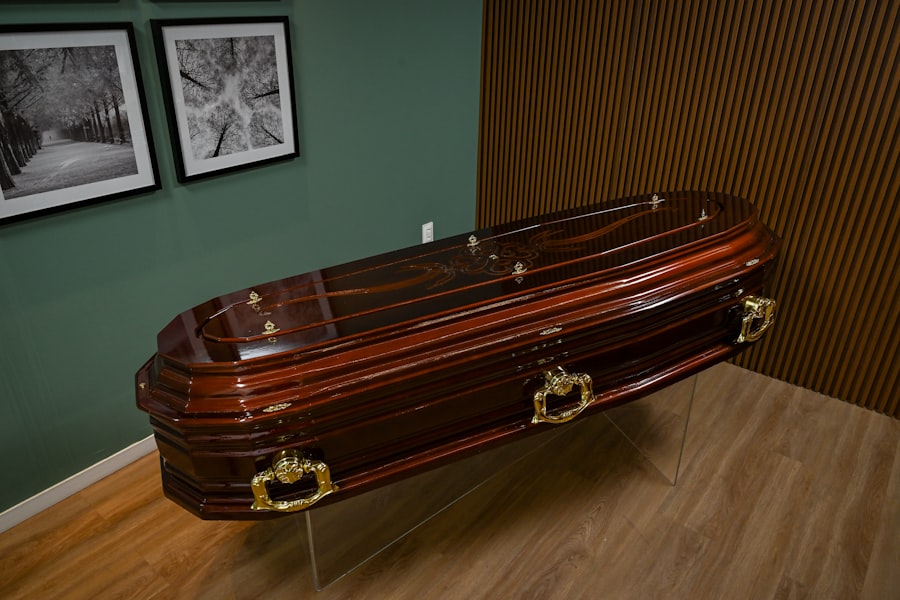
Once the deceased is prepared, the focus shifts to the logistical execution of the funeral or memorial service itself. This involves the use of the funeral home’s facilities, the invaluable time and effort of their staff, and the specialized equipment required to transport the deceased and facilitate ceremonies. These costs are often itemized based on the type and duration of services you choose.
Use of Facilities and Staff for Services
Funeral homes provide dedicated spaces and personnel to host various aspects of the funeral process. These may include:
- Use of chapel for service: Renting the funeral home’s chapel for a funeral, memorial service, or celebration of life. This usually includes the set-up, sound system, and staff supervision.
- Use of visitation rooms: Utilizing dedicated rooms for a period of visitation or viewing, allowing family and friends to pay their respects. This may be charged per day or per hour.
- Staff for graveside service: Coordinating and directing services held directly at the burial site, ensuring smooth execution.
- Staff for memorial service (at another location): If you opt for a service at a church, community center, or other venue, the funeral home provides staff to transport the remains (if applicable), set up, and direct the ceremony.
Automotive Equipment
Transportation is a critical component of funeral services, and specialized vehicles are essential. These costs are typically itemized based on the type of vehicle and its use:
- Transfer of remains to funeral home: The initial transportation of the deceased from the place of death (home, hospital, nursing facility) to the funeral home. This is often a non-negotiable service.
- Hearse/Funeral coach: The specialized vehicle used to transport the casket from the funeral home to the place of service, and then to the cemetery or crematory. This is typically an hourly or flat-rate charge.
- Limousine(s): For family transportation, often provided for immediate family members to travel to and from services.
- Service vehicle/Flower car: Vehicles used for transporting flowers, equipment, and sometimes clergy or pallbearers.
When planning a funeral, understanding the costs involved can be overwhelming. A helpful resource that provides insights into general price list funeral home costs can be found in this article. By reviewing the information, families can make more informed decisions during a difficult time. For more details, you can check out the article here.
Merchandise and Cash Advance Items
| Service/Item | Average Cost | Description |
|---|---|---|
| Basic Services of Funeral Director and Staff | 2500 | Includes funeral planning, securing permits, and coordinating arrangements |
| Embalming | 700 | Preservation of the body for viewing or delayed burial |
| Use of Facilities for Viewing | 400 | Use of funeral home space for family and friends to view the deceased |
| Use of Facilities for Funeral Ceremony | 500 | Use of funeral home chapel or space for the funeral service |
| Transportation of Deceased | 350 | Transfer of the body from place of death to funeral home |
| Casket | 2000 | Varies widely depending on material and design |
| Urn | 300 | Container for cremated remains |
| Death Certificate Copies | 25 | Official copies of the death certificate |
| Cremation Fee | 800 | Fee charged for cremation process |
| Graveside Service | 400 | Service held at the burial site |
Beyond services, the GPL also details physical items you may choose to purchase, along with “cash advance” items – third-party services that the funeral home pays for on your behalf. These categories offer significant flexibility and choice, but also potential for significant cost variation.
Caskets, Urns, and Other Merchandise
The selection of merchandise can significantly influence the overall cost. The GPL will itemize various options, typically by material, style, and price point.
- Caskets: Available in a wide range of materials (steel, wood, bronze, copper, stainless steel) and designs, reflecting significant price differences. Caskets are not legally required for cremation, and the funeral home must clearly state this.
- Urns: For cremation, urns hold the cremated remains. Options range from simple and inexpensive containers suitable for scattering, to highly decorative and custom-made vessels for permanent placement.
- Outer burial containers (Vaults/Grave liners): These are receptacles placed in the grave before burial of the casket. They are designed to support the earth above and prevent the grave from sinking. While not required by federal law, many cemeteries mandate them to maintain the integrity of their grounds. The GPL must state that an outer burial container is not required by law.
- Memorial folders/Prayer cards: Printed materials distributed at services, often including photos, obituaries, and poems.
- Register book: A book for attendees to sign, providing a lasting record of those who came to pay their respects.
- Acknowledgment cards: Thank you notes sent to those who provided support.
Cash Advance Items
These are services or merchandise provided by third parties that the funeral home arranges and pays for on your behalf, then charges you for without adding a markup. By law, the funeral home cannot charge you more for these items than what they paid the third party. Examples include:
- Cemetery fees: Opening and closing of the grave, grave plot purchase (though often purchased directly from the cemetery).
- Crematory fees: The cost charged by the crematory for the cremation process itself.
- Clergy honoraria: A payment made to the officiant or clergy member who conducts the service.
- Musicians/Singers: Fees for live music provided during the service.
- Death certificates: The cost of obtaining certified copies of the death certificate, which are necessary for various legal and financial purposes.
- Obituary notices: Charges from newspapers or online publications for publishing the obituary.
- Flowers: Though often purchased directly from a florist, the funeral home may facilitate this as a cash advance item.
By understanding the components of the GPL, you are better equipped to make fiscally sound and emotionally appropriate decisions during a time of profound grief. You have the power of information—use it wisely.
WATCH THIS 🔥WARNING: The Funeral Insurance Trap Agents Hide (76% Never Pay Out)
FAQs
What is a General Price List (GPL) in funeral home services?
A General Price List (GPL) is a document that funeral homes are required by law to provide to consumers. It lists the prices of all the goods and services offered by the funeral home, allowing families to compare costs and make informed decisions.
Are funeral homes required to provide a General Price List?
Yes, under the Federal Trade Commission’s Funeral Rule, funeral homes must provide a GPL to anyone who asks in person. This ensures transparency and helps consumers understand the costs involved before making arrangements.
What types of costs are included in a General Price List?
A GPL typically includes prices for basic services fees, transportation, embalming, use of facilities for viewing and ceremonies, caskets, urns, and other merchandise. It may also list optional services and their associated costs.
Can I purchase only the services I want from a funeral home?
Yes, the Funeral Rule allows consumers to select only the goods and services they want. Funeral homes cannot require you to buy a package or additional items you do not need, and the GPL helps you identify and choose these options.
How can I use the General Price List to compare funeral home costs?
By obtaining GPLs from multiple funeral homes, you can compare the prices of similar services and products. This helps you find the best value and avoid unnecessary expenses during a difficult time.