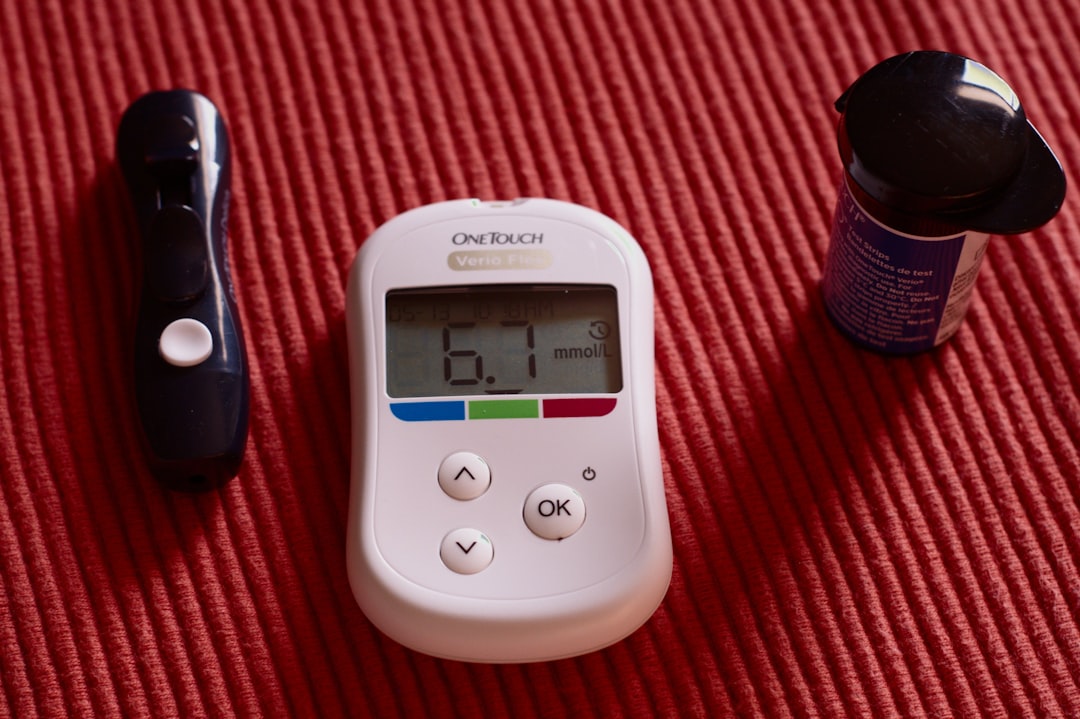
Morning blood pressure elevation, also known as the morning surge, is a physiological phenomenon characterized by a significant increase in blood pressure upon awakening. This condition occurs as the body transitions from sleep to wakefulness and is particularly prevalent among older adults. The morning blood pressure surge represents a critical period for cardiovascular health, as it has been associated with increased risk of stroke, heart attack, and other cardiovascular events.
The morning blood pressure surge is defined as a rise in systolic blood pressure of 20 mmHg or more within the first few hours after awakening. This increase typically occurs between 6:00 AM and 10:00 AM and is driven by several physiological mechanisms. During sleep, blood pressure naturally decreases by 10-20% in healthy individuals, a phenomenon known as nocturnal dipping.
Upon awakening, the sympathetic nervous system becomes activated, leading to increased heart rate, cardiac output, and vascular resistance. Several factors contribute to morning blood pressure elevation. The release of stress hormones such as cortisol and adrenaline increases during the early morning hours as part of the body’s natural circadian rhythm.
Additionally, blood vessels become less flexible overnight due to reduced nitric oxide production, while blood viscosity increases due to dehydration and reduced plasma volume. These physiological changes, combined with the sudden shift from horizontal to vertical positioning, create conditions that promote elevated blood pressure readings in the morning hours.
Key Takeaways
- Morning blood pressure spikes are common in seniors and can significantly impact their health.
- Causes include hormonal changes, medication timing, and lifestyle factors.
- These spikes increase the risk of cardiovascular events like stroke and heart attack.
- Managing spikes involves lifestyle changes, medication adjustments, and regular monitoring.
- Early diagnosis and consistent treatment are crucial for preventing complications in seniors.
Causes of Morning Blood Pressure Spikes in Seniors
Several factors contribute to morning blood pressure spikes in seniors, and understanding these causes is vital for effective management. One primary factor is the natural circadian rhythm of the body, which influences various physiological processes, including blood pressure regulation. As you wake up, your body releases hormones such as cortisol and adrenaline, which can lead to an increase in heart rate and blood pressure.
This hormonal surge is a normal response to waking but can be exaggerated in older adults. Another significant cause of morning blood pressure spikes is the phenomenon known as “nocturnal hypertension.” During the night, your blood pressure typically drops, allowing your body to rest and recover. However, some seniors may experience a failure in this nocturnal dip, leading to elevated blood pressure levels upon waking.
This condition can be exacerbated by factors such as sleep apnea, which is common among older adults and can disrupt normal sleep patterns, further contributing to morning spikes.
Effects of Morning Blood Pressure Spikes on Seniors’ Health
The effects of morning blood pressure spikes on your health can be profound and far-reaching. Elevated blood pressure levels in the morning can increase the risk of cardiovascular events such as heart attacks and strokes.
The sudden increase in blood pressure can place additional strain on your heart and blood vessels, potentially leading to long-term damage if not addressed. Moreover, morning blood pressure spikes can also impact your overall quality of life. You may experience symptoms such as headaches, dizziness, or fatigue as a result of these fluctuations.
These symptoms can hinder your ability to engage in daily activities and diminish your overall sense of well-being. Understanding the potential consequences of morning blood pressure spikes is essential for you to take proactive measures to protect your health.
Risk Factors for Morning Blood Pressure Spikes in Seniors
Identifying the risk factors associated with morning blood pressure spikes is crucial for prevention and management. Age is a significant risk factor; as you grow older, your blood vessels may become stiffer and less responsive to changes in blood flow, making you more susceptible to fluctuations in blood pressure. Additionally, underlying health conditions such as diabetes or chronic kidney disease can further increase your risk.
Lifestyle choices also play a critical role in determining your risk for morning blood pressure spikes. Factors such as obesity, physical inactivity, excessive alcohol consumption, and high sodium intake can all contribute to elevated blood pressure levels. If you have a family history of hypertension or cardiovascular disease, you may also be at a higher risk for experiencing these morning spikes.
By being aware of these risk factors, you can take steps to mitigate their impact on your health.
Symptoms of Morning Blood Pressure Spikes in Seniors
| Metric | Value | Unit | Notes |
|---|---|---|---|
| Average Morning Systolic BP Spike | 20-30 | mmHg | Increase compared to nighttime levels |
| Average Morning Diastolic BP Spike | 10-15 | mmHg | Increase compared to nighttime levels |
| Time of Peak Morning BP | 6-10 | AM (hours) | Typical window for highest BP readings |
| Percentage of Older Adults with Morning BP Spike | 30-50 | % | Varies by population and health status |
| Increased Risk of Stroke During Morning Hours | 2-3 | Times higher | Compared to other times of day |
| Recommended Monitoring Frequency | 2-3 | Times per day | Including morning and evening measurements |
| Effect of Antihypertensive Medication Timing | Significant | N/A | Evening dosing may reduce morning spikes |
Recognizing the symptoms associated with morning blood pressure spikes is essential for timely intervention. You may experience a range of symptoms that can vary in intensity from mild discomfort to more severe manifestations. Common symptoms include headaches, which may occur due to increased pressure on the blood vessels in your head.
Dizziness or lightheadedness can also be prevalent as your body adjusts to the sudden changes in blood flow. In some cases, you might experience palpitations or an irregular heartbeat as your heart works harder to pump blood against elevated pressure levels. Fatigue is another symptom that can arise from morning spikes; the stress on your cardiovascular system may leave you feeling drained and lethargic throughout the day.
Being attuned to these symptoms allows you to seek medical advice promptly and take appropriate action.
Diagnosis of Morning Blood Pressure Spikes in Seniors
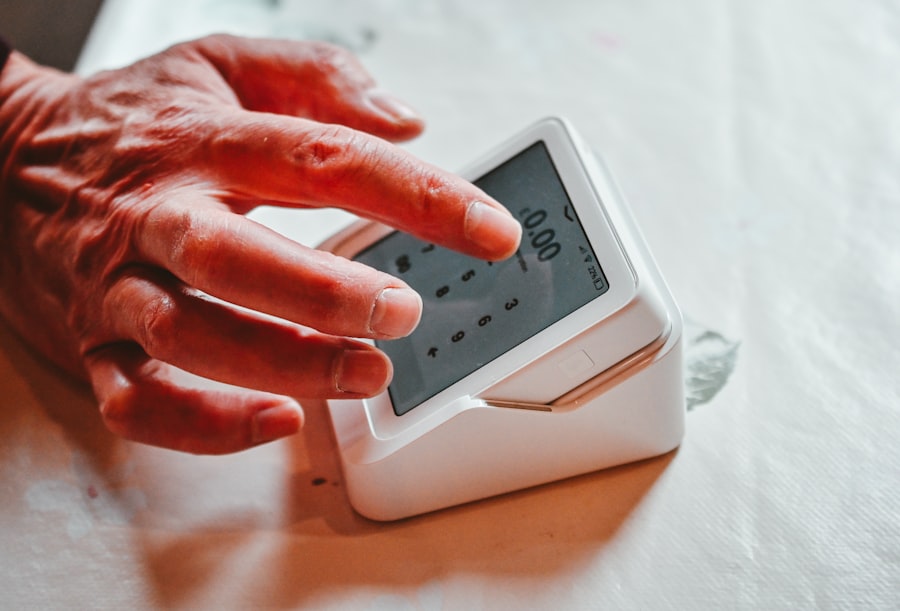
Diagnosing morning blood pressure spikes involves a comprehensive approach that includes both medical history and physical examination. Your healthcare provider will likely begin by asking about your symptoms and any relevant medical history, including existing conditions or medications that may affect your blood pressure. It’s important for you to provide accurate information about your lifestyle habits, such as diet and exercise routines.
To confirm the diagnosis, your doctor may recommend monitoring your blood pressure at home using a reliable device or conducting 24-hour ambulatory blood pressure monitoring. This method allows for continuous tracking of your blood pressure throughout the day and night, providing valuable insights into patterns that may not be evident during a standard office visit. By accurately diagnosing morning blood pressure spikes, your healthcare provider can develop an effective treatment plan tailored to your specific needs.
Treatment and Management of Morning Blood Pressure Spikes in Seniors
Managing morning blood pressure spikes requires a multifaceted approach that combines lifestyle modifications with medical interventions when necessary. Your healthcare provider may recommend dietary changes aimed at reducing sodium intake and increasing potassium-rich foods, which can help regulate blood pressure levels. Additionally, incorporating regular physical activity into your routine can improve cardiovascular health and promote better blood pressure control.
In some cases, medication may be necessary to manage morning spikes effectively. Your doctor may prescribe antihypertensive medications that work by relaxing blood vessels or reducing heart rate. It’s essential for you to adhere to the prescribed treatment plan and attend regular follow-up appointments to monitor your progress.
By actively participating in your treatment plan, you can significantly reduce the risks associated with morning blood pressure spikes.
Lifestyle Changes to Help Prevent Morning Blood Pressure Spikes in Seniors
Making lifestyle changes is one of the most effective ways to prevent morning blood pressure spikes. You should consider adopting a heart-healthy diet that emphasizes whole grains, fruits, vegetables, lean proteins, and healthy fats while minimizing processed foods high in sodium and sugar. Staying hydrated is also crucial; drinking enough water throughout the day helps maintain optimal blood volume and circulation.
Incorporating regular physical activity into your daily routine is another vital step toward managing blood pressure levels. Aim for at least 150 minutes of moderate-intensity exercise each week, which could include walking, swimming, or cycling. Additionally, practicing stress-reduction techniques such as yoga or meditation can help lower cortisol levels and promote relaxation, further contributing to stable blood pressure readings.
Medications for Controlling Morning Blood Pressure Spikes in Seniors
When lifestyle changes alone are insufficient to control morning blood pressure spikes, medications may become necessary. There are several classes of antihypertensive medications available that can effectively manage elevated blood pressure levels. Diuretics help eliminate excess fluid from the body, while ACE inhibitors work by relaxing blood vessels and improving blood flow.
Calcium channel blockers are another option; they prevent calcium from entering heart and blood vessel cells, leading to decreased heart rate and lower blood pressure. Your healthcare provider will work with you to determine the most appropriate medication based on your individual health profile and any other medications you may be taking. It’s essential for you to communicate openly with your doctor about any side effects or concerns regarding your treatment plan.
Importance of Monitoring Morning Blood Pressure Spikes in Seniors
Regular monitoring of your blood pressure is crucial for managing morning spikes effectively. Keeping track of your readings allows you to identify patterns and make informed decisions about your health. You might consider investing in a home blood pressure monitor for convenience; this enables you to check your levels at different times throughout the day and gain insights into how various factors affect your readings.
Additionally, sharing this information with your healthcare provider during appointments can facilitate more personalized care. By actively participating in monitoring your blood pressure, you empower yourself to take control of your health and make necessary adjustments to your lifestyle or treatment plan as needed.
Conclusion and Future Research on Morning Blood Pressure Spikes in Seniors
In conclusion, understanding morning blood pressure spikes is essential for seniors seeking to maintain their health and well-being. By recognizing the causes, effects, risk factors, symptoms, diagnosis methods, treatment options, and lifestyle changes associated with this condition, you can take proactive steps toward better management of your blood pressure levels. Future research will undoubtedly continue to shed light on this important topic, potentially leading to new treatment strategies and interventions tailored specifically for seniors.
As our understanding of hypertension evolves, it’s crucial for you to stay informed about emerging findings that could impact your health journey positively. By remaining engaged with ongoing research and advocating for yourself within the healthcare system, you can work toward achieving optimal health outcomes as you age.
Morning blood pressure spikes in older adults can be a significant health concern, often linked to various factors such as sleep patterns and medication timing. For a deeper understanding of this issue and its implications for senior health, you can read more in the article available at Explore Senior Health. This resource provides valuable insights into managing blood pressure and promoting overall well-being in older populations.
FAQs
What causes morning blood pressure spikes in older adults?
Morning blood pressure spikes in older adults are often caused by the body’s natural circadian rhythm, which leads to increased hormone levels such as cortisol and adrenaline upon waking. Other factors include arterial stiffness, medication timing, and underlying health conditions like hypertension or sleep apnea.
Why is morning blood pressure higher than at other times of the day?
Blood pressure typically rises in the morning due to the body’s “wake-up” response, which prepares the cardiovascular system for daily activities. This includes increased sympathetic nervous system activity and hormone release, causing blood vessels to constrict and heart rate to increase.
Is a morning blood pressure spike dangerous for older adults?
Yes, significant morning blood pressure spikes can increase the risk of cardiovascular events such as heart attacks and strokes, especially in older adults with existing hypertension or other risk factors. Monitoring and managing these spikes is important for reducing health risks.
How can older adults manage or reduce morning blood pressure spikes?
Management strategies include taking prescribed antihypertensive medications as directed, especially those targeting morning blood pressure; maintaining a healthy diet low in sodium; engaging in regular physical activity; managing stress; and ensuring good sleep quality. Consulting a healthcare provider for personalized advice is recommended.
Should blood pressure be measured in the morning for older adults?
Yes, measuring blood pressure in the morning can help detect spikes and assess the effectiveness of treatment. It is often advised to take readings at the same time each morning before medication or meals for consistency.
Can lifestyle changes impact morning blood pressure spikes?
Absolutely. Lifestyle changes such as reducing salt intake, limiting alcohol consumption, quitting smoking, maintaining a healthy weight, and managing stress can help lower overall blood pressure and reduce morning spikes.
Are there specific medications that target morning blood pressure spikes?
Certain antihypertensive medications, such as long-acting calcium channel blockers, ACE inhibitors, or angiotensin receptor blockers, may be prescribed to provide 24-hour blood pressure control, including during the morning surge. Medication timing can also be adjusted to better control morning readings.
When should an older adult see a doctor about morning blood pressure spikes?
If morning blood pressure readings are consistently high (e.g., systolic above 130-140 mmHg) or if there are symptoms like headaches, dizziness, chest pain, or shortness of breath, it is important to consult a healthcare provider for evaluation and management.