
The National Drug Code (NDC) is a unique identifier assigned to every medication approved by the U.S. Food and Drug Administration (FDA). This 10-digit code serves as a universal standard for identifying drugs, ensuring that healthcare providers, pharmacists, and patients can accurately recognize specific medications.
The NDC is crucial for various reasons, including facilitating drug dispensing, tracking medication usage, and enhancing the safety of pharmaceutical practices. By providing a standardized method of identification, the NDC helps to minimize errors in medication administration, which can have serious consequences for patient health. Understanding the importance of the NDC goes beyond mere identification; it plays a vital role in the broader healthcare system.
The NDC is used in electronic health records, billing systems, and insurance claims processing. This means that when you receive a prescription, the NDC helps ensure that the correct medication is dispensed and billed accurately. Moreover, the NDC is essential for regulatory compliance and monitoring drug safety, as it allows for efficient tracking of medications in the market.
In essence, the NDC is a cornerstone of pharmaceutical regulation and patient safety.
Key Takeaways
- The National Drug Code (NDC) is a unique identifier essential for tracking and pricing medications in the healthcare system.
- NDC pricing is composed of multiple components that collectively determine the final drug cost to consumers.
- NDC pricing directly influences drug affordability, insurance coverage, and reimbursement processes.
- Differences in NDC pricing between brand name and generic drugs affect overall healthcare spending and patient access.
- Understanding and managing NDC pricing is crucial for improving drug pricing transparency and controlling future healthcare costs.
The Components of NDC Pricing: Understanding the Breakdown
NDC pricing is not a straightforward figure; it consists of several components that contribute to the final cost of a medication. The NDC itself is divided into three segments: the labeler code, the product code, and the package code. The labeler code identifies the manufacturer or distributor of the drug, while the product code specifies the formulation and strength of the medication.
Finally, the package code indicates the packaging size and type. Understanding these components is essential for grasping how prices are determined and what factors influence them. When you look at NDC pricing, you will notice that it encompasses more than just the base cost of the drug.
Additional factors such as manufacturing costs, distribution expenses, and market demand all play a role in determining the final price you pay at the pharmacy. Furthermore, rebates and discounts negotiated between manufacturers and pharmacy benefit managers (PBMs) can significantly affect pricing. By breaking down these components, you can gain insight into why certain medications may be more expensive than others and how various stakeholders in the healthcare system influence drug pricing. For valuable senior prescription savings tips, visit senior prescription savings tips.
How NDC Pricing Affects Drug Costs for Consumers
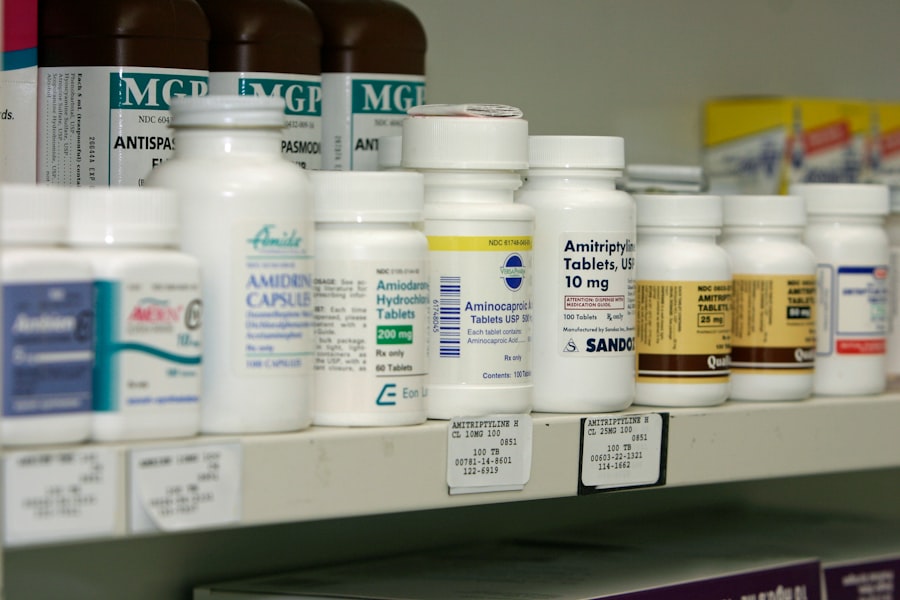
As a consumer, understanding how NDC pricing impacts your out-of-pocket expenses is crucial. The price you see on a medication label may not reflect what you ultimately pay at the pharmacy counter. Factors such as insurance coverage, copayments, and deductibles can all influence your final cost.
For instance, if your insurance plan has a formulary that includes specific NDCs at lower copay rates, you may find that some medications are more affordable than others based solely on their NDC pricing. Moreover, fluctuations in NDC pricing can lead to significant variations in drug costs over time. For example, if a manufacturer raises the price of a drug associated with a particular NDC, you may notice an increase in your copayment or out-of-pocket expenses.
This can be particularly challenging for individuals managing chronic conditions who rely on consistent access to their medications. By staying informed about NDC pricing trends and how they relate to your insurance plan, you can make more educated decisions about your healthcare expenditures.
The Role of NDC Pricing in the Healthcare Industry
NDC pricing plays a pivotal role in shaping the landscape of the healthcare industry. It serves as a critical tool for various stakeholders, including manufacturers, pharmacies, insurers, and healthcare providers. For manufacturers, understanding NDC pricing allows them to strategically position their products in a competitive market while ensuring compliance with regulatory requirements.
Additionally, insurers use NDC pricing to determine reimbursement rates for medications covered under their plans.
As you navigate your healthcare journey, recognizing the interconnectedness of NDC pricing with various aspects of the industry can help you better understand how decisions made by manufacturers and insurers ultimately affect your care.
The Impact of NDC Pricing on Insurance Coverage and Reimbursement
| NDC Code | Drug Name | Manufacturer | Package Size | Average Wholesale Price (AWP) | Wholesale Acquisition Cost (WAC) | Effective Date |
|---|---|---|---|---|---|---|
| 0002-0800-01 | Amoxicillin 500mg Capsule | PharmaCorp | 100 Capsules | 15.50 | 12.75 | 2024-05-01 |
| 0015-1234-10 | Lisinopril 10mg Tablet | HealthMed | 30 Tablets | 8.20 | 6.90 | 2024-04-15 |
| 0037-5678-05 | Metformin 500mg Tablet | WellnessPharma | 60 Tablets | 12.00 | 9.50 | 2024-06-01 |
| 0049-4321-20 | Atorvastatin 20mg Tablet | CardioHealth | 90 Tablets | 25.75 | 21.00 | 2024-05-20 |
| 0050-9876-15 | Albuterol Inhaler 90mcg | RespiraCare | 1 Inhaler | 45.00 | 38.25 | 2024-06-10 |
Insurance coverage and reimbursement are significantly influenced by NDC pricing structures. When an insurance company evaluates which medications to include in its formulary, it often considers the NDC pricing associated with those drugs. This means that if a medication has a high NDC price, it may be excluded from coverage or placed in a higher tier with increased copayments for consumers like you.
Furthermore, reimbursement rates for pharmacies are often tied to NDC pricing as well. If a pharmacy dispenses a medication with a high NDC price but receives lower reimbursement from an insurer, it may lead to financial strain on that pharmacy. This dynamic can ultimately affect your access to medications if pharmacies choose not to stock certain high-cost drugs or if they pass on additional costs to consumers through higher prices or copayments.
Factors that Influence NDC Pricing

Several factors contribute to fluctuations in NDC pricing that you should be aware of as a consumer. One significant factor is market competition; when multiple manufacturers produce similar drugs, prices may decrease due to competitive pressures. Conversely, if a drug has no generic alternatives or limited competition, its price may rise significantly over time.
Additionally, regulatory changes can impact NDC pricing as well. For instance, new legislation aimed at controlling drug prices or increasing transparency may lead manufacturers to adjust their pricing strategies. Supply chain disruptions can also play a role; if there are shortages of raw materials or manufacturing delays, prices may increase as demand outstrips supply.
By understanding these influencing factors, you can better anticipate potential changes in drug costs and make informed decisions regarding your healthcare.
The Difference Between Brand Name and Generic Drug NDC Pricing
When comparing brand name drugs to their generic counterparts, you’ll notice significant differences in NDC pricing. Brand name medications typically carry higher prices due to research and development costs incurred by manufacturers during their creation. These costs are often recouped through higher initial pricing strategies that reflect the investment made in bringing a new drug to market.
On the other hand, generic drugs are usually priced lower because they do not require extensive research or clinical trials; they simply replicate the active ingredients of brand name drugs once patents expire. This competition among generic manufacturers often leads to lower prices for consumers like you. However, it’s essential to consider that while generics may be more affordable, they must still meet rigorous FDA standards for safety and efficacy before they can be marketed under their own NDCs.
How NDC Pricing Affects Drug Pricing Transparency
NDC pricing plays a crucial role in promoting transparency within the pharmaceutical industry. By providing standardized codes for each medication, it allows consumers like you to access information about drug costs more easily. However, despite this potential for transparency, many complexities still exist within the system that can obscure true drug prices.
For instance, while you may see an advertised price for a medication at your pharmacy, this figure may not reflect what you will actually pay after insurance coverage is applied or any discounts are factored in. Additionally, negotiations between manufacturers and PBMs often occur behind closed doors, making it difficult for consumers to understand how much they should expect to pay for specific medications based on their NDCs. As calls for greater transparency continue to grow within the healthcare sector, understanding how NDC pricing fits into this landscape is essential for advocating for fairer drug costs.
Strategies for Managing and Negotiating NDC Pricing
As a consumer navigating the complexities of NDC pricing, there are several strategies you can employ to manage your medication costs effectively. One approach is to become familiar with your insurance plan’s formulary and understand which medications are covered at lower copayment rates based on their associated NDCs. This knowledge can help you make informed choices when discussing treatment options with your healthcare provider.
Another strategy involves actively seeking out discounts or patient assistance programs offered by pharmaceutical companies or nonprofit organizations. Many manufacturers provide financial assistance for individuals who struggle with high medication costs associated with specific NDCs. By taking advantage of these resources and advocating for yourself within the healthcare system, you can potentially reduce your out-of-pocket expenses significantly.
The Future of NDC Pricing and its Potential Impact on Healthcare Costs
Looking ahead, the future of NDC pricing will likely be shaped by ongoing discussions surrounding drug affordability and access to care. As policymakers continue to explore ways to control rising healthcare costs, changes in regulations related to NDC pricing may emerge that could impact how drugs are priced and reimbursed within the system. Additionally, advancements in technology may lead to improved transparency regarding drug costs associated with specific NDCs.
For example, digital platforms could provide real-time information about medication prices across different pharmacies or allow consumers like you to compare costs more easily. As these changes unfold, staying informed about developments in NDC pricing will be essential for navigating your healthcare journey effectively.
Resources for Understanding and Managing NDC Pricing
To better understand and manage NDC pricing as a consumer, several resources are available at your disposal. Websites such as GoodRx allow you to compare prices for medications across various pharmacies based on their associated NDCs while also providing information about potential discounts or coupons available for specific drugs. Additionally, engaging with your healthcare provider or pharmacist can provide valuable insights into medication options that align with your budgetary constraints while still meeting your health needs.
They can help guide you through discussions about alternative treatments or generics that may be more affordable based on their respective NDCs. By leveraging these resources and remaining proactive about understanding how NDC pricing affects your healthcare costs, you can take control of your medication expenses while ensuring access to necessary treatments for your well-being.
For those interested in understanding the complexities of NDC National Drug Code pricing, a related article can be found at