
When faced with the loss of a loved one, the prospect of navigating funeral service pricing can feel like trying to chart a course through a fog. The emotional weight of grief is often compounded by the practical and financial considerations of arranging a funeral. Understanding the components of traditional funeral service pricing is crucial for making informed decisions during a vulnerable time. This breakdown aims to demystify the often complex pricing structures, providing clarity and empowering you to understand where your money is going.
For those interested in understanding the costs associated with traditional funeral services, a detailed pricing breakdown can be found in the article available at Explore Senior Health. This resource provides valuable insights into the various components of funeral expenses, helping families make informed decisions during a challenging time.
The Foundation: Basic Service Fees
The bedrock of any funeral service bill is the basic service fee. This is a non-declinable charge mandated by the Federal Trade Commission (FTC) in the United States under the Funeral Rule. It represents the funeral home’s overhead and the cumulative cost of operating their business. Think of it as the rent, utilities, and staffing that allow the funeral home to be available to serve families. You can learn more about managing your funeral insurance premiums effectively by watching this informative video.
What the Basic Service Fee Covers
This fee is not a single, monolithic charge but rather encompasses a range of essential services provided by the funeral home. It’s important to understand that this fee is charged in every funeral sale, regardless of the specific packages or options you choose.
Administrative and Overhead Costs
This is where the funeral home’s operational engine is powered. It includes:
- Staff Salaries: The compensation for the funeral directors, administrative staff, embalmers, and other personnel who are available 24/7 to assist families.
- Facility Maintenance: The upkeep of the funeral home, including its chapels, viewing rooms, offices, and any other areas used for arrangements and services. This also includes utilities like electricity, water, and heating/cooling.
- Liability and Insurance: The costs associated with insuring the business, its property, and its employees.
- Licensing and Permits: Fees for maintaining state and local licenses required to operate as a funeral establishment.
- General Business Operations: This encompasses everything from accounting and legal services to marketing and waste disposal.
Essential Funeral Direction and Staff Support
Beyond the bricks and mortar, the basic service fee also pays for the professional expertise and availability of the funeral home staff. This includes:
- 24-Hour Availability: The funeral home is on call to respond to a death at any time, day or night. This immediate availability is a critical component of their service.
- Initial Consultation and Arrangement Conferences: The time spent meeting with you to discuss options, gather information about the deceased, and guide you through the funeral planning process.
- Coordination and Scheduling: The complex task of coordinating with third-party suppliers (florists, death certificate offices, cemeteries, crematories), clergy, and any other parties involved in the service.
- Obtaining Necessary Documents and Permits: Assisting in the acquisition of the death certificate, burial or transit permits, and other legal documentation required for disposition.
- Supervising and Directing the Funeral Service: Ensuring the smooth execution of all planned activities on the day of the service, from directing pallbearers to overseeing the committal service.
Basic Funeral Home Supplies
While many items are itemized separately, the basic service fee may also include some foundational supplies.
- Use of Funeral Home Equipment: This refers to the internal equipment used for preparation, embalming, and presentation, such as embalming tables, specialized tools, and refrigeration units.
- Basic Stationary Printing: Sometimes, a limited quantity of basic service programs or thank-you cards might be bundled within this fee for informational purposes, though customized printing is typically an additional charge.
It is crucial to remember that the basic service fee is not negotiable in the sense that it must be paid if you engage the funeral home’s services. However, its actual dollar amount will vary significantly between funeral homes, reflecting their respective overhead and service scope. When comparing funeral homes, you should always look at this fee as a starting point for understanding their overall pricing structure.
The Heart of the Service: Goods and Services Offered
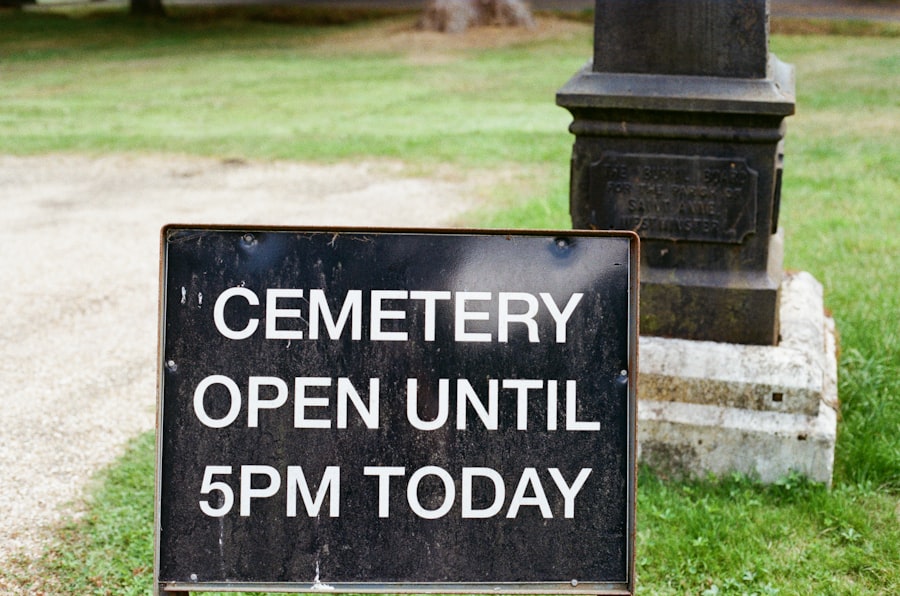
Once the basic service fee is understood, the next layers of pricing involve the specific goods and services you select for the funeral. These are often the most variable and customizable aspects of funeral pricing, allowing families to tailor the service to their needs and budget.
Casket Selection
The casket is often the most significant single purchase within a traditional funeral service, serving as the final resting place for the deceased. Pricing for caskets can span a wide spectrum, influenced by materials, construction, and design.
Materials and Construction
The materials used in casket manufacturing are a primary driver of cost.
- Metal Caskets:
- Steel: The most common material, with varying gauges (thickness). Thicker gauges (e.g., 18-gauge) are generally more durable and expensive than thinner gauges (e.g., 20-gauge).
- Stainless Steel: Offers superior corrosion resistance and a premium appearance, thus carrying a higher price tag.
- Bronze and Copper: These precious metals are the most expensive options, known for their exceptional durability and elegant finish.
- Wood Caskets:
- Hardwoods: Oak, cherry, and mahogany are premium choices, offering natural beauty and robust construction.
- Softwoods: Pine is a more affordable option, often used for simpler designs.
- Veneers and Composites: These can offer the look of premium wood at a lower cost but are generally less durable and may not be suitable for all burial contexts.
Interior Fabrics and Features
The inside of the casket also contributes to the final price.
- Lining Materials: Common choices include crepe, satin, and velvet, with velvet being the most luxurious and costly.
- Cushioning and Padding: The quality and thickness of the padding can vary.
- Hardware and Embellishments: Handles, decorative accents, and engraved nameplates add to the aesthetic and cost.
Urns for Cremation
For families opting for cremation, the selection of an urn is a significant decision. Like caskets, urns come in a wide array of materials, styles, and price points.
Materials and Craftsmanship
The materials chosen for an urn significantly impact its cost.
- Metal Urns: Brass, bronze, and stainless steel are common, with varying finishes and decorative engravings.
- Wood Urns: Crafted from hardwoods like oak, maple, or walnut, often featuring intricate carvings or inlays.
- Ceramic and Marble Urns: These offer a more artistic and sculptural design but may be less durable.
- Biodegradable Urns: Made from natural materials like wood pulp or sand, designed to decompose over time, often used for scattering or burial.
- Keepsake Urns: Smaller versions of full-sized urns, designed to hold a portion of the cremated remains.
Design and Personalization
Beyond the material, the design and any personalization options will affect the price.
- Engraving: Adding names, dates, or custom messages.
- Inlays and Appliques: Decorative elements made from contrasting materials.
- Themed Urns: Urns designed around specific hobbies, interests, or religious symbols.
Embalming and Preparation
Embalming is a chemical process used to preserve the body and is often considered a service for cosmetic purposes, to provide a more presentable appearance for viewings and open-casket services. It is not always required by law, but certain situations may necessitate it, such as if the body is being transported long distances or if there is a significant delay before disposition.
The Embalming Process Itself
This involves several steps and the use of specific chemicals.
- Disinfection and Sanitation: The initial cleaning and sterilization of the body.
- Arterial Embalming: The infusion of preservative chemicals into the circulatory system. The type and concentration of these chemicals, as well as the volume used, will influence the cost.
- Cavity Embalming: The treatment of internal organs with chemical compounds.
- Restorative Art: This is a critical component that can add significant cost. It encompasses techniques used to restore a natural appearance, such as:
- Cosmetics: Applying makeup to achieve a natural skin tone.
- Hair Styling: Washing, drying, and styling the hair.
- Wax Work: Repairing or reconstructing facial features or other areas damaged by trauma or disease.
- Setting Features: Closing the eyes and mouth.
Considerations for Autopsies and Organ/Tissue Donation
If the deceased has undergone an autopsy or donated organs or tissues, the embalming process may be more complex and therefore more expensive.
- Autopsy Reconstruction: Repairing incisions and restoring the body’s natural form after an autopsy requires specialized skills and materials.
- Organ/Tissue Preservation: The embalming process may need to be adapted to account for the removal of organs or tissues, requiring additional expertise and potentially different chemical formulations.
Viewing and Visitation Services
These services provide opportunities for family and friends to gather, pay their respects, and offer comfort to one another. The costs associated with these services are directly tied to the facilities and staff time required.
Use of Funeral Home Facilities
The pricing for viewings is typically based on the duration of the visitation and the space utilized.
- Chapel or Viewing Room Rental: The cost of reserving the funeral home’s facilities for a set period. This can vary based on the size of the room and the amenities offered.
- Set-Up and Staffing: This includes the time and labor involved in preparing the viewing room, such as arranging furniture, placing floral tributes, and ensuring the comfort of guests. Funeral home staff will be present to assist visitors, manage traffic flow, and provide support.
Embalming for Viewing
As mentioned, embalming is often performed to allow for open-casket viewings, which is an additional cost. If an open casket is desired, the embalming fee will be a separate line item.
Funeral Ceremony and Memorial Services
The funeral ceremony or memorial service is the core event where tributes are paid and the deceased is honored. Pricing here reflects the complexity of the service, the venue, and the logistical support provided.
Venue Costs
The location of the service plays a significant role in its pricing.
- Funeral Home Chapel: Often the most cost-effective option, as it’s already part of the funeral home’s facilities.
- Church or Religious Institution: May involve rental fees or contributions to the institution, depending on their policies.
- Other Venues: A hotel ballroom, community center, or outdoor location will involve rental fees in addition to other service costs.
Staffing and Coordination
The funeral home’s role in managing the ceremony is also factored in.
- Funeral Director and Staff: Their presence to supervise and manage the event.
- Equipment: Sound systems, audio-visual equipment for presentations, and other technical needs.
- Coordination with Clergy or Officiant: Ensuring smooth communication and logistics with the person leading the service.
Memorial Tributes and Personalization
These elements add a personal touch but also contribute to the overall cost.
- Memorial Programs or Bulletins: Custom-designed printed materials for attendees.
- Photo Displays and Slideshows: Setting up and managing visual tributes.
- Music: Hiring musicians or coordinating with pre-recorded music.
Transportation and Related Services
Moving the deceased from the place of death to the funeral home, and then to the final disposition site, involves specific transportation costs.
Removal and Transfer
The initial transport of the deceased is a critical but often overlooked expense.
- Ambulance or Hearse Service: The cost of a specialized vehicle and trained personnel to transport the body. This fee can vary based on distance and the type of vehicle used.
- Transfer from Place of Death: This includes picking up the deceased from their residence, a hospital, or a medical examiner’s facility.
Hearse and Limousine Services
On the day of the service, transportation for the immediate family and the casket is often provided.
- Hearse Rental: The use of a hearse to transport the casket to the place of service and then to the final disposition site.
- Limousine Rental: Providing transportation for the grieving family to attend the service and committal.
Long-Distance Transfer
If the deceased needs to be transported to another state or country, the costs escalate significantly due to specialized arrangements and logistical complexities. This can involve coordinating with air cargo, ground transport, and international regulations.
Ancillary Services: The Add-Ons and Extras

Beyond the core services, funeral homes offer a range of ancillary services that can enhance the funeral experience or assist with post-funeral needs. These are typically itemized and reflect additional labor, materials, or third-party costs.
Obituary Arrangements and Announcements
The funeral home often assists with the creation and placement of obituaries in newspapers or online platforms.
- Obituary Writing Assistance: Helping families craft a sensitive and accurate obituary.
- Newspaper Placement Fees: The cost of publishing the obituary in local or regional newspapers. These fees are often based on word count and the number of publications.
- Online Obituary Services: Many funeral homes partner with online memorial platforms for wider reach and the ability for guests to leave condolences.
Death Certificates and Other Vital Records
Obtaining official death certificates is a crucial administrative task, and funeral homes often facilitate this process.
- Processing Fees: The funeral home charges a fee for their administrative efforts in obtaining these documents.
- Government Fees: The actual cost charged by the state or county for issuing each death certificate. Families typically need multiple copies for various administrative purposes (e.g., insurance claims, estate settlement).
Memorialization Products
These are items designed to commemorate the life of the deceased.
- Memorial Books: Guest books for attendees to sign and leave messages.
- Prayer Cards and Thank-You Cards: Personalized stationery for memorial services and post-funeral outreach.
- Personalized Keepsakes: Items like memorial jewelry, custom urns, or engraved stones.
Merchandise and Other Goods
This category can include a variety of items beyond the casket or urn.
- Flowers: While often ordered through a florist, funeral homes may have arrangements or partnerships.
- Burial Clothing: Specific attire for the deceased, if not provided by the family.
- Cremation Jewelry: Small lockets or pendants designed to hold a portion of cremated remains.
When considering the costs associated with traditional funeral services, it is essential to understand the various components that contribute to the overall pricing. A detailed breakdown can help families make informed decisions during a challenging time. For further insights into this topic, you can explore a related article that discusses the intricacies of funeral service pricing and offers valuable tips for budgeting. To learn more, visit this resource for comprehensive information.
Cemetery and Cremation Costs: External but Essential
| Service Component | Description | Typical Cost Range |
|---|---|---|
| Basic Services Fee | Administrative costs, funeral planning, securing permits, and coordinating arrangements | 1,000 – 2,500 |
| Transportation | Transfer of the deceased from place of death to funeral home and to cemetery | 300 – 700 |
| Embalming | Preservation and preparation of the body for viewing | 500 – 800 |
| Use of Facilities | Viewing, visitation, and funeral ceremony space rental | 400 – 1,000 |
| Casket | Varies widely based on material and design | 1,000 – 5,000+ |
| Burial Vault or Grave Liner | Protective outer container for the casket | 800 – 1,500 |
| Grave Opening and Closing | Digging and filling the grave at the cemetery | 700 – 1,200 |
| Obituary Notice | Publication of death notice in local newspapers or online | 100 – 300 |
| Additional Services | Flowers, memorial programs, transportation for family, etc. | Varies |
It’s vital to understand that while funeral homes provide comprehensive service packages, they often act as intermediaries for external costs associated with cemetery or cremation services. These are separate charges that must be paid, regardless of the funeral home you choose.
Cemetery Plot and Interment Fees
If burial is the chosen disposition method, there are significant costs associated with the cemetery.
- Cost of a Burial Plot: The price of purchasing a space within the cemetery. This varies widely based on location, size, and view.
- Grave Opening and Closing Fees: The cost of excavating the grave and then refilling it after the interment. This is often the largest cemetery-related expense.
- Lawn Care and Perpetual Care Fees: Many cemeteries charge an ongoing fee for the maintenance of the grounds, which is often bundled into the initial purchase or added as a separate line item.
- Vault or Grave Liner: In many states and cemeteries, a concrete or metal vault (outer burial container) is required to support the weight of the soil and prevent ground collapse. This is a mandatory purchase for burial.
Cremation Fees and Related Services
When cremation is chosen, there are specific costs associated with the cremation process itself and any associated services.
- Cremation Fee: The charge by the crematory for the process of reducing the body to bone fragments through high temperatures. This includes the use of specialized equipment and the cremationist’s labor.
- Alternative Container: If an urn is not selected, a basic, combustible container (often called an alternative container or cremation box) is required for the cremation process.
- Cremation Permit: Fees charged by the local government for the permit required before cremation can take place.
- Scattering Services: If you opt for scattering the cremated remains, some facilities offer this service for an additional fee.
Understanding Itemization and the Funeral Rule
The Federal Trade Commission’s Funeral Rule is your ally in understanding funeral pricing. It mandates that funeral homes provide you with an itemized General Price List (GPL) upon request. This document is crucial for transparency and informed decision-making.
The General Price List (GPL)
The GPL is the cornerstone of transparent funeral pricing. It is a document that every funeral home must provide.
- Requirement to Provide: You have the right to ask for the GPL before discussing specific arrangements or making any commitments.
- Itemized Charges: The GPL lists all the goods and services the funeral home offers, along with their individual prices. This allows you to see the cost of each component, rather than just a bundled package price (though packages are also often offered).
- Mandatory and Optional Items: The GPL clearly distinguishes between services that are mandatory (like the basic service fee) and those that are optional (like embalming or a specific casket).
Your Rights Under the Funeral Rule
The Funeral Rule is designed to protect consumers during a difficult time.
- Right to Choose: You have the right to choose only the goods and services you want. You cannot be forced to purchase items you do not need or want. For example, if you opt for direct cremation, you are not required to purchase a casket.
- Right to an Itemized Statement: After you make your funeral arrangements, you must receive a written itemized statement of the goods and services that will be provided, along with the total cost. This statement is your contract with the funeral home.
- Disclosure Requirements: Funeral homes must disclose certain information, such as the fact that embalming is not required by law in most cases, unless specific circumstances mandate it.
By understanding the components of traditional funeral service pricing and leveraging the protections afforded by the Funeral Rule, you can approach funeral arrangements with greater confidence and clarity, ensuring that you are honoring your loved one’s memory in a way that aligns with your wishes and your budget.
WATCH THIS 🔥WARNING: The Funeral Insurance Trap Agents Hide (76% Never Pay Out)
FAQs
What are the main components included in traditional funeral service pricing?
Traditional funeral service pricing typically includes the cost of the casket, embalming and preparation of the body, use of the funeral home facilities for viewing and ceremony, transportation of the deceased, and basic service fees charged by the funeral home.
How much does embalming usually cost in a traditional funeral service?
Embalming costs can vary but generally range from $500 to $800. This fee covers the preservation and preparation of the body for viewing and funeral services.
Are there additional fees for transportation in a traditional funeral service?
Yes, transportation fees are usually separate and can include the cost of a hearse, transfer vehicle, and sometimes mileage charges. These fees typically range from $200 to $500 depending on distance and services provided.
Is the casket price included in the basic funeral service fee?
No, the casket is usually priced separately from the basic service fee. Casket prices can vary widely, from a few hundred dollars for simple models to several thousand dollars for premium options.
Can families customize traditional funeral services to fit their budget?
Yes, families can often customize services by selecting different casket options, choosing which services to include, and opting for simpler or more elaborate arrangements to better fit their budget. Funeral homes usually provide itemized pricing to help with these decisions.