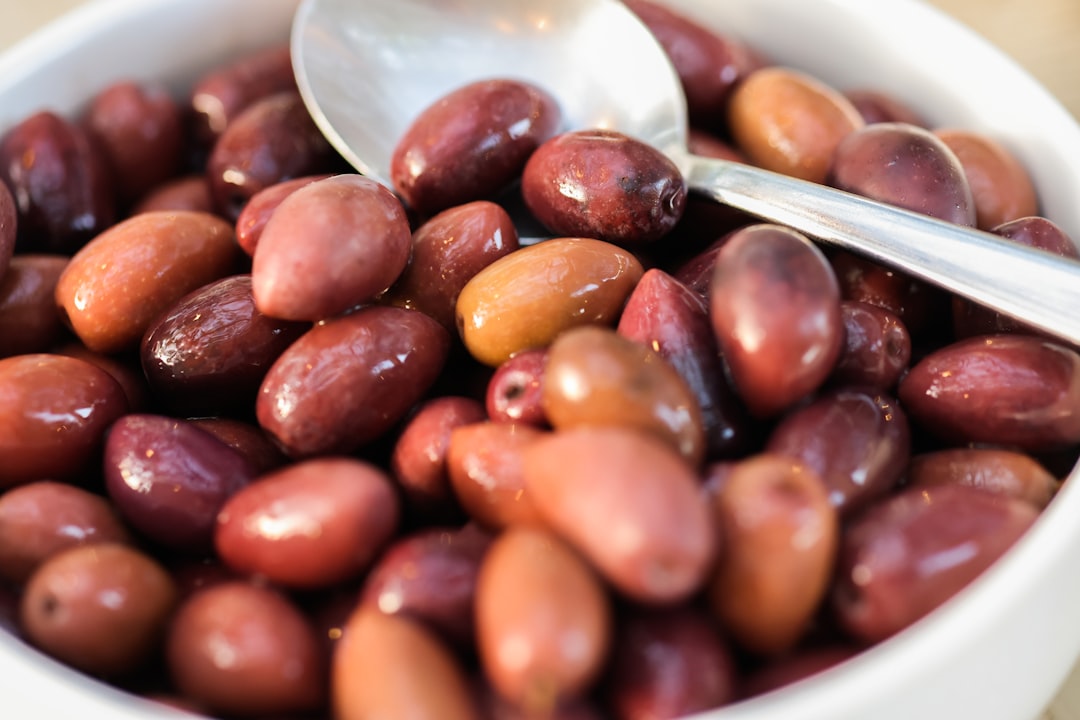
Cooking beans is an essential culinary process that improves their nutritional value, safety, and digestibility. The cooking process breaks down oligosaccharides, complex carbohydrates that can cause gastrointestinal discomfort and gas production in humans. Heat treatment also neutralizes potentially harmful compounds such as lectins and phytohaemagglutinin, which are naturally present in raw legumes and can cause digestive issues or toxicity if consumed uncooked.
Properly cooked beans provide significant nutritional benefits as a protein-rich food source, containing approximately 15-25% protein by weight along with essential amino acids, fiber, folate, iron, and potassium. They serve as a complete protein when combined with grains, making them particularly valuable in plant-based diets. Beans can be incorporated into diverse culinary applications across global cuisines, from Mediterranean dishes to Latin American preparations.
From an environmental perspective, legume cultivation offers sustainability advantages over animal protein production. Bean crops require approximately 43 times less land and significantly less water per gram of protein compared to beef production. Additionally, legumes contribute to soil health through nitrogen fixation, reducing the need for synthetic fertilizers and supporting agricultural sustainability.
Key Takeaways
- Cooking beans enhances their digestibility and nutrient availability.
- Cooling cooked beans helps retain essential nutrients and improves texture.
- Proper cooling techniques prevent spoilage and extend bean storage life.
- Cooling can enhance the flavor profile of beans in various dishes.
- Incorporating cooled beans into meals maximizes health benefits and culinary versatility.
Nutrient Benefits of Beans
Beans are often hailed as a superfood due to their impressive nutrient profile. They are rich in protein, fiber, vitamins, and minerals, making them an essential component of a balanced diet. When you consume beans, you benefit from their high fiber content, which aids in digestion and helps maintain a healthy weight.
Fiber also plays a crucial role in regulating blood sugar levels, making beans an excellent choice for those managing diabetes. In addition to fiber, beans are packed with essential nutrients such as iron, magnesium, and folate. Iron is vital for transporting oxygen in your blood, while magnesium supports muscle and nerve function.
Folate is particularly important for pregnant women as it helps prevent neural tube defects in developing fetuses. By including beans in your meals, you can easily boost your intake of these essential nutrients and promote overall health.
The Science Behind Cooling Cooked Beans
Cooling cooked beans is not just a matter of convenience; it also involves some fascinating science. When you cook beans, the heat causes the starches within them to gelatinize, making them soft and palatable. However, the cooling process initiates retrogradation, where the gelatinized starches begin to crystallize again.
This transformation can affect the texture and digestibility of the beans. As the beans cool, the water content within them redistributes, which can lead to changes in their structure. This process is crucial for achieving the desired consistency in various dishes.
Understanding the science behind cooling cooked beans can help you appreciate the nuances of texture and flavor that come into play when preparing your meals.
Retaining Nutrient Content through Cooling
One of the key benefits of cooling cooked beans is that it helps retain their nutrient content. When beans are cooked and then cooled properly, they can maintain their vitamins and minerals more effectively than if they were left at room temperature for extended periods. This is particularly important for preserving water-soluble vitamins like B vitamins and vitamin C, which can degrade when exposed to heat for too long.
Additionally, cooling cooked beans can enhance their resistant starch content. Resistant starch acts like fiber in your digestive system, promoting gut health and improving insulin sensitivity. By allowing your cooked beans to cool before consuming or storing them, you not only preserve their nutrients but also enhance their health benefits.
How to Properly Cool Cooked Beans
| Metric | Cooked Beans (per 100g) | Cooling Effect on Nutrients | Notes on Nutrient Benefits |
|---|---|---|---|
| Protein | 7-9 g | Minimal loss | Cooling does not significantly affect protein content; beans remain a good plant-based protein source. |
| Dietary Fiber | 6-8 g | Retained | Cooling preserves fiber, which aids digestion and blood sugar regulation. |
| Resistant Starch | Low when hot | Increases upon cooling | Cooling cooked beans increases resistant starch, promoting gut health and improved insulin sensitivity. |
| Iron | 2-3 mg | Stable | Iron content remains stable; cooling does not degrade mineral content. |
| Vitamin C | Trace amounts | Not applicable | Beans are not a significant source of vitamin C; cooling has negligible effect. |
| Antioxidants | Moderate | May increase slightly | Cooling may enhance some antioxidant activity due to changes in starch structure. |
| Glycemic Index (GI) | Low to moderate when hot | Decreases after cooling | Cooling reduces GI by increasing resistant starch, beneficial for blood sugar control. |
To maximize the benefits of cooling cooked beans, it’s essential to follow proper cooling techniques. After cooking your beans, allow them to cool at room temperature for no more than two hours to prevent bacterial growth. Once they have cooled slightly, transfer them to shallow containers to promote even cooling.
This method allows the heat to dissipate quickly and reduces the risk of spoilage. If you’re not planning to use the beans immediately, consider refrigerating or freezing them. When storing in the refrigerator, ensure that the beans are covered to prevent them from absorbing odors from other foods.
If freezing, portion the beans into airtight containers or freezer bags to make it easier to thaw only what you need later on. Proper cooling and storage techniques will help maintain the quality and safety of your cooked beans.
The Effect of Cooling on Bean Texture
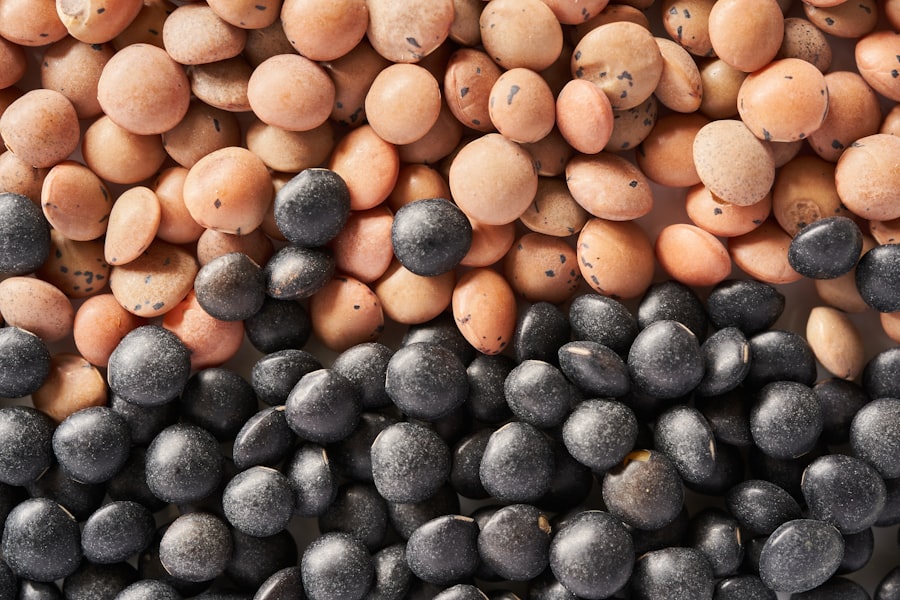
Cooling cooked beans can significantly impact their texture, which is crucial for achieving the right consistency in your dishes. As beans cool, they tend to firm up slightly due to the retrogradation of starches. This change can be beneficial when using beans in salads or cold dishes where a firmer texture is desired.
The cooling process allows the beans to hold their shape better, preventing them from becoming mushy when mixed with other ingredients. On the other hand, if you’re preparing a dish that requires softer beans, such as soups or stews, you may want to consider how long you cool them before adding them back into the pot. A brief cooling period may be ideal for maintaining a creamy texture while still allowing the flavors to meld together beautifully.
Understanding how cooling affects bean texture will enable you to tailor your cooking methods to achieve the desired outcome for each recipe.
The Impact of Cooling on Bean Flavor
The flavor profile of cooked beans can also be influenced by the cooling process. As beans cool, their flavors continue to develop and deepen. This phenomenon occurs due to the concentration of flavors as moisture evaporates and the ingredients meld together over time.
If you’ve ever tasted leftover bean dishes that seem more flavorful than when they were freshly made, this is likely due to the cooling process allowing the flavors to mature. Additionally, cooling cooked beans can enhance their ability to absorb flavors from other ingredients when combined in a dish. For instance, if you’re making a bean salad with herbs and vinaigrette, allowing the beans to cool before mixing them with the dressing will enable them to soak up those flavors more effectively.
This results in a more harmonious dish where each bite is infused with delicious taste.
The Role of Cooling in Bean Storage
Proper cooling plays a vital role in extending the shelf life of cooked beans during storage. When you cool beans quickly and store them correctly, you minimize the risk of spoilage and foodborne illnesses. Beans that are left at room temperature for too long can become breeding grounds for bacteria, leading to potential health risks.
By refrigerating or freezing cooled beans promptly after cooking, you ensure that they remain safe for consumption over an extended period. Refrigerated cooked beans can last up to five days, while frozen beans can maintain their quality for several months.
Recipes and Dishes that Benefit from Cooling Cooked Beans
There are countless recipes that benefit from using cooled cooked beans as an ingredient. One popular option is a bean salad that combines cooled black beans with diced tomatoes, corn, red onion, cilantro, and a zesty lime dressing. The cooling process allows the flavors to meld beautifully while maintaining the integrity of each ingredient.
Another delicious dish is a bean dip made from cooled white beans blended with garlic, lemon juice, and olive oil. This creamy dip is perfect for serving with fresh vegetables or pita chips at gatherings. Additionally, cooled beans can be added to grain bowls or stir-fries for added protein and texture without compromising flavor.
Tips for Incorporating Cooling Cooked Beans into Your Diet
Incorporating cooled cooked beans into your diet can be both easy and enjoyable. Start by preparing a large batch of your favorite beans at once; this way, you’ll have them on hand for various meals throughout the week. Consider adding cooled beans to salads for extra protein or tossing them into soups for added heartiness.
You can also experiment with different types of beans to keep things interesting—try chickpeas in Mediterranean dishes or kidney beans in chili recipes. Don’t hesitate to mix and match flavors; combining different types of beans can create unique textures and tastes that elevate your meals.
Maximizing Nutrient Benefits through Cooling
In conclusion, understanding the importance of cooking and cooling beans can significantly enhance your culinary experience while maximizing their nutrient benefits. By properly cooking and cooling your beans, you not only improve their digestibility but also retain essential nutrients that contribute to your overall health. The science behind cooling reveals how it affects texture and flavor while playing a crucial role in safe storage practices.
As you incorporate cooled cooked beans into your diet through various recipes and dishes, you’ll discover new ways to enjoy this versatile ingredient while reaping its numerous health benefits. Embrace the art of cooking and cooling beans as a means to enrich your meals and nourish your body effectively.
Cooling cooked beans not only enhances their flavor but also boosts their nutrient benefits, particularly through a process known as retrogradation, which increases resistant starch content. This transformation can improve gut health and aid in blood sugar regulation. For more insights on the health benefits of various foods, you can check out this related article on senior health at Explore Senior Health.
FAQs
Does cooling cooked beans affect their nutrient content?
Cooling cooked beans can slightly alter their nutrient profile, but it generally does not significantly reduce their overall nutritional value. Some water-soluble vitamins, like vitamin C and certain B vitamins, may decrease slightly, but minerals, protein, and fiber remain largely intact.
What are the benefits of cooling cooked beans before eating?
Cooling cooked beans allows resistant starch to form, which acts as a prebiotic fiber that supports gut health and improves digestion. This resistant starch can also help regulate blood sugar levels and increase feelings of fullness.
Is it healthier to eat beans hot or cooled?
Both hot and cooled beans offer health benefits. Eating cooled beans provides additional resistant starch, which benefits gut health and metabolism. However, hot beans still provide essential nutrients like protein, fiber, vitamins, and minerals.
How does resistant starch in cooled beans benefit health?
Resistant starch in cooled beans resists digestion in the small intestine and ferments in the large intestine, feeding beneficial gut bacteria. This fermentation produces short-chain fatty acids that support colon health, reduce inflammation, and may improve insulin sensitivity.
Can cooling cooked beans reduce their calorie content?
Cooling cooked beans does not reduce their calorie content, but the formation of resistant starch may slightly reduce the number of calories absorbed by the body, as resistant starch is not fully digested.
How should cooked beans be cooled and stored to maintain nutrients?
Cooked beans should be cooled quickly at room temperature for no more than two hours and then refrigerated in an airtight container. Proper cooling and storage help preserve nutrients and prevent bacterial growth.
Are there any risks associated with eating cooled cooked beans?
There are no inherent risks in eating cooled cooked beans if they have been properly cooked, cooled, and stored. However, improperly stored beans can develop harmful bacteria or toxins, so food safety practices are important.
Does reheating cooled beans affect their nutrient benefits?
Reheating cooled beans may reduce some heat-sensitive nutrients but generally does not eliminate the resistant starch formed during cooling. To maximize benefits, reheat beans gently and avoid overcooking.