
As you age, your body undergoes numerous changes, and your digestive system is no exception. One common issue that many elderly individuals face is bloating, which can be exacerbated by certain foods, including peppers. While peppers are often celebrated for their vibrant flavors and health benefits, they can also pose challenges for some older adults.
Understanding the relationship between peppers and bloating is essential for maintaining comfort and well-being as you navigate dietary choices. Peppers, particularly the spicy varieties, contain compounds that can affect digestion. For many, they add a delightful kick to meals, but for others, especially those in their golden years, they may lead to discomfort.
This article will explore the digestive process, the effects of capsaicin, age-related changes in digestive function, and how peppers can impact gut health. By gaining insight into these factors, you can make informed decisions about incorporating peppers into your diet while minimizing the risk of bloating.
Key Takeaways
- Peppers can cause bloating in the elderly due to their high fiber and gas-producing properties.
- Capsaicin in peppers can stimulate digestive juices and improve digestion in the elderly.
- Age-related changes in digestive function can make the elderly more sensitive to spicy foods and prone to bloating.
- Peppers can impact gut microbiota in the elderly, potentially leading to bloating and discomfort.
- Alternative cooking methods for peppers, such as roasting or steaming, can help reduce bloating and discomfort in the elderly.
The Digestive Process and Peppers
To understand how peppers can lead to bloating, it’s important to first grasp the basics of the digestive process. When you consume food, it travels through your gastrointestinal tract, where it is broken down and absorbed. The stomach plays a crucial role in this process, mixing food with digestive juices to create a semi-liquid substance called chyme.
As chyme moves into the small intestine, nutrients are absorbed into the bloodstream, while waste products continue on to the large intestine. Peppers, particularly when consumed raw or in large quantities, can be challenging for your digestive system. Their fibrous texture and high water content can lead to gas production as they ferment in the gut.
This fermentation process can result in bloating, especially if your digestive system is already compromised due to age or other health conditions.
Capsaicin and its Effects on the Digestive System
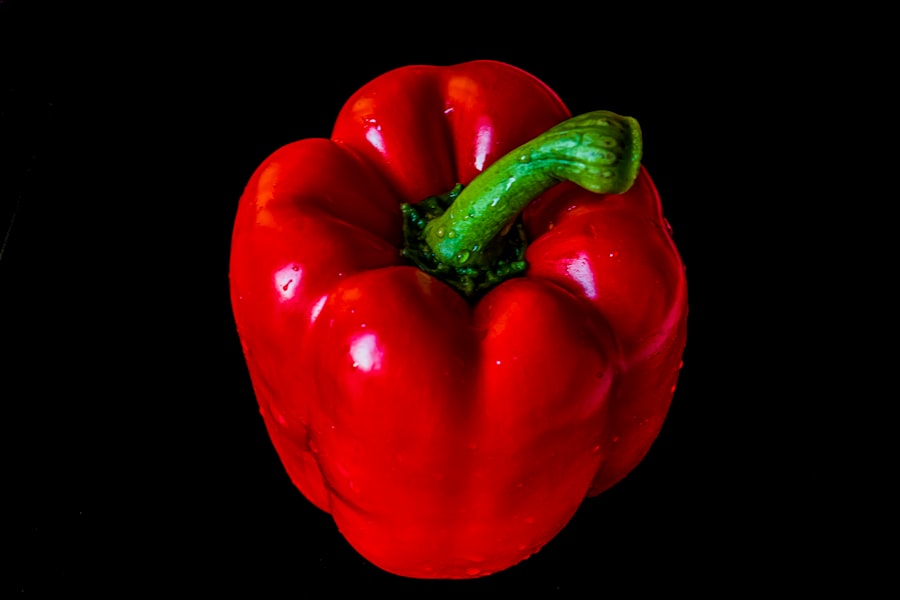
Capsaicin is the active compound found in hot peppers that gives them their characteristic heat. While it has been linked to various health benefits, including pain relief and improved metabolism, it can also have a significant impact on your digestive system. For some individuals, capsaicin can stimulate the production of gastric acid, which may lead to discomfort or exacerbate existing digestive issues.
As you age, your body may become more sensitive to capsaicin and other spicy compounds. This heightened sensitivity can result in symptoms such as heartburn or bloating after consuming spicy foods. It’s essential to listen to your body and recognize how it reacts to different types of peppers.
If you notice that spicy dishes consistently lead to discomfort, it may be time to reconsider your approach to incorporating these flavorful ingredients into your meals.
Age-Related Changes in Digestive Function
| Age Group | Digestive Function |
|---|---|
| Infants and Children | High digestive enzyme production |
| Adolescents | Peak digestive function |
| Adults | Gradual decline in digestive enzyme production |
| Elderly | Reduced digestive function, slower digestion |
As you grow older, various physiological changes occur that can affect your digestive function. The production of digestive enzymes may decrease, leading to less efficient breakdown of food. Additionally, the muscles of the gastrointestinal tract may weaken, resulting in slower transit times and increased likelihood of constipation or bloating.
These changes can make it more challenging for your body to handle certain foods, including peppers. Moreover, age-related changes in gut microbiota can also play a role in how your body processes different foods. A diverse and balanced gut microbiome is crucial for optimal digestion and overall health.
However, as you age, this diversity may decline, making it more difficult for your body to break down fibrous foods like peppers effectively. Understanding these changes can empower you to make dietary adjustments that support your digestive health.
Impact of Peppers on Gut Microbiota
The gut microbiota consists of trillions of microorganisms that reside in your intestines and play a vital role in digestion and overall health. Peppers can influence this delicate ecosystem in various ways. On one hand, they contain beneficial compounds such as vitamins and antioxidants that can promote a healthy gut environment.
On the other hand, their fibrous nature may lead to gas production during fermentation, potentially causing discomfort. For elderly individuals with altered gut microbiota due to age or health conditions, consuming peppers may have mixed effects. While some may benefit from the nutrients found in peppers, others may experience bloating or gas as their gut struggles to process these foods effectively.
It’s essential to pay attention to how your body responds after eating peppers and consider moderating your intake if you notice adverse effects.
Sensitivity to Spicy Foods in the Elderly
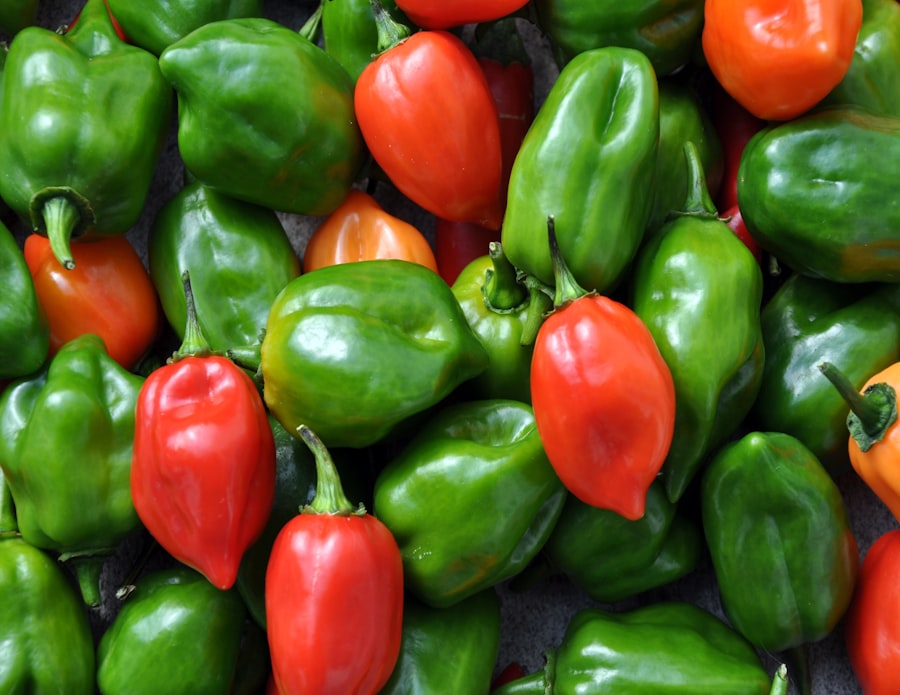
As you age, your taste buds and overall sensitivity to flavors may change.
This increased sensitivity can lead to discomfort when consuming dishes that contain hot peppers or other spicy ingredients.
If you’ve noticed that spicy foods now cause bloating or gastrointestinal distress, you’re not alone. This heightened sensitivity can be attributed to several factors, including changes in taste perception and alterations in the digestive system’s response to capsaicin. As a result, it may be wise to adjust your spice levels when cooking or dining out.
Opting for milder pepper varieties or using smaller amounts of spicy ingredients can help you enjoy the flavors without experiencing discomfort.
Potential Irritation of the Gastrointestinal Tract
In addition to causing bloating, peppers—especially those high in capsaicin—can irritate the gastrointestinal tract for some individuals. This irritation may manifest as heartburn, stomach cramps, or even diarrhea in more sensitive individuals. For older adults with pre-existing gastrointestinal conditions such as gastritis or irritable bowel syndrome (IBS), consuming spicy foods can exacerbate symptoms and lead to significant discomfort.
If you find that peppers consistently cause irritation or bloating, it’s essential to evaluate your diet and consider alternatives. While peppers are nutritious and flavorful, there are many other vegetables that can provide similar benefits without the risk of gastrointestinal distress. By being mindful of your body’s reactions and making necessary adjustments, you can maintain a balanced diet while avoiding discomfort.
Dealing with Bloating and Discomfort
If you experience bloating or discomfort after consuming peppers or other foods, there are several strategies you can employ to alleviate these symptoms. First and foremost, consider keeping a food diary to track what you eat and how it affects your body. This practice can help you identify specific triggers and patterns related to bloating.
Additionally, incorporating gentle physical activity after meals—such as walking—can aid digestion and help reduce feelings of fullness or bloating. Staying hydrated is also crucial; drinking plenty of water throughout the day can support overall digestive health and help prevent constipation. If bloating persists despite these efforts, it may be time to consult with a healthcare professional for further evaluation.
Alternative Cooking Methods for Peppers
If you love the flavor of peppers but find them challenging on your digestive system, consider experimenting with different cooking methods that may make them easier to digest. Cooking peppers thoroughly—whether by roasting, steaming, or sautéing—can break down their fibrous structure and make them gentler on your stomach. Additionally, pairing peppers with other ingredients that aid digestion—such as ginger or turmeric—can enhance their flavor while promoting gut health.
You might also try using milder pepper varieties or removing the seeds and membranes before cooking them; this can help reduce their heat level while still allowing you to enjoy their taste.
Seeking Medical Advice for Persistent Symptoms
If you find that bloating or discomfort persists despite making dietary adjustments or trying alternative cooking methods, it’s essential to seek medical advice. A healthcare professional can help identify any underlying conditions that may be contributing to your symptoms and recommend appropriate treatments or dietary modifications. In some cases, a registered dietitian may provide valuable insights into managing your diet effectively while addressing specific concerns related to aging and digestion.
They can help you create a personalized meal plan that considers your preferences while minimizing discomfort from foods like peppers.
Conclusion and Summary of Recommendations
In conclusion, while peppers are a delicious addition to many dishes and offer numerous health benefits, they can also pose challenges for elderly individuals dealing with bloating and digestive discomfort. Understanding how peppers interact with your digestive system is crucial for making informed dietary choices. To minimize bloating when consuming peppers, consider cooking them thoroughly, opting for milder varieties, and paying attention to portion sizes.
Keep track of how different foods affect your body through a food diary and incorporate gentle physical activity into your routine after meals. If symptoms persist despite these efforts, don’t hesitate to seek medical advice for further evaluation. By being proactive about your dietary choices and understanding how age-related changes impact digestion, you can enjoy the vibrant flavors of peppers while maintaining comfort and well-being in your daily life.
Peppers, while a nutritious addition to many diets, can sometimes cause bloating, particularly in the elderly. This is often due to the presence of certain compounds in peppers that can be difficult for some individuals to digest, leading to gas and bloating. For a more in-depth understanding of how dietary choices can impact digestive health in seniors, you might find this related article on Explore Senior Health insightful. It delves into various factors that can affect digestion in older adults and offers tips on managing such issues effectively.
Over 60? Ditch THIS Sneaky Veggie Wrecking Digestion, Bloating, and Microbiome Balance.
FAQs
What causes bloating in the elderly when consuming peppers?
Peppers contain a compound called capsaicin, which can irritate the digestive system and cause bloating, especially in the elderly who may have a more sensitive digestive system.
How does capsaicin affect the digestive system in the elderly?
Capsaicin can stimulate the production of stomach acid, which can lead to discomfort and bloating in the elderly. It can also irritate the lining of the stomach and intestines, leading to digestive issues.
Are there other factors that contribute to bloating in the elderly when consuming peppers?
Yes, the elderly may have a slower digestive system, reduced enzyme production, and a decreased ability to tolerate spicy foods, all of which can contribute to bloating when consuming peppers.
What are some ways to reduce bloating when consuming peppers in the elderly?
To reduce bloating, the elderly can try consuming smaller portions of peppers, removing the seeds and membranes (where capsaicin is concentrated), and cooking the peppers to break down the capsaicin. Additionally, pairing peppers with foods that are easier to digest may help reduce bloating.