
Joint swelling is a common condition that can affect individuals of all ages, often leading to discomfort and reduced mobility. You may have experienced this firsthand or know someone who has. The swelling can be a result of various factors, including injury, arthritis, or other underlying health issues.
When your joints swell, it can be a sign that your body is responding to an irritant or injury, and understanding the causes and implications of this condition is crucial for managing it effectively. The experience of joint swelling can be both physically and emotionally taxing. You might find that simple tasks become challenging, and the pain can affect your overall quality of life.
Recognizing the role of inflammation in joint swelling is essential, as it can help you identify potential triggers and make informed choices about your diet and lifestyle.
Key Takeaways
- Joint swelling can be caused by inflammation in the joints, which can be influenced by diet.
- Foods high in sugar and processed carbohydrates can contribute to inflammation in the joints.
- Red meat and high-fat dairy products can also contribute to joint inflammation.
- Nightshade vegetables, gluten-containing foods, processed and fried foods, alcohol, caffeine, artificial additives and preservatives, and high sodium foods can all contribute to joint inflammation.
- A diet high in these inflammatory foods can exacerbate joint swelling and should be avoided for those with joint issues.
Process of Inflammation in the Joints
Inflammation is a natural response of your immune system to injury or infection, but when it occurs in the joints, it can lead to significant discomfort and swelling. When your body detects an issue, it sends white blood cells and other chemicals to the affected area, which can result in redness, warmth, and swelling. This process is meant to protect you and promote healing; however, when inflammation becomes chronic, it can lead to ongoing pain and joint damage.
You may not realize that certain lifestyle choices can exacerbate inflammation in your joints. Factors such as stress, lack of exercise, and poor dietary habits can all contribute to a heightened inflammatory response. By understanding how inflammation works and recognizing its triggers, you can take proactive steps to reduce its impact on your joints.
This knowledge empowers you to make dietary changes that may alleviate some of the discomfort associated with joint swelling.
Foods High in Sugar and Processed Carbohydrates

One of the most significant contributors to inflammation in the body is the consumption of foods high in sugar and processed carbohydrates. When you indulge in sugary snacks or refined grains, your body experiences a spike in blood sugar levels, which can trigger an inflammatory response. This reaction can lead to increased joint swelling and discomfort over time.
You might find that after consuming these types of foods, your joints feel stiffer or more painful. To combat this issue, consider reducing your intake of sugary treats and processed carbohydrates. Instead, focus on whole foods that are rich in nutrients and low in added sugars.
Incorporating fruits, vegetables, whole grains, and lean proteins into your diet can help stabilize your blood sugar levels and reduce inflammation. By making these changes, you may notice a significant improvement in your joint health and overall well-being.
Red Meat and High-Fat Dairy Products
| Year | Red Meat Consumption (kg per capita) | High-Fat Dairy Consumption (kg per capita) |
|---|---|---|
| 2010 | 25.6 | 15.2 |
| 2011 | 24.8 | 14.8 |
| 2012 | 23.9 | 14.5 |
| 2013 | 23.2 | 14.1 |
| 2014 | 22.5 | 13.8 |
Red meat and high-fat dairy products are often linked to increased inflammation in the body. These foods contain saturated fats that can promote inflammatory processes, leading to joint swelling and discomfort. If you consume these products regularly, you may want to evaluate how they affect your body.
You might notice that after a heavy meal rich in red meat or full-fat dairy, your joints feel more achy or swollen. To mitigate these effects, consider opting for leaner protein sources such as fish, poultry, or plant-based proteins like beans and lentils. Additionally, low-fat dairy options or dairy alternatives can provide the necessary nutrients without the added saturated fats.
By making these dietary adjustments, you may find that your joint swelling decreases over time, allowing you to enjoy a more active lifestyle.
Nightshade Vegetables
Nightshade vegetables, including tomatoes, potatoes, eggplants, and peppers, have garnered attention for their potential role in exacerbating joint inflammation for some individuals. While these vegetables are nutritious and offer numerous health benefits, you might find that they trigger discomfort or swelling in your joints if you are sensitive to them. This sensitivity varies from person to person; therefore, it’s essential to pay attention to how your body reacts after consuming these foods.
If you suspect that nightshade vegetables may be contributing to your joint issues, consider eliminating them from your diet for a period to see if your symptoms improve. You can replace them with other vegetables that are less likely to cause inflammation, such as leafy greens or cruciferous vegetables like broccoli and cauliflower. By being mindful of your food choices and their effects on your body, you can take control of your joint health.
Gluten-containing Foods
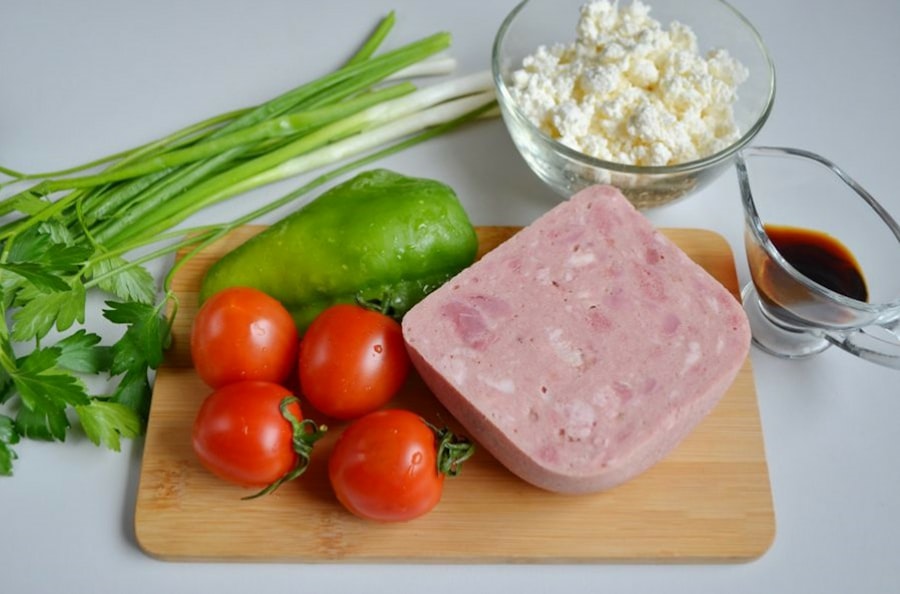
Gluten is a protein found in wheat, barley, and rye that can cause inflammation in individuals with gluten sensitivity or celiac disease. If you experience joint swelling along with other symptoms such as digestive issues or fatigue after consuming gluten-containing foods, it may be worth exploring a gluten-free diet. You might find that eliminating gluten from your meals leads to a noticeable reduction in inflammation and discomfort.
Transitioning to a gluten-free diet doesn’t mean sacrificing flavor or nutrition. There are plenty of gluten-free grains available, such as quinoa, brown rice, and millet. Additionally, many fruits and vegetables are naturally gluten-free and can provide essential vitamins and minerals while supporting your overall health.
By being proactive about avoiding gluten, you may discover a significant improvement in your joint swelling and overall well-being.
Processed and Fried Foods
Processed and fried foods are often high in unhealthy fats and additives that can contribute to inflammation in the body. When you consume these types of foods regularly, you may inadvertently increase the likelihood of experiencing joint swelling and discomfort. The oils used in frying can create trans fats that are particularly harmful to your health and can exacerbate inflammatory responses.
To promote better joint health, consider replacing processed snacks with whole food alternatives. Fresh fruits, nuts, seeds, and whole grains are excellent choices that provide essential nutrients without the inflammatory effects associated with processed foods. Cooking at home using healthy methods such as baking or steaming can also help you avoid unhealthy fats while enjoying delicious meals that support your joint health.
Alcohol and Caffeine
Alcohol and caffeine are two substances that can have varying effects on inflammation levels in the body. While moderate alcohol consumption may have some health benefits for certain individuals, excessive intake can lead to increased inflammation and joint swelling. If you notice that your joints feel more painful after drinking alcohol, it might be time to reassess your consumption habits.
Caffeine also has a complex relationship with inflammation. For some people, moderate caffeine intake may not pose any issues; however, excessive consumption can lead to dehydration and increased inflammation levels. If you’re experiencing joint discomfort, consider moderating your intake of both alcohol and caffeine while observing how these changes affect your symptoms.
Artificial Additives and Preservatives
Many processed foods contain artificial additives and preservatives designed to enhance flavor or extend shelf life. Unfortunately, these substances can contribute to inflammation in some individuals. If you’re sensitive to certain additives like MSG or artificial sweeteners, you might find that consuming products containing them leads to increased joint swelling or discomfort.
To minimize exposure to these potentially harmful substances, focus on consuming whole foods whenever possible. Reading labels carefully can help you avoid products with artificial ingredients that may trigger inflammation. By prioritizing fresh produce and minimally processed items in your diet, you can support your body’s natural ability to manage inflammation effectively.
High Sodium Foods
High sodium foods are another dietary factor that can contribute to inflammation and joint swelling. Excessive salt intake can lead to water retention in the body, which may exacerbate swelling in the joints. If you’re consuming a lot of processed foods or restaurant meals, it’s likely that you’re unknowingly increasing your sodium intake.
To combat this issue, consider cooking at home using fresh ingredients where you can control the amount of salt added to your meals. Experimenting with herbs and spices for flavoring can help reduce reliance on salt while still providing delicious meals. By being mindful of your sodium intake, you may notice a decrease in joint swelling over time.
Summary and Conclusion
In conclusion, understanding the dietary factors that contribute to joint swelling is essential for managing this condition effectively. By being aware of how certain foods—such as those high in sugar and processed carbohydrates, red meat and high-fat dairy products, nightshade vegetables, gluten-containing foods, processed and fried foods, alcohol and caffeine, artificial additives and preservatives, and high sodium foods—can impact inflammation levels in your body, you empower yourself to make healthier choices. Taking proactive steps towards a balanced diet rich in whole foods can significantly improve your joint health over time.
By paying attention to how different foods affect your body and making necessary adjustments, you may find relief from joint swelling and discomfort. Ultimately, prioritizing nutrition not only supports your joints but also enhances your overall well-being—allowing you to lead a more active and fulfilling life.
Joint swelling can be a painful and debilitating condition, often exacerbated by certain foods that trigger inflammation. For those looking to manage their symptoms through dietary changes, it’s essential to be aware of which foods might be contributing to the problem. An informative article on this topic can be found on Explore Senior Health, which provides insights into foods that may cause joint swelling and offers guidance on dietary adjustments. To learn more, you can read the full article by visiting this link.
Over 60? Ditch THIS Sneaky Veggie Wrecking Digestion, Bloating, and Microbiome Balance.
FAQs
What are some common foods that can cause joint swelling?
Some common foods that can cause joint swelling include processed foods, sugary drinks, red meat, fried foods, and foods high in refined carbohydrates.
How do these foods contribute to joint swelling?
These foods can contribute to joint swelling by promoting inflammation in the body. Processed foods, sugary drinks, and foods high in refined carbohydrates can lead to increased levels of inflammatory markers in the body, while red meat and fried foods can also contribute to inflammation.
Are there specific ingredients in these foods that cause joint swelling?
Some specific ingredients in these foods that can contribute to joint swelling include trans fats, high levels of sugar, refined carbohydrates, and certain proteins found in red meat.
What are some alternatives to these foods that can help reduce joint swelling?
Some alternatives to these foods that can help reduce joint swelling include consuming more fruits and vegetables, whole grains, lean proteins such as fish and poultry, and healthy fats like those found in nuts and seeds.
Can certain foods help reduce joint swelling?
Yes, certain foods such as fatty fish (like salmon and mackerel), nuts, seeds, and leafy greens contain anti-inflammatory properties that can help reduce joint swelling. Additionally, foods rich in antioxidants, such as berries and cherries, can also help reduce inflammation in the body.