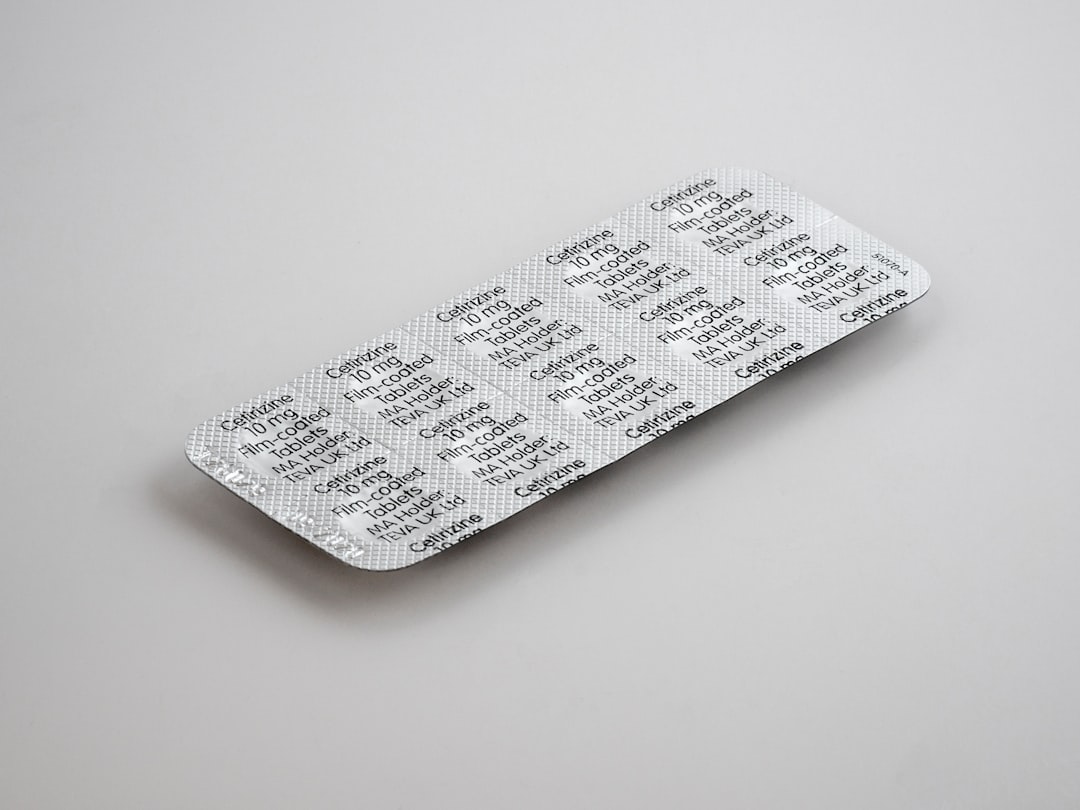
Understanding prescription drug coverage requires careful examination of your insurance policy documents. These documents contain detailed information about covered medications, coverage restrictions, and cost structures. The formulary serves as the primary reference tool, listing all medications covered by your plan and organizing them into cost-based tiers.
Lower-tier medications typically result in reduced out-of-pocket expenses for patients. Two key financial components affect prescription costs: copayments and deductibles. Copayments represent fixed amounts paid for each prescription, regardless of the medication’s actual cost.
Deductibles establish the threshold amount patients must pay before insurance coverage begins. Understanding how these elements apply to your specific plan enables better healthcare financial planning. Insurance providers offer customer service resources to clarify coverage details and explain benefit optimization strategies.
Contacting your insurance company directly provides access to plan-specific information and personalized guidance for maximizing your prescription drug benefits.
Key Takeaways
- Understand your insurance coverage to maximize benefits and reduce out-of-pocket costs.
- Use generic alternatives and ask for a 90-day supply to save money on medications.
- Explore patient assistance programs, manufacturer coupons, and prescription savings programs for additional discounts.
- Compare prices at different pharmacies and consider mail order services for better deals.
- Discuss lower-cost options with your doctor and investigate government assistance programs if eligible.
Utilizing Generic Alternatives
One of the most effective ways to save on prescription costs is by opting for generic alternatives. Generic medications are typically much less expensive than their brand-name counterparts, yet they contain the same active ingredients and provide the same therapeutic benefits. When you visit your pharmacy, ask your pharmacist if a generic version of your prescribed medication is available.
In many cases, you’ll find that switching to a generic can lead to significant savings without compromising your treatment. Moreover, it’s important to recognize that not all medications have a generic equivalent. However, for those that do, the price difference can be substantial.
If you’re unsure whether a generic option exists for your medication, consult with your healthcare provider or pharmacist.
By being proactive about exploring generics, you can take control of your healthcare expenses. For valuable senior prescription savings tips, visit senior prescription savings tips.
Asking for a 90-Day Supply

When managing chronic conditions that require ongoing medication, consider asking your doctor for a 90-day supply instead of the standard 30-day prescription. Many insurance plans offer lower copayments for larger quantities, which can lead to significant savings over time. Not only does this approach reduce the frequency of pharmacy visits, but it also provides peace of mind knowing that you have an adequate supply of your medication on hand.
Before making this request, check with your insurance provider to confirm that they cover 90-day supplies and understand any associated costs. If approved, discuss this option with your healthcare provider during your next appointment. They may be more than willing to accommodate your request, especially if it means improving your adherence to treatment and reducing overall healthcare costs.
By advocating for a 90-day supply, you can streamline your medication management and potentially save money in the process.
Exploring Patient Assistance Programs
Patient assistance programs (PAPs) are invaluable resources designed to help individuals who struggle to afford their medications. Many pharmaceutical companies offer these programs to provide free or low-cost medications to eligible patients. To access these programs, start by researching the specific medications you take and whether their manufacturers have assistance programs available.
You can often find this information on the company’s website or by contacting their customer service department. Once you identify potential programs, be prepared to provide documentation regarding your financial situation and medical needs. Each program has its own eligibility criteria, so it’s essential to read the requirements carefully.
If you qualify, these programs can significantly alleviate the financial burden of purchasing medications, allowing you to focus on your health rather than worrying about costs. Don’t hesitate to reach out for help; many organizations are dedicated to assisting patients in navigating these resources.
Comparing Prices at Different Pharmacies
| Method | Description | Potential Savings | Additional Notes |
|---|---|---|---|
| Use Generic Medications | Opt for generic versions of brand-name drugs which contain the same active ingredients. | Up to 80% less than brand-name drugs | Check with your doctor or pharmacist to ensure generics are appropriate. |
| Compare Pharmacy Prices | Shop around different pharmacies to find the best price for your prescription. | Varies; can save 10-50% | Use online tools or apps to compare prices easily. |
| Use Prescription Discount Cards | Apply discount cards or coupons to reduce out-of-pocket costs. | 5-30% off prescription costs | Many cards are free and available online. |
| Buy in Bulk or 90-Day Supply | Purchase a larger quantity of medication to reduce per-unit cost. | 10-20% savings | Check with insurance for coverage on larger supplies. |
| Ask for Samples or Assistance Programs | Request free samples from doctors or apply for manufacturer assistance programs. | Varies; can cover full cost temporarily | Programs often require qualification based on income. |
| Use Mail-Order Pharmacies | Order medications through mail-order services which may offer lower prices. | Up to 20% savings | Convenient for maintenance medications. |
| Review Insurance Formularies | Choose medications covered by your insurance plan’s preferred drug list. | Lower copays and out-of-pocket costs | Consult your insurer or doctor for formulary options. |
Not all pharmacies charge the same prices for medications, so it’s wise to shop around before filling your prescription. Take the time to compare prices at various local pharmacies as well as online options. Some websites and apps allow you to input your medication and find the best prices in your area, making it easier than ever to identify where you can save money.
In addition to traditional brick-and-mortar pharmacies, consider exploring discount pharmacies or warehouse clubs that may offer lower prices on prescriptions. Keep in mind that some pharmacies may have loyalty programs or special discounts that can further reduce costs. By being diligent in comparing prices, you can ensure that you’re getting the best deal possible on your medications.
Using Prescription Discount Cards

Prescription discount cards are another effective tool for reducing medication costs. These cards are often free and can provide significant savings on both brand-name and generic drugs at participating pharmacies. You can find discount cards through various organizations, including non-profits and pharmaceutical companies, as well as online platforms that aggregate discounts.
When using a discount card, simply present it at the pharmacy when filling your prescription. The pharmacist will apply the discount to your total cost, which may result in lower out-of-pocket expenses than what your insurance would cover. It’s worth noting that some discount cards may not be applicable if you’re using insurance; however, they can still be beneficial for those without coverage or for medications not included in your plan’s formulary.
Discussing Lower Cost Options with Your Doctor
Open communication with your healthcare provider is essential when it comes to managing prescription costs. Don’t hesitate to discuss any financial concerns you have regarding your medications during appointments. Your doctor may be able to suggest lower-cost alternatives or adjust your treatment plan to include more affordable options without compromising effectiveness.
In some cases, doctors may have samples of medications available or be aware of patient assistance programs that could help you access necessary treatments at reduced costs. By fostering a collaborative relationship with your healthcare provider and being transparent about your financial situation, you can work together to find solutions that prioritize both your health and budget.
Considering Mail Order Pharmacy Services
Mail order pharmacy services are an increasingly popular option for obtaining medications conveniently and often at a lower cost. Many insurance plans offer mail order services as part of their benefits package, allowing you to receive a 90-day supply of medication delivered directly to your home. This option not only saves time but can also reduce costs associated with frequent pharmacy visits.
Before opting for mail order services, check with your insurance provider to ensure coverage and understand any potential savings involved. Additionally, consider whether this method aligns with your medication management needs; for instance, if you require immediate access to medications or have concerns about delivery times. If mail order services suit your lifestyle and needs, they can be an excellent way to streamline your prescription management while saving money.
Seeking Out Manufacturer Coupons
Many pharmaceutical companies offer coupons or rebates for their medications as part of marketing strategies aimed at increasing accessibility for patients. These coupons can significantly reduce out-of-pocket costs for brand-name drugs and are often available through the manufacturer’s website or by contacting their customer service department directly. When searching for manufacturer coupons, be sure to read the terms and conditions carefully; some coupons may have restrictions based on insurance coverage or eligibility criteria.
If you find a coupon that applies to your medication, present it at the pharmacy when filling your prescription to receive the discount. By taking advantage of these offers, you can make necessary treatments more affordable.
Investigating Prescription Savings Programs
Prescription savings programs are designed to help individuals access medications at reduced prices through various means, including partnerships with pharmacies and drug manufacturers. These programs often provide discounts on both brand-name and generic drugs and can be particularly beneficial for those without insurance or high-deductible plans. To investigate available savings programs, start by checking with local pharmacies or searching online for national programs that cater to specific medications or conditions.
Some organizations may require enrollment or membership fees; however, many are free and accessible to anyone in need of assistance. By exploring these options, you can uncover additional resources that may help alleviate the financial burden of purchasing necessary medications.
Exploring Government Assistance Programs
Government assistance programs play a crucial role in helping individuals access affordable healthcare and medications. Programs such as Medicaid and Medicare offer various benefits that can significantly reduce prescription costs for eligible individuals. If you qualify for these programs based on income or age criteria, it’s essential to understand how they work and what benefits they provide.
In addition to Medicaid and Medicare, there are other government initiatives aimed at assisting low-income individuals with healthcare costs.
By taking advantage of government assistance options, you can ensure that you receive the necessary care without facing overwhelming financial strain.
In conclusion, managing prescription costs requires proactive engagement and exploration of various resources available to you as a patient. By understanding your insurance coverage, utilizing generic alternatives, discussing options with healthcare providers, and exploring assistance programs, you can take significant steps toward making necessary medications more affordable while prioritizing your health and well-being.
If you’re looking for effective strategies to lower your prescription costs, you might find valuable insights in this article on senior health management. It discusses various ways to manage healthcare expenses, including tips on medication savings. You can read more about it [here](https://www.exploreseniorhealth.com/sample-page/).
WATCH THIS! 🛑 STOP Paying $52 When It’s $6 at the Same Pharmacy
FAQs
What are some common ways to lower prescription drug costs?
Common methods to reduce prescription costs include using generic medications, asking your doctor for lower-cost alternatives, utilizing prescription discount cards or coupons, shopping around at different pharmacies, and checking if you qualify for patient assistance programs.
Are generic drugs as effective as brand-name medications?
Yes, generic drugs contain the same active ingredients as brand-name medications and are considered equally effective and safe by the FDA. They typically cost significantly less.
Can insurance plans help reduce prescription drug costs?
Yes, many insurance plans cover prescription medications, which can lower out-of-pocket expenses. It’s important to review your plan’s formulary and understand copayments, deductibles, and coverage limits.
What are prescription discount cards and how do they work?
Prescription discount cards are free or low-cost cards that provide discounts on medications at participating pharmacies. They are not insurance but can help reduce the price you pay for prescriptions.
Are there programs available for people who cannot afford their medications?
Yes, many pharmaceutical companies offer patient assistance programs that provide free or low-cost medications to eligible individuals. Additionally, nonprofit organizations and government programs may offer support.
Is it beneficial to compare prices at different pharmacies?
Absolutely. Prices for the same medication can vary widely between pharmacies. Comparing prices can help you find the most affordable option.
Can buying medications online help lower costs?
Purchasing medications from reputable online pharmacies can sometimes be cheaper, but it’s important to ensure the pharmacy is licensed and legitimate to avoid counterfeit or unsafe drugs.
Should I talk to my healthcare provider about medication costs?
Yes, discussing cost concerns with your healthcare provider can help. They may be able to prescribe more affordable alternatives or adjust your treatment plan to reduce expenses.
Do mail-order pharmacies offer cost savings?
Mail-order pharmacies often provide medications at lower prices and may offer convenience through home delivery, which can help reduce overall costs.
Can lifestyle changes impact prescription medication needs?
In some cases, adopting healthier lifestyle habits may reduce the need for certain medications, but this should always be done under medical supervision.