You’re noticing changes. Perhaps it’s a subtle dullness in your smile, a slight recession you can detect when you run your tongue over your gums, or the faint discomfort that sometimes accompanies your morning tea. As you age, your body’s natural collagen production begins to decline, and this process isn’t confined to your skin or joints. Your oral cavity, a complex network of tissues, also relies heavily on this vital protein. This article explores how consciously boosting your collagen intake can be a strategic approach to supporting and enhancing your senior dental health.
You might associate collagen primarily with skin elasticity or joint cushioning, but its importance extends significantly to the structures within your mouth. Collagen forms the fundamental scaffolding for many of your oral tissues, providing strength, structure, and the ability to repair.
The Structural Integrity of Gums
Your gums are dense connective tissues, and collagen is their primary building block. Think of it as the framework that holds them firmly in place, preventing them from receding away from your teeth.
Collagen Fibers: The Dental Anchors
The collagen fibers in your gums are interwoven, creating a resilient matrix. This matrix is crucial for resisting the constant pressures of chewing, biting, and speaking. As collagen production diminishes, these fibers can become less robust, potentially leading to weakened gum tissue.
Support for the Periodontal Ligament
Beyond the gums themselves, collagen is also a key component of the periodontal ligament. This specialized tissue connects your tooth roots to the jawbone. A healthy periodontal ligament is essential for keeping your teeth stable and secure. Declining collagen can impact the integrity of this ligament, potentially contributing to tooth looseness over time.
The Composition of Saliva and Its Importance
While not directly a collagen-rich tissue, saliva plays a critical role in oral health, and collagen indirectly influences its production and composition. Saliva acts as a natural cleanser, buffering acids, and containing minerals that help remineralize tooth enamel.
Salivary Gland Function and Collagen
The salivary glands themselves contain connective tissues that benefit from adequate collagen. While research is ongoing, the structural support provided by collagen may play a role in the efficient functioning of these glands.
The Protective Barrier of Saliva
A healthy flow of saliva creates a protective barrier against bacteria and food particles. When salivary function is compromised, the risk of cavities, gum disease, and other oral infections increases. Ensuring the well-being of the tissues involved in saliva production, which are supported by collagen, can contribute to maintaining this crucial protective mechanism.
Collagen plays a crucial role in maintaining dental and gum health, especially for seniors who may experience a decline in oral tissue integrity as they age. For those interested in learning more about the benefits of collagen for promoting healthy gums and teeth, a related article can be found at Explore Senior Health. This resource provides valuable insights into how collagen supplementation can support oral health and overall well-being in older adults.
Age-Related Changes and Oral Health Challenges
As you enter your senior years, your body naturally undergoes various physiological changes, and these can manifest in your oral health. Understanding these age-related shifts helps clarify why collagen supplementation might be a beneficial strategy.
The Gradual Decline in Collagen Synthesis
From your mid-20s onwards, your body’s ability to produce new collagen begins a slow but steady decline. This isn’t a sudden loss but a gradual reduction in the rate and quality of collagen synthesis.
Factors Influencing Collagen Degradation
Several factors can accelerate collagen degradation, including sun exposure (though less relevant directly to oral tissues, it highlights the general aging process), certain dietary choices, and inflammatory processes within the body.
Impact on Tissue Elasticity and Repair
The reduced collagen production impacts the elasticity and reparative capabilities of tissues throughout your body, including those in your mouth. This means gums may become less resilient, and healing after minor irritations, like a sore spot from dentures or a minor injury, might take longer.
Increased Susceptibility to Periodontal Disease
Periodontal disease, commonly known as gum disease, is a significant concern for seniors. It’s an infection that affects the gums and bone supporting the teeth. Collagen’s role in maintaining healthy gum tissue makes it a critical factor in preventing and managing this condition.
Weakened Gum Attachment and Pocket Formation
As collagen support wanes, the gums can become less firmly attached to the teeth. This can lead to the formation of periodontal pockets – spaces between the teeth and gums where bacteria can accumulate. These pockets are difficult to clean effectively and can harbor infections that damage the bone.
Bone Resorption and Tooth Mobility
If left untreated, periodontal disease can lead to the destruction of the bone that anchors your teeth. This bone resorption is a serious consequence that can ultimately result in tooth loosening and loss. Weakened connective tissues, including those rich in collagen, are less able to resist the inflammatory processes that drive bone loss.
Dry Mouth (Xerostomia) and Its Consequences
Dry mouth is a common complaint among seniors, with numerous contributing factors including medications, medical conditions, and age-related changes. While collagen isn’t the direct cause of dry mouth, the health of the tissues involved in saliva production, as previously discussed, can be indirectly influenced.
Reduced Salivary Flow and Its Impact on Enamel
When salivary flow is insufficient, your teeth are less protected from the constant onslaught of acids produced by bacteria in your mouth. This significantly increases the risk of dental caries (cavities) and enamel erosion.
Increased Risk of Oral Infections
A dry oral environment is more hospitable to the growth of certain bacteria and fungi, increasing the likelihood of oral infections such as thrush. Maintaining the health of the oral mucosa, which is supported by collagen, contributes to a more robust defense against these pathogens.
Investigating Collagen as a Supportive Nutrient
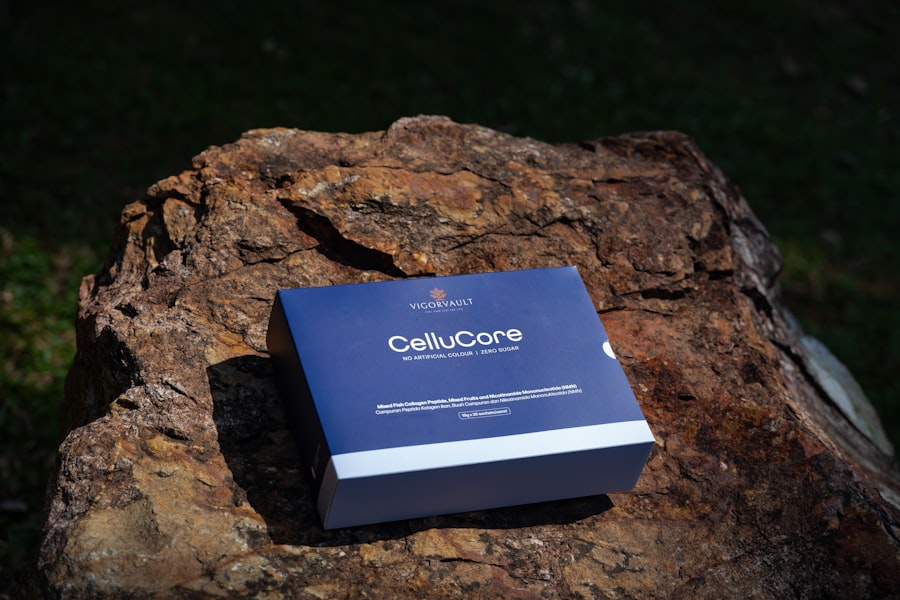
Given collagen’s fundamental role in oral tissue health, exploring its potential as a supportive nutrient for seniors makes sense. The focus is on how to effectively supplement to support what your body is naturally producing less of.
Dietary Sources of Collagen
You can obtain collagen directly from certain foods, which can be a pleasant and natural way to increase your intake.
Bone Broth: A Traditional Choice
Bone broth, made by simmering animal bones and connective tissues for extended periods, is a rich source of collagen, gelatin (which is derived from collagen), and amino acids.
The Process of Extraction
The slow simmering process breaks down the collagen in the bones and connective tissues into smaller, more digestible molecules. Drinking bone broth regularly can contribute to your overall collagen pool.
Incorporating into Your Diet
Bone broth can be enjoyed on its own as a warm beverage, used as a base for soups and stews, or incorporated into other cooked dishes. Its savory flavor makes it versatile.
Fish Skin and Other Connective T Tissues
Certain animal parts, often discarded in Western diets, are rich in collagen. Fish skin, for instance, is a well-known source.
Utilizing Underrated Parts
Beyond fish skin, other less commonly consumed but collagen-rich parts like chicken feet or certain organ meats can be prepared to extract nutrients.
Culinary Considerations
Preparation methods will vary depending on the specific ingredient. Roasting, boiling, or creating broths are common techniques to make these palatable and extract the beneficial collagen.
Collagen Supplements: Availability and Types
For those seeking a more concentrated and convenient approach, collagen supplements are widely available. Understanding the different types can help you make an informed choice.
Hydrolyzed Collagen (Collagen Peptides)
This is the most common form of collagen supplement. Through a process called hydrolysis, larger collagen molecules are broken down into smaller peptides.
Enhanced Absorption and Bioavailability
This breakdown makes hydrolyzed collagen easier for your body to absorb and utilize, meaning more of the nutrient can reach the tissues that need it.
Versatility in Consumption
Collagen peptides are often tasteless and odorless, making them easy to mix into a variety of beverages and foods, from morning coffee to smoothies and yogurt.
Gelatin: A Cooked Form of Collagen
Gelatin is essentially cooked collagen. When collagen-rich animal parts are boiled, they release gelatin.
Culinary Applications of Gelatin
Gelatin is responsible for the jelly-like texture in foods like Jell-O and can be used as a thickener in various recipes.
Nutritional Profile of Gelatin
While it contains collagen, its structure is different from hydrolyzed collagen, and its absorption and utilization by the body may vary.
Potential Mechanisms of Action in Oral Tissues
The exact ways in which ingested collagen benefits your oral health are still being researched, but several plausible mechanisms are being explored.
Providing Building Blocks for Tissue Repair
When you consume collagen, your body breaks it down into amino acids, some of which are essential for collagen synthesis. These amino acids can then be utilized by your oral tissues for repair and maintenance.
Modulating Inflammatory Responses
Some research suggests that collagen peptides may have anti-inflammatory properties. Chronic inflammation is a significant contributor to periodontal disease, so any compound that helps mitigate inflammation could be beneficial.
Supporting Connective Tissue Health
By supplying the necessary components, collagen supplementation may help strengthen the connective tissues that make up your gums, periodontal ligaments, and the supporting structures of your oral cavity, contributing to their overall resilience.
Practical Strategies for Incorporating Collagen

Integrating collagen into your senior dental health routine doesn’t have to be complicated. Simple, consistent efforts can yield observable benefits.
Dietary Integration
Making conscious choices about which foods you consume can naturally boost your collagen intake.
Regular Consumption of Bone Broth
Aim to include bone broth in your weekly diet. Whether it’s a daily cup or a few times a week, consistency is key to providing your body with a steady supply of collagen precursors.
Making Your Own or Choosing Quality Store-Bought Options
You can make bone broth at home using animal bones from your local butcher or opt for high-quality, commercially prepared bone broths that avoid excessive additives.
Flavoring and Enhancements
Enhance the flavor of your bone broth with herbs, spices, garlic, or ginger to make it more palatable and enjoyable.
Exploring Collagen-Rich Foods
Don’t shy away from incorporating other collagen-rich foods into your meals.
Incorporating Fish into Your Diet
When preparing fish, consider utilizing the skin where possible. Dishes like baked or pan-fried fish with crispy skin can be a delicious way to increase your intake.
Creative Uses for Animal Parts
Investigate recipes that utilize less common but collagen-rich animal parts. This might involve experimenting with new cooking styles or seeking out ethnic cuisines that traditionally use these ingredients.
Supplementation Regimens
For a more targeted approach, collagen supplements offer a convenient and concentrated source.
Choosing the Right Type of Supplement
Consider that hydrolyzed collagen (peptides) is generally more bioavailable. If you have specific dietary preferences or restrictions (e.g., vegetarian), research plant-based collagen boosters, which work by stimulating your body’s own collagen production.
Understanding Product Labels and Sourcing
Look for reputable brands that clearly outline their sourcing and manufacturing processes. Ensure the product is free from unnecessary fillers or artificial ingredients.
Consulting with a Healthcare Professional
Before starting any new supplement regimen, it is advisable to discuss it with your doctor or a registered dietitian. They can help you determine the appropriate dosage and ensure it aligns with your overall health needs and any existing medical conditions or medications.
Consistency is Key
Just like with dietary sources, consistent use of collagen supplements is crucial for seeing potential benefits.
Establishing a Daily Routine
Integrate your collagen supplement into an existing daily routine, such as with your morning coffee, breakfast, or before bed. This makes it less likely to be forgotten.
Tracking and Observing Changes
While not immediate, observe for subtle changes over time. This might include a feeling of increased comfort in your gums, less sensitivity, or a general improvement in the appearance of your smile.
Complementary Oral Care Practices
Collagen can be a valuable addition, but it should complement, not replace, essential oral hygiene practices.
Maintaining Rigorous Brushing and Flossing Habits
Continue to brush your teeth at least twice a day with fluoride toothpaste and floss daily to remove plaque and food debris. This mechanical cleaning is fundamental to preventing decay and gum disease.
Targeting Gumlines
Pay particular attention to cleaning along the gumline, where plaque can accumulate and contribute to inflammation.
Gentle Techniques for Sensitive Gums
If you experience gum sensitivity, use a soft-bristled toothbrush and employ gentle, circular motions.
Regular Dental Check-ups and Cleanings
These appointments are non-negotiable for maintaining optimal oral health. Your dentist can identify issues early and provide professional cleaning.
Early Detection of Problems
Dentists are trained to spot the early signs of gum disease, cavities, and other oral health concerns that you might not notice yourself.
Professional Cleaning for Hard-to-Reach Areas
Dental hygienists can remove tartar (calcified plaque) that you cannot remove with brushing and flossing alone, especially in areas that may be affected by early gum recession.
Collagen plays a crucial role in maintaining dental and gum health, especially for seniors who may experience a decline in oral tissue integrity. A related article discusses how collagen supplementation can support gum regeneration and improve overall oral health in older adults. For more insights on this topic, you can read the article on senior health at Explore Senior Health. By incorporating collagen into their diets, seniors may find a natural way to enhance their dental care routine and promote healthier gums.
The Long-Term Outlook: Sustaining Oral Vitality
| Senior Dental and Gum Health Benefits of Collagen | Metrics |
|---|---|
| Improved gum health | Increased collagen levels in the gums |
| Stronger teeth | Enhanced collagen production in the jawbone |
| Reduced risk of periodontal disease | Support for connective tissue in the gums |
| Enhanced wound healing | Accelerated tissue repair in the oral cavity |
Focusing on collagen as a supportive element of your diet and lifestyle is a proactive step towards maintaining your oral well-being throughout your senior years. It’s about understanding that aging brings changes, and by making informed choices, you can actively influence the health of your smile.
A Holistic Approach to Senior Dental Health
Collagen supplementation should be viewed as one component of a comprehensive approach to oral health. It’s not a magic bullet but a synergistic addition to good habits.
Integrating Nutrition, Hygiene, and Professional Care
Your oral health is a complex interplay between what you consume, how you care for your teeth and gums daily, and the expertise of dental professionals.
Understanding the Synergistic Effects
The benefits derived from collagen can be amplified when combined with meticulous oral hygiene and regular dental visits. For example, stronger gum tissue may be more resilient to the effects of plaque when properly cleaned.
The Role of a Balanced Diet
Beyond collagen, a diet rich in vitamins and minerals is essential for overall oral health. Vitamin C, for instance, is crucial for collagen synthesis and wound healing.
Empowering Yourself Through Knowledge
By learning about the role of collagen and its impact on your oral tissues, you are empowered to make informed decisions about your health. This knowledge allows you to take proactive steps rather than passively accepting age-related decline.
Educating Yourself on Nutritional Needs
Understanding how different nutrients contribute to your body’s functions, including collagen production and oral tissue health, is a powerful tool.
Seeking Reliable Information Sources
Consult reputable health organizations, registered dietitians, and dental professionals for accurate and evidence-based information.
Asking Questions and Engaging with Your Dentist
Don’t hesitate to ask your dentist about the health of your gums, bone density, and how your lifestyle choices might be impacting them.
A Foundation for Confidence and Well-being
A healthy mouth contributes significantly to your overall confidence and quality of life. Being able to eat, speak, and smile without discomfort or concern allows you to fully engage with the world around you.
The Link Between Oral Health and General Well-being
Your oral health is intrinsically linked to your general health. Issues in the mouth can sometimes indicate or exacerbate systemic conditions.
Sustaining Essential Functions
Strong teeth and healthy gums are vital for nutrition, allowing you to enjoy a diverse range of foods. They also play a critical role in speech and social interaction.
The Aesthetic Component
A healthy smile can boost self-esteem and contribute to a positive self-image, which is important at any age. By supporting your oral tissues with adequate collagen and maintaining excellent oral hygiene, you are investing in your long-term vitality and comfort.
FAQs
What is collagen and how does it relate to senior dental and gum health?
Collagen is a protein that is found in the body, including in the gums and other oral tissues. As we age, the body’s natural collagen production decreases, which can lead to issues with dental and gum health. Supplementing with collagen can help support the health and integrity of the gums and other oral tissues.
How does collagen benefit senior dental and gum health?
Collagen plays a crucial role in maintaining the strength and structure of the gums and other oral tissues. By supplementing with collagen, seniors can support the health and integrity of their gums, potentially reducing the risk of gum disease, tooth loss, and other oral health issues.
What are some sources of collagen for senior dental and gum health?
Collagen can be found in various forms, including collagen supplements, bone broth, and certain foods such as chicken skin and fish. Collagen supplements are a convenient way for seniors to ensure they are getting enough of this important protein to support their dental and gum health.
Are there any potential side effects of taking collagen for senior dental and gum health?
Collagen supplements are generally considered safe for most people, including seniors. However, some individuals may experience mild digestive discomfort or allergic reactions. It’s always best to consult with a healthcare professional before starting any new supplement regimen.
What are some other ways seniors can support their dental and gum health besides collagen supplementation?
In addition to collagen supplementation, seniors can support their dental and gum health by practicing good oral hygiene, including regular brushing and flossing, visiting the dentist for regular check-ups, and eating a balanced diet rich in vitamins and minerals that support oral health.