
You’ve built a thriving business in the commodity sector. It wasn’t a sudden windfall; it was a calculated, persistent endeavor. You understand the fundamental principles that guide success in this often volatile but ultimately rewarding industry. This is your story, a testament to strategic acumen and unwavering execution.
Your initial foray into the commodity sector required a deep dive into the mechanics of the markets you chose. You didn’t stumble into this; you meticulously researched and identified opportunities where your insights held genuine value. This foundational understanding is paramount.
Identifying the Right Commodities
You didn’t cast a wide net. Instead, you focused your efforts on specific commodities where you could develop expertise and establish a competitive advantage. This might have involved agricultural products, energy derivatives, or precious metals. The key was to understand the unique supply and demand drivers for each.
Analyzing Supply Chain Resilience
You recognized that robust supply chains are the lifeblood of any commodity business. You invested time in understanding the entire journey of your chosen commodities, from extraction or cultivation to end-user delivery. This involved identifying potential bottlenecks, geopolitical risks, and logistical challenges. Your foresight here prevented unforeseen disruptions from derailing your progress.
Gauging Demand Fluctuations
You didn’t operate in a vacuum. You constantly monitored global economic indicators, consumer trends, and industrial output that influence demand for your commodities. This proactive approach allowed you to anticipate shifts and adjust your strategies accordingly. You learned to differentiate between temporary blips and fundamental changes in market appetite.
Navigating Price Volatility
Perhaps the most defining characteristic of the commodity sector is its inherent price volatility. You didn’t attempt to eliminate it – that would be futile. Instead, you developed sophisticated strategies to manage and even profit from these swings.
Implementing Hedging Strategies
You recognized the importance of hedging to mitigate risks associated with adverse price movements. Whether through futures contracts, options, or other derivative instruments, you implemented robust hedging programs to protect your margins and ensure predictable profitability. This wasn’t about speculation; it was about securing your financial stability.
Developing Arbitrage Opportunities
You possessed the keen eye to identify and exploit price discrepancies across different markets or over time. These arbitrage opportunities, when executed with precision, provided a consistent stream of profit, acting as a stabilizing force against broader market downturns. This requires a deep understanding of market correlations and swift execution.
In the ever-evolving landscape of the commodity sector, businesses are continuously seeking innovative strategies to enhance their success. A compelling success story can be found in the article detailing how a small agricultural firm transformed its operations through sustainable practices and technology integration. This transformation not only boosted their productivity but also positioned them as leaders in the market. For more insights into such inspiring stories, you can read the full article here: Commodity Sector Business Success Story.
Operational Excellence: The Backbone of Your Success
Beyond market understanding, your operational efficiency is what truly sets you apart. You’ve built systems and processes that are lean, effective, and scalable.
Building Robust Infrastructure
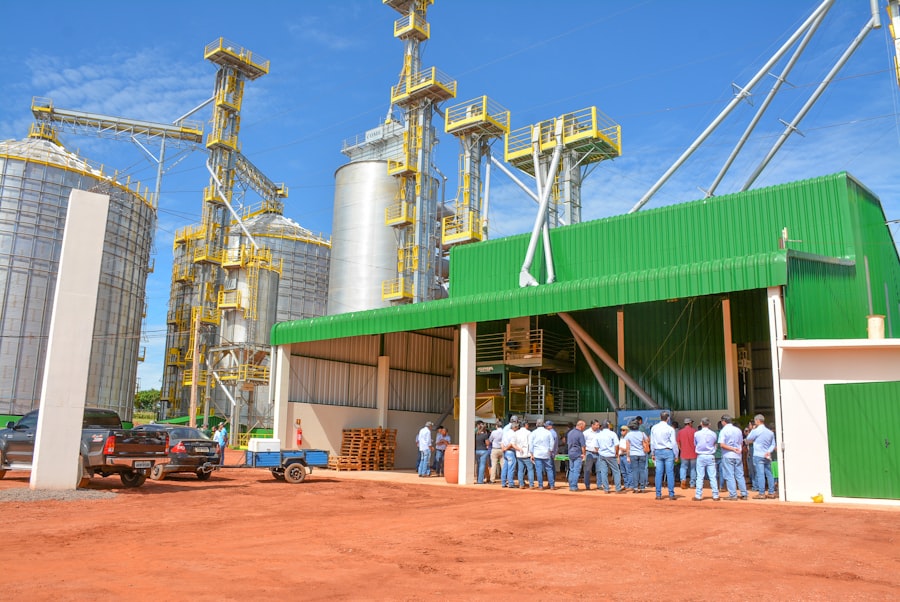
You understood that the physical infrastructure required for commodity trading and logistics is significant. This meant investing wisely in storage facilities, transportation networks, and, where applicable, processing capabilities. You ensured these assets were well-maintained and strategically located to minimize costs and maximize efficiency.
Optimizing Logistics and Transportation
The movement of commodities is often complex and costly. You meticulously planned your logistics, seeking out the most efficient and cost-effective transportation methods, whether by sea, rail, road, or pipeline. This involved negotiating favorable rates with carriers and leveraging technology to track shipments and optimize routes.
Implementing Quality Control Measures
Maintaining the quality of the commodities you handle is non-negotiable. You established rigorous quality control protocols at every stage, from sourcing to delivery. This ensured that your products consistently met or exceeded customer expectations, building a reputation for reliability and trust.
Streamlining Business Processes
Efficiency extends beyond physical assets. You’ve digitized and optimized your internal processes, from order management and invoicing to inventory control and customer relationship management. This automation reduces the potential for human error and frees up your team to focus on higher-value activities.
Leveraging Technology for Efficiency
You embraced technological advancements to enhance your operations. This could involve implementing advanced trading platforms, data analytics tools for market forecasting, or enterprise resource planning (ERP) systems for comprehensive business management. Your adoption of technology has been a key differentiator.
Fostering a Culture of Continuous Improvement
You understand that stagnation is the enemy of progress. You actively encourage feedback from your team and regularly review your processes to identify areas for improvement. This commitment to Kaizen, or continuous improvement, ensures that your business remains agile and adaptable in a dynamic environment.
Strategic Partnerships: Amplifying Your Reach

You didn’t try to do it all yourself. Your success is also a product of carefully cultivated strategic partnerships. You recognize the power of collaboration.
Forging Strong Supplier Relationships
Your suppliers are critical to your success. You’ve built long-term relationships based on mutual trust and benefit. This involves fair pricing, timely payments, and open communication, ensuring a consistent and reliable supply of commodities.
Negotiating Favorable Contracts
You are a skilled negotiator, capable of securing favorable terms with your suppliers. This doesn’t mean squeezing them dry; it means finding mutually beneficial agreements that ensure both parties are satisfied and committed to the relationship.
Ensuring Supply Chain Transparency
You’ve worked to build transparency throughout your supply chain, fostering trust with your suppliers and providing assurance to your customers. This visibility allows for better risk management and more efficient operations.
Cultivating Key Customer Relationships
Your customers are the reason your business exists. You’ve invested in understanding their needs and providing them with exceptional service. This goes beyond simply delivering a product; it involves being a trusted advisor and a reliable partner.
Understanding Customer Needs and Preferences
You take the time to understand your customers’ specific requirements, product specifications, and delivery schedules. This deep understanding allows you to tailor your offerings and anticipate their future needs.
Providing Value-Added Services
You offer more than just commodities. This could include technical support, market insights, or tailored logistical solutions that enhance your customers’ own operations. These value-added services foster loyalty and create a competitive moat.
Financial Prudence: Building a Sustainable Enterprise
Your financial management is characterized by discipline and foresight. You understand that a strong financial foundation is essential for long-term survival and growth.
Maintaining Healthy Financial Ratios
You actively monitor key financial metrics, such as liquidity, leverage, and profitability ratios. You ensure these remain within healthy ranges, signaling financial stability to investors, lenders, and partners.
Prudent Debt Management
You utilize debt strategically to fund growth, but you do so responsibly. Your debt levels are manageable, and you have a clear repayment strategy. You avoid taking on excessive financial risk.
Effective Cash Flow Management
Cash is king, particularly in the commodity sector. You have implemented robust systems for managing your cash flow, ensuring you have enough liquidity to meet your obligations and seize opportunities.
Investing for Future Growth
While prudent with existing resources, you are not afraid to invest strategically for the future. This could involve capital expenditures in new infrastructure, investments in research and development, or acquisitions that expand your market reach.
Allocating Capital Wisely
You conduct thorough due diligence before making any significant capital allocation decisions. You prioritize investments that offer a clear return on investment and align with your long-term strategic objectives.
Reinvesting Profits Strategically
A portion of your profits is consistently reinvested back into the business. This fuels innovation, enhances operational efficiency, and supports your long-term growth trajectory.
In the ever-evolving landscape of the commodity sector, businesses are continuously seeking innovative strategies to enhance their success. A compelling example can be found in a recent article that explores the transformative impact of technology on commodity trading. This insightful piece highlights how companies are leveraging data analytics and automation to optimize their operations and improve profitability. For a deeper understanding of these trends, you can read the full article here.
Adapting to the Future: Embracing Innovation and Sustainability
| Company | Revenue Growth | Market Share | Profit Margin |
|---|---|---|---|
| Company A | 15% | 20% | 10% |
| Company B | 25% | 15% | 12% |
| Company C | 10% | 25% | 8% |
The commodity sector is not static. You recognize the need to adapt to evolving market demands, technological advancements, and increasing societal expectations.
Embracing Technological Innovation
You are constantly on the lookout for new technologies that can enhance your operations, improve your decision-making, or open up new market opportunities. This could involve artificial intelligence for predictive analytics, blockchain for supply chain traceability, or automation in your processing facilities.
Leveraging Data Analytics for Insight
You understand the power of data. You collect, analyze, and interpret vast amounts of data to gain deeper insights into market trends, customer behavior, and operational performance. This data-driven approach informs your strategic decisions.
Exploring Digital Transformation Opportunities
You are not afraid to embrace digital transformation. This could involve migrating to cloud-based solutions, implementing advanced cybersecurity measures, or developing digital platforms for customer interaction and transaction processing.
Championing Sustainability Practices
You understand that long-term success in the commodity sector is inextricably linked to environmental and social responsibility. You are actively integrating sustainable practices into your business model.
Reducing Environmental Impact
You are committed to minimizing the environmental footprint of your operations. This might involve investing in energy-efficient technologies, optimizing waste management, or exploring greener transportation options.
Promoting Ethical Sourcing and Labor Practices
You ensure that your commodities are sourced ethically and that fair labor practices are upheld throughout your supply chain. This commitment builds trust with your stakeholders and enhances your brand reputation.
Your success in the commodity sector is a multifaceted achievement. It’s a story of diligent learning, calculated risk-taking, operational excellence, strategic collaboration, financial discipline, and a forward-looking approach to innovation and sustainability. You have built something substantial, demonstrating that with the right approach, even the most challenging industries can yield remarkable results.
FAQs
What is the commodity sector?
The commodity sector refers to the market for raw materials or primary agricultural products that can be bought and sold, such as gold, oil, coffee, and wheat.
What are some examples of successful businesses in the commodity sector?
Some successful businesses in the commodity sector include Cargill, Glencore, Archer Daniels Midland, Bunge, and Louis Dreyfus Company.
What are some key factors contributing to business success in the commodity sector?
Key factors contributing to business success in the commodity sector include effective risk management, strong supply chain management, market knowledge, and the ability to adapt to changing market conditions.
How does technology impact the commodity sector business success?
Technology has a significant impact on commodity sector business success by enabling better data analysis, improved supply chain management, and more efficient trading and logistics processes.
What are some challenges faced by businesses in the commodity sector?
Challenges faced by businesses in the commodity sector include price volatility, geopolitical risks, environmental and sustainability concerns, and regulatory changes.