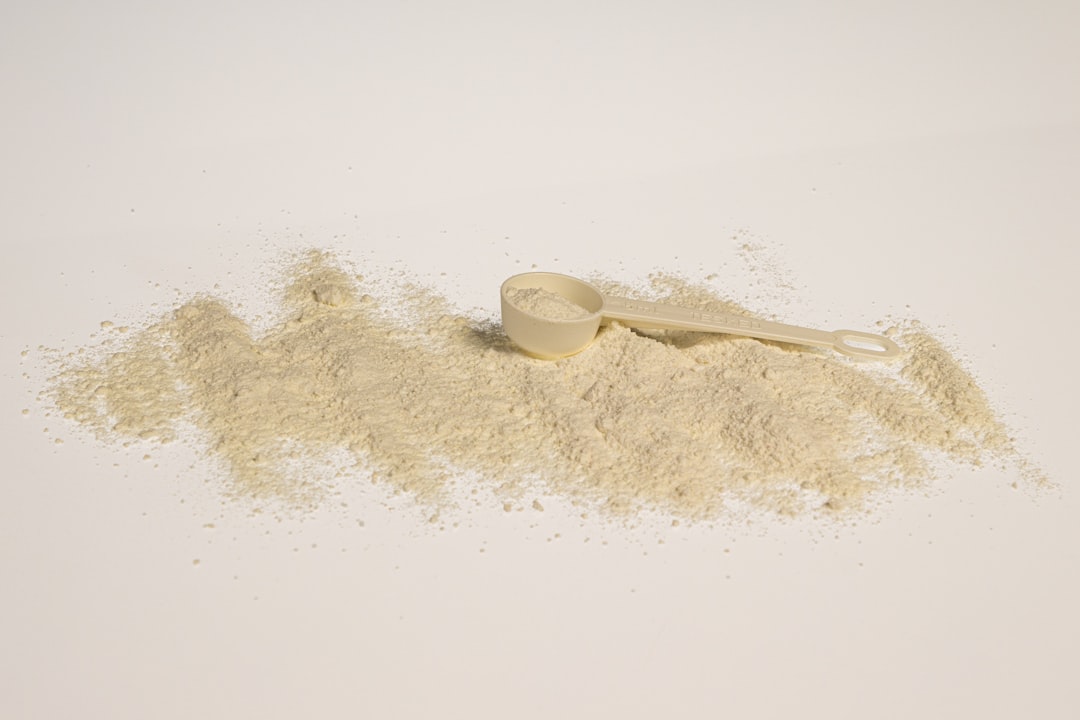
You’ve decided to incorporate collagen powder into your routine, a commendable step towards supporting your body’s natural processes. However, like many at this stage of life, you might be falling into a common pitfall: a misunderstanding of the appropriate dosage. This isn’t a one-size-fits-all situation, and simply adding a scoop from a generic recommendation can leave you wondering if it’s even working.
The Vague Scoop: Why “A Scoop” Isn’t Enough
The packaging of many collagen powders offers a broad guideline, often suggesting “one scoop.” This “scoop” itself can vary wildly in size, and more importantly, the underlying research for optimal benefits often points to specific milligram amounts, not arbitrary volumetric measurements. You’re essentially guessing at the quantity you’re consuming, and this inconsistency can be the primary reason you’re not seeing the results you’d hoped for.
Understanding the Role of Peptides
Collagen powder is typically hydrolyzed, meaning it’s broken down into smaller molecules called peptides. These peptides are what your body absorbs and utilizes. The effectiveness of these peptides is dose-dependent. Insufficient amounts mean your body simply doesn’t have enough building blocks to initiate or sustain the cellular repair and regeneration processes that collagen aims to support.
Milligrams Matter More Than Volume
When you aim for a specific milligram target, you gain control and predictability. This allows you to track your intake accurately and adjust based on your individual response and the recommendations of health professionals. Without this precision, you’re essentially running an experiment with an unknown variable, which can be frustrating and discouraging.
Factors Influencing Your Ideal Dose
Your individual needs are not static and can be influenced by several factors relevant to your age and lifestyle.
Age-Related Changes in Collagen Production
As you move past 60, your body’s natural ability to produce collagen declines. This means you might require a slightly higher intake to compensate for this reduced endogenous production. It’s not about needing an excessive amount, but rather a targeted supplementation to bridge the gap.
Lifestyle and Activity Levels
Are you highly active, engaging in regular exercise or physically demanding activities? If so, your body’s demand for collagen for muscle repair, joint lubrication, and connective tissue maintenance will likely be higher. Conversely, a more sedentary lifestyle might necessitate a different, potentially lower, dosage.
Underlying Health Conditions
Certain health conditions can impact nutrient absorption or the body’s ability to utilize collagen effectively. If you have conditions affecting digestion, mineral absorption, or inflammatory processes, it’s crucial to consult with your doctor to determine an appropriate dosage that complements your overall treatment plan.
As individuals age, the importance of maintaining skin elasticity and joint health becomes increasingly evident, leading many to consider collagen powder as a supplement. However, there are common mistakes that people over 60 often make when incorporating collagen into their diets. To learn more about these pitfalls and how to effectively use collagen supplements, you can read a related article on senior health at Explore Senior Health. This resource provides valuable insights into optimizing collagen intake for better health outcomes in later years.
Ignoring the “Why”: Choosing the Wrong Type of Collagen
Collagen isn’t a monolithic entity. It exists in various types, each with a slightly different molecular structure and hypothesized area of benefit. A common mistake is picking up the first tub you see without understanding which type aligns with your goals, leading to a less than optimal outcome.
The Myth of a Universal Collagen
Many people assume all collagen powder is created equal. This couldn’t be further from the truth. The different types of collagen are found in different tissues and play distinct roles in the body.
Type I: The Ubiquitous Builder
Type I collagen is the most abundant type in your body, found in skin, bones, tendons, and ligaments. If your primary goal is to support skin elasticity, reduce the appearance of fine lines, or strengthen your connective tissues, Type I is often a key component.
Type II: The Joint Guardian
Type II collagen is predominantly found in cartilage, the cushioning tissue in your joints. If you’re experiencing joint discomfort or seeking to support cartilage health, a collagen product rich in Type II might be more beneficial.
Type III: The Skin and Organ Supporter
Type III collagen often works alongside Type I and is important for skin, blood vessels, and internal organs. While many powders contain a blend, understanding the primary types can help you make informed choices.
The “Marine” vs. “Bovine” Debate
You’ll often see collagen derived from marine sources (fish) or bovine sources (cows). While both offer benefits, there are slight differences.
Marine Collagen: Often Richer in Type I and Smaller Peptides
Marine collagen tends to have smaller peptide sizes, which some believe leads to better absorption. It is predominantly Type I. This can be particularly appealing for those focused on skin health and its aesthetic benefits.
Bovine Collagen: Abundant in Types I and III
Bovine collagen is a good source of both Type I and Type III collagen, making it a more comprehensive option for overall connective tissue and skin support. For individuals who focus on a broader spectrum of benefits, this might be the preferred choice.
Not Reading the Label: The Unseen Ingredients
Beyond the primary collagen type, there are other ingredients that can make or break the effectiveness and suitability of your powder.
Fillers and Additives: The Unnecessary Additions
Some collagen powders contain artificial sweeteners, flavors, or preservatives. While not always harmful, they can be unnecessary and, in some cases, might trigger sensitivities. This is especially true for individuals who are already managing chronic conditions or have sensitive digestive systems.
Potential for Allergenic Components
If you have allergies or sensitivities, particularly to dairy or gluten, you must meticulously check the label for any traces of these. Cross-contamination is a real concern in manufacturing, and a seemingly innocuous collagen powder could inadvertently cause an adverse reaction.
Inconsistent Consumption: The “On Again, Off Again” Approach

You might be diligently measuring your collagen, choosing the right type, but still not seeing the desired results. The culprit here could be your inconsistency. Collagen supplementation, especially past 60, often requires sustained, regular intake to build up in your system and exert its beneficial effects.
The “Weekend Warrior” Supplementer
You might take your collagen diligently during the week but then forget about it on the weekends or during vacations. This sporadic consumption prevents your body from maintaining consistently elevated collagen levels, hindering its ability to repair and rebuild.
The Lag Time for Visible Results
Unlike a quick pain reliever, collagen works gradually. It takes time for your body to absorb the peptides, transport them to where they’re needed, and for cellular processes to respond. Expecting overnight miracles is unrealistic and can lead to disappointment and abandoning the supplement prematurely.
Building Tissue Takes Time and Consistency
Think of it like building muscle mass. You wouldn’t expect significant gains from working out only once a week. Similarly, consistently providing your body with the building blocks for collagen synthesis and repair is essential for observable improvements.
Sporadic Intake and Reduced Bioavailability
When you cycle on and off collagen, your body’s absorption and utilization can be impacted. Consistent intake ensures that your system is always primed to receive and process these peptides, maximizing their bioavailability and effectiveness.
Forgetting About Lifestyle Synergy
Collagen powder is a supplement, not a magical elixir that eradicates all problems. Your lifestyle choices play a significant role in collagen health.
The Detrimental Effects of Poor Diet
A diet lacking in essential nutrients like vitamin C (crucial for collagen synthesis), zinc, and copper can undermine the benefits of your collagen powder. If your diet is also high in sugar, which can damage collagen, you’re actively working against your supplementation efforts.
Smoking and Excessive Sun Exposure: Collagen’s Enemies
These external factors can significantly degrade existing collagen and hinder new collagen production, regardless of how much powder you consume. They create an environment where your collagen struggles to thrive.
Chronic Stress and Lack of Sleep: Hormonal Imbalance and Collagen
When you’re stressed or sleep-deprived, your body releases hormones that can negatively impact collagen synthesis and increase inflammation, further diminishing the benefits of your supplement.
Unrealistic Expectations: The Expectation Gap
You’ve heard anecdotal stories, seen marketing claims, and perhaps even witnessed impressive transformations in others. This can lead to an expectation gap, where your personal experience falls short of the idealized outcomes presented.
The Power of Anecdotal Evidence vs. Scientific Reality
While personal stories can be inspiring, they are not always representative of the average outcome. Individual genetics, lifestyle, and the severity of any underlying issues play a significant role in how quickly and noticeably someone benefits from collagen.
Marketing Hype vs. Individual Response
The supplement industry, like many others, uses compelling marketing. It’s important to approach these claims with a healthy dose of skepticism and understand that your body’s response is unique.
The Focus on Aesthetic vs. Functional Benefits
Many marketing campaigns emphasize the aesthetic benefits of collagen, such as improved skin appearance. While this is a valid outcome for some, the functional benefits, such as joint support and connective tissue health, might be less visually dramatic but equally, if not more, important.
The “Magic Bullet” Fallacy
You might be searching for a single solution to complex issues related to aging. Collagen is a supportive tool, but it’s rarely a “magic bullet” that single-handedly reverses all signs of aging or eliminates chronic pain.
Age-Related Changes are Multifaceted
Aging is a complex biological process that affects multiple systems. While collagen can support certain aspects, it cannot halt or entirely negate the natural progression of aging on its own. It needs to be part of a holistic approach to well-being.
The Importance of a Holistic Approach to Aging
True wellness in your later years involves a combination of appropriate nutrition, regular physical activity, stress management, adequate sleep, and targeted supplementation. Relying solely on collagen powder without addressing other lifestyle factors will inevitably lead to unmet expectations.
As we age, many individuals over 60 turn to collagen powder to support their skin and joint health, but there are common mistakes that can diminish its effectiveness. For instance, not understanding the proper dosage or timing can lead to disappointing results. If you’re interested in learning more about how to maximize the benefits of collagen supplements, you might find this article on collagen powder mistakes particularly helpful. It offers insights that can help you make informed choices and enhance your wellness routine.
Neglecting Professional Advice: The Solo Journey
| Mistake | Impact |
|---|---|
| Not consulting a doctor | Can lead to adverse reactions or interactions with medications |
| Not following dosage instructions | May not see desired results or experience side effects |
| Choosing low-quality collagen powder | Reduced effectiveness and potential health risks |
| Not staying consistent with usage | Diminished benefits and slower progress |
You’ve made the decision to take charge of your health, but embarking on a new supplement regimen, especially after 60, without consulting a healthcare professional can lead to errors in judgment and missed opportunities for optimization.
The Rise of Self-Diagnosis and Self-Treatment
In the digital age, information is readily available, but so is misinformation. You might self-diagnose a need for collagen or a specific dosage based on online articles or social media trends, bypassing the crucial step of professional medical assessment.
The Nuances of Your Specific Health Profile
Your body is a unique ecosystem. A doctor or registered dietitian can assess your individual health status, including any underlying conditions, current medications, and dietary habits, to provide personalized recommendations.
Potential Medication Interactions
While collagen is generally considered safe, it’s not immune to potential interactions with certain medications. A healthcare provider can review your current prescriptions and flag any potential concerns.
The Hidden Value of Professional Guidance
A healthcare professional can help you navigate the complexities of supplementation and offer guidance beyond just what to take.
Setting Realistic Goals and Tracking Progress
They can help you establish realistic short-term and long-term goals for collagen supplementation and guide you on how to effectively track your progress, adjusting the plan as needed.
Identifying and Addressing Root Causes
Instead of solely focusing on supplementation, a professional can help you identify and address the underlying root causes of any issues you’re trying to ameliorate, leading to more sustainable and comprehensive solutions.
The Importance of Formulating a Comprehensive Health Strategy
Collagen powder is just one piece of a much larger puzzle. When you work with a healthcare provider, you can develop a comprehensive health strategy that integrates supplementation with other beneficial lifestyle changes precisely tailored to your needs as you age.