
You’ve seen them. The commercials, the brochures that somehow find their way into your mailbox. The gentle, often too-sweet portrayal of a place where your loved ones will be “cared for.” But you know, deep down, that’s not always the reality. The stark truth is, for many, the transition to a nursing home represents a loss of independence, a diminishment of autonomy, and a farewell to familiar surroundings. It’s a significant life change, and one you have considerable power to influence long before it becomes an inevitability.
This isn’t about denying the role of skilled nursing facilities. For those who truly require them, they provide essential care. But this is about taking proactive steps, cultivating daily habits that strengthen your body, sharpen your mind, and foster independence, thereby reducing the likelihood that a nursing home becomes your only option. It’s about building a resilience in your everyday life that keeps you thriving and self-sufficient for as long as humanly possible. This requires a conscious effort, a commitment to yourself, and an understanding that small, consistent actions have profound, cumulative effects.
Your body is the vehicle that carries you through life. Maintaining its strength and functionality is paramount to preserving your independence. This isn’t about achieving Olympic-level fitness, but about consistent, moderate engagement that supports your joints, muscles, and cardiovascular system. Think of it as investing in your future physical capacity.
The Cornerstone of Movement: Regular Exercise
You know you should exercise. The science is undeniable. But for many, the idea of “exercise” conjures images of grueling workouts and sore muscles. Let’s reframe it. Regular movement is about keeping your body limber, strong, and responsive.
Finding Your Rhythm: Consistent Activity, Not Extremes
You don’t need to run a marathon. You need to move. Walking is a fantastic starting point. Aim for brisk walks, at least 30 minutes a day, most days of the week. This benefits your heart, strengthens your legs, and improves your balance. Explore different terrains; hills add an extra challenge and build leg strength. Consider incorporating other activities you enjoy. Swimming provides a low-impact, full-body workout that’s gentle on your joints. Cycling, whether outdoors or on a stationary bike, also offers excellent cardiovascular benefits.
Strength Training for Longevity: Beyond General Fitness
Muscle mass declines with age, a process known as sarcopenia. This leads to weakness, reduced mobility, and an increased risk of falls. Strength training is not just for bodybuilders; it’s crucial for preserving your functional independence.
Resistance Bands and Light Weights: Accessible Tools
You don’t need a gym membership. Resistance bands are incredibly versatile and can be used at home. They offer a progressive way to build strength across various muscle groups. Similarly, light dumbbells or even household items like water bottles can be used for bicep curls, shoulder presses, and rows. Focus on proper form to avoid injury. Start with a weight that allows you to complete 8-12 repetitions with good technique. As you get stronger, you can gradually increase the weight or resistance.
Bodyweight Exercises: Harnessing Your Own Leverage
Your own body is a powerful tool for building strength. Squats, lunges, push-ups (modified on your knees if needed), and planks are excellent bodyweight exercises. They engage multiple muscle groups simultaneously and help improve your balance and core stability. Consistency is key here. Even a few sets of these exercises performed regularly can make a significant difference.
Flexibility and Balance: Preventing Falls and Maintaining Agility
Falls are a leading cause of injury and loss of independence, particularly for older adults. Improving your flexibility and balance directly combats this risk.
Gentle Stretches: Maintaining Range of Motion
Static stretches, held for 20-30 seconds, can significantly improve your flexibility. Focus on major muscle groups like your hamstrings, quadriceps, calves, chest, and back. You might find gentle yoga or Tai Chi classes beneficial, as they combine stretching, balance, and mindful movement. These disciplines also offer mental benefits, which we’ll explore later.
Balance Exercises: Building Stability
Simple balance exercises can be integrated into your daily routine. Standing on one leg for a short period, heel-to-toe walking (as if walking on a tightrope), and standing with your feet together are effective starting points. As you become more stable, you can progress to more challenging variations, such as closing your eyes during these exercises (with a secure surface nearby for support, of course).
To maintain independence and avoid the need for nursing homes, adopting certain daily habits can be crucial. Engaging in regular physical activity, maintaining a balanced diet, and fostering social connections are just a few strategies that can significantly enhance overall well-being. For more insights on how to promote healthy aging and avoid nursing home placement, you can read a related article at Explore Senior Health.
Fueling Your Well-being: Nutrition Matters
What you eat directly impacts your energy levels, immune system, and ability to function. Poor nutrition can exacerbate existing health issues and contribute to a decline in your overall well-being.
The Prudence of a Balanced Diet
Your plate is a significant factor in your long-term health. Prioritizing nutrient-dense foods provides your body with the building blocks it needs to stay strong and resilient.
Whole Foods as Your Foundation: Less Processing, More Power
Focus on whole, unprocessed foods. This means fresh fruits and vegetables, lean proteins, whole grains, and healthy fats. These foods are rich in vitamins, minerals, and fiber, all essential for optimal bodily function.
The Rainbow on Your Plate: Vitamins and Antioxidants
Aim to eat a variety of colorful fruits and vegetables. Different colors often signify different nutrient profiles. For example, dark leafy greens are rich in vitamin K and folate, while berries are packed with antioxidants. These nutrients help protect your cells from damage and support your immune system.
Lean Proteins for Muscle Maintenance: Building Blocks for Strength
Protein is crucial for muscle repair and maintenance. Incorporate sources like lean poultry, fish, beans, lentils, and tofu into your meals. Your body needs adequate protein to counteract the natural muscle loss that occurs with aging.
Healthy Fats for Brain and Body: Essential Nutrients
Don’t shy away from healthy fats. Avocados, nuts, seeds, and olive oil provide essential fatty acids that are vital for brain health and reducing inflammation. These fats also help your body absorb fat-soluble vitamins.
Hydration: The Unsung Hero of Health
Water is fundamental to every bodily process. Dehydration can lead to fatigue, confusion, and a host of other health problems.
Consistent Sipping: Making Water a Habit
Carry a reusable water bottle with you and sip throughout the day. Don’t wait until you feel thirsty, as thirst is often an indicator that you’re already slightly dehydrated. Herbal teas and water infused with fruits can also contribute to your daily fluid intake.
Recognizing the Signs: Understanding Your Body’s Signals
Pay attention to how you feel. Dry mouth, infrequent urination, and fatigue can be signs of dehydration. If you find yourself consistently forgetting to drink enough, set reminders on your phone or tie your drinking habits to other daily activities, like brushing your teeth.
Engaging Your Mind: The Power of Cognitive Health

Your brain is your command center. Keeping it sharp and active is as vital as maintaining your physical health in preserving your independence. A cognitively declining individual is more vulnerable and more likely to require external support.
The Mandate of Mental Stimulation: Challenging Your Brain Daily
Just as your muscles need exercise, your brain thrives on challenges. Engaging in mentally stimulating activities helps build cognitive reserve and can potentially delay or mitigate cognitive decline.
Learning New Skills: Expanding Your Horizons
The act of learning itself is a powerful brain exercise. This isn’t about formal education, but about adopting new knowledge and skills.
From Hobbies to Languages: The Joy of Acquiring New Abilities
Consider taking up a new hobby, like playing a musical instrument, learning to paint, or even coding. These activities demand focus, problem-solving, and memory recall. Learning a new language is particularly beneficial, as it engages multiple cognitive functions and enhances your ability to switch between tasks.
Engaging with Information: Reading and Critical Thinking
Make reading a daily habit. Diversify your reading material. Explore fiction, non-fiction, news articles, and even challenging academic papers. The key is to actively engage with the material, asking questions, making connections, and forming your own opinions. This hones your critical thinking skills.
Social Connection: The Antidote to Isolation
Human beings are social creatures. Isolation and loneliness have been linked to a decline in cognitive function and an increased risk of depression.
Nurturing Existing Relationships: The Value of Familiar Bonds
Stay connected with friends and family. Regular phone calls, video chats, and in-person visits are crucial. Make an effort to initiate contact, rather than always waiting for others to reach out.
Joining Groups and Communities: Expanding Your Social Circle
Actively seek out opportunities to connect with new people. Join clubs, volunteer organizations, or attend local events that align with your interests. These interactions provide mental stimulation, reduce stress, and foster a sense of belonging.
Problem-Solving and Puzzles: Sharpening Your Analytical Skills
Puzzles and brain games are not just for amusement; they’re effective tools for keeping your mind agile.
Crosswords, Sudoku, and Logic Games: Everyday Challenges
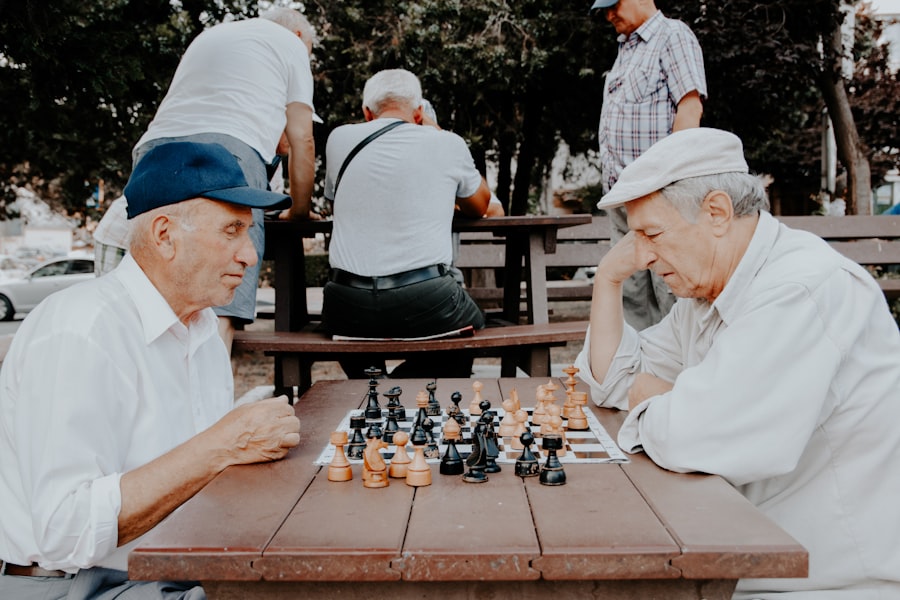
Regularly engage with crosswords, Sudoku, logic puzzles, or even complex board games. These activities require pattern recognition, memory recall, and strategic thinking. The satisfaction of solving a challenging puzzle provides a sense of accomplishment and keeps your brain engaged.
Cultivating Resilience: Emotional and Mental Well-being
Your emotional state profoundly impacts your ability to cope with life’s challenges and maintain your independence. Stress, anxiety, and low mood can all chip away at your resilience.
The Importance of Emotional Regulation and Stress Management
Learning to manage your emotions and reduce stress is not a luxury; it’s a necessity for long-term well-being. Chronic stress can have detrimental effects on both your physical and mental health.
Mindfulness and Meditation: Finding Inner Peace
Mindfulness involves paying attention to the present moment without judgment. Meditation is a practice that cultivates this awareness.
Simple Breathing Exercises: Anchoring Yourself in the Present
You don’t need hours to meditate. Even a few minutes of focused breathing each day can make a difference. Sit in a comfortable position, close your eyes, and focus on the sensation of your breath moving in and out of your body. When your mind wanders (which it will), gently guide your attention back to your breath.
Developing a Mindful Daily Practice: Integrating Awareness into Your Routine
Try to bring mindfulness into your daily activities. When you’re eating, savor the tastes and textures. When you’re walking, notice the sensations of your feet on the ground and the sights around you. This practice can help reduce rumination and increase your overall sense of calm.
Stress Reduction Techniques: Tools for Coping
Identify what triggers your stress and develop healthy coping mechanisms.
Deep Breathing and Progressive Muscle Relaxation: Releasing Tension
Techniques like deep breathing and progressive muscle relaxation can help alleviate physical tension associated with stress. Progressive muscle relaxation involves tensing and then releasing different muscle groups in your body, allowing you to become more aware of and release physical tension.
Journaling: Expressing and Processing Emotions
Writing down your thoughts and feelings can be a powerful way to process emotions and gain perspective. It provides a safe space to explore difficult experiences and can help you identify patterns in your emotional responses.
Cultivating a Positive Outlook: The Power of Gratitude
While avoiding euphoric language, it’s important to acknowledge the impact of a positive mindset. Focusing on what you are grateful for can shift your perspective and increase your resilience.
Daily Gratitude Practice: Shifting Your Focus
Take a few moments each day to reflect on what you are thankful for. This could be as simple as a pleasant interaction, a beautiful sunset, or a supportive friend. Keeping a gratitude journal can help reinforce this practice.
Reframing Challenges: Finding the Silver Lining
While challenges are inevitable, your response to them matters. Instead of dwelling on the negative, try to identify lessons learned, opportunities for growth, or simply the fact that you are navigating the situation can be framed as a sign of strength.
Maintaining a healthy lifestyle can significantly reduce the likelihood of needing a nursing home in the future. Simple daily habits such as regular exercise, a balanced diet, and staying socially active can contribute to overall well-being. For more insights on how to enhance your daily routine and promote longevity, you may find this article on senior health helpful. It offers practical tips and strategies that can empower individuals to take charge of their health and avoid the need for assisted living. You can read more about it here.
Fostering Independence Through Daily Routines and Purpose
| Daily Habits | Impact on Avoiding Nursing Homes |
|---|---|
| Regular Exercise | Helps maintain physical strength and mobility |
| Healthy Diet | Supports overall health and reduces risk of chronic conditions |
| Good Hygiene | Reduces risk of infections and illnesses |
| Social Interaction | Supports mental and emotional well-being |
| Regular Health Check-ups | Allows for early detection and management of health issues |
The feeling of being in control of your own life is a fundamental aspect of independence. Establishing routines and maintaining a sense of purpose contribute significantly to this.
The Structure of Self-Sufficiency: Routines and Habits
Predictable routines provide a sense of order and control, reducing the mental load and making daily tasks feel more manageable.
Morning Rituals: Setting the Tone for the Day
Establish a consistent morning routine that energizes and prepares you for the day ahead. This could include some light stretching, a healthy breakfast, and a few minutes of quiet reflection. Avoid immediately diving into stressful news or demanding tasks.
Evening Wind-Down: Preparing for Restful Sleep
A consistent evening routine signals to your body that it’s time to relax and prepare for sleep. This might involve reading, a warm bath, or listening to calming music. Limit screen time before bed, as the blue light emitted can interfere with melatonin production.
Purposeful Engagement: Having Goals and Contributing
A sense of purpose provides motivation and a reason to stay active and engaged. This doesn’t require grand ambitions; it’s about feeling that your life has meaning and value.
Pursuing Passions and Hobbies: Rekindling or Discovering Interests
Dedicate time to activities you genuinely enjoy. These passions provide a sense of fulfillment and keep your mind and body engaged. If you’ve let hobbies slide, now is the time to rekindle them or explore new avenues.
Contributing to Others: The Value of Giving Back
Volunteering, mentoring, or simply helping a neighbor can provide a profound sense of purpose. Contributing to the well-being of others reinforces your own value and strengthens your connection to your community.
Maintaining Your Living Space: A Foundation of Pride and Functionality
Your home is your sanctuary. Keeping it organized and well-maintained contributes to your sense of control and safety.
Simple Organization and Decluttering: Creating Order
Regularly declutter and organize your living space. This makes it easier to find things, reduces tripping hazards, and creates a more peaceful environment. Enlist help if needed for more significant tasks.
Basic Home Maintenance: Preventing Small Issues from Becoming Large Ones
Address minor home maintenance issues promptly. A leaky faucet or a loose floorboard can seem insignificant, but they can escalate into larger problems if ignored. This self-reliance in your living environment is a cornerstone of independence.
By consciously cultivating these daily habits, you are not just delaying a potential future, you are actively living a more vibrant, capable, and independent present. The power resides in your hands, in the consistent choices you make each day.
FAQs
What are some daily habits that can help avoid nursing homes?
Some daily habits that can help avoid nursing homes include regular exercise, maintaining a healthy diet, staying socially active, managing chronic conditions, and staying mentally engaged.
How does regular exercise help in avoiding nursing homes?
Regular exercise can help in avoiding nursing homes by improving strength, balance, and flexibility, reducing the risk of falls and injuries, and promoting overall physical and mental well-being.
What role does a healthy diet play in avoiding nursing homes?
A healthy diet plays a crucial role in avoiding nursing homes by supporting overall health, preventing chronic conditions such as diabetes and heart disease, and promoting a strong immune system.
How does staying socially active contribute to avoiding nursing homes?
Staying socially active can contribute to avoiding nursing homes by reducing feelings of isolation and depression, providing a support network, and promoting mental stimulation and emotional well-being.
Why is it important to manage chronic conditions to avoid nursing homes?
Managing chronic conditions is important to avoid nursing homes because it can help prevent complications, reduce the risk of hospitalization, and maintain overall health and independence.