
Navigating the Transportation Security Administration (TSA) security checkpoint with medically necessary liquids can feel like a complex operation. You’re likely focused on your health and comfort during your travels, and the prospect of having your essential items questioned or confiscated adds an unnecessary layer of stress. This guide aims to demystify the process, providing you with clear, actionable steps to ensure your medically necessary liquids are recognized and handled appropriately. The TSA has specific procedures in place for these items, and by understanding them, you can move through security with greater confidence and less friction.
Before you even approach the security checkpoint, it’s crucial to understand what qualifies as medically necessary liquids under TSA regulations. This categorization isn’t about what makes you feel better; it’s about what your healthcare provider deems essential for managing a medical condition while you are traveling. The TSA’s primary concern is security, but they also recognize that certain liquids are vital for individuals with specific health needs.
What Constitutes a “Medically Necessary Liquid”?
To the TSA, “medically necessary liquids” generally include items required for the diagnosis, treatment, or prevention of illness or disease. This is a broad category, but it’s important to be specific about your needs.
Prescription Medications
This is arguably the most common category. If you have a prescription from your doctor for any liquid medication, it falls under this umbrella. This includes liquid antibiotics, pain relievers, insulin, and any other medication prescribed in liquid form. You’ll need to be prepared to identify these items clearly.
Over-the-Counter Medications
Certain over-the-counter medications, when deemed medically necessary by a doctor, can also be included. This might involve specialized syrups for respiratory conditions or electrolyte solutions for individuals with chronic dehydration issues. The key here is the documentation or declaration indicating medical necessity.
Medical Supplies and Devices
Beyond the liquids themselves, consider items that contain liquids and are essential for your medical care. This could include breast milk, formula, or even saline solution for contact lenses or wound care. The TSA acknowledges that these are often indispensable for travelers, especially those with infants or specific medical procedures.
Items for Special Dietary Needs
If you require specific liquid nutrition or supplements due to a medical condition, these can also be classified as medically necessary. This covers a range of scenarios, from individuals on feeding tubes to those with allergies requiring specialized liquid substitutes.
The “Reasonable Amount” Clause
TSA guidelines often refer to carrying a “reasonable amount” of medically necessary liquids. This is a somewhat subjective term, but it generally means an amount sufficient for your trip, with a small buffer for unforeseen delays. It does not mean an unlimited supply.
Estimating Your Needs
Think about the duration of your flight, any layovers, and potential travel disruptions. If you have a seven-hour flight, carrying a two-day supply of medication is reasonable. Carrying a month’s supply for a short trip would likely raise eyebrows.
Consulting Your Doctor
Your doctor can provide guidance on what constitutes a reasonable quantity for your specific medical needs during travel. They can also offer a letter to support your claim, though this is not always mandatory.
When traveling, it’s essential to understand how to declare medically necessary liquids to the TSA to ensure a smooth security process. For detailed guidance on this topic, you can refer to a related article that provides valuable information on the subject. This resource outlines the necessary steps and tips for declaring these liquids effectively, making your travel experience more convenient. To read more, visit this article.
Preparing Your Medically Necessary Liquids for Travel
Proactive preparation is paramount when traveling with medically necessary liquids. The more organized you are, the smoother your security screening will likely be. This involves clear labeling, proper containment, and having supporting documentation readily available.
Proper Labeling and Packaging
The TSA emphasizes clear identification of all items. For liquids, this means ensuring containers are properly labeled.
Original Containers for Prescription Medications
Whenever possible, keep prescription medications in their original, clearly labeled pharmacy containers. This provides immediate verification of the medication’s identity and your prescription.
Clearly Labeled Non-Prescription Items
For over-the-counter items or other medically necessary liquids not in original prescription packaging, ensure they are in their original retail packaging or clearly labeled with the contents and your name. This includes items like adult formula or specific electrolyte drinks.
Secure and Leak-Proof Containers
This is a crucial practical step. Ensure all your liquids are in secure, leak-proof containers. Imagine the consequences of a leaky bottle of insulin or a spilled feeding-tube formula inside your carry-on bag.
The 3-1-1 Rule Exception: What You Need to Know
The TSA’s standard 3-1-1 rule for liquids (3.4 ounces or 100 milliliters per container, all fitting in one quart-sized bag, one bag per passenger) generally does not apply to medically necessary liquids. However, you still need to present them separately.
Separating Your Liquids
Even though the size restriction is lifted, you are still required to declare these items and present them separately from your other carry-on baggage. This is a standard procedure for screening.
Placing Them in a Separate Bin
Have your medically necessary liquids readily accessible to place in a separate screening bin. This signals to the TSA officers that you have items requiring special attention.
Supporting Documentation: What to Have on Hand
While not always strictly required, having supporting documentation can significantly expedite the screening process and provide a clear explanation if questioned.
Prescription List from Your Doctor
A printed list of your current medications, including those in liquid form, signed by your doctor, can be invaluable. This acts as a clear record of your medical needs.
Letter of Medical Necessity
In some cases, a letter from your physician detailing why you require specific liquids for your health condition can be helpful. This is particularly true for less common items or larger quantities.
Pharmaceutical Labels
A copy of your prescription label from the pharmacy can serve as proof of authenticity if needed.
Declaring Medically Necessary Liquids at the TSA Checkpoint
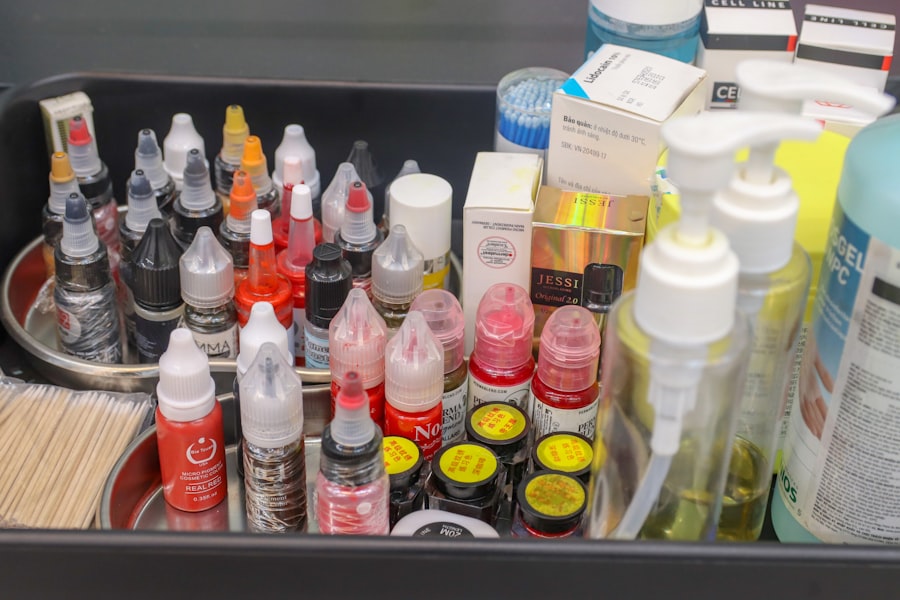
The declaration process is designed to inform TSA officers of your specialized items, allowing them to conduct the appropriate screening. It’s not about seeking special permission, but rather about following established procedures.
Informing the TSA Officer
As you approach the security checkpoint, be proactive. Inform the TSA officer that you have medically necessary liquids. A simple, direct statement is best.
“I have medically necessary liquids that need to be screened.”
This is a clear and concise phrase that immediately alerts the officer to your situation. Avoid vague language.
Be Prepared to Follow Instructions
Once you’ve declared your items, be ready to follow the instructions of the TSA officer. They may ask you to step aside for further examination.
Presenting Your Liquids for Screening
The manner in which you present your liquids is as important as the declaration itself.
Removing Liquids from Your Bag
Take all your medically necessary liquids out of their bag and present them separately from your other carry-on items.
Handing Them Directly to the Officer
Do not place them on the conveyor belt with your other belongings. Hand them directly to the TSA officer for inspection.
Understanding the Screening Process
TSA officers are trained to screen medically necessary liquids. The process may vary slightly depending on the checkpoint and the specific items you are carrying.
Visual Inspection
The TSA officer will visually inspect your liquids. They will look for proper labeling, secure containers, and confirm they align with the items you declared.
Additional Screening Methods
In some instances, additional screening methods may be employed. This could involve swabbing for trace amounts of explosives or other substances. This is a standard procedure to ensure security and is not an indication of suspicion.
Opening Containers (Potential)
There is a possibility that TSA officers may ask to open some of your liquid containers for inspection. Be prepared for this, and ensure they are easily openable if necessary. Medical professionals understand the importance of sterile conditions, and TSA officers are trained to handle these situations respectfully.
Special Considerations for Specific Medically Necessary Liquids
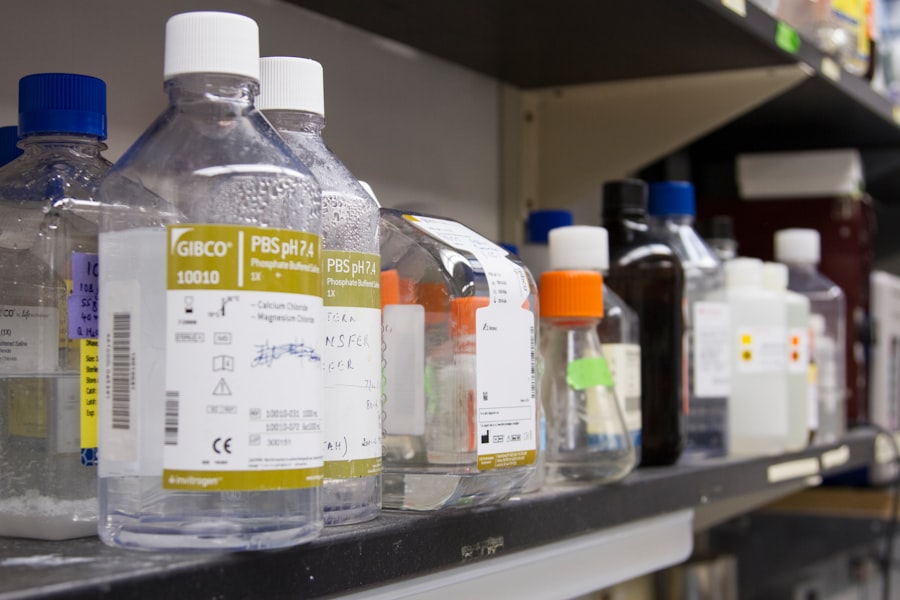
Certain types of medically necessary liquids may have a slightly different screening protocol or require additional attention during preparation.
Breast Milk and Infant Formula
These are universally recognized as essential for traveling infants. The TSA has specific guidelines for these items.
No Size Limit for Infants
Unlike other liquids, breast milk and infant formula are not subject to the 3.4-ounce or 100-milliliter rule, regardless of whether the infant is traveling with you.
Declaration is Key
Again, you must declare these items to the TSA officer. They will likely be subject to additional screening.
Keeping Them Cool
While not a TSA requirement, it is highly recommended to keep breast milk and infant formula cool, either in a cooler bag with ice packs or frozen. The TSA allows frozen liquids.
Essential Medications: Insulin, Injectables, and Syringes
Travelers who rely on injectable medications require specific attention to detail.
Accompanied by Prescription
Ensure all injectable medications, including insulin, are accompanied by a prescription or a doctor’s note.
Syringes
Syringes are permitted for medical purposes when accompanied by a liquid medication. You may be asked to present them without needles attached, or the needle guard may need to be in place.
Autoinjectors and EpiPens
These devices are generally permitted, but it’s wise to declare them and have supporting documentation.
Liquid Nutrition and Feeding Tubes
Individuals requiring liquid nutrition due to medical conditions have specific needs.
Pre-packaged or Physician-Prepared
Liquid nutrition, whether pre-packaged or prepared by a physician or medical facility, should be clearly labeled.
Documentation of Need
Carrying a letter from your doctor or a medical professional explaining the necessity of this liquid nutrition can be very helpful.
When traveling with medically necessary liquids, it’s important to understand the guidelines set by the TSA to ensure a smooth security process. For detailed information on how to properly declare these liquids, you can refer to a helpful article that outlines the necessary steps and considerations. This resource can provide you with valuable insights and tips to make your journey easier. To learn more about this topic, check out the article on senior health and travel tips.
Tips for a Smoother Security Experience
| Item | Requirement |
|---|---|
| Medically Necessary Liquids | Must be declared to TSA officers at the security checkpoint |
| Documentation | May require a doctor’s note or prescription |
| Packaging | Must be in containers of 3.4 ounces or less and placed in a clear, quart-sized plastic bag |
| Screening Process | May require additional screening or testing |
Beyond understanding the rules, a few practical tips can further enhance your experience.
Arrive Early
It’s always advisable to arrive at the airport with ample time to spare, especially when traveling with medically necessary liquids. This buffer allows for any unexpected delays or additional screening.
Be Polite and Cooperative
TSA officers are doing their job. Maintaining a calm, polite, and cooperative demeanor can significantly influence the interaction. Answer their questions directly and follow their instructions.
Know Your Airport’s Specific Rules
While TSA regulations are federal, individual airports may have slightly different procedures or express lanes for special needs. Check the airport’s website or contact them in advance if you have specific concerns.
Communicate with Your Travel Companions
If you are traveling with others, inform them about your medical needs and the process of navigating security. This ensures everyone is on the same page and can offer support if needed.
Don’t Be Afraid to Ask Questions
If you are unsure about any part of the process, or if something seems unclear, don’t hesitate to ask the TSA officer for clarification. They are there to help facilitate safe travel. Understanding the TSA’s procedures for medically necessary liquids is not about overcoming an obstacle, but about engaging with a system designed to accommodate your health needs while maintaining security. By being prepared, informed, and communicative, you can navigate the security checkpoint with greater ease and focus on what truly matters: your well-being during your journey.
FAQs
What are considered medically necessary liquids by TSA?
TSA considers medically necessary liquids to include prescription and over-the-counter medications, as well as liquid nutrition and baby formula. These items are exempt from the 3.4 ounce limit for carry-on liquids.
How should medically necessary liquids be packed for TSA screening?
Medically necessary liquids should be packed separately from other items in a clear, quart-sized plastic bag. They should be declared to TSA officers at the security checkpoint for inspection.
What documentation is required for medically necessary liquids when traveling through TSA security?
Travelers with medically necessary liquids are not required to have documentation, but it is recommended to have a doctor’s note or prescription for the items. This can help expedite the screening process.
Are there any special procedures for declaring medically necessary liquids to TSA?
When going through TSA security, travelers with medically necessary liquids should inform the officer of the items before the screening process begins. The liquids will then be subject to additional screening.
What should travelers do if they encounter issues with declaring medically necessary liquids to TSA?
If travelers encounter any issues or have questions about declaring medically necessary liquids to TSA, they should ask to speak with a TSA supervisor or request a Passenger Support Specialist for assistance.