
Detecting Medicare Oxygen Fraud
As a Medicare beneficiary, you play a crucial role in safeguarding the integrity of the program. Detecting Medicare oxygen fraud is not just a matter of protecting taxpayer money; it’s about ensuring that vital medical resources are available for those who genuinely need them. This article will equip you with the knowledge to identify potential fraud and understand the mechanisms in place to combat it. Think of yourself as a sentinel, standing guard at the gates of Medicare, helping to fend off those who seek to exploit it.
Medicare, specifically Medicare Part B, covers medically necessary durable medical equipment (DME), which includes oxygen therapy. For coverage, you must meet specific clinical criteria, often involving a physician’s prescription and documented medical necessity (e.g., a low blood oxygen level). This necessity is the bedrock upon which legitimate oxygen provision is built. Fraudsters, however, often attempt to bypass this foundation, creating a shaky edifice of deceit.
The Basics of Legitimate Oxygen Provision
When your healthcare provider deems oxygen therapy necessary, they will write a prescription. This prescription details the type of equipment required (e.g., stationary concentrator, portable tank), the flow rate, and the duration of use. A durable medical equipment (DME) supplier, accredited by Medicare, will then provide the equipment and associated supplies. They will bill Medicare directly for the services rendered, based on the physician’s order and your Medicare beneficiary details. This process, when followed correctly, is transparent and designed to serve your health needs.
Common Fraudulent Schemes in Oxygen Provision
The landscape of Medicare oxygen fraud is varied, but common threads run through most schemes. These individuals or entities operate in the shadows, seeking to profit from a system designed for care. They often exploit the complexity of the billing system or target vulnerable beneficiaries.
Billing for Unnecessary Oxygen or Equipment
One of the most prevalent forms of fraud involves billing Medicare for oxygen or DME that was not medically necessary or never even provided. This can range from prescribing oxygen for individuals with perfectly healthy lung function to billing for multiple oxygen concentrators for a single beneficiary. The fraudster is essentially building a castle on a foundation of lies.
The “Evergreen” Patient Scheme
A particularly insidious tactic is the “evergreen” patient scheme. In this scenario, beneficiaries might be signed up for oxygen therapy without their full understanding or consent, with the supplier continuing to bill Medicare month after month, even if the patient is deceased or no longer requires oxygen. This is akin to a phantom tenant continuing to pay rent long after they’ve moved out, siphoning funds from the property owner.
Unnecessary Upgrades and Add-ons
Fraudsters may also bill for unnecessary upgrades or add-ons to oxygen equipment. This could include billing for specialized masks, tubing, or portable units that the beneficiary did not request, did not need, or were never delivered. They might present these as essential for your care, when in reality, they are simply revenue-generating phantom expenses.
Phantom Billing and Kickbacks
Another significant avenue for fraud involves phantom billing and the illicit exchange of kickbacks. This is where the integrity of the medical referral process is corrupted.
Billing for Services Not Rendered
This is a straightforward form of fraud where a supplier bills Medicare for oxygen services or equipment that were never rendered or delivered. This could involve submitting claims for oxygen refills that never reached your home or for routine maintenance that was never performed. The fraudster is taking payment for work they never did, akin to a painter charging you for a wall they never touched.
Kickback Schemes Between Suppliers and Healthcare Professionals
A more complex scheme involves kickbacks. This occurs when DME suppliers offer inducements, such as payments or gifts, to physicians or other healthcare professionals in exchange for referrals of Medicare beneficiaries for oxygen therapy. This corrupts the physician’s judgment, prioritizing financial gain over patient well-being. The physician, instead of being a gatekeeper of medical necessity, becomes a conduit for fraudulent claims.
Bribes for Patient Information
In some cases, fraudsters may even bribe individuals or use illicit means to obtain Medicare beneficiary information, which is then used to create fraudulent claims. This is a direct theft of your identity and your entitlement to care.
Illegal Marketing and High-Pressure Sales Tactics
Fraudulent suppliers often employ aggressive and deceptive marketing tactics to acquire beneficiaries. These tactics can prey on fear and misinformation.
Deceptive Advertising and Telemarketing
You might be bombarded with deceptive advertisements or unsolicited telemarketing calls promising “free oxygen” or “government-provided oxygen.” These calls often fail to disclose the full terms and conditions, leading beneficiaries to unknowingly enroll in services they don’t need or that are being billed fraudulently. This is like being lured into a seemingly free carnival ride that secretly drains your wallet.
Door-to-Door Solicitations
Some fraudsters engage in door-to-door solicitations, posing as Medicare representatives or healthcare providers, to pressure beneficiaries into signing up for oxygen services. They may misrepresent the benefits or create a false sense of urgency.
In the ongoing efforts to combat Medicare fraud, particularly in the area of capped rental oxygen equipment, it is crucial to stay informed about the latest developments and strategies for detection. A related article that provides valuable insights into this issue can be found at Explore Senior Health, where experts discuss the implications of fraudulent practices and the measures being implemented to protect both patients and the integrity of the Medicare program.
Identifying Red Flags of Potential Medicare Oxygen Fraud
As a beneficiary, you are on the front lines of defense. By being vigilant and aware of certain indicators, you can help prevent yourself and others from becoming victims of oxygen fraud. Your keen observation is a powerful weapon.
Scrutinizing Your Medicare Statements and Bills
The most direct way to detect fraud is by carefully reviewing the documentation you receive. These documents are your roadmap to what Medicare is being billed for in your name.
Understanding Your Explanation of Benefits (EOB)
Medicare sends you an Explanation of Benefits (EOB) statement. This document details the services Medicare has paid for on your behalf. It’s imperative that you read this statement thoroughly. Compare the services listed on your EOB to what you have actually received. Any discrepancies, such as services you don’t recall receiving or equipment you never obtained, are significant red flags.
Missing or Inaccurate Service Descriptions
The EOB might list services or equipment that are vague, incomplete, or outright incorrect. For example, it might list “oxygen supplies” without specifying what they are, or it might claim you received a certain type of oxygen concentrator when you were provided with a different model.
Billing for Services After Discontinuation
If you have stopped receiving oxygen services or have returned equipment, but you continue to see charges for these services on your EOB, this is a strong indicator of potential fraud.
Scrutinizing Bills from DME Suppliers
Beyond the EOB, you may also receive bills directly from DME suppliers. These bills should clearly outline the services and equipment provided, along with the associated costs. Again, compare these bills to your actual experience.
Unexplained Charges or Fees
Be wary of any charges or fees that are not clearly explained or that seem excessive. If you are unsure about a particular charge, don’t hesitate to question the supplier directly.
Charges for Equipment You Returned
If you have returned oxygen equipment, ensure that all billing related to that equipment has ceased. Continued charges after return are a clear sign of potential fraud.
Observing Changes in Your Oxygen Supply or Service
Changes in your oxygen service, even seemingly minor ones, can sometimes be indicators of fraudulent activity.
Unexpected Deliveries or Service Calls
Did you receive a delivery of oxygen supplies you didn’t order or request? Did a service technician visit your home unexpectedly or perform work you didn’t ask for? These isolated incidents, or a pattern of them, can be concerning.
Alterations to Your Equipment Without Your Consent
Was your oxygen equipment modified or replaced without your knowledge or consent, and are you being billed for these changes? This can be a tactic to bill for more expensive or unnecessary equipment.
Changes in Supplier Representatives
If the individuals who deliver your oxygen or service your equipment frequently change, or if new representatives seem overly insistent on information or product changes, this could be a cause for concern.
Recognizing Suspicious Behavior from Suppliers
The behavior of DME suppliers can also provide clues to potential fraudulent practices.
High-Pressure Sales Tactics and Urgency
As mentioned earlier, intense pressure to sign up for services immediately, often with vague promises of “free” benefits, is a major warning sign. Legitimate providers will offer clear information and allow you time to make informed decisions.
Refusal to Provide Clear Information or Documentation
If a supplier is hesitant to provide you with copies of your prescription, terms of service, or detailed billing information, it’s a red flag. Transparent operations are the hallmark of honest businesses.
Demands for Personal Information Over the Phone
Be cautious if a supplier asks for your Medicare number or other sensitive personal information over the phone, especially if you did not initiate the contact. Legitimate interactions typically involve secure channels or in-person verification.
Suppliers Who Contact You Without Prior Referral
If a DME supplier contacts you directly out of the blue, without any prior referral from your doctor, be highly suspicious. This can be a tactic to circumvent proper medical channels and engage in fraudulent billing.
The Role of Medicare and Law Enforcement in Combating Oxygen Fraud

Medicare and various law enforcement agencies are actively working to detect and prosecute Medicare oxygen fraud. You are not alone in this fight; there are robust systems in place to address these issues. They are the hounds of justice, sniffing out the scent of deception.
Medicare’s Oversight and Audit Processes
Medicare has implemented various mechanisms to oversee the DME supply chain and audit claims for potential fraud, waste, and abuse.
Data Analysis and Pattern Recognition
Medicare utilizes sophisticated data analysis tools to identify unusual billing patterns, such as a high volume of oxygen claims from specific suppliers or beneficiaries in certain geographic areas. These algorithms act as the early warning system, flagging anomalies for further investigation.
Medical Review and Site Visits
Medicare may conduct medical reviews of beneficiary records to verify the medical necessity of oxygen therapy. Additionally, program integrity contractors may conduct unannounced site visits to DME suppliers to inspect equipment, review records, and interview staff. This is like the inspector general conducting an on-site audit of a business’s operations.
Beneficiary Surveys and Feedback
Medicare also collects feedback from beneficiaries through surveys and complaint monitoring. Your complaints and concerns are valuable data points that can trigger investigations.
Federal Agencies Involved in Fraud Prosecution
Several federal agencies are dedicated to investigating and prosecuting Medicare fraud. Your awareness and reporting can assist their efforts.
The Office of Inspector General (OIG)
The Department of Health and Human Services Office of Inspector General (OIG) is a primary agency responsible for detecting and preventing fraud, waste, and abuse in Medicare and other HHS programs. They conduct audits, inspections, and investigations, and can impose civil monetary penalties or refer cases for criminal prosecution.
Investigative Units and Special Agents
The OIG employs special agents who conduct investigations, gather evidence, and work with federal prosecutors to bring charges against those who commit fraud.
Program Integrity Contractors
The OIG contracts with private companies to perform various program integrity functions, including beneficiary outreach, provider audits, and data analysis.
The Department of Justice (DOJ)
The Department of Justice, through its various divisions, including the Fraud Section of the Criminal Division and U.S. Attorney’s Offices nationwide, prosecutes individuals and entities for Medicare fraud.
Criminal Prosecutions and Convictions
When evidence of criminal fraud is found, the DOJ pursues criminal charges, which can result in substantial fines, imprisonment, and asset forfeiture.
Civil Lawsuits and Settlements
In cases of civil fraud, the DOJ may file civil lawsuits, or utilize provisions like the False Claims Act, to recover improperly paid funds and impose penalties on fraudulent entities.
How You Can Report Suspected Medicare Oxygen Fraud
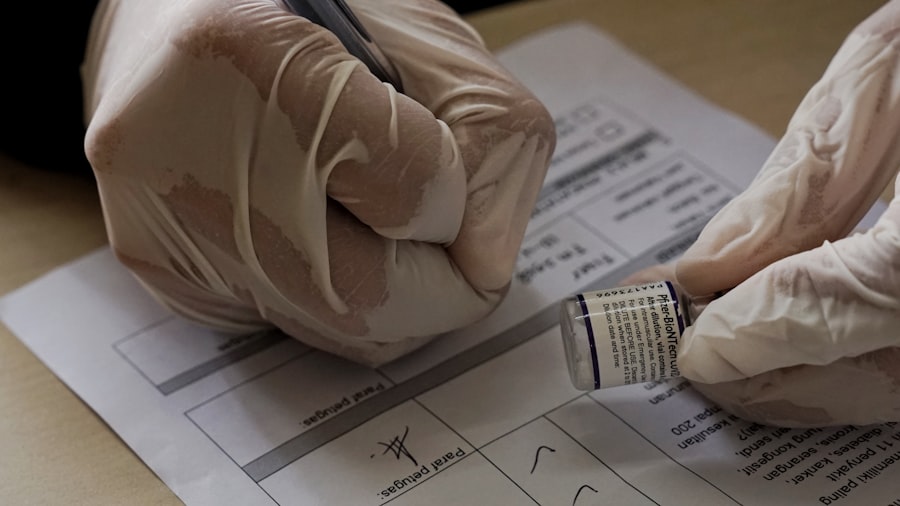
Your active participation is crucial in the fight against Medicare oxygen fraud. If you suspect fraud, reporting it is a direct action you can take to protect the program and other beneficiaries. You are the eyes and ears of the system on the ground.
Reporting to Medicare Directly
Medicare provides specific channels for beneficiaries to report suspected fraud. These channels are designed to be efficient and ensure your information is investigated.
The Medicare Beneficiary Ombudsman
The Medicare Beneficiary Ombudsman can provide assistance and guidance on how to report fraud and resolve issues related to Medicare services. They act as a guide and advocate for beneficiaries.
Contacting the Medicare Helpline
You can report suspected fraud by calling the Medicare helpline at 1-800-MEDICARE (1-800-633-4227). When you call, be prepared to provide as much detail as possible about the suspected fraudulent activity.
The Medicare Fraud Tip Line
Medicare also operates a dedicated fraud tip line. You can submit tips anonymously if you prefer. This provides an accessible avenue for reporting without the need for direct interaction.
Reporting to Federal Agencies
Beyond Medicare, there are federal agencies that are well-equipped to handle and investigate fraud complaints.
The Office of Inspector General (OIG) Hotline
The OIG has a whistleblower hotline where you can report suspected fraud, waste, and abuse. This is a direct line to the investigators who are tasked with rooting out these illicit activities.
Online Reporting Forms
The OIG often provides online forms for submitting fraud tips. This offers a convenient and documented way to share your concerns.
Mail or Fax Reporting
For those who prefer traditional methods, the OIG also accepts fraud tips via mail or fax. This ensures that reporting is accessible to everyone.
The Federal Bureau of Investigation (FBI)
The FBI also investigates healthcare fraud. If you have reason to believe that a scheme is widespread or involves criminal elements beyond simple billing errors, you can also report it to the FBI.
What Information to Provide When Reporting
To make your report as effective as possible, gather specific details. The more information you can provide, the easier it will be for investigators to act.
Name of the Suspected Supplier or Provider
If you know the name of the DME supplier or healthcare provider you suspect of fraud, be sure to include it. This is the identifying marker for the target of your concern.
Medicare Beneficiary Information (if applicable and comfortable)
While you can report anonymously, providing your Medicare number and identifying information can sometimes help investigators corroborate your claims. However, do not feel obligated if you are uncomfortable doing so.
Details of the Suspected Fraudulent Activity
Be precise about what you believe is fraudulent. This includes dates, specific equipment or services involved, and any suspicious interactions you’ve had. This is the narrative of the alleged crime.
Witness Information (if any)
If you have spoken with anyone else who has witnessed or experienced similar fraudulent activity, their information can also be valuable. These are additional witnesses to the same story of deception.
In recent discussions about Medicare capped rental oxygen fraud detection, it is essential to stay informed about the latest developments and strategies for combating this issue. A related article that provides valuable insights can be found at Explore Senior Health, which outlines various methods for identifying fraudulent activities in the rental of medical equipment. By understanding these tactics, healthcare providers and patients alike can contribute to a more transparent and efficient system.
Protecting Yourself from Medicare Oxygen Fraud
| Metric | Description | Value | Unit | Notes |
|---|---|---|---|---|
| Number of Claims Reviewed | Total Medicare capped rental oxygen claims analyzed for fraud detection | 12,500 | Claims | Data from Q1 2024 |
| Fraudulent Claims Detected | Claims identified as potentially fraudulent based on anomaly detection algorithms | 1,250 | Claims | 10% of total claims reviewed |
| False Positive Rate | Percentage of claims flagged as fraud but later cleared | 5 | % | Based on manual review |
| Average Claim Amount | Average reimbursement amount per capped rental oxygen claim | 1,200 | USD | Excludes flagged fraudulent claims |
| Recovery Amount | Amount recovered from fraudulent capped rental oxygen claims | 900,000 | USD | Includes repayments and penalties |
| Detection Accuracy | Accuracy of fraud detection model in identifying true fraudulent claims | 92 | % | Validated against known fraud cases |
| Average Time to Detect Fraud | Average duration from claim submission to fraud detection | 15 | Days | Improved from 30 days in previous year |
Prevention is always better than the cure. By taking proactive steps, you can significantly reduce your risk of becoming a victim of Medicare oxygen fraud. Think of these steps as fortifying your defenses.
Maintaining Open Communication with Your Doctor
Your primary care physician is your most important ally in navigating Medicare coverage. Maintain a clear and open dialogue about your healthcare needs.
Regular Check-ins and Updates
Ensure your doctor is aware of any oxygen therapy you are receiving and that it continues to be medically necessary. Attend all scheduled appointments and discuss any changes in your health status or equipment.
Verifying Prescriptions for New Equipment or Services
Before agreeing to any new oxygen equipment or services, always ensure you have a current, valid prescription from your doctor. Do not rely on verbal assurances from suppliers.
Being an Informed Medicare Beneficiary
Knowledge is your greatest asset. Understand your rights and responsibilities as a Medicare beneficiary.
Understanding Your Coverage Benefits
Familiarize yourself with what Medicare Part B covers regarding durable medical equipment and oxygen therapy. Knowing the true scope of your coverage helps you identify when something is out of the ordinary.
Keeping Records of All Medical Services and Equipment
Maintain a personal file of all your medical appointments, prescriptions, and equipment received. This creates a personal ledger that you can refer to when reviewing your EOBs.
Being Wary of Unsolicited Offers
Unsolicited offers of “free” or government-subsidized medical services, particularly oxygen, are often a sign of a scam. Legitimate services are based on medical necessity, not marketing pitches.
Questioning “Free” Oxygen Offers
If an offer sounds too good to be true, it almost certainly is. Understand that Medicare doesn’t typically offer “free” services without a clear medical need and a vetting process.
Understanding Medicare’s Billing Process
Be aware that Medicare does not give beneficiaries “free” equipment. If a supplier claims they are, they are likely perpetuating a fraudulent scheme.
Verifying Supplier Credentials
Before engaging with any DME supplier, verify their accreditation with Medicare. You can often find this information on the Medicare website or by asking Medicare directly.
By understanding the nuances of Medicare oxygen coverage, recognizing the red flags of fraud, and knowing how and where to report suspicious activity, you can become an active participant in protecting the integrity of Medicare. Your vigilance is a shield, and your knowledge is a sword, both essential in the ongoing battle against those who seek to exploit this vital program.
FAQs
What is Medicare capped rental oxygen fraud?
Medicare capped rental oxygen fraud involves the illegal billing practices related to oxygen equipment rentals where providers exceed the Medicare payment limits or submit false claims to receive higher reimbursements.
How does Medicare detect capped rental oxygen fraud?
Medicare uses data analytics, audits, and investigations to detect unusual billing patterns, excessive rental periods, or claims that exceed the capped rental limits for oxygen equipment.
What are the capped rental limits for oxygen equipment under Medicare?
Medicare sets a maximum monthly payment limit for oxygen equipment rentals, after which the rental is considered fully paid, and providers should not bill Medicare further for that equipment.
What are the consequences of committing capped rental oxygen fraud?
Consequences can include repayment of fraudulent claims, fines, penalties, exclusion from Medicare programs, and potential criminal charges depending on the severity of the fraud.
How can providers ensure compliance with Medicare capped rental oxygen rules?
Providers should maintain accurate documentation, adhere to Medicare billing guidelines, regularly review claims for accuracy, and stay informed about current Medicare policies related to oxygen equipment rentals.