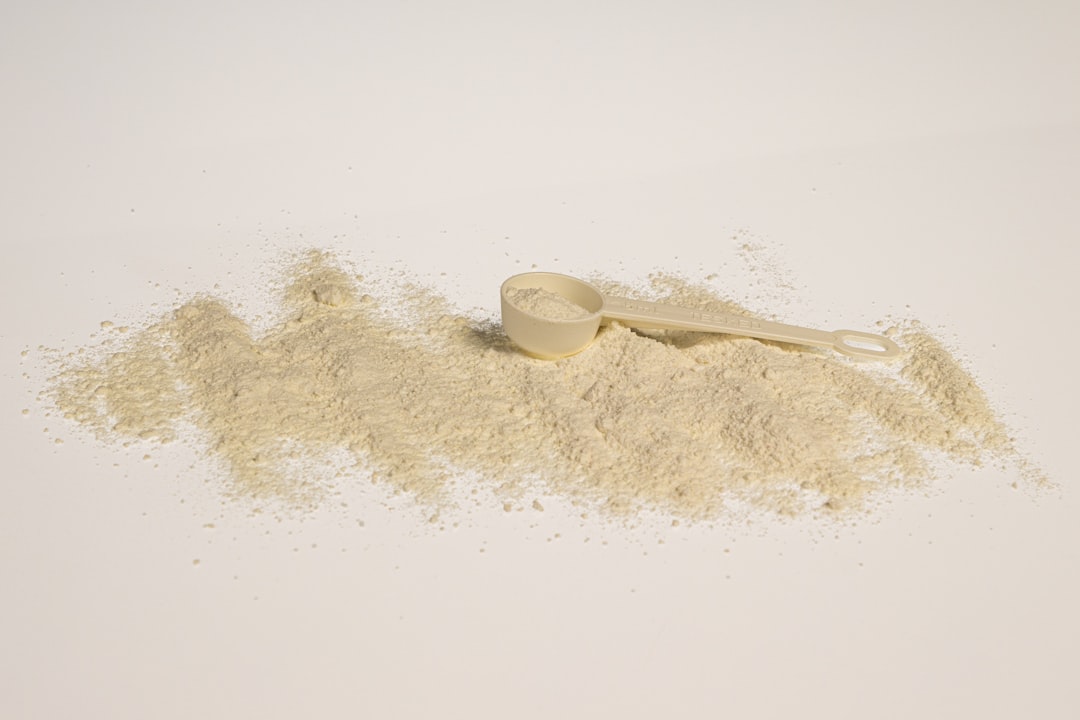
You’ve decided to incorporate collagen powder into your routine, a sensible step towards supporting your skin, hair, nails, and joints. You’ve likely purchased a product, perhaps a hydrolyzed collagen peptide powder, and now you’re faced with the common, and often frustrating, challenge: clumping. No one wants to drink a gritty, lumpy beverage. Achieving a smooth, easily dissolvable mix is not a mystical art; it’s a matter of understanding a few key principles and employing simple techniques. This guide will equip you with the knowledge to banish those stubborn clumps and achieve a seamless dissolution every time.
Before you can effectively dissolve your collagen powder, it’s helpful to understand why it sometimes refuses to cooperate. Collagen, being a protein, is naturally prone to clumping, especially when encountering liquid. This tendency is influenced by several factors inherent to its production and its molecular structure.
The Hydrolyzed Nature of Peptides
Your collagen powder is likely hydrolyzed, meaning the larger collagen molecules have been broken down into smaller peptides. This process makes it more bioavailable, allowing your body to absorb and utilize it more efficiently. However, this breakdown can create a finer powder with a larger surface area. This increased surface area means that the individual protein strands have more points of contact, making them more likely to bond together when exposed to moisture. Think of it like very fine flour; it can be prone to forming little dough balls if not handled carefully.
Moisture Sensitivity
Collagen peptides are hygroscopic, meaning they readily attract and absorb moisture from the surrounding air. This inherent property makes them susceptible to clumping even before you add them to your drink. If your collagen powder has been exposed to humid conditions during storage or even briefly during weighing, clumping can begin. This is why proper storage is paramount.
Particle Size and Density
The consistency of collagen powders can vary between brands. Some powders are very fine and light, while others might have slightly larger or denser particles. Finer, lighter powders, due to their increased surface area and lower density, can be more prone to floating on the surface of liquids, creating that initial barrier that prevents proper hydration and dissolution. Denser powders might sink and form a compact mass at the bottom.
Protein Interactions
At a molecular level, protein molecules, including collagen peptides, can interact with each other. When dry, these interactions are limited. When introduced to a liquid, the protein chains can rearrange and bind, especially if they aren’t properly dispersed. This is the fundamental reason for clumping – the protein molecules are essentially sticking to each other instead of integrating smoothly into the liquid.
If you’re looking for tips on how to dissolve collagen powder without clumping, you might find the article on Explore Senior Health particularly helpful. It provides insights into various techniques and methods to ensure a smooth mixture, making it easier to incorporate collagen into your daily routine. For more detailed information, check out the article here: Explore Senior Health.
The Art of Proper Hydration: The Foundation of Clump-Free Collagen
The key to dissolving collagen powder without clumps lies in how it interacts with liquid. You’re aiming for a process where each individual peptide is surrounded by liquid before it has a chance to bond with its neighbours. This is achieved through strategic hydration techniques.
The “Wet First” Method: A Proven Technique
This is perhaps the most universally effective method for preventing clumping. The principle is simple: ensure the powder is consistently wet before it has a chance to fully hydrate and clump.
- The Basic Application: Add a small amount of liquid to your container first. This could be a tablespoon or two of water, milk, juice, or even your coffee. Then, sprinkle your collagen powder directly into this already present liquid.
- Gentle Stirring: Immediately after adding the powder, begin to stir gently but continuously. The small amount of liquid will coat the powder particles, preventing them from sticking together and allowing them to begin breaking down and dissolving.
- Gradual Liquid Addition: Once you’ve incorporated the powder into the initial small amount of liquid and are seeing it begin to dissolve, you can then gradually add the rest of your chosen beverage. Continue stirring as you add the additional liquid. This ensures that the dissolving peptides are consistently diluted, further minimizing the chance of clumping.
- Types of Liquids for the “Wet First” Method: This method works well with most liquids. Water is a neutral choice. Milk (dairy or non-dairy) can add creaminess and is less prone to causing immediate clumping due to its composition. Even thicker liquids like yogurt or pureed fruit can be used, though you may need to adjust the ratio of powder to liquid to achieve the desired consistency.
The “Dry Sprinkle” Technique: A Calculated Approach
While the “wet first” method is generally superior, with certain liquids and careful execution, the “dry sprinkle” can also be employed. This method requires precision.
- Ensure Sufficient Agitation Readiness: This technique is best used with liquids that are already in motion or where you can create significant agitation. Think of a powerful blender or a very vigorously stirred stream of liquid.
- Even Distribution: You need to sprinkle the powder in a very fine, even stream over the entire surface of the liquid. The goal is to disperse the particles as widely as possible.
- Immediate and Vigorous Stirring/Blending: The moment the powder hits the liquid, you must immediately and vigorously stir or blend. The speed and duration of this agitation are critical. You are essentially creating a rapid dispersion that overwhelms the powder’s tendency to clump.
- Challenges: This method is less forgiving. If your stirring isn’t fast enough or if you dump the powder in one spot, clumps are almost guaranteed. It’s also less effective with highly viscous liquids where the powder might just sit on top.
Optimizing Dissolution: Beyond the Initial Mix

Once you’ve managed to get the initial powder into the liquid without major clumps, there are additional steps and considerations that can ensure complete dissolution and a pleasant drinking experience.
Temperature of Your Liquid: A Crucial Factor
The temperature of the liquid you’re using has a significant impact on how quickly and effectively your collagen powder dissolves. This isn’t just about personal preference; it’s about the science of solubility.
- Warm Liquids: The Ideal Scenario: Warmer liquids generally solubilize substances more readily than cold liquids. This is because increased molecular motion in warmer liquids helps to break apart the bonds between collagen particles and facilitates their dispersion into the liquid. Aim for a temperature that is comfortably warm, not boiling. Think of the temperature you’d use to dissolve sugar in tea or coffee.
- Lukewarm to Warm: A temperature range of around 40-60 degrees Celsius (104-140 degrees Fahrenheit) is often considered ideal. This is warm enough to aid dissolution without being so hot that it could potentially degrade some of the beneficial peptides in the collagen, although most hydrolyzed collagen is quite heat-stable.
- Cold Liquids: The Challenge: Cold liquids present a greater challenge for dissolving collagen. The lower molecular energy means that the collagen particles will dissolve much more slowly, and the increased surface tension of cold water can make it harder for the powder to break down. If you prefer your drinks cold, you can still use cold liquids, but you’ll need to be more patient and employ other techniques.
- The “Cold Brew” Approach for Cold Drinks: If you want to use cold liquid, consider a “cold brew” method.
- Step 1: Dissolve in Warm Liquid First: Dissolve your collagen powder completely in a small amount of warm liquid (as per the “wet first” method). Ensure it’s fully dissolved with no grittiness.
- Step 2: Chill: Once fully dissolved, you can then mix this concentrated solution into your cold beverage. This way, the difficult dissolution step is completed before chilling, and you’re simply diluting an already dissolved product.
- Boiling Water: A Cautionary Note: While collagen is generally heat-stable, extremely high temperatures (boiling) are best avoided. Some research suggests that prolonged exposure to boiling temperatures could potentially impact the structure of certain amino acids within the collagen peptides, though the practical impact on efficacy for most users is likely minimal. Still, erring on the side of caution with warm, not boiling, liquids is a sensible approach.
Stirring Implements: Tools for Success
The tool you use to stir your collagen powder can make a difference in achieving a smooth mix. Different implements offer varying degrees of agitation and might be better suited for different situations.
- The Classic Spoon: A simple spoon is your most accessible tool. For effective dissolution with a spoon, you need to employ vigorous, circular stirring. Ensure you scrape the bottom and sides of the container where clumps tend to form.
- Whisk: Enhanced Agitation: A small whisk, particularly a balloon whisk, can be more effective at breaking up clumps than a spoon. The multiple wires create more turbulence and aeration, helping to disperse the powder more thoroughly. This is especially useful when dissolving in larger volumes or in colder liquids.
- Electric Handheld Frother/Milk Frother: These battery-powered devices offer a significant advantage. They provide rapid, consistent agitation that is excellent for breaking down even stubborn clumps. They are particularly useful for dissolving collagen into thicker liquids or when working with cold beverages. Simply submerge the whisk end into the liquid and briefly run the frother.
- Blenders: The Ultimate Dissolver: For maximum assurance of a clump-free mixture, a blender is your most powerful ally.
- Order of Addition: Add your liquid first, then your collagen powder.
- Short Blending Bursts: Blend for short bursts, around 15-30 seconds. Over-blending can sometimes introduce too much air, though this is usually a minor issue.
- Suitability for Various Drinks: Blenders are ideal for smoothies, milkshakes, or any beverage where a completely smooth, integrated texture is desired.
Timing and Sequence: Strategic Integration of Collagen

When and how you add your collagen powder to your daily intake can also play a role in how well it dissolves and how you tolerate it. Consider the sequence of events.
Pre-Mixing for Convenience and Consistency
Preparing your collagen mix in advance can be a game-changer for busy mornings or when you’re on the go. The key is to ensure it’s fully dissolved before chilling or storing.
- The Night Before: Dissolve your collagen powder in your chosen liquid (warm water, milk, etc.) the night before. Use the “wet first” method and stir or froth thoroughly. Ensure there are no visible clumps.
- Refrigeration: Once dissolved, cover the container and refrigerate it overnight. The refrigeration will not cause clumps to reform if the powder is already fully dissolved.
- Morning Integration: In the morning, you can add this pre-dissolved collagen mix to your cereal, yogurt, or simply drink it as is. It will be ready to incorporate seamlessly.
- Benefits: This method guarantees a clump-free experience, saves time in the morning, and ensures consistent dosing. It’s particularly helpful if you typically consume your collagen in a cold beverage, as the dissolution is already handled.
Integrating into Existing Beverages: A Step-by-Step Approach
You likely consume your collagen powder as an addition to an existing drink – coffee, tea, a smoothie, or even just water. The order of operations matters greatly here.
- The “Add to Liquid First” Principle (Reiteration): As mentioned earlier, always add your collagen to the liquid before adding other ingredients if possible, especially if you’re not going to blend. If you’re adding it to hot coffee or tea, it’s best to let the drink cool slightly so it’s warm rather than scalding.
- Smoothie Integration: When making a smoothie, add your liquid base (milk, water, juice) to the blender first, then add your collagen powder, followed by your other ingredients (fruits, vegetables, protein powder). This allows the powder to be immediately incorporated into the liquid base before the other, more solid ingredients are added, leading to a smoother blend.
- Coffee and Tea Considerations:
- Warm Coffee/Tea: Let your coffee or tea cool to a warm (not boiling) temperature. Then, use the “wet first” method (a splash of the coffee/tea into your scoop of collagen, stir, then add back to the mug) or a frother.
- Iced Coffee/Tea: If you want to add collagen to an iced beverage, dissolve it in a small amount of warm water or milk separately first, ensure it’s fully dissolved, and then add it to your iced drink. Simply sprinkling it into a cold iced beverage is a recipe for clumps.
- Avoid Dumping into Full Drinks: Resist the urge to sprinkle collagen powder directly into a full cup of liquid without any prior mixing. This is the most common cause of significant clumping.
If you’re looking for effective methods to dissolve collagen powder without clumping, you might find it helpful to explore some related tips on maintaining overall health and wellness. For instance, an article on senior health offers insights into nutritional supplements that can enhance your diet and improve your well-being. Understanding the best practices for incorporating collagen into your routine can significantly benefit your health, especially as you age.
Troubleshooting Persistent Clumps: When Things Go Wrong
| Method | Effectiveness |
|---|---|
| Stirring | May cause clumping |
| Whisking | Effective in preventing clumping |
| Blending | Very effective in dissolving without clumping |
| Using warm liquid | Helps in dissolving collagen powder without clumping |
Despite your best efforts, you might occasionally encounter stubborn clumps. Don’t despair – there are still ways to salvage your collagen mix.
The “Rescue” Stir and Wait Method
If you notice small clumps forming after you’ve mixed, don’t panic. You can often resolve this with a bit of patience and continued agitation.
- Initial Stir: Give the mixture a thorough stir with your chosen implement. Make sure to scrape the sides and bottom of the container.
- The Waiting Game: Let the mixture sit undisturbed for a few minutes (5-10 minutes). During this time, the liquid can continue to penetrate the clumps, and some peptides may begin to dissolve on their own.
- Second Stir: After the waiting period, stir the mixture again vigorously. You’ll likely find that many of the smaller clumps have broken down and dissolved.
- Repeat if Necessary: For particularly stubborn but small clumps, you can repeat the stir-wait-stir cycle a couple of times.
The “Filter and Re-Mix” Solution
For very persistent or large clumps that won’t break down with stirring alone, a simple filtering method can be effective.
- Use a Fine-Mesh Sieve: Place a fine-mesh sieve over a clean bowl or cup.
- Pour the Mixture Through: Slowly pour your collagen mixture through the sieve. The sieve will catch larger clumps, allowing the liquid to pass through.
- Break Down Larger Clumps: Use the back of a spoon to gently press any trapped clumps against the sieve. This will help to break them apart and force them through.
- Re-Mix the Liquid: Take the filtered liquid and pour it back into your original container. You can then add a little more liquid, if desired, and give it a final stir or froth to ensure complete integration. This is especially useful if you’ve added your collagen to a thicker beverage like a smoothie base and want to remove any remaining grit.
Embrace the Blend (If All Else Fails)
If you’re finding that no amount of stirring is yielding a smooth result, and you don’t want to waste the product, a blender is your final solution.
- Transfer to Blender: Pour your clumpy collagen mixture into a blender.
- Add a Little Liquid: If the mixture is very thick, add a small amount of additional liquid to help the blades move freely.
- Short Blend: Blend for a short period (15-30 seconds) until the mixture is completely smooth.
- Enjoy: You’ll have a perfectly smooth drink, and the collagen will be well-integrated. This is a practical solution when you’re short on time or dealing with a particularly challenging batch of powder.
By understanding the properties of collagen powder and employing these straightforward techniques, you can consistently achieve a smooth, clump-free dissolution, making your collagen supplementation a pleasant and effortless part of your day. The investment in a little bit of knowledge and a few simple tools will pay dividends in your daily enjoyment and the effective integration of this beneficial supplement.
FAQs
What is collagen powder and why is it used?
Collagen powder is a supplement made from animal connective tissues and is used to promote skin, hair, and joint health. It is also used to support bone health and muscle mass.
Why does collagen powder clump when dissolved?
Collagen powder can clump when dissolved due to its hydrophilic nature, which causes it to attract and hold onto water molecules. This can lead to clumping when mixed with liquids.
How can I dissolve collagen powder without clumping?
To dissolve collagen powder without clumping, it is recommended to mix it with a small amount of room temperature water first, and then gradually add more liquid while stirring continuously. Using a blender or shaker bottle can also help to achieve a smooth consistency.
Can I dissolve collagen powder in hot liquids?
Yes, collagen powder can be dissolved in hot liquids such as coffee, tea, or soups. However, it is important to avoid using boiling hot liquids as this can denature the collagen and affect its effectiveness.
Are there any other tips for preventing clumping when dissolving collagen powder?
Other tips for preventing clumping when dissolving collagen powder include using a fine mesh strainer to sift the powder into the liquid, and allowing the mixture to sit for a few minutes before consuming to ensure complete dissolution.