
Let’s face it, the open road represents more than just asphalt and mileage; for you, it’s a symbol of independence, a crucial thread woven into the fabric of your everyday life. As you navigate through your senior years, maintaining this freedom to go where you please, when you please, is paramount. This isn’t about clinging to the past; it’s about strategically empowering yourself to continue driving safely and confidently. This guide is designed to equip you with practical strategies to ensure your continued mobility and the preservation of your autonomy.
The physical and cognitive changes that can accompany aging are a natural part of life, and they can, inevitably, have an impact on your driving abilities. Recognizing these potential shifts is the first step toward proactive adaptation. It’s not about dwelling on limitations, but about understanding them so you can implement effective coping mechanisms.
Sensory and Perceptual Changes
As we age, our senses, which are critical for driving, can undergo subtle but significant alterations. Your eyesight, for instance, might become less sharp, particularly in low light conditions or when dealing with glare. This can affect your ability to perceive traffic lights, road signs, and pedestrians, especially at dusk or in inclement weather. Depth perception can also be compromised, making it harder to judge distances accurately, which is vital for tasks like parking or merging into traffic. Your hearing might also diminish, potentially making it more difficult to hear emergency vehicle sirens or the sounds of other vehicles.
Adapting to Vision Changes
- Regular Eye Exams: This is non-negotiable. Schedule comprehensive eye exams at least annually. Discuss any vision concerns with your ophthalmologist or optometrist. They can recommend corrective lenses specifically suited for driving, such as those with anti-glare coatings or tints that improve contrast.
- Addressing Glare Sensitivity: Driving at night or during periods of bright sun can be challenging due to glare. Consider polarized sunglasses or clip-on shades designed to reduce glare. Ensure your vehicle’s windshield is clean and free of streaks. Tinting your side windows, within legal limits, can also help reduce direct sunlight.
- Managing Low Light Conditions: If driving after dark becomes increasingly difficult, consider limiting your night driving. If it’s unavoidable, ensure your headlights are clean and properly adjusted. Familiarize yourself with routes you take at night so you are less reliant on visual cues in the dark.
Adapting to Auditory Changes
- Maximizing In-Car Sounds: Keep your car radio at a moderate volume to allow you to hear external sounds. Be particularly attentive to sounds that indicate potential hazards, such as the hiss of a tire or the rumble of an engine.
- Awareness of Emergency Vehicles: Pay close attention to your surroundings, especially at intersections. If you have a significant hearing impairment, consider informing friends or family about your driving limitations so they can alert you to potential issues.
Cognitive and Reaction Time Considerations
Beyond sensory changes, our cognitive processing and reaction times can also shift. This might mean it takes a bit longer to process information, make decisions, or physically react to a developing situation on the road. This doesn’t imply a sudden loss of capability, but rather a need for adjustments in how you approach driving.
Slowing Reaction Times
- Increased Following Distance: This is one of the most effective strategies. Maintaining a greater distance between your vehicle and the one in front gives you more time to react to sudden stops. A good rule of thumb is the “three-second rule” – pick a stationary object, and count how long it takes you to pass it after the vehicle in front of you. Aim for at least three seconds.
- Anticipatory Driving: This involves looking further down the road and anticipating what other drivers might do. Scan for potential hazards, like pedestrians near the curb or cars signaling a lane change. By thinking ahead, you can pre-emptively adjust your speed or position.
- Minimizing Distractions: This is crucial for everyone, but especially as reaction times may lengthen. Put away your phone. Turn down the radio. Avoid engaging in conversations thatrequire significant mental focus. Every second your attention is divided is a second lost in potential reaction time.
Decision-Making and Processing Speed
- Challenging Routes: Familiar routes are often easier to navigate because they require less cognitive load. If you must take a new route, study it beforehand using maps or GPS. Plan your turns and lane changes ahead of time.
- Avoiding Complex Situations: If you find yourself feeling overwhelmed by heavy traffic, complex intersections, or challenging weather, it’s okay to pull over and reassess. Consider adjusting your travel times to avoid peak hours or rescheduling your trip if conditions are unfavorable.
- Enhancing Cognitive Function: Engaging in mentally stimulating activities outside of driving can benefit your cognitive health. Puzzles, reading, learning new skills, and social interaction can all contribute to maintaining cognitive agility.
In exploring senior driver independence strategies, it’s essential to consider various resources that provide valuable insights and practical tips. One such article that delves into this topic is available at Explore Senior Health, which discusses the importance of maintaining mobility for seniors and offers strategies to enhance their driving skills and safety on the road. This resource can be particularly beneficial for families and caregivers looking to support their loved ones in preserving their independence while ensuring their well-being.
Strategies for Enhanced Driving Safety
Given these potential changes, incorporating specific strategies into your driving routine can significantly bolster your safety and confidence. These are practical, actionable steps you can take to mitigate risks and continue enjoying your mobility.
Vehicle Maintenance and Familiarization
Your vehicle is your partner on the road. Ensuring it’s in optimal condition and that you understand its features can make a substantial difference.
Keeping Your Vehicle Road-Ready
- Regular Servicing: Adhere to your vehicle’s recommended maintenance schedule. Worn tires, faulty brakes, or dim headlights are not mere inconveniences; they are significant safety hazards. Have your brakes checked regularly, your tire pressure maintained, and your lights and windshield wipers in good working order.
- Visibility Aids: Ensure all your lights are clean and functional – headlights, taillights, brake lights, and turn signals. Regularly clean your windshield and mirrors to maximize your field of vision. Consider having your windshield replaced if it has significant chips or cracks that obstruct your view.
- Familiarity with Controls: Make sure you are completely comfortable with all your vehicle’s controls. Know where the turn signals are, how to adjust your mirrors easily, and how to operate your windshield wipers and defroster without looking. If you have a newer vehicle with advanced features, take the time to understand how they work and when to use them.
Utilizing Vehicle Technology
- GPS Navigation: Modern GPS systems can be invaluable. They provide clear turn-by-turn directions, helping you navigate unfamiliar routes without needing to constantly consult a map. Many also offer real-time traffic updates, allowing you to avoid congested areas.
- Parking Assist and Backup Cameras: These features can significantly ease the stress of parking and reversing. Backup cameras provide a clear view of what’s behind your vehicle, and parking assist systems can help guide you into parking spaces.
- Blind Spot Monitoring: Many newer vehicles are equipped with blind spot monitoring systems that alert you if a vehicle is in your blind spot, making lane changes much safer.
Route Planning and Time Management
Proactive planning of your journeys can significantly reduce stress and improve safety, allowing you to drive when you are at your best.
Pre-Trip Planning
- Familiarization with Routes: Before embarking on a new or infrequently traveled route, take some time to familiarize yourself with it. Look at a map or use a GPS to get a general sense of the turns and major roads.
- Mapping and Navigation Tools: Utilize GPS devices or smartphone navigation apps. Input your destination before you start driving. Consider pre-setting common destinations like the grocery store or your doctor’s office into your GPS.
- Traffic and Weather Conditions: Check traffic reports and weather forecasts before you leave. If traffic is unusually heavy or the weather is poor, consider adjusting your departure time or choosing an alternate route.
Optimizing Travel Times
- Avoiding Peak Hours: If possible, plan your trips to avoid commuting hours when traffic is heaviest. Driving during off-peak times can reduce stress, lower the risk of getting stuck in congestion, and provide a more relaxed driving experience.
- Allowing Ample Time: Don’t rush. Build extra time into your travel plans, especially for appointments. Arriving early can reduce anxiety and the temptation to speed or make hasty maneuvers.
- Strategic Stops: If you have a long journey, plan for regular rest stops. This allows you to stretch your legs, refresh your mind, and reduce fatigue, all of which contribute to safer driving.
Adapting Your Driving Habits
Subtle modifications to your driving style can have a profound impact on your safety. These are not about driving less, but about driving smarter.
Adjusting Speed and Following Distance
- “Older Driver” Speed Limits: While not official, consider adopting a driving speed that feels comfortable and safe for your current abilities, especially in situations where you feel less confident. This might mean driving slightly below the posted speed limit in certain conditions, but always ensure you are not obstructing traffic unnecessarily.
- The Three-Second Rule and Beyond: As mentioned earlier, maintaining a generous following distance is paramount. In adverse weather conditions, extend this to four or even five seconds. This buffer zone is your insurance against sudden stops.
- Smooth Acceleration and Braking: Avoid abrupt acceleration and hard braking. Smooth, gradual maneuvers are less demanding on your attention and reaction time, and they are also more fuel-efficient and easier on your vehicle.
Maneuver Considerations
- Lane Changes: Check your mirrors and blind spots thoroughly before changing lanes. Signal your intentions well in advance. If you feel uncertain about a gap in traffic, wait for a clearer opportunity.
- Turning: Make turns at a comfortable speed. Ensure you have a clear view of oncoming traffic and pedestrians. If a turn is particularly complex or requires a long wait, consider waiting for a gap or, if possible, taking an alternate route that offers a simpler maneuver.
- Parking: Take your time when parking. Utilize backup cameras and parking assist features if available. If you’re struggling to park in a tight spot, don’t hesitate to pull out and try again from a different angle.
Enhancing Vision and Auditory Acuity for Driving
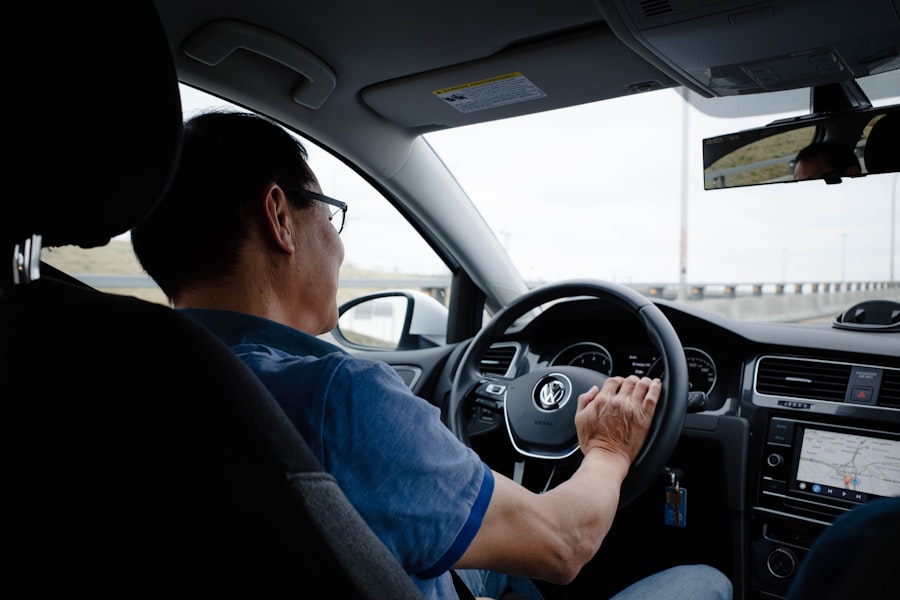
Maintaining optimal sensory input is crucial for safe driving. Proactive measures to address potential declines in vision and hearing can make a significant difference in your ability to perceive and react to your surroundings.
Specialized Driving Glasses and Aids
Eyeglasses are not just for reading. They can be tailored to enhance your visual performance on the road, especially when dealing with the specific challenges of driving.
Optimizing Your Eyewear
- Prescription Updates: Ensure your eyeglass prescription is current and specifically geared towards driving. This might involve specific lens materials or coatings.
- Anti-Reflective Coatings: These are essential. They reduce glare from headlights and other light sources, which can be a major problem for drivers, especially at night.
- Photochromic Lenses: These lenses darken in bright sunlight and become clear in low light conditions, offering a convenient solution for varying light levels throughout the day. However, be aware that they may not darken sufficiently inside a car because of UV protection in windshields.
- Contrast-Enhancing Lenses: Some lens tints can improve your ability to distinguish colors, which is vital for reading traffic lights and signs. Discuss options for contrast enhancement with your eye care professional.
Addressing Specific Vision Issues
- Night Driving Glasses: While not a cure-all, some specially tinted glasses can help reduce the halos and glare experienced when driving at night. Experiment with different options and consult with your optometrist.
- Peripheral Vision Training: If your peripheral vision has diminished, discuss potential exercises or strategies with your eye doctor. Some apps and programs focus on training peripheral awareness.
Hearing Aids and Auditory Strategies
Being able to hear crucial sounds on the road, like sirens or horns, is a critical safety factor. If you have any hearing concerns, addressing them is paramount.
Hearing Aids and Their Role
- Consultation with an Audiologist: If you suspect your hearing is declining, seek a professional evaluation from an audiologist. They can determine the extent of any hearing loss and recommend appropriate hearing aids.
- Modern Hearing Aid Capabilities: Many modern hearing aids are designed to filter out background noise and amplify specific sounds, such as speech or warning signals. Discuss the specific features that are beneficial for driving with your audiologist.
- Proper Fit and Adjustment: Ensure your hearing aids are properly fitted and adjusted for maximum effectiveness. Regular check-ups with your audiologist are important.
In-Vehicle Auditory Awareness
- Minimizing Background Noise: When driving, try to minimize unnecessary noise from your car’s stereo or air conditioning. This will help you better hear external sounds.
- Conversational Strategies: If you frequently have passengers, consider modifying how you conduct conversations to ensure you can still maintain awareness of your surroundings.
Embracing Continuous Learning and Assessment

Driving is a skill that can be maintained and even improved throughout life. Embracing ongoing learning and being open to assessments can ensure you remain a safe and confident driver.
Refresher Courses and Driver Education
Formal training isn’t just for new drivers. Refresher courses can reinforce safe driving practices and introduce you to new techniques and technologies.
Benefits of Refresher Courses
- Updated Safety Techniques: Driving laws, road signs, and best practices evolve. Refresher courses can familiarize you with the latest safety recommendations and defensive driving techniques.
- Reinforcing Good Habits: Even experienced drivers can benefit from a reminder of fundamental safe driving principles. These courses can help reinforce positive habits and identify areas where you might have unintentionally developed less safe practices.
- New Technology Awareness: Modern vehicles are equipped with advanced technology. Refresher courses can help you understand how to use these features effectively and safely.
Finding and Choosing a Course
- Local Driving Schools: Many accredited driving schools offer specialized courses for senior drivers.
- AARP Driver Safety Program: The AARP offers a highly regarded driver safety course designed specifically for older drivers, which can also lead to insurance discounts.
- Insurance Provider Discounts: Inquire with your insurance provider about potential discounts for completing a driver safety course.
Self-Assessment and Honest Evaluation
Being honest with yourself about your driving abilities is a sign of strength, not weakness. Regular self-assessment and open communication are vital.
Recognizing Personal Limits
- Self-Reflection: After each drive, take a moment to reflect on how you felt. Did you feel confident and in control, or did you experience any moments of anxiety or uncertainty?
- Identifying Trigger Situations: Are there specific driving scenarios that consistently make you feel uneasy – rush hour traffic, navigating complex roundabouts, driving in bad weather? Identifying these triggers can help you plan to avoid them or find strategies to manage them better.
- Listening to Feedback: Be open to feedback from trusted passengers, family members, or friends who ride with you. Their observations can offer valuable insights into your driving habits.
Open Communication with Healthcare Providers
- Discussing Driving with Your Doctor: Your physician can be an invaluable resource. They can assess your physical and cognitive health and advise on any potential driving limitations based on your medical conditions.
- Vision and Hearing Professionals: As previously mentioned, regular check-ups with your eye doctor and audiologist are crucial. Discuss your driving needs with them and their recommendations for maintaining optimal sensory input.
As the population of senior drivers continues to grow, finding effective strategies to maintain their independence becomes increasingly important. One insightful resource that delves into this topic is an article on senior health, which offers various tips and techniques to enhance driving safety and confidence. For more information on these strategies, you can read the article here. By implementing these recommendations, seniors can enjoy greater freedom while navigating the roads safely.
Navigating Life Beyond Driving: Planning for the Future
| Senior Driver Independence Strategies | Metrics |
|---|---|
| Regular Exercise | Number of days per week |
| Vehicle Modifications | Types of modifications made |
| Public Transportation Usage | Frequency of use |
| Community Support Services | Number of services utilized |
While the goal is to continue driving for as long as safely possible, it’s also prudent to consider future possibilities and have a plan in place. This proactive approach ensures continued independence and well-being, regardless of your driving status.
Exploring Alternative Transportation Options
Independence is about mobility, not just driving. Exploring and familiarizing yourself with alternatives can provide peace of mind and practical solutions.
Community and Public Transportation
- Local Bus Services: Research your local public transportation options. Many bus routes are designed to serve key destinations like shopping centers, medical facilities, and community hubs.
- Senior Transportation Services: Many communities offer specialized transportation services for seniors, often at subsidized rates. These services can be door-to-door and are frequently operated by trained professionals.
- Ride-Sharing Services: Apps like Uber and Lyft have become increasingly popular and can provide on-demand transportation. Familiarize yourself with how these services work and their pricing structures.
Support Networks and Family Assistance
- Involving Your Support System: Discuss your transportation needs with your family, friends, and trusted neighbors. They may be willing to offer rides, assist with errands, or help you find reliable transportation solutions.
- Car-Pooling Arrangements: Consider organizing informal car-pooling with friends or neighbors for regular appointments or activities.
Maintaining Independence and Social Engagement
The ability to get around is intrinsically linked to maintaining a fulfilling and independent lifestyle. Planning for future mobility ensures that this connection remains strong.
Technology for Enhanced Independence
- Mobility Devices: If mobility becomes a challenge, explore options like electric scooters, walkers with seats, or other assistive devices that can aid in getting around your home and local community.
- Smart Home Technology: Technologies that automate tasks like lighting, temperature control, and security can enhance your comfort and independence within your own home.
Staying Connected and Socially Active
- Community Centers and Senior Programs: Many senior centers offer a variety of activities, social events, and sometimes even transportation to and from their facilities.
- Virtual Socialization: For those who prefer to stay home, video calls, social media, and online groups can provide opportunities for connection and engagement.
By proactively implementing these strategies, you are not just preparing for the future; you are actively empowering yourself in the present. Your driving experience can continue to be a source of freedom and autonomy. This is about smart adaptation, continuous learning, and ensuring that your independence remains a vibrant and integral part of your life, on and off the road.
FAQs
What are some strategies for senior drivers to maintain independence?
Some strategies for senior drivers to maintain independence include staying physically active to maintain strength and flexibility, keeping up with regular vision and hearing tests, staying updated on driving laws and regulations, utilizing adaptive equipment or modifications for their vehicle, and considering alternative transportation options when necessary.
How can senior drivers improve their driving skills?
Senior drivers can improve their driving skills by taking refresher courses or defensive driving classes, staying updated on traffic laws and regulations, practicing safe driving habits such as avoiding distractions and maintaining a safe following distance, and being aware of any physical or cognitive changes that may affect their driving abilities.
What are some alternative transportation options for senior drivers?
Some alternative transportation options for senior drivers include public transportation, ridesharing services, community transportation programs, senior transportation services, and paratransit services for individuals with disabilities.
What are some signs that a senior driver may need to consider alternative transportation options?
Signs that a senior driver may need to consider alternative transportation options include difficulty seeing road signs or other vehicles, slower reaction times, increased anxiety or discomfort while driving, difficulty navigating familiar routes, and an increase in traffic violations or near-misses.
What resources are available to help senior drivers maintain independence and safety on the road?
Resources available to help senior drivers maintain independence and safety on the road include driver rehabilitation programs, state and local transportation resources, senior centers or community organizations that offer transportation assistance, and online resources for staying updated on driving laws and regulations.