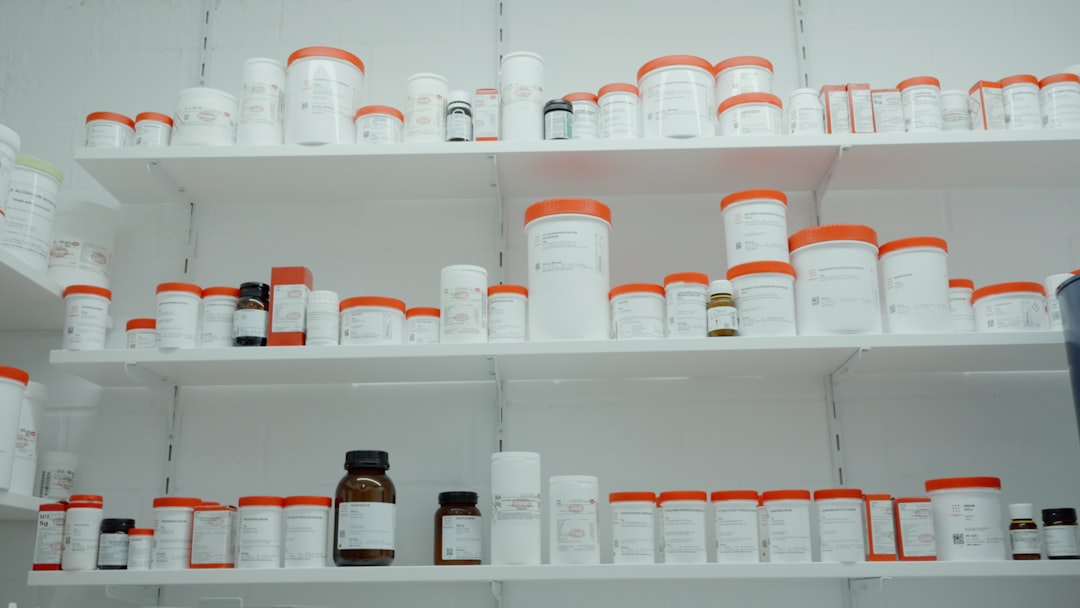
Medicine cabinets serve as essential storage spaces for medications and health-related items in most households. Proper organization and safety protocols for these storage areas directly affect household health management and accident prevention. Research indicates that medication-related accidents, including accidental poisoning and adverse drug interactions, frequently stem from inadequate storage practices and poor medication management.
Effective medicine cabinet safety encompasses several critical components: proper storage conditions, regular inventory management, and appropriate disposal methods for expired or unused medications. Temperature, humidity, and light exposure can significantly affect medication potency and safety. The bathroom, despite being a common location for medicine cabinets, often presents suboptimal storage conditions due to fluctuating temperatures and high humidity levels from showers and baths.
Statistical data from poison control centers shows that improper medication storage contributes to thousands of emergency room visits annually, particularly involving children who access unsecured medications. Additionally, expired medications may lose effectiveness or develop harmful compounds over time. Implementing systematic approaches to medicine cabinet organization and maintenance reduces these risks while ensuring medications remain effective when needed for treatment.
Key Takeaways
- Regularly audit your medicine cabinet to ensure safety and effectiveness.
- Identify and remove expired or damaged medications promptly.
- Store medications properly and keep them out of children’s reach.
- Organize medications for easy access and check for potential drug interactions.
- Dispose of unused medicines safely and seek professional advice for medication management.
Importance of Regular Audits
Conducting regular audits of your medicine cabinet is essential for maintaining safety and organization. You may find that over time, medications accumulate, some of which may no longer be necessary or safe to use. By routinely checking the contents of your cabinet, you can identify expired medications, assess what you actually need, and ensure that everything is in good condition.
This proactive approach not only helps you stay organized but also minimizes the risk of accidental overdoses or adverse reactions caused by outdated medications. Moreover, regular audits allow you to keep track of what you have on hand. You might discover that you have duplicates of certain medications or that you are running low on essential items like pain relievers or allergy medications.
By knowing exactly what is in your medicine cabinet, you can make informed decisions about what to purchase during your next trip to the pharmacy. This practice not only saves you money but also ensures that you are prepared for any health issues that may arise.
Identifying Expired Medications

One of the most critical aspects of maintaining a safe medicine cabinet is identifying expired medications. You may be surprised to learn that many people overlook this important task, often holding onto medications long after their expiration dates have passed. Expired medications can lose their effectiveness or even become harmful over time.
Therefore, it is vital to check the expiration dates on all medications regularly and dispose of any that are no longer valid. When you take the time to identify expired medications, you are actively protecting yourself and your family from potential health risks. You might find that some medications have been sitting in your cabinet for years, collecting dust and taking up valuable space.
By removing these items, you not only declutter your cabinet but also ensure that you are only using safe and effective treatments when needed. This simple yet essential step can make a significant difference in your overall health management.
Proper Storage of Medications
Proper storage of medications is another crucial element of medicine cabinet safety. You may not realize that the way you store your medications can affect their potency and safety.
If your medicine cabinet is located in a bathroom where humidity levels fluctuate, it may not be the best environment for storing certain types of medications. Consider relocating them to a more suitable area if necessary. Additionally, it’s important to keep medications in their original containers with labels intact.
This practice helps ensure that you have access to important information such as dosage instructions and expiration dates. When medications are stored in their original packaging, it also minimizes the risk of mixing them up with other substances. By taking these simple steps to store your medications properly, you can enhance their effectiveness and maintain a safer environment for everyone in your home.
Checking for Damaged or Leaking Containers
| Audit Step | Action | Safety Metric | Recommended Frequency | Notes |
|---|---|---|---|---|
| Check Expiration Dates | Review all medications and discard expired items | % of expired medications removed | Every 3 months | Expired meds can lose effectiveness or be harmful |
| Inspect Packaging | Ensure all containers are sealed and labels are legible | % of damaged or unsealed packages identified | Monthly | Damaged packaging can lead to contamination |
| Organize Medications | Group by type and usage, separate adult and child meds | Number of categories organized | Every 6 months | Reduces risk of accidental ingestion |
| Check Storage Conditions | Verify cabinet is cool, dry, and away from sunlight | Temperature and humidity within recommended range | Monthly | Improper storage can degrade medication quality |
| Remove Unused Medications | Dispose of medications no longer needed or prescribed | Number of unused meds safely disposed | Every 6 months | Prevents accidental use and clutter |
| Check for Child Safety | Ensure child-proof caps are intact and cabinet is locked | Number of safety features in place | Monthly | Critical to prevent accidental poisoning |
As you conduct your regular audits, be sure to check for damaged or leaking containers as well. You might be surprised at how often this issue goes unnoticed until it becomes a significant problem. A damaged container can compromise the integrity of the medication inside, rendering it ineffective or even dangerous to use.
If you notice any signs of damage—such as cracks in pill bottles or leaks in liquid medications—it’s essential to dispose of these items immediately.
A leaking container can create a mess that attracts dust and bacteria, potentially leading to further health risks.
By regularly inspecting your containers for damage, you can keep your medicine cabinet clean and safe while ensuring that all medications remain effective and secure.
Organizing Medications for Easy Access
An organized medicine cabinet is not only visually appealing but also functional. When medications are arranged systematically, it becomes easier for you to find what you need quickly, especially during times of illness or emergencies. You might consider categorizing your medications by type—such as pain relievers, allergy medications, or first-aid supplies—to streamline access when needed.
This organization can save you valuable time and reduce stress when you’re feeling unwell. You may also want to invest in storage solutions such as bins or dividers to keep everything neatly separated. Labeling these containers can further enhance accessibility by allowing everyone in your household to find what they need without confusion.
An organized medicine cabinet not only promotes efficiency but also encourages responsible medication management by making it easier for you to keep track of what you have on hand.
Keeping Medications Out of Reach of Children
If you have children in your home, keeping medications out of reach is one of the most critical safety measures you can take. Children are naturally curious and may not understand the dangers associated with ingesting medications. Even common over-the-counter drugs can pose serious risks if taken improperly.
Therefore, it’s essential to store all medications—prescription and non-prescription—out of sight and reach of little hands. Consider using childproof locks on cabinets or placing medications on high shelves where children cannot access them. Additionally, educate older children about the importance of medication safety and the potential dangers associated with taking drugs without adult supervision.
By taking these precautions, you can significantly reduce the risk of accidental poisoning or other health emergencies related to medication misuse.
Disposing of Unused or Expired Medications
Proper disposal of unused or expired medications is an often-overlooked aspect of medicine cabinet safety. Simply throwing them in the trash or flushing them down the toilet can lead to environmental contamination and pose risks to wildlife and water supplies. Instead, consider utilizing local drug take-back programs or disposal sites that safely handle pharmaceutical waste.
Many communities offer designated days for medication disposal or have permanent drop-off locations where you can safely dispose of unwanted drugs. If no take-back options are available in your area, follow guidelines provided by health authorities for disposing of medications at home. This typically involves mixing the medication with an undesirable substance—such as used coffee grounds or cat litter—before placing it in a sealed bag or container and throwing it away.
By taking these steps to dispose of unused or expired medications responsibly, you contribute to a safer environment while protecting others from potential harm.
Checking for Drug Interactions
As part of maintaining a safe medicine cabinet, it’s essential to be aware of potential drug interactions among the medications you have on hand. You may be taking multiple prescriptions or over-the-counter drugs simultaneously without realizing that they could interact negatively with one another. These interactions can lead to reduced effectiveness or even harmful side effects, making it crucial for you to stay informed about what you’re taking.
Consider consulting with a healthcare professional or pharmacist if you’re unsure about potential interactions between your medications. They can provide valuable insights into how different drugs may affect each other and help you make informed decisions about your treatment plan. By being proactive about checking for drug interactions, you can enhance your medication management and ensure that you’re using your medicines safely and effectively.
Ensuring Proper Labeling of Medications
Proper labeling is another vital aspect of medicine cabinet safety that should not be overlooked. When medications are clearly labeled with their names, dosages, and expiration dates, it becomes much easier for you and others in your household to use them correctly. This practice minimizes the risk of confusion and ensures that everyone understands how to take each medication safely.
If you’ve transferred medications into different containers—such as pill organizers—be sure to label them accurately as well. This step is especially important if multiple family members are using similar medications or if someone else needs to administer them on your behalf. Clear labeling fosters accountability and helps prevent medication errors that could lead to serious health consequences.
Seeking Professional Advice for Medication Management
Finally, seeking professional advice for medication management is an essential step toward ensuring safety in your medicine cabinet. If you’re ever unsure about how to manage your medications effectively or have questions about specific drugs, don’t hesitate to reach out to a healthcare provider or pharmacist for guidance. They can offer personalized recommendations based on your unique health needs and help you navigate any complexities related to medication management.
Additionally, consider scheduling regular check-ins with your healthcare provider to review your current medications and discuss any changes in your health status that may require adjustments in your treatment plan. By actively engaging with professionals regarding your medication management, you empower yourself to make informed decisions that prioritize both safety and well-being. In conclusion, maintaining a safe medicine cabinet is an ongoing process that requires attention and diligence.
By conducting regular audits, properly storing medications, keeping them out of reach from children, disposing of unused items responsibly, checking for interactions, ensuring proper labeling, and seeking professional advice when needed, you create a safer environment for yourself and your loved ones. Taking these steps not only enhances your health management but also fosters peace of mind knowing that you’re doing everything possible to prioritize safety within your home.
To ensure the safety and effectiveness of the medications you have at home, it’s essential to regularly audit your medicine cabinet. This process not only helps in identifying expired or unused medications but also promotes better health management. For more detailed guidance on this topic, you can refer to the article on senior health resources available at Explore Senior Health.
FAQs
Why is it important to audit your medicine cabinet for safety?
Auditing your medicine cabinet helps ensure that all medications are stored properly, are not expired, and are safe to use. It reduces the risk of accidental poisoning, misuse, and helps maintain an organized space for easy access during emergencies.
How often should I audit my medicine cabinet?
It is recommended to audit your medicine cabinet at least twice a year. Additionally, you should check it after any illness or when new medications are added to ensure everything is up to date and safe.
What should I look for when auditing my medicine cabinet?
Check expiration dates, proper labeling, and storage conditions. Remove any expired, unused, or damaged medications. Ensure that all medications are stored out of reach of children and pets, and that the cabinet is clean and dry.
How should I dispose of expired or unused medications?
Do not flush medications down the toilet unless the label or patient information specifically instructs you to do so. Instead, use drug take-back programs or follow FDA guidelines for safe disposal, such as mixing medications with undesirable substances and placing them in a sealed container before discarding.
Can I keep all types of medications together in one cabinet?
It is best to store medications according to their specific storage requirements. Some may need refrigeration, while others should be kept in a cool, dry place. Avoid storing medications in bathrooms or near heat sources, as humidity and temperature fluctuations can reduce their effectiveness.
What safety measures should I take to prevent accidental poisoning?
Keep medications in their original containers with clear labels, store them out of reach and sight of children, use child-resistant caps, and educate family members about the dangers of improper medication use.
Should I include supplements and vitamins in my medicine cabinet audit?
Yes, supplements and vitamins should be included in your audit. Check their expiration dates and storage instructions, and dispose of any that are expired or no longer needed.
What should I do if I find a medication that I am unsure about during the audit?
Consult your pharmacist or healthcare provider for guidance on the medication’s safety, proper use, and disposal. Do not use any medication if you are uncertain about its purpose or condition.