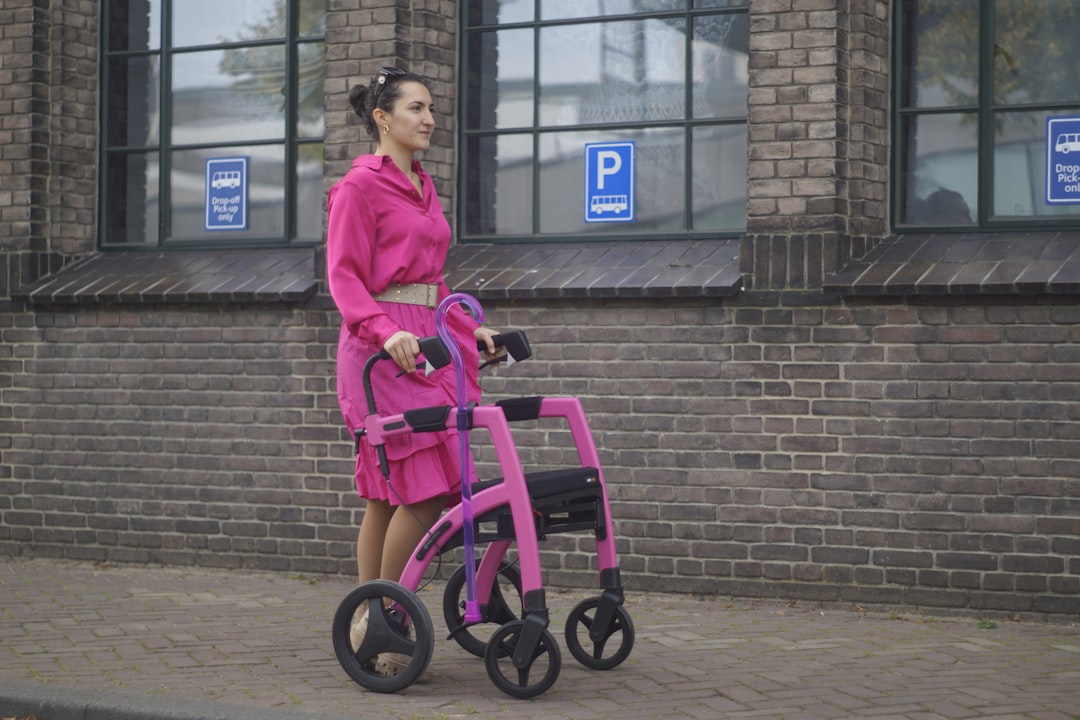
Before you even think about the airport procedures, you need to properly prepare your walker or wheelchair for gate check. This isn’t a task to be rushed. Doing it right can prevent damage and ensure it’s ready for you when you deplane.
Understanding the Process
Gate checking means your mobility aid will be taken from you at the departure gate, by airline personnel, and stowed in the cargo hold for the flight. It will be returned to you on the jet bridge upon arrival at your destination. This is distinct from checking a bag, which involves handing it over at the ticket counter.
Why Gate Check?
You gate check your mobility aid for convenience and to ensure its safe transport. It allows you to use your familiar device until the last possible moment before boarding the aircraft, and it’s returned to you immediately upon disembarking, which is critical for many travelers.
What to Expect at the Gate
An airline representative will be present at the gate to assist passengers with gate-checked items. They will have tags and instructions for you. Be prepared to explain your needs and any specific requirements for your device.
Essential Pre-Trip Inspections
A thorough inspection of your walker or wheelchair before you leave home is paramount. This isn’t just about appearance; it’s about functionality and identifying potential issues that could be problematic during travel or lead to damage.
Checking for Wear and Tear
Examine all components of your device. Look for any signs of fraying in fabric, cracks in plastic parts, or loose bolts. Pay close attention to the wheels, brakes, and any folding mechanisms.
Ensuring Stability and Functionality
Test all moving parts. Does your walker fold and unfold smoothly? Do the brakes engage and disengage effectively? For wheelchairs, ensure the casters and drive wheels turn freely and that the frame is sturdy. If you discover any issues, address them before heading to the airport. A minor repair at home is far preferable to a major problem at the gate.
Securing Removable Parts
Some mobility aids have parts that can be detached. Deciding whether to remove these items is a crucial step in the gate-checking process.
Identifying Detachable Components
For walkers, this might include baskets, trays, or sometimes even the armrests if they are designed for removal. Wheelchairs can have removable leg rests, armrests, or even entire seating systems.
The Decision to Remove
If a part is easily detachable and you can store it securely with your carry-on luggage, it’s wise to remove it. This reduces the risk of it becoming snagged or damaged during transit in the cargo hold. If a part is essential for your immediate post-flight mobility and cannot be easily reattached by you, discuss this with airline staff.
Secure Storage of Removed Items
If you do remove parts, ensure they are placed in a bag or securely attached to your carry-on item. You do not want to lose crucial components of your mobility aid.
If you’re looking for guidance on how to gate check a walker or wheelchair, you might find the article on Explore Senior Health particularly helpful. It provides valuable tips and insights for seniors traveling with mobility aids, ensuring a smoother journey. For more information, you can read the article here: Explore Senior Health.
Navigating the Airport Environment
Your journey through the airport with a mobility aid requires a strategic approach. Familiarize yourself with the procedures and communicate your needs clearly.
Arriving at the Airport
Give yourself ample time. Rushing can lead to stress and mistakes. Knowing where to go and what to do is key to a smoother experience.
Understanding Departure Process
The departure process for gate-checking begins when you reach your departure gate. While you might have checked in online or at a counter, the final handover of your mobility aid happens here.
Self-Identification and Assistance Needs
Inform airline staff at the gate about your needs as soon as you are able. This includes specifying that you have a mobility aid to gate check and if you require any assistance beyond what is standard.
Interacting with Airline Personnel
Clear communication with airline staff is vital. They are there to help, but they need to understand your specific situation.
Who to Approach
Approach the gate agent or the airline representatives stationed at the gate. They are typically wearing identifiable uniforms.
Explaining Your Device
Clearly state, “I have a walker/wheelchair to gate check.” Be prepared to answer questions about the device, especially if it’s a complex wheelchair. If you have any special instructions or concerns, voice them now. For example, if a particular part is delicate or if the device has a specific folding mechanism.
The Tagging and Handover Procedure
This is the point where your mobility aid transitions from your control to the airline’s. It’s a critical moment for proper identification.
Receiving the Gate-Check Tag
The gate agent will provide you with a gate-check tag. This tag typically has a barcode and your flight information on it.
Attaching the Tag
You will usually be asked to attach the tag to a visible and secure part of your mobility aid. Do not attach it to a place where it could easily tear off during handling. Often, a sturdy part of the frame is best. If you are unsure, ask the agent where they prefer it to be placed.
The Actual Handover
Once tagged, you will hand over your walker or wheelchair to the airline representative. They will then prepare it for loading into the aircraft’s cargo hold. Be aware that they might fold it or place it in a protective bag if the airline provides one.
Preparing for the Flight Itself

While your mobility aid is being handled by the airline, you need to focus on your own comfort and preparation for the flight.
Boarding Procedures
Depending on your needs and the airline’s policy, you might be offered early or priority boarding.
Early Boarding Options
Many airlines allow passengers who require assistance, including those with mobility aids, to board before general boarding. This allows you to disembark without being in a rush and to settle into your seat without navigating a crowded aisle.
Walking to the Aircraft
If you used a walker and are able to walk to the aircraft, you will do so after handing over your walker at the gate. If you use a wheelchair that was not gate-checked (perhaps a loaner provided by the airline), you will be assisted to your seat.
During the Flight
Once you are onboard, your focus shifts to the flight itself.
Settling In
Find your seat and get comfortable. If you have any accessibility needs related to your seat, such as needing extra legroom or assistance with the armrest, alert a flight attendant.
Communication with Flight Attendants
Flight attendants are trained to assist passengers with various needs. If you require anything during the flight, do not hesitate to press your call button and inform them. This could range from needing help to reach the lavatory to concerns about your belongings.
Post-Flight Expectations
Knowing what to expect upon arrival minimizes confusion and anxiety.
What to Do Upon Landing
Remain seated until the cabin is prepared for disembarkation. Follow the instructions of the flight attendants.
Accessing Your Mobility Aid
Listen for announcements regarding gate-checked items. Your walker or wheelchair will be returned to you on the jet bridge, which is the enclosed walkway connecting the aircraft to the terminal.
Potential Issues and Solutions

Despite careful preparation, travel can sometimes present unexpected challenges. Being aware of potential issues can help you navigate them.
Damage to Your Mobility Aid
Unfortunately, damage to gate-checked items can occur.
Documenting Damage
If you notice any damage upon receiving your walker or wheelchair, document it immediately. Take clear photographs of the damage before you move the device significantly.
Reporting Damage
Report the damage to the airline staff at the arrival gate. They will likely have a procedure for this, which may involve filling out a report form. Keep copies of all documentation.
Filing a Claim
If the damage is significant, you may need to file a formal claim with the airline’s baggage or customer service department. Provide them with all the documentation you collected.
Delays in Receiving Your Mobility Aid
Occasionally, there can be a delay in receiving your gate-checked item.
What Causes Delays
Delays can be caused by various factors, including the volume of bags being loaded, the aircraft’s cargo configuration, or issues with ground crew coordination.
What to Do During a Delay
If your mobility aid is not immediately available on the jet bridge, inform the airline staff assisting with disembarkation. They can investigate the reason for the delay. If you require immediate assistance and your device is delayed, ask the airline for a temporary loaner wheelchair.
Misplaced or Lost Items
While rare, your mobility aid could be misplaced.
Immediate Reporting
If you suspect your item is lost, report it to the airline immediately at the arrival gate. Provide them with a detailed description of your walker or wheelchair, including any identifying marks or unique features.
Following Up
The airline will initiate a search for your item. Stay in contact with them and follow up regularly on the progress of the search.
Compensation and Next Steps
If your item cannot be located within a reasonable timeframe, the airline will have procedures for compensation. This process will depend on the airline’s policies and any applicable regulations.
If you’re planning to travel with a walker or wheelchair, it’s essential to understand the process of gate checking these mobility aids to ensure a smooth journey. For detailed guidance on how to navigate this process effectively, you can refer to a helpful article that outlines the necessary steps and tips. This resource can assist you in preparing for your trip and ensuring your equipment is handled properly. To learn more about this topic, check out the article on gate checking mobility aids.
Final Preparations and Peace of Mind
| Steps for Gating Checking a Walker or Wheelchair |
|---|
| 1. Contact the airline in advance to inform them of your need to gate check a walker or wheelchair. |
| 2. Arrive at the airport early to allow enough time for the gate check process. |
| 3. At the gate, inform the gate agent that you need to gate check your walker or wheelchair. |
| 4. The gate agent will provide you with a gate check tag for your mobility aid. |
| 5. Collapse or fold the walker or wheelchair if possible, and wait for the gate agent to assist with the gate check process. |
| 6. Board the aircraft and inform the flight attendant that your mobility aid has been gate checked. |
| 7. Upon arrival at your destination, the airline staff will bring your walker or wheelchair to the aircraft door for you to retrieve. |
The final step in the gate-checking process is to ensure you feel prepared and confident for your journey.
Packing Smart for Travel
Consider how your carry-on items will integrate with your mobility needs.
Essential Items in Carry-On
Ensure your carry-on bag contains essential medications, important documents, and any comfort items you might need during the flight. If you removed any parts from your mobility aid, they should be stored with your carry-on.
Accessibility Features of Your Carry-On
Think about the ease of accessing your carry-on bag once you are seated. If it’s difficult to reach or open, consider how you will manage it.
Emotional and Mental Readiness
Travel can be stressful, but preparation can alleviate anxiety.
Familiarizing Yourself with Airport Maps
If you are unfamiliar with the airport, study its layout beforehand. Knowing where gates, restrooms, and assistance points are located can be very helpful.
Practicing Mobility Aid Maneuvers
If you’ve made any adjustments or are using a new mobility aid, practice using it in various settings before your trip. This includes navigating tight spaces and using any specific features.
Being Assertive and Polite
Remember that you have a right to assistance and to travel comfortably. Be polite but assertive in communicating your needs to airline staff.
The Value of Pre-Trip Planning
Thorough planning is your greatest asset.
Researching Airline Policies
Every airline has specific policies regarding mobility aids. Visit the airline’s website or call their customer service department in advance to understand their procedures. This includes any weight or size restrictions for gate-checked items, although this is less common for personal mobility devices.
Contacting the Airline in Advance
For complex wheelchairs or specific needs, it is highly recommended to contact the airline’s special assistance desk well in advance of your travel date. This allows them to make necessary arrangements and ensure a smoother experience for you.
By following these guidelines, you can approach the gate-checking process for your walker or wheelchair with confidence, ensuring your journey is as smooth and comfortable as possible. Remember that clear communication and preparation are key to a positive travel experience.
FAQs
1. What is gate checking for a walker or wheelchair?
Gate checking for a walker or wheelchair is the process of checking the mobility aid at the gate of an airplane, rather than at the ticket counter, so that it can be used up until boarding the aircraft.
2. How do I gate check a walker or wheelchair?
To gate check a walker or wheelchair, simply inform the airline staff at the gate that you would like to gate check your mobility aid. They will provide you with a tag to attach to the item and will then take it from you at the gate.
3. Are there any specific requirements for gate checking a walker or wheelchair?
Each airline may have its own specific requirements for gate checking a walker or wheelchair, so it’s best to check with the airline directly. In general, the mobility aid should be collapsible or easily disassembled for gate checking.
4. Is there a fee for gate checking a walker or wheelchair?
Most airlines do not charge a fee for gate checking a walker or wheelchair. However, it’s important to confirm this with the airline when making your reservation or at the airport.
5. What happens to my walker or wheelchair after it is gate checked?
After you gate check your walker or wheelchair, it will be taken by airline staff and loaded into the cargo hold of the aircraft. It will then be returned to you at the gate upon arrival at your destination.