
Your heart, a tireless engine that has powered your journey through life, deserves your diligent attention, especially as you navigate your senior years. Understanding the key biomarkers for senior heart health is like having a precise dashboard for your cardiovascular system, offering vital insights into its current condition and potential future needs. These aren’t just abstract numbers; they are tell-tale signs, whispers from your body, guiding you towards informed decisions and proactive care.
Cholesterol, often spoken of in hushed tones, is a fundamental substance your body needs to build healthy cells. However, just like too much of any ingredient can spoil a meal, an imbalance in cholesterol levels can become a significant risk factor for heart disease. For seniors, monitoring specific types of cholesterol is like checking the pressure in your tires – essential for a smooth and safe journey.
High-Density Lipoprotein (HDL) Cholesterol: The “Good” Courier
Think of HDL cholesterol as your dedicated fleet of garbage trucks. Its primary role is to collect excess cholesterol from your arteries and transport it back to the liver for processing and removal. Higher levels of HDL cholesterol are generally associated with a lower risk of heart disease. Imagine these trucks efficiently clearing the road, preventing blockages and ensuring free flow.
Low-Density Lipoprotein (LDL) Cholesterol: The “Bad” Accumulator
LDL cholesterol, on the other hand, is more akin to a delivery truck that can leave unwanted packages behind. When LDL cholesterol levels are too high, these particles can accumulate in the walls of your arteries, forming plaque. This plaque buildup, a process known as atherosclerosis, can narrow and stiffen your arteries, restricting blood flow – a scenario reminiscent of a traffic jam on a vital highway.
Triglycerides: The Energy Stockpile’s Hidden Risk
Triglycerides are a type of fat found in your blood. Your body uses them for energy, storing any excess as fat tissue. While essential for survival, elevated triglyceride levels, particularly when combined with low HDL cholesterol or high LDL cholesterol, can significantly increase your risk of heart disease. Consider them a surplus of fuel that, if not managed, can contribute to an overburdened system.
The Total Cholesterol Measurement: A Snapshot, Not the Full Story
Your total cholesterol measurement provides an overall picture, but it’s crucial to remember that it’s composed of different parts. A high total cholesterol number might be concerning, but understanding the breakdown between HDL, LDL, and triglycerides offers a more nuanced and actionable understanding of your cardiovascular health. It’s like seeing the total weight of your luggage – you need to know what’s inside to pack efficiently.
Recent studies have highlighted the importance of biomarkers in assessing cardiovascular health among seniors, providing valuable insights into early detection and management of heart-related issues. For further reading on this topic, you can explore a related article that delves into various biomarkers and their implications for senior health by visiting this link. This resource offers a comprehensive overview of how these indicators can help improve health outcomes for the elderly population.
Inflammation: The Silent Saboteur of Arterial Health
Your body’s inflammatory response is a vital defense mechanism against injury and infection. However, chronic inflammation can become a detrimental force, silently damaging your arteries over time. For seniors, persistent inflammation is a significant harbinger of cardiovascular issues, akin to a slow-burning fuse that can ignite serious problems.
C-Reactive Protein (CRP): The General Alarm Bell
C-reactive protein (CRP) is a protein produced by your liver in response to inflammation. Elevated levels of CRP, particularly high-sensitivity CRP (hs-CRP), are a strong indicator of underlying inflammation in the body, including in your arteries. Think of hs-CRP as an early warning system, flashing a red light when there’s trouble brewing.
Homocysteine: A Protein Derivative with Potential for Harm
Homocysteine is an amino acid that plays a role in various bodily processes. However, elevated levels of homocysteine in the blood have been linked to an increased risk of cardiovascular disease. This connection is thought to be due to homocysteine’s ability to damage the inner lining of arteries and promote blood clot formation. Consider it a rogue element that can erode the smooth surfaces of your blood vessels.
Oxidative Stress: The Unseen Damage
While not a single biomarker, oxidative stress represents an imbalance between free radicals and antioxidants in your body. Free radicals are unstable molecules that can damage cells, including those in your heart and blood vessels. Chronic oxidative stress contributes to inflammation and atherosclerosis. Imagine a constant barrage of tiny attackers, chipping away at your defenses.
Blood Pressure: The Force Behind Your Arterial Flow

Your blood pressure is a measure of the force your blood exerts against the walls of your arteries as your heart pumps it throughout your body. Maintaining healthy blood pressure is paramount for senior heart health, as consistently high pressure can strain your heart and damage your arteries over time. It’s the pressure gauge on your engine, indicating the force of its operation.
Systolic Blood Pressure: The Pumping Pressure
Systolic blood pressure, the top number in a blood pressure reading, represents the pressure in your arteries when your heart beats and pumps blood. Elevated systolic pressure means your heart is working harder than it should to push blood through your system. This is like running your engine at a consistently high RPM – it can lead to wear and tear.
Diastolic Blood Pressure: The Resting Pressure
Diastolic blood pressure, the bottom number, measures the pressure in your arteries when your heart rests between beats. While often considered less critical than systolic pressure, persistently high diastolic pressure can also contribute to cardiovascular risk. It indicates the baseline stress on your arterial system.
Blood Sugar Control: The Sugar’s Impact on Your Vessels
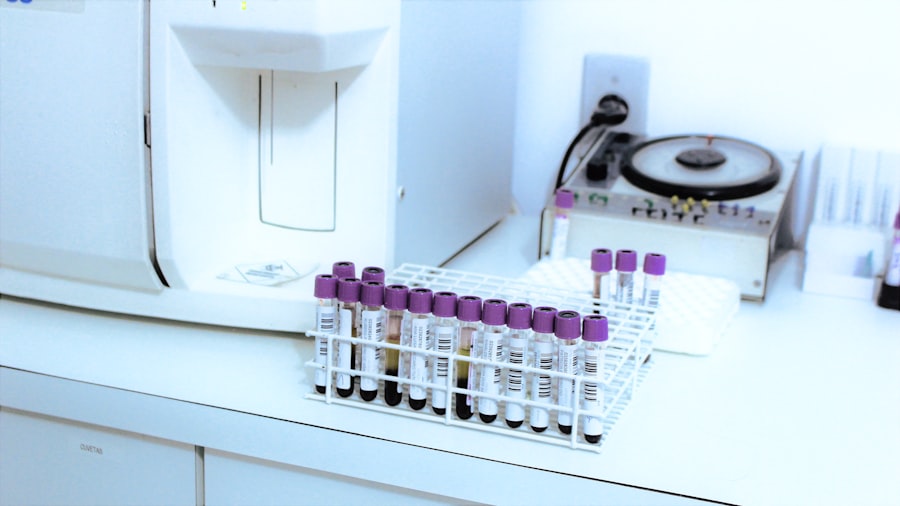
For seniors, maintaining stable blood sugar levels is a crucial pillar of heart health, particularly for those with or at risk of diabetes. High blood sugar can damage blood vessels and nerves that control the heart, increasing the likelihood of heart disease, stroke, and other cardiovascular complications. Think of sugar as a potent solvent that can corrode delicate machinery.
Fasting Blood Glucose: A Baseline Reading
Fasting blood glucose measures your blood sugar level after an overnight fast. Consistently high fasting blood glucose levels can indicate prediabetes or diabetes, conditions that significantly elevate your risk of heart disease. This provides a starting point, a snapshot of your sugar levels when your body is at rest.
Hemoglobin A1c (HbA1c): The Long-Term Sugar Trend
Hemoglobin A1c (HbA1c) provides a more comprehensive picture of your average blood sugar levels over the past two to three months. It reflects how much glucose has attached to your hemoglobin, the protein in red blood cells that carries oxygen. An elevated HbA1c is a strong indicator of chronic high blood sugar and increased cardiovascular risk. This is like a historical logbook, showing the average performance over an extended period.
Insulin Resistance: The Body’s Resistance to Sugar Regulation
Insulin resistance is a condition where your body’s cells don’t respond effectively to insulin, a hormone that helps regulate blood sugar. This forces your pancreas to produce more insulin, which can eventually lead to elevated blood sugar levels and an increased risk of type 2 diabetes and heart disease. Imagine your body’s sugar receptors becoming less sensitive, requiring more effort to achieve the same effect.
Recent studies have highlighted the importance of biomarkers in assessing cardiovascular health among seniors, providing valuable insights into how aging affects heart function. For a deeper understanding of this topic, you can explore a related article that discusses various biomarkers and their implications for senior health. This resource offers a comprehensive overview of how these indicators can help in early detection and management of cardiovascular issues. To learn more, visit this article for further information.
Cardiac Enzymes: Heart’s Distress Signals During Acute Events
| Biomarker | Normal Range | Significance |
|---|---|---|
| Blood Pressure | Less than 120/80 mmHg | Elevated blood pressure can indicate risk of cardiovascular disease |
| Cholesterol Levels | Total cholesterol: Less than 200 mg/dL | High cholesterol levels can increase the risk of heart disease |
| C-reactive Protein (CRP) | Less than 1 mg/L | Elevated CRP levels can indicate inflammation and increased cardiovascular risk |
| NT-proBNP | Less than 125 pg/mL | Elevated levels can indicate heart failure and increased cardiovascular risk |
Cardiac enzymes are proteins released into the bloodstream when heart muscle is damaged, most commonly during a heart attack. While these are primarily used in emergency situations to diagnose acute cardiac events, understanding their significance can underscore the importance of recognizing and responding to chest pain or other concerning symptoms. They are the alarm bells that ring when a critical component fails.
Troponin: The Most Sensitive Indicator
Troponin is a protein found in heart muscle cells. Elevated levels of troponin in the blood are a highly sensitive indicator of heart muscle damage. This is the most direct signal that your heart muscle has been injured.
Creatine Kinase-MB (CK-MB): A Historical Marker
Creatine Kinase-MB (CK-MB) is another enzyme that can be elevated when there is damage to heart muscle. While troponin is generally considered the more sensitive and specific marker for cardiac damage, CK-MB can still provide valuable information, especially in specific clinical scenarios. It’s a secondary indicator, offering corroborating evidence in certain situations.
The Interconnected Web: Biomarkers as a Holistic Picture
It’s crucial to understand that these biomarkers do not exist in isolation. They form an interconnected web, each influencing the others. High blood pressure can contribute to inflammation, which can worsen cholesterol issues, and uncontrolled blood sugar can accelerate all these processes. Therefore, viewing your heart health through the lens of these biomarkers as a collective tapestry, rather than individual threads, provides the most accurate and actionable understanding. Regular monitoring and open communication with your healthcare provider are your most powerful tools in navigating this interconnected landscape. By understanding these key biomarkers, you are equipping yourself with the knowledge to be an active participant in preserving the vitality of your most vital organ, ensuring your journey continues with strength and well-being.
FAQs
What are biomarkers of senior cardiovascular health?
Biomarkers of senior cardiovascular health are measurable indicators in the body that can signal the presence of cardiovascular disease or the risk of developing it. These biomarkers can include blood pressure, cholesterol levels, blood glucose levels, and markers of inflammation.
Why are biomarkers important for senior cardiovascular health?
Biomarkers are important for senior cardiovascular health because they can provide early warning signs of potential cardiovascular issues. Monitoring these biomarkers can help healthcare professionals assess an individual’s risk of developing cardiovascular disease and tailor interventions to prevent or manage it.
What are some common biomarkers used to assess senior cardiovascular health?
Common biomarkers used to assess senior cardiovascular health include blood pressure, cholesterol levels (including LDL, HDL, and triglycerides), blood glucose levels, C-reactive protein (CRP) levels, and markers of inflammation such as interleukin-6 and tumor necrosis factor-alpha.
How can biomarkers be used to improve senior cardiovascular health?
Biomarkers can be used to improve senior cardiovascular health by guiding lifestyle modifications, medication management, and other interventions to reduce the risk of cardiovascular disease. By monitoring biomarkers, healthcare professionals can track the effectiveness of interventions and make adjustments as needed.
What role do biomarkers play in senior cardiovascular disease research?
Biomarkers play a crucial role in senior cardiovascular disease research by providing measurable indicators that can be used to study the progression of cardiovascular disease, assess the effectiveness of treatments, and identify new therapeutic targets. Research on biomarkers can also lead to the development of new diagnostic tools and personalized treatment approaches for senior cardiovascular health.