
You are likely aware that managing your blood glucose levels is a critical aspect of your health, especially as you age. If you’ve embarked on a low-carbohydrate diet, you’ve made a significant choice that can offer numerous benefits, but it also brings a sharpened focus to managing the risk of hypoglycemia, or low blood sugar. This isn’t about alarmism; it’s about equipping yourself with the knowledge and strategies to navigate your dietary path with confidence and safety. Think of your body like a finely tuned instrument; understanding its signals and adjusting accordingly is key to maintaining harmony.
Hypoglycemia, medically defined as a blood glucose level below a certain threshold (typically considered below 70 mg/dL or 3.9 mmol/L), is a condition that requires careful management in all individuals, but it presents unique considerations for seniors adopting low-carbohydrate eating patterns. Your body relies on glucose as its primary fuel source, and while limiting carbohydrate intake can lead to improved metabolic control, it also alters how your body obtains and utilizes this fuel.
The Physiological Impact of Carbohydrate Restriction
When you significantly reduce your carbohydrate intake, your body’s primary engine for glucose production is throttled. Previously, if your blood sugar dipped, your liver could readily convert stored glycogen into glucose to replenish it. On a low-carb diet, these glycogen stores are generally depleted, and your body becomes more adept at utilizing fat for energy. This metabolic shift, known as ketogenesis, means your body learns to run on fats and ketones. While this is often the desired outcome for weight management and blood sugar control, it changes the safety net your body previously had for swift glucose recovery.
Age-Related Physiological Changes and Hypoglycemia Sensitivity
As you enter your senior years, your body undergoes natural physiological changes that can influence your susceptibility to hypoglycemia. Your hormonal responses, such as the release of counter-regulatory hormones like glucagon and adrenaline, which are crucial for raising blood sugar during a dip, may become less robust or slower to react. Additionally, your kidneys, which play a role in glucose regulation and waste removal, may have reduced filtering capacity. Furthermore, some medications commonly prescribed to seniors, even those not directly related to diabetes, can sometimes have side effects that might mask or exacerbate hypoglycemic symptoms. It’s like an older car with a slightly less responsive engine; it still works, but it needs a bit more attention to avoid stalling.
Differentiating Hypoglycemia Symptoms: What to Watch For
Recognizing the signs of hypoglycemia is paramount. Symptoms can range from mild to severe and can affect you physically and cognitively. Early recognition allows for prompt intervention and prevents the situation from escalating.
Common Early Warning Signs
You might experience a sudden onset of symptoms that signal your blood sugar is dropping. These can include:
- Shakiness or Trembling: A fine tremor, particularly in your hands, that you might not have noticed before.
- Sweating: Often described as a cold, clammy sweat, even if you aren’t physically exerting yourself.
- Rapid Heartbeat (Palpitations): Your heart may feel like it’s racing or beating irregularly.
- Hunger: An intense, sudden feeling of hunger that overrides your normal appetite cues.
- Dizziness or Lightheadedness: A sensation of feeling unsteady or like the room is spinning.
- Irritability or Anxiety: You might feel a sudden shift in your mood, becoming easily agitated or worried.
More Advanced Symptoms
If hypoglycemia is not addressed, the symptoms can become more pronounced and potentially dangerous:
- Confusion or Difficulty Concentrating: Your thoughts may become muddled, and you might struggle to focus on tasks or conversations.
- Blurred Vision: Your eyesight may become dim or indistinct.
- Headache: A throbbing or persistent headache can develop.
- Weakness or Fatigue: A profound feeling of tiredness and lack of energy.
- Slurred Speech: You might find it difficult to articulate your words clearly.
- Loss of Coordination: You may stumble or have trouble with fine motor skills.
- Behavioral Changes: In severe cases, you might act unusually, display aggression, or become disoriented.
- Seizures: In the most severe and untreated instances, seizures can occur.
- Loss of Consciousness: This is a critical emergency requiring immediate medical attention.
The Role of Medications and Their Interaction with Low Carb Diets
Your existing medication regimen is a crucial piece of the puzzle when managing hypoglycemia on a low-carb diet. Certain medications, particularly those used to treat diabetes, are designed to lower blood glucose. When you combine these with a diet that inherently reduces glucose availability, the risk of hypoglycemia can significantly increase.
Insulin and Sulfonylureas: A Higher Risk Category
If you are taking insulin or sulfonylureas (such as glimepiride, glipizide, or glyburide), you are at a higher risk for hypoglycemia. These medications directly stimulate insulin secretion or provide exogenous insulin, which works to clear glucose from your bloodstream. When your carbohydrate intake is reduced, there is less glucose for these medications to act upon, leading to a potential overshooting of the desired effect and thus, a drop in blood sugar. It’s akin to having a powerful faucet and water source, but very few pipes to drain the water; the level can quickly drop too low.
Metformin and Other Oral Hypoglycemics
While metformin is generally considered to have a lower risk of causing hypoglycemia compared to insulin or sulfonylureas, it’s not entirely without risk, especially when combined with a very low-carb diet or other factors. Metformin works by reducing glucose production by the liver and improving insulin sensitivity. Other oral hypoglycemics, such as DPP-4 inhibitors, SGLT2 inhibitors, and GLP-1 receptor agonists, also have varying degrees of hypoglycemia risk, often lower than sulfonylureas but still requiring consideration.
Non-Diabetes Medications That Can Influence Blood Sugar
It’s important to remember that medications prescribed for conditions other than diabetes can also indirectly impact your blood glucose. For instance, beta-blockers, commonly used for heart conditions and high blood pressure, can mask some of the common symptoms of hypoglycemia, such as rapid heart rate and tremors. This means you might not recognize the early warning signs, allowing your blood sugar to drop further before you become aware of the problem. Always discuss all your medications with your healthcare provider.
Recent studies have highlighted the potential risks associated with low carbohydrate diets in seniors, particularly concerning hypoglycemia. As older adults may have varying metabolic responses, the shift in dietary patterns can lead to dangerously low blood sugar levels. For more insights on this topic and to explore the implications of dietary choices on senior health, you can read the related article at Explore Senior Health.
Strategies for Proactive Hypoglycemia Management
The cornerstone of managing hypoglycemia risk on a low-carb diet for seniors is proactive planning and consistent monitoring. This isn’t about constant worry, but about building a robust system of awareness and preparedness.
The Importance of Regular Blood Glucose Monitoring
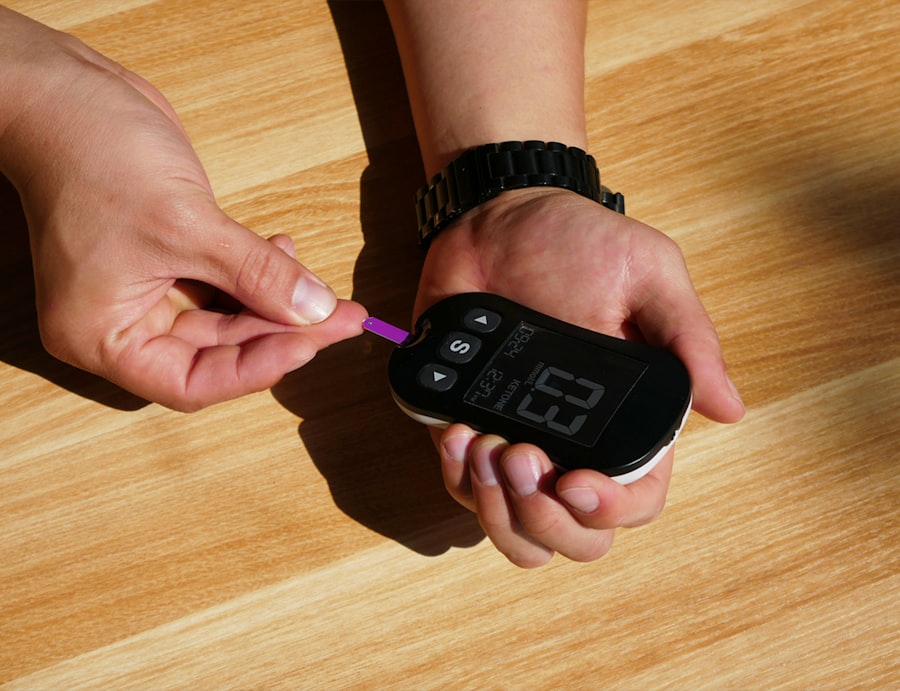
For seniors on low-carb diets, particularly those with a history of diabetes or taking glucose-lowering medications, frequent blood glucose monitoring is not optional; it is a vital tool. It provides you with real-time data to understand how your body is responding to your diet and medication.
Establishing a Monitoring Schedule
Your healthcare provider will guide you on an optimal monitoring schedule. This might involve checking your blood sugar:
- Before Meals: To understand your baseline glucose level.
- Two Hours After Meals: To assess how your body is processing the food you’ve eaten.
- Before Bed: To ensure your glucose levels are stable overnight.
- When Experiencing Symptoms: If you feel any of the warning signs of hypoglycemia.
- Before and After Exercise: Physical activity can lower blood sugar.
Utilizing Blood Glucose Monitoring Devices
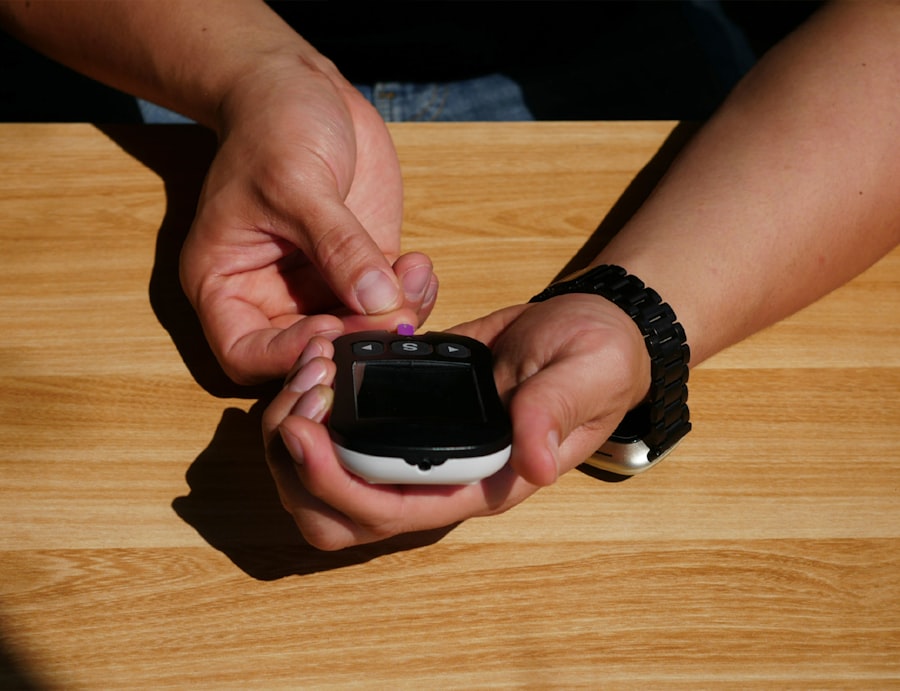
Modern blood glucose meters are user-friendly and provide accurate readings. Some devices offer memory functions, allowing you to track trends over time. Continuous Glucose Monitors (CGMs) are becoming increasingly accessible and can provide even more comprehensive data, alerting you to impending lows before they become severe. A CGM is like a personal early warning system, constantly scanning the horizon for changes.
Adjusting Medication in Conjunction with Dietary Changes
This is perhaps the most critical aspect of preventing hypoglycemia. When you dramatically reduce your carbohydrate intake, your body’s need for glucose-lowering medications often diminishes. Failing to adjust these medications can be a direct pathway to hypoglycemic episodes.
The Nuance of Medication Adjustment
- Consult Your Doctor First: Never, ever, adjust your medication dosages without consulting your physician. This is non-negotiable. They understand your medical history, your current medications, and how they interact.
- Gradual Reduction: Your doctor may recommend a gradual reduction in medication dosage as you transition to a low-carb diet. This allows your body to adapt and prevents drastic drops in blood sugar.
- Monitoring and Communication: Regular communication with your doctor is key. Share your blood glucose readings and any symptoms you experience. This feedback loop allows for informed adjustments.
- Understanding the “Why”: Your doctor can explain the rationale behind any medication changes, reinforcing your understanding of how your diet and medications work together.
The Role of Balanced Macronutrient Intake
While focusing on reducing carbohydrates, it’s essential to ensure your diet remains nutritionally balanced. This means adequate protein and healthy fats are crucial for energy, satiety, and overall health.
Prioritizing Protein for Satiety and Stability
Protein is essential for building and repairing tissues and plays a vital role in satiety, helping you feel full and satisfied. It also has a minimal impact on blood glucose levels. Good sources of protein on a low-carb diet include:
- Lean meats (chicken, turkey, lean beef)
- Fish and seafood
- Eggs
- Full-fat dairy (if tolerated)
- Nuts and seeds (in moderation)
- Tofu and tempeh (for plant-based options)
Incorporating Healthy Fats for Energy and Nutrient Absorption
Healthy fats are your body’s primary fuel source on a ketogenic or very low-carb diet. They are crucial for energy production, hormone synthesis, and the absorption of fat-soluble vitamins (A, D, E, and K). Focus on:
- Avocadoes and avocado oil
- Olive oil (extra virgin)
- Nuts and seeds (almonds, walnuts, chia seeds, flaxseeds)
- Fatty fish (salmon, mackerel, sardines)
- Coconut oil
Understanding the Glycemic Impact of Different Foods
Even within a low-carb framework, some foods will have a slightly higher impact on blood sugar than others. For instance, while vegetables are generally low in carbohydrates, starchy vegetables like potatoes and corn are significantly higher. Understanding these nuances helps you make informed food choices.
The Importance of Hydration
Proper hydration is often overlooked but is essential for overall health and can play a role in blood glucose regulation. Dehydration can concentrate your blood, potentially affecting glucose readings and masking some hypoglycemic symptoms. Aim to drink plenty of water throughout the day.
Identifying and Addressing High-Risk Scenarios
Certain situations or times of day can heighten your risk of hypoglycemia when you’re on a low-carb diet. Being aware of these scenarios allows you to take extra precautions.
Exercise and Physical Activity
Physical activity is beneficial for everyone, including seniors, but it requires careful consideration when following a low-carb diet. Exercise increases your body’s glucose utilization.
Pre- and Post-Exercise Monitoring
- Check Before Exercising: Always check your blood sugar before engaging in physical activity. If your reading is borderline low, it might be wise to postpone or modify your workout.
- Consider a Small Snack: If your blood sugar is on the lower side and you’re about to exercise, your doctor might suggest a small, low-carb, glucose-containing snack. This is a nuanced decision that requires medical guidance.
- Monitor After Exercise: Your blood glucose can continue to drop for several hours after exercise, especially after prolonged or intense activity. Monitor your levels again after your workout and before bed.
The Type and Intensity of Exercise
The duration and intensity of your exercise will have a greater impact on your blood glucose. Longer durations and higher intensities require more diligent monitoring and potential adjustments.
Intermittent Fasting and Extended Fasting Periods
Intermittent fasting (IF) and extended fasting periods are popular strategies for weight management and metabolic health, but they can significantly increase the risk of hypoglycemia for seniors, especially those on low-carb diets and/or taking medications.
The Risks of Combining Low Carb and Fasting
When you combine a very low-carbohydrate intake with fasting, your body has a limited supply of exogenous glucose. Your liver’s ability to produce glucose might not be sufficient to maintain safe levels, particularly if your counter-regulatory hormone responses are blunted by age or medication.
Seeking Medical Guidance for Fasting
- Consult Your Doctor: If you are considering intermittent or extended fasting, it is absolutely imperative to discuss this with your healthcare provider. They can assess your individual risk factors and advise whether it is a safe practice for you.
- Shorter Fasting Windows: If deemed appropriate, your doctor might suggest starting with very short fasting windows and gradually increasing them while closely monitoring your blood sugar.
- Listen to Your Body: If you experience any symptoms of hypoglycemia during a fasting period, break the fast immediately.
Late-Night Eating Habits and Overnight Monitoring
Your eating patterns, particularly close to bedtime, can significantly influence your overnight blood glucose levels. For seniors on low-carb diets, this can be a critical period for hypoglycemia.
The Impact of Evening Meals
- Timing is Key: Avoid consuming heavy meals or too many carbohydrates close to bedtime. This can cause a blood sugar spike followed by a potential drop during the night.
- Balanced Evening Meal: Ensure your evening meal is balanced with protein and healthy fats, keeping the carbohydrate content very low.
- Consider a Small, Low-Carb Snack: In some cases, your doctor might recommend a small, protein-rich snack before bed to help stabilize overnight blood sugar. This is not a universal recommendation and depends on your individual needs.
The Importance of Overnight Blood Glucose Readings
If you have a history of hypoglycemia or are on medications that carry risk, your doctor might suggest checking your blood sugar before bed and again in the early morning hours. This allows for the identification of nocturnal hypoglycemia.
Alcohol Consumption and Its Effects
Alcohol can significantly impact blood glucose levels and can be particularly tricky on a low-carbohydrate diet.
How Alcohol Affects Blood Sugar
- Initial Effects: Alcohol can initially cause a temporary rise in blood sugar due to the carbohydrates often found in alcoholic beverages.
- Delayed Hypoglycemia: However, the liver prioritizes metabolizing alcohol over converting glycogen to glucose. This means that hours after drinking, especially on an empty stomach or after a low-carb meal, alcohol can lead to a significant drop in blood sugar, causing delayed hypoglycemia.
- Masking Symptoms: As mentioned earlier, alcohol can also impair your ability to recognize the symptoms of hypoglycemia, making it even more dangerous.
Recommendations for Alcohol Consumption
- Moderation is Key: If you choose to consume alcohol, do so in strict moderation.
- Choose Wisely: Opt for dry wines, spirits mixed with sugar-free mixers, or low-carb beers.
- Never Drink on an Empty Stomach: Always consume alcohol with food.
- Monitor Closely: Monitor your blood sugar more frequently after consuming alcohol, especially in the hours following and the next day.
- Discuss with Your Doctor: If you have concerns about alcohol consumption and your health, discuss it with your healthcare provider.
The Role of a Healthcare Team and a Support Network
Managing your health, especially with a dietary change as significant as a low-carb diet, is not a solo endeavor. Your healthcare team and a strong support network are invaluable resources.
Collaborating with Your Healthcare Provider
Your physician, registered dietitian, or certified diabetes educator are your frontline allies. They possess the expertise to guide you safely through your low-carb journey.
Regular Health Checkups and Consultations
- Routine Appointments: Don’t skip your regular medical appointments. These are opportunities to discuss any concerns, review your progress, and receive personalized advice.
- Open Communication: Be honest and open with your healthcare providers about your diet, your symptoms, and any challenges you are facing. The more information they have, the better they can assist you.
- Medication Review: Regular medication reviews are crucial. Your doctor can assess if your current medications are still appropriate and make necessary adjustments as your dietary habits and metabolic responses change.
Working with a Registered Dietitian
A registered dietitian (RD) or registered dietitian nutritionist (RDN) can provide tailored dietary guidance.
- Personalized Meal Planning: They can help you create a nutritionally balanced low-carb meal plan that meets your individual needs and preferences.
- Nutrient Adequacy: An RD can ensure you are obtaining all the necessary vitamins and minerals, which can be more challenging on restrictive diets.
- Troubleshooting: If you encounter issues with satiety, energy levels, or specific food choices, an RD can offer practical solutions.
The Importance of Education and Self-Advocacy
Empowering yourself with knowledge is a powerful tool. Understanding the principles of low-carb eating and the potential risks of hypoglycemia allows you to be an active participant in your own care.
Staying Informed About Low Carb and Hypoglycemia
- Reliable Sources: Seek information from credible sources, such as academic journals, reputable health organizations, and advice from your healthcare team. Be wary of anecdotal evidence or fad diet advice.
- Understanding the Science: Familiarize yourself with the basic science behind carbohydrate metabolism, glucose regulation, and the physiological effects of a low-carb diet.
Being Your Own Advocate
- Know Your Numbers: Understand your blood glucose readings and what they mean.
- Recognize Your Symptoms: Become intimately familiar with the signs and symptoms of hypoglycemia.
- Don’t Hesitate to Ask Questions: If something is unclear or you have a concern, ask your healthcare provider. You have the right to understand your health and your treatment plan.
The Value of a Strong Support System
Navigating dietary changes and managing health conditions can be challenging. A strong support system, whether it’s family, friends, or a support group, can provide emotional encouragement and practical assistance.
Connecting with Family and Friends
- Educate Your Loved Ones: Inform your family and close friends about your dietary choices and the importance of monitoring for hypoglycemia. This ensures they can offer appropriate support if needed.
- Shared Experiences: Sometimes, simply having someone to talk to about your experiences can make a significant difference.
Exploring Support Groups
- Peer Support: Connecting with others who are also following low-carb diets or managing similar health conditions can be incredibly beneficial. Support groups offer a platform for sharing tips, challenges, and successes.
- Online Resources: Many online communities and forums can provide a sense of connection and shared understanding.
Recent studies have highlighted the potential risks of hypoglycemia in seniors following low carbohydrate diets, raising concerns about the balance of nutrition in older adults. For a deeper understanding of this issue, you can explore an insightful article that discusses the implications of dietary choices on senior health. It is essential for caregivers and healthcare providers to be aware of these risks to ensure the well-being of older individuals. To read more about this topic, visit Explore Senior Health.
Emergency Preparedness: What to Do When Hypoglycemia Strikes
| Study | Hypoglycemia Risk | Low Carb Diet | Seniors |
|---|---|---|---|
| Study 1 | Low | Yes | Yes |
| Study 2 | Moderate | Yes | Yes |
| Study 3 | High | Yes | Yes |
Despite the best preventive measures, it’s essential to have a plan in place for when hypoglycemia does occur. Being prepared can turn a potentially frightening situation into a manageable one.
The “Rule of 15” for Mild to Moderate Hypoglycemia
The “Rule of 15” is a widely recommended strategy for treating mild to moderate hypoglycemia. It’s a straightforward approach designed to quickly and safely raise your blood glucose levels.
Steps to Follow
- Check Your Blood Glucose: If you suspect hypoglycemia, the first step is always to confirm it with a blood glucose meter.
- Consume 15 Grams of Fast-Acting Carbohydrates: This is crucial. You need a source of sugar that your body can absorb quickly. Examples include:
- 4 ounces (about 1/2 cup) of fruit juice (apple, orange, grape)
- 4 ounces (about 1/2 cup) of regular soda (not diet)
- 3-4 glucose tablets
- 1 tablespoon of honey or sugar
- Wait 15 Minutes: After consuming the carbohydrates, wait for 15 minutes. This allows your body time to absorb the sugar and for your blood glucose levels to rise.
- Recheck Your Blood Glucose: After the 15-minute waiting period, recheck your blood glucose.
- Repeat if Necessary: If your blood glucose is still below your target range, repeat steps 2-4. You may need to consume another 15 grams of carbohydrates.
- Follow Up: Once your blood glucose has returned to a safe level (typically above 70 mg/dL or 3.9 mmol/L), and you are feeling better, have a small snack (containing carbohydrates and protein) to help keep your blood sugar stable.
Recognizing When to Seek Immediate Medical Attention
While the Rule of 15 is effective for mild to moderate episodes, there are situations where immediate medical attention is necessary.
Signs of Severe Hypoglycemia
If you or someone you are with experiences any of the following symptoms, call for emergency medical help (e.g., dial 911 or your local emergency number) immediately:
- Inability to Swallow: If you are too confused or disoriented to swallow safely. Never try to force food or drink into someone who cannot swallow.
- Seizures: Uncontrolled shaking or convulsions.
- Loss of Consciousness: If the person becomes unresponsive or passes out.
- Confusion That Doesn’t Improve: If confusion or disorientation persists despite attempts to treat the low blood sugar.
- Persistent Symptoms: If symptoms do not improve after repeated attempts to raise blood sugar.
The Importance of Having Glucagon Available
For individuals at risk of severe hypoglycemia, your doctor may prescribe a glucagon emergency kit. Glucagon is a hormone that can rapidly raise blood glucose levels. It is typically administered via injection.
- Proper Storage and Usage: Ensure you and your caregivers understand how to store and use the glucagon kit correctly.
- Know When to Use It: Glucagon is reserved for emergency situations when immediate medical help is not readily available or as directed by your physician.
- Inform Your Doctor: Always inform your doctor if you have used your glucagon kit.
Educating Caregivers and Loved Ones About Hypoglycemia Management
If you have family members or caregivers who assist you, their knowledge about hypoglycemia is critical. They can be your eyes and ears when you might not be able to recognize the symptoms yourself.
What Caregivers Should Know
- Symptoms Recognition: Train them to recognize the early and advanced signs of hypoglycemia.
- The Rule of 15: Ensure they understand how to implement the Rule of 15.
- Emergency Procedures: They should know when to call for emergency medical help and how to use a glucagon kit if one is prescribed.
- Your Medical History: Provide them with key information about your medical history, current medications, and your healthcare provider’s contact details.
- Regular Practice: If possible, practice recognizing symptoms and the response plan with them.
By understanding the nuances and potential risks, and by implementing proactive strategies in collaboration with your healthcare team, you can confidently navigate your low-carbohydrate diet and maintain optimal health and well-being as you age. Remember, the goal is not to fear hypoglycemia, but to manage its risk effectively through knowledge, vigilance, and preparedness.
FAQs
What is hypoglycemia?
Hypoglycemia is a condition characterized by abnormally low levels of blood sugar (glucose). It can cause symptoms such as shakiness, dizziness, sweating, confusion, and in severe cases, loss of consciousness.
What is a low carb diet?
A low carb diet is a dietary approach that restricts the intake of carbohydrates, typically to less than 20-50 grams per day. This can include foods such as bread, pasta, and sugary snacks, and focuses on consuming protein, healthy fats, and non-starchy vegetables.
What is the risk of hypoglycemia in seniors on low carb diets?
Seniors on low carb diets may be at an increased risk of hypoglycemia due to the potential for reduced glycogen stores and impaired glucose regulation. This can be particularly concerning for those taking medications that lower blood sugar, such as insulin or certain oral medications.
How can seniors on low carb diets reduce their risk of hypoglycemia?
Seniors on low carb diets can reduce their risk of hypoglycemia by monitoring their blood sugar levels regularly, adjusting their medication doses as needed, consuming small, frequent meals, and incorporating healthy sources of carbohydrates into their diet, such as fruits and whole grains.
What are some signs and symptoms of hypoglycemia in seniors?
Signs and symptoms of hypoglycemia in seniors can include confusion, dizziness, sweating, weakness, trembling, and in severe cases, loss of consciousness. It’s important for seniors and their caregivers to be aware of these symptoms and seek medical attention if they occur.