
You’ve likely discovered that whole wheat flour is a cornerstone of a healthy diet, offering more fiber and nutrients than its refined counterpart. As you focus on maintaining your well-being, ensuring the quality and longevity of ingredients like whole wheat flour becomes paramount. This guide aims to equip you with practical knowledge and actionable steps to maximize the shelf life of your whole wheat flour, thereby saving you money and ensuring you always have a fresh, nutritious ingredient on hand for your baking and cooking endeavors.
Whole wheat flour differs fundamentally from all-purpose flour due to its composition. When you mill wheat berries, you retain all parts of the grain: the bran, the germ, and the endosperm.
The Components of Whole Wheat Flour
- Bran: This is the outer layer of the wheat berry. It’s rich in fiber, B vitamins, and minerals like iron and magnesium. The bran is also where a significant portion of the oil resides in the wheat kernel.
- Germ: This is the embryo of the wheat berry, containing the plant’s future growth potential. It’s packed with healthy fats, vitamins (especially E), minerals, and antioxidants. The presence of these oils is a key factor influencing whole wheat flour’s shelf life.
- Endosperm: This is the largest part of the wheat berry and primarily consists of carbohydrates (starch) and protein (gluten). While it’s the most stable component, its interaction with the germ’s oils is crucial for freshness.
Why Whole Wheat Flour Spoils Faster
The oils present in the germ are susceptible to oxidation. Over time, these oils can become rancid, leading to an off-flavor and aroma in the flour. This is the primary reason why whole wheat flour has a shorter shelf life compared to refined flours, where the bran and germ have been removed, leaving only the starchy endosperm.
Typical Shelf Life Expectations
When stored properly, whole wheat flour can maintain good quality for several months. However, this is a general guideline and can vary significantly based on storage conditions. Exposure to heat, light, moisture, and air all accelerate the degradation process.
Factors Influencing Rancidity
- Temperature: Higher temperatures speed up the oxidation of fats.
- Moisture: Dampness can lead to mold growth and further deterioration.
- Oxygen: Exposure to air fuels the rancidity process.
- Light: UV rays can also contribute to the breakdown of oils.
For seniors looking to maintain a healthy diet, understanding the shelf life of whole wheat flour is essential. Whole wheat flour can provide numerous health benefits, but it is important to know how to store it properly to ensure its freshness and nutritional value. For more information on this topic, you can read a related article that discusses various aspects of whole wheat flour and its storage tips at Explore Senior Health.
Optimal Storage Conditions for Maximizing Shelf Life
The environment you choose to store your whole wheat flour in directly impacts how long it remains fresh and usable. Diligence in selecting the right location and container is crucial.
Temperature Control: The Coolest Spot is Best
Temperature plays a significant role in the rate of chemical reactions, including the oxidation of fats in whole wheat flour. Storing your flour in a cool environment will significantly slow down this process.
Ideal Temperature Ranges
- Pantry Storage: A cool pantry, away from appliances that generate heat (like the oven or dishwasher), is a good starting point. Aim for a consistent temperature, ideally below 70°F (21°C).
- Refrigeration: For longer-term storage, refrigerating your whole wheat flour is an excellent option. The cooler temperatures significantly inhibit rancidity. Ensure your refrigerator’s temperature is set between 35-40°F (1.7-4.4°C).
- Freezing: For the absolute longest shelf life, freezing is the most effective method. This nearly halts the oxidative process. Freezers should be set at 0°F (-18°C) or below.
Avoiding Temperature Fluctuations
Frequent changes in temperature can cause condensation within the flour’s packaging, introducing moisture and hastening spoilage. Therefore, locating a storage spot with minimal temperature variance is beneficial.
Light Protection: Darkness is Key
Just as heat can accelerate rancidity, exposure to light, particularly sunlight, can also degrade the oils in whole wheat flour. UV rays can initiate and accelerate oxidative reactions.
Why Darkness Matters
- Preventing Degradation: Keeping the flour in a dark place shields it from light that can break down the delicate oils.
- Maintaining Nutritional Value: Light can also impact the vitamin content of the flour over time, diminishing its nutritional benefits.
Practical Solutions for Darkness
- Opaque Containers: Utilize opaque containers for storage, as discussed later.
- Cupboard or Pantry Placement: Always store flour in a cabinet, pantry, or drawer where it is shielded from ambient light.
- Avoid Window Sills: Never store flour directly on a window sill or in any location that receives direct sunlight or even strong ambient light for extended periods.
Moisture Prevention: Keeping it Dry
Moisture is an enemy of flours. It not only contributes to clumping but more critically, it can foster the growth of mold and bacteria, making the flour unsafe and unpleasant to use.
The Dangers of Humidity
- Mold Growth: Even small amounts of moisture can create an environment conducive to mold, which can produce mycotoxins.
- Clumping and Sticking: Humidity can cause the flour to become dense and clumpy, making it difficult to measure and incorporate into recipes.
- Accelerated Spoilage: Moisture can also accelerate other spoilage processes, including rancidity.
Strategies for a Dry Environment
- Airtight Containers: The most effective way to prevent moisture ingress is by using airtight containers.
- Avoid Damp Areas: Do not store flour in basements, garages, or near sinks or dishwashers, where humidity levels tend to be higher.
- Desiccants (Optional): For extremely humid environments, consider adding a small, food-safe desiccant pack to your flour storage container. Ensure it’s clearly labeled and easily removable before use.
Oxygen Control: Limiting Air Exposure
Oxygen is a catalyst for oxidation, the process that causes fats to go rancid. The more air your whole wheat flour is exposed to, the faster it will spoil.
The Role of Air
- Oxidation: Oxygen reacts with the unsaturated fats in the wheat germ, leading to the development of off-flavors and aromas.
- Pest Attraction: Open bags of flour can also attract pantry pests.
Minimizing Air Contact
- Airtight Sealing: As with moisture, airtight containers are essential for limiting oxygen exposure.
- Vacuum Sealing: For very long-term storage, vacuum sealing can be highly effective.
- Pressing Out Air: If using a resealable bag, try to press out as much air as possible before sealing.
- Smaller Quantities: Consider purchasing or milling whole wheat flour in smaller batches to ensure you use it before it has a chance to go rancid.
Selecting the Right Storage Containers
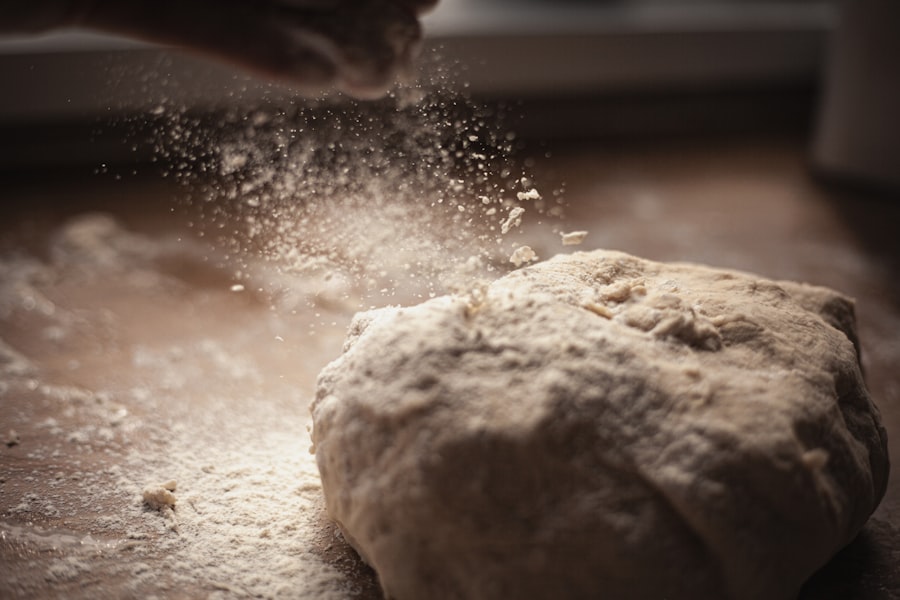
The container you choose for your whole wheat flour is a critical component of your storage strategy. It needs to address the key enemies of flour: air, moisture, light, and pests.
Airtight is Non-Negotiable
The primary function of your storage container should be to create an airtight seal, preventing the ingress of moisture and oxygen and the egress of freshness.
Types of Airtight Containers
- Glass Jars with Gaskets: These are excellent for smaller quantities. Look for jars with rubber or silicone gaskets around the lid for a truly airtight seal.
- Plastic Containers with Latching Lids: Many modern plastic food storage containers offer effective airtight seals. Ensure the lid has a robust latching mechanism and a silicone or rubber seal.
- Metal Tins with Lids: Some metal tins can provide a good seal, especially if they have a rubber lining or gasket.
Opaque Materials for Light Protection
While not all airtight containers are opaque, combining an airtight seal with an opaque material offers an added layer of protection against light damage.
Benefits of Opaque Containers
- Shielding from Light: Opaque materials, such as dark-colored plastic or metal, block out light, preventing UV rays from degrading the flour.
- Preserving Nutrients: By protecting the flour from light, you also help preserve its vitamin content.
When to Use Opaque Containers
- General Storage: Opaque containers are generally preferred for all storage scenarios, especially in kitchens that might have ambient light exposure.
- Refrigerated or Frozen Storage: Even in the refrigerator or freezer, where ambient light is minimal, opaque containers offer an extra safeguard during handling and when the appliance door is open.
Durability and Pest Resistance
Your chosen container should also be durable and resist potential pests that might try to infiltrate your pantry.
Material Considerations
- Glass: While good for sealing and light protection (if tinted or stored in darkness), glass is breakable.
- Sturdy Plastic: High-quality, food-grade plastic containers are durable, lightweight, and often pest-resistant.
- Metal: Metal containers are very durable and pest-resistant, making them a strong choice.
Pest Prevention
- Secure Seals: Ensure the container’s seal is robust and has no gaps where small insects could enter.
- Regular Inspection: Regardless of the container, it’s wise to periodically inspect your stored flour for any signs of pests.
Labeling and Inventory Management
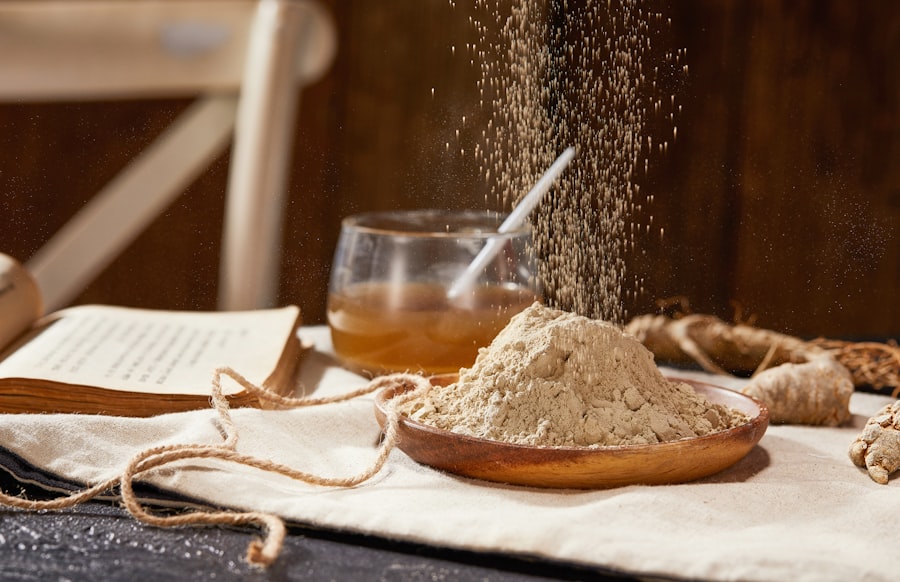
Even with the best storage practices, keeping track of your whole wheat flour is essential to prevent spoilage and waste. A proper labeling system helps you know what you have and when it was stored.
Dating Your Flour
It’s a simple but vital step. Knowing the purchase date or milling date of your flour allows you to estimate its remaining shelf life.
Methods for Dating
- Permanent Marker: Write directly on the container with a permanent marker.
- Labels: Use adhesive labels that are durable and won’t peel off.
- Tags: For repurposed containers, attach a tag with the date.
What to Include on the Label
- Type of Flour: “Whole Wheat Flour”
- Date Stored/Milled: The date you put the flour into its long-term storage container.
- Optional: Best By Date: If you know the flour’s original expiration date, you can include it for reference, but remember your storage conditions will influence its actual freshness.
Rotating Stock (First-In, First-Out)
This principle, often used in inventory management, is equally applicable to your pantry. Use the oldest supplies first to ensure they are consumed before they degrade.
How to Implement FIFO
- Placement: When you purchase new flour, place it behind any existing flour of the same type.
- Conscious Use: When reaching for flour, consciously select the container that has been in storage the longest.
- Regular Review: Periodically review your pantry and prioritize using items that have been stored for a while.
Checking for Spoilage Before Use
Before you incorporate whole wheat flour into a recipe, it’s always a good idea to perform a quick check to ensure it’s still fresh.
Sensory Evaluation
- Smell: The most effective way to detect rancidity is by smell. Fresh whole wheat flour has a mild, slightly nutty aroma. If it smells musty, sour, or like spoiled oil, it’s likely gone bad.
- Appearance: While less indicative than smell, examine the flour for any signs of discoloration, clumping (beyond what might be caused by humidity), or the presence of mold.
- Taste (with caution): If the smell is borderline, you can try a tiny pinch on your tongue. It should taste neutral or slightly nutty, not bitter or acrid. However, if the smell is off, it’s best to err on the side of caution and discard it.
For seniors looking to maintain a healthy diet, understanding the shelf life of whole wheat flour is essential. Whole wheat flour can last for several months when stored properly, but factors like temperature and moisture can affect its longevity. To learn more about how to store whole wheat flour effectively and extend its shelf life, you can check out this informative article on senior health. It provides valuable insights that can help seniors make the most of their pantry staples. For more details, visit this resource.
Advanced Storage Techniques: Refrigeration and Freezing
| Whole Wheat Flour Shelf Life for Seniors | |
|---|---|
| Recommended Shelf Life | 6-8 months |
| Storage Tips | Store in a cool, dry place in an airtight container |
| Signs of Spoilage | Unpleasant odor, discoloration, or presence of insects |
| Usage Tips | Check for freshness before use, consider storing in the refrigerator or freezer for longer shelf life |
For those who buy whole wheat flour in bulk, mill their own, or simply want to extend its freshness as much as possible, refrigeration and freezing offer significant advantages.
Refrigeration for Extended Freshness
Storing whole wheat flour in the refrigerator is a highly effective method for slowing down the oxidation process and extending its shelf life considerably compared to room temperature storage.
Benefits of Refrigeration
- Slower Rancidity: The cooler temperatures significantly reduce the rate at which the oils in the germ become rancid.
- Reduced Pest Activity: Refrigeration also deters most common pantry pests.
- Moisture Management: While it doesn’t eliminate moisture, it does slow down any potential moisture-related issues.
Practical Steps for Refrigeration
- Airtight Containers are Critical: Ensure your flour is in a well-sealed, airtight container before placing it in the refrigerator. This prevents moisture from the refrigerator from condensing into the flour and also prevents the flour from absorbing odors from other foods.
- Thawing Time: When you take flour out of the refrigerator to use, allow it to come to room temperature before measuring or mixing. This prevents condensation from forming on the cold flour as it’s exposed to warmer kitchen air, which can lead to clumping. This thawing time might take 30-60 minutes depending on the quantity.
- Shelf Life in Refrigerator: Properly stored, whole wheat flour can last for 6-12 months in the refrigerator.
Freezing for Maximum Longevity
Freezing is the ultimate weapon against spoilage for whole wheat flour. By bringing the temperature down to below freezing, you essentially halt almost all chemical and biological activity.
Advantages of Freezing
- Halts Oxidation: Rancidity essentially stops in a freezer environment.
- Longest Shelf Life: This method allows you to store whole wheat flour for a year or even longer while maintaining excellent quality.
- Preserves Nutrients: Freezing is also very effective at preserving the nutritional content of the flour.
How to Freeze Whole Wheat Flour
- Divide into Portions: If you have a large quantity, consider dividing it into smaller, freezer-safe bags or containers. This allows you to thaw only the amount you need, preventing repeated freezing and thawing cycles, which can degrade quality.
- Airtight and Moisture-Proof: Double-bagging in heavy-duty freezer bags or using airtight freezer-safe containers is crucial to prevent freezer burn and moisture absorption.
- Label Clearly: Always label with the type of flour and the date it was frozen.
- Thawing Process: Similar to refrigeration, allow frozen flour to thaw completely to room temperature in its sealed container before opening and using. This prevents condensation. Unopened, it can be stored for 1-2 years.
By implementing these strategies, you can ensure that your whole wheat flour remains a fresh, nutritious, and valuable ingredient in your kitchen for as long as possible. This mindful approach not only supports your dietary goals but also contributes to a more economical and less wasteful household.
FAQs
1. What is the shelf life of whole wheat flour for seniors?
Whole wheat flour can typically last for 6-8 months when stored in a cool, dry place. However, for seniors, it is recommended to use it within 3-6 months to ensure freshness and quality.
2. How can seniors extend the shelf life of whole wheat flour?
Seniors can extend the shelf life of whole wheat flour by storing it in an airtight container in the refrigerator or freezer. This helps to prevent the flour from going rancid and maintains its freshness for a longer period of time.
3. What are the signs that whole wheat flour has gone bad for seniors?
Seniors should look out for signs such as a rancid or sour smell, a change in color to a darker shade, or the presence of mold. If any of these signs are present, it is best to discard the flour to avoid any potential health risks.
4. Can whole wheat flour be used past its expiration date for seniors?
While whole wheat flour may still be safe to use past its expiration date, it is important for seniors to check for any signs of spoilage before using it. It is recommended to use the flour within a reasonable time frame to ensure its quality and taste.
5. Are there any health risks associated with consuming expired whole wheat flour for seniors?
Consuming expired whole wheat flour can pose health risks for seniors, as it may contain harmful bacteria or mold that can cause foodborne illnesses. It is best to err on the side of caution and discard any flour that is past its shelf life to avoid potential health issues.