
You’re navigating the complexities of Medicare, and understanding your coverage for home medical equipment (HME) is a crucial part of managing your health and independence. This guide aims to provide you with a clear, no-nonsense overview of what Medicare covers when it comes to the devices and supplies you might need in your own home. It’s important to remember that Medicare is a vast program with various parts, and your specific eligibility and coverage can depend on which part you have and your individual circumstances.
At its core, Medicare is a federal health insurance program primarily for individuals aged 65 and older, as well as younger people with certain disabilities and End-Stage Renal Disease (ESRD). When it comes to home medical equipment, Medicare’s intent is to cover items that are medically necessary for the diagnosis or treatment of a condition, or to improve the functioning of an individual with a disability or chronic condition. This means not every item you might find convenient for your home will be covered. The focus is on essential medical needs.
What Qualifies as Home Medical Equipment (HME)?
Medicare categorizes HME as Durable Medical Equipment (DME). This is a specific classification that encompasses a range of items. To be considered DME, equipment generally must:
- Be prescribed by your doctor or other healthcare provider: This is a non-negotiable requirement. Without a physician’s order, Medicare will not consider coverage.
- Be medically necessary: The equipment must be essential for treating your illness or injury, improving your functioning, or helping you perform daily activities.
- Withstand repeated use: Unlike disposable medical supplies, DME is designed to last for a significant period.
- Be primarily used in your home: While you might take some DME with you, its intended and primary use is in your personal residence.
Types of DME Medicare May Cover
The scope of DME is broad, but some common categories of equipment that Medicare typically covers include:
- Mobility Aids: Wheelchairs (manual and power), walkers, canes, crutches, and lift chairs. The specific type of mobility aid covered will depend on your individual needs and doctor’s prescription. For instance, power wheelchairs are generally covered for individuals with significant mobility impairment who cannot operate a manual wheelchair.
- Therapeutic Equipment: Hospital beds, trapeze bars, nebulizers, oxygen equipment, and CPAP machines for sleep apnea. These are often prescribed to manage chronic conditions or assist in recovery.
- Monitoring Devices: Blood glucose monitors, blood pressure monitors, and devices for administering pain medication (like pain pumps).
- Assistive Devices: Grab bars, raised toilet seats, and transfer benches, which help individuals with limited mobility perform essential daily tasks safely.
What Medicare DOES NOT Cover
It’s equally important to understand what falls outside Medicare’s HME coverage. Generally, Medicare will not cover items that are:
- Convenience items: Things like electric can openers, stairlifts (though some specific interpretations and exceptions might exist, it’s not a blanket coverage), or general home safety modifications.
- Items that are not medically necessary: If a piece of equipment is prescribed for comfort or general well-being rather than a specific medical condition, it’s unlikely to be covered.
- Items that are disposable: While Medicare may cover some disposable medical supplies under specific circumstances (especially with Original Medicare for certain conditions), the equipment itself must be durable.
- Items covered by other insurance: If you have other primary insurance, Medicare may be a secondary payer, and the rules for coverage will differ.
For those seeking information on Medicare coverage for durable medical equipment (DME) at home, a valuable resource can be found in the article on Explore Senior Health. This article provides comprehensive insights into the types of equipment covered, the eligibility criteria, and the process for obtaining necessary items. To learn more about Medicare coverage for DME, you can visit the article here: Explore Senior Health.
Medicare Parts and Coverage for HME
The part of Medicare you have significantly influences your coverage for home medical equipment. Understanding the distinctions between Original Medicare (Part A and Part B) and Medicare Advantage (Part C) is key.
Original Medicare (Part A and Part B)
Original Medicare is the traditional fee-for-service program. Part B is the primary part that covers outpatient medical services, including durable medical equipment.
Medicare Part B Coverage for DME
- What Part B Covers: Medicare Part B covers DME when it’s medically necessary for use in your home. This is where the majority of HME coverage originates for those with Original Medicare.
- Medical Necessity Documentation: As mentioned, the prescription from your doctor is paramount. Your doctor will need to document why the equipment is medically necessary for your specific condition. This often involves detailed notes in your medical records.
- Approved Suppliers: Medicare only covers DME rented or purchased from Medicare-approved suppliers. You can ask your doctor or local Medicare office for a list of approved providers. Using a non-approved supplier can mean you’ll have to pay the full cost out-of-pocket.
- Rental vs. Purchase: Medicare often initially covers DME through rental. After a certain period (typically 13 months for most equipment), if the equipment is still medically necessary, Medicare may pay for you to purchase it. Your supplier will be able to explain the rental-to-purchase options.
- Co-payments and Deductibles: Even with Medicare Part B coverage, you are typically responsible for a portion of the cost. This includes:
- The Part B Deductible: You must meet your annual Part B deductible before Medicare begins to pay its share.
- Co-insurance: After you meet your deductible, Medicare generally pays 80% of the Medicare-approved amount for DME, and you pay the remaining 20%.
- “Custom” DME: Some types of DME are considered “custom” and have different coverage rules. Examples might include specialized prosthetic devices or braces made specifically for your body. These may have different payment structures or require pre-authorization.
Medicare Part A and its Limited Role in HME
Medicare Part A primarily covers inpatient hospital stays, skilled nursing facilities, hospice care, and some home health care services. While Part A doesn’t directly cover DME for use in your own home in the same way Part B does, it can cover equipment used while you are receiving care in a facility covered by Part A. For instance, a hospital bed used during your inpatient stay would be covered under Part A. It does not extend to equipment needed after you are discharged and back home.
Medicare Advantage (Part C) Coverage for HME
Medicare Advantage plans are offered by private insurance companies approved by Medicare. These plans must cover everything that Original Medicare covers, but they can also offer additional benefits.
- Network Providers: Medicare Advantage plans often have a network of doctors, hospitals, and DME suppliers. You will generally need to use providers within this network to receive the maximum coverage. Going out-of-network can result in higher out-of-pocket costs or no coverage at all.
- Potential for Broader Coverage: Some Medicare Advantage plans may offer coverage for items that Original Medicare does not, or they might have different co-payment structures that could be more advantageous. This is not guaranteed, however, and you must carefully review the plan’s benefits.
- Enrollment Periods: You can only enroll in or switch Medicare Advantage plans during specific enrollment periods, such as the Annual Enrollment Period (AEP).
- Prior Authorization: Medicare Advantage plans may require prior authorization for certain DME. This means you or your doctor will need to get approval from the plan before you receive the equipment. Failure to get pre-authorization can lead to denial of coverage.
- Reviewing Plan Documents: It is crucial to thoroughly read the Summary of Benefits and the Evidence of Coverage for any Medicare Advantage plan you are considering. These documents will detail what HME is covered, the co-pays, deductibles, and any network restrictions or prior authorization requirements.
The Prescription and Medical Necessity Process
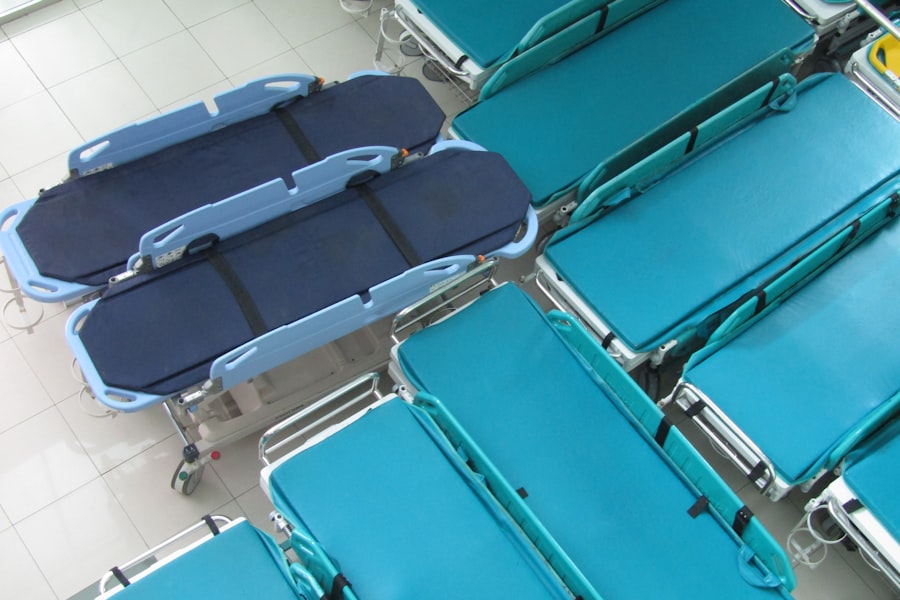
The cornerstone of Medicare coverage for HME is the medically necessary requirement, which is established through your doctor’s prescription and supporting documentation.
Your Doctor’s Role in Prescribing DME
- Evaluation of Your Condition: Your doctor will first assess your medical condition to determine if HME is appropriate for your treatment or to improve your functional capacity.
- Determining the Right Equipment: Based on your diagnosis and needs, your doctor will prescribe the specific type of DME that is most suitable. This might involve a physical assessment or functional tests. For example, if you have difficulty walking, your doctor might prescribe a walker, cane, or wheelchair, and specify the type based on the severity of your mobility impairment.
- Writing a Detailed Prescription: The prescription should be more than just a simple order for equipment. It should clearly state the diagnosis, the specific DME ordered, and importantly, why it is medically necessary. This explanation is critical for Medicare.
- Documentation in Your Medical Records: Your doctor’s reasons for prescribing the DME, your diagnosis, and the expected benefits of the equipment must be meticulously documented in your medical chart. This documentation serves as proof of medical necessity if Medicare requests it.
What Constitutes “Medical Necessity”?
Medicare defines medical necessity in terms of your health needs. For DME, it generally means the equipment is:
- Diagnostically necessary: To diagnose an illness or condition.
- Therapeutically necessary: To treat an illness or injury, or to improve your condition.
- To improve functioning: To help you perform daily activities, such as walking, eating, dressing, or bathing, if your disability or condition prevents you from doing so independently.
- Safe and effective: The equipment must be appropriate for your condition and not pose undue risks.
Obtaining Supporting Documentation
Beyond the initial prescription, there may be cases where additional documentation is required. This could include:
- Letters of Medical Necessity: In some complex cases, your doctor might write a more detailed letter explaining the medical necessity of the equipment, citing specific medical literature or guidelines if applicable.
- Therapist’s Recommendations: If you are working with a physical therapist or occupational therapist, their assessments and recommendations for specific equipment can also be valuable supporting documents.
- Medical Records Review: Medicare or your Medicare Advantage plan may request access to your medical records to verify the diagnosis and the need for the equipment.
Working with DME Suppliers and Navigating Costs
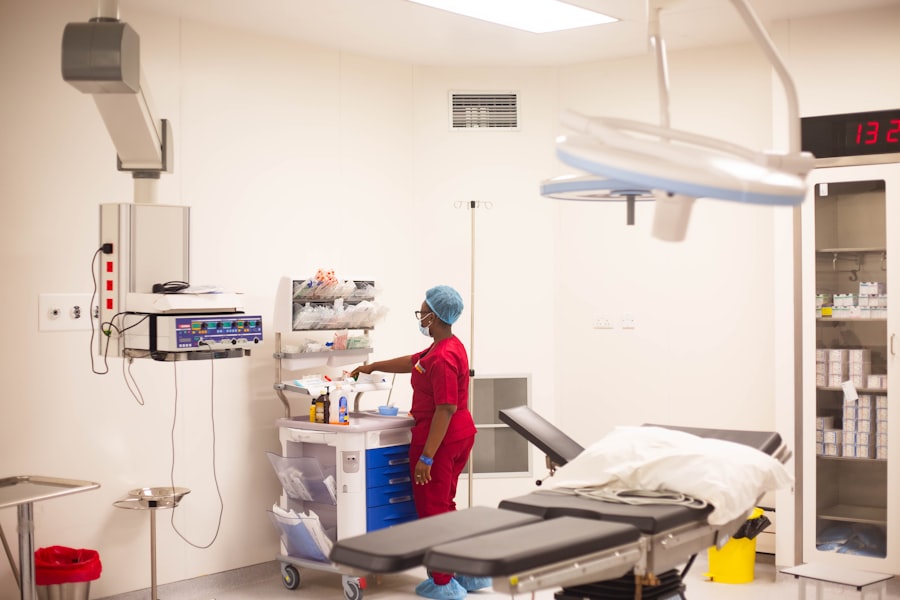
Once you have a prescription and understand your Medicare coverage, the next step is to engage with a DME supplier. This is where the practicalities of cost and quality come into play.
Choosing a Medicare-Approved DME Supplier
- Verify Their Status: Always confirm that the supplier is approved by Medicare. You can usually do this by asking the supplier directly or checking with Medicare or your Medicare Advantage plan.
- Ask About Coverage Details: Discuss your Medicare coverage with the supplier. They should be able to explain what portion Medicare will cover, what your co-insurance will be, and any applicable deductibles.
- Understand Rental vs. Purchase Options: As mentioned earlier, DME is often rented first. Understand the rental period, the monthly costs, and when the transition to purchase might occur, if applicable.
- Compare Prices (Where Possible): While Medicare sets approved amounts, there can still be variations in what suppliers charge, especially for services or accessories. For larger equipment, it may be worthwhile to get quotes from a couple of approved suppliers if time allows.
Understanding Your Out-of-Pocket Costs
Even with Medicare, you will likely have some out-of-pocket expenses. These typically include:
- The Part B Deductible: This is a fixed annual amount you pay before Medicare Part B starts paying for most services and supplies, including DME. The deductible amount can change each year.
- The 20% Co-insurance: After you’ve met your deductible, Medicare pays 80% of the Medicare-approved amount for DME, and you are responsible for the remaining 20%.
- Monthly Rental Fees: If you are renting equipment, you will have ongoing monthly costs until you meet the criteria for purchasing the equipment or until the rental period ends.
- Supplies: While the durable equipment might have specific coverage, disposable supplies needed to operate certain equipment (like breathing circuits for CPAP machines or test strips for glucose monitors) also have their own coverage rules. These are often subject to quantity limits and may require monthly re-ordering.
Medicare Supplement Insurance (Medigap) and DME Costs
If you have a Medigap policy (also known as Medicare Supplement Insurance), these policies can help pay for some of the out-of-pocket costs that Original Medicare doesn’t cover, such as your co-insurance and deductibles for DME. Different Medigap plans offer varying levels of coverage, so it’s important to understand what your specific policy covers. Medigap plans do not typically cover services or supplies that Original Medicare doesn’t already cover.
What If Your DME Claim is Denied?
If Medicare or your Medicare Advantage plan denies a claim for DME, you have the right to appeal the decision.
- Understand the Reason for Denial: The denial letter should explain why the claim was denied. This is your starting point for the appeal process.
- Gather More Evidence: You may need to obtain more documentation from your doctor, therapist, or supplier to support your claim.
- Follow the Appeals Process: Medicare and Medicare Advantage plans have a multi-step appeals process. It’s crucial to follow the instructions and deadlines provided in the denial letter. This often involves submitting a written appeal and potentially providing additional medical records.
When considering Medicare coverage for durable medical equipment at home, it’s essential to understand the specific guidelines and eligibility requirements. Many seniors may benefit from resources that clarify these aspects, such as the article available at Explore Senior Health. This resource provides valuable insights into the types of equipment covered and the process for obtaining necessary items, ensuring that individuals can access the support they need for their health and well-being.
Specific Categories of Home Medical Equipment and Their Coverage
| Item | Coverage |
|---|---|
| Wheelchairs | Yes |
| Hospital beds | Yes |
| Walkers | Yes |
| Oxygen equipment | Yes |
| CPAP machines | Yes |
Let’s delve into some of the more common types of HME and the general Medicare coverage guidelines associated with them. Remember, these are general guidelines, and your specific situation and plan details will dictate exact coverage.
Mobility Aids
- Walkers, Canes, Crutches: Generally covered by Medicare Part B when medically necessary for individuals with a significant mobility impairment. The type prescribed will depend on the user’s needs.
- Wheelchairs:
- Manual Wheelchairs: Covered when you have a mobility problem that affects your ability to move around your home.
- Power Wheelchairs: Covered for individuals with severe limitations who cannot operate a manual wheelchair independently and who have a condition that affects the use of their arms or legs.
- Lift Chairs: Medicare Part B covers lift chairs to help individuals with severe arthritis or other conditions that limit their ability to rise from a seated position. The chair must be medically necessary, and Medicare covers the seat-lift mechanism, not the entire chair’s reclining or massage features.
Respiratory Equipment
- Oxygen Therapy: Medicare covers oxygen equipment, including the oxygen contents, delivery system (like a concentrator, reservoir, or non-portable equipment with a separate conserving device), and related supplies, when medically necessary for severe lung disease or other respiratory conditions. You will likely undergo testing to determine if oxygen therapy is appropriate.
- CPAP Machines (Continuous Positive Airway Pressure): Medicare Part B covers CPAP machines for the treatment of moderate to severe obstructive sleep apnea. You will typically need to undergo a sleep study that confirms the diagnosis. Medicare also covers the necessary supplies like masks, tubing, and filters.
Beds and Related Equipment
- Hospital Beds: Medicare Part B can cover adjustable hospital beds when they are medically necessary due to a condition that requires positioning the bed, such as chronic insomnia, pain, edema (swelling), or certain respiratory conditions. This often involves features like adjustable head and foot elevation.
- Trapeze Bars: These are used to help patients move and reposition themselves while in bed. They are generally covered when a doctor prescribes them as medically necessary for individuals who are unable to change positions in bed independently.
Bathroom Safety Equipment
- Grab Bars: While basic grab bars installed in a bathroom are generally not covered by Medicare as they are considered home modifications, Medicare may cover grab bars if they are considered part of the hospital bed system or are otherwise deemed medically necessary for a specific, temporary situation under its home health benefits. This is a nuanced area, and it’s best to clarify with your provider and Medicare.
- Raised Toilet Seats and Transfer Benches: These items fall into a gray area. Generally, items that are not durable and are more custodial in nature are not covered. However, if prescribed as part of a broader home health care plan or if they are essential for functioning in a very specific medical context, there might be exceptions. It is crucial to discuss these with your doctor and Medicare.
Staying Informed and Advocating for Yourself
Understanding Medicare coverage for home medical equipment requires ongoing attention and a willingness to advocate for your needs.
Resources for Information
- Medicare.gov: This is the official U.S. government website for Medicare. You can find detailed information about coverage, deductible amounts, and approved providers.
- Your Medicare Card: Your red, white, and blue Medicare card has important information, including your Medicare number.
- Your Medicare Advantage Plan Provider: If you are enrolled in a Medicare Advantage plan, contact your plan directly for specific coverage details, network information, and the pre-authorization process.
- Your Doctor’s Office: Your doctor’s office can assist with the prescription process and provide guidance on medical necessity.
- Local State Health Insurance Assistance Programs (SHIP): SHIPs are free, unbiased counseling services available to Medicare beneficiaries. They can help you understand your Medicare benefits and options.
The Importance of Clear Communication
Throughout this process, clear and consistent communication is vital:
- With Your Doctor: Never hesitate to ask your doctor to explain why a piece of equipment is medically necessary and to ensure they are documenting this thoroughly.
- With Your DME Supplier: Ask for clarity on costs, coverage, and the rental-to-purchase process.
- With Medicare or Your Medicare Advantage Plan: If you have questions about coverage, billing, or denials, contact them directly.
Navigating Medicare coverage for home medical equipment is a process that requires diligence. By understanding the fundamentals of what Medicare covers, the role of medical necessity, and the different parts of Medicare, you can make informed decisions and ensure you are receiving the necessary equipment to support your health and independence at home.
FAQs
What is durable medical equipment (DME) and what does it include?
Durable medical equipment (DME) refers to medical equipment prescribed by a doctor for use at home. This can include items such as wheelchairs, hospital beds, oxygen equipment, and walkers.
Does Medicare cover durable medical equipment (DME) for use at home?
Yes, Medicare Part B (Medical Insurance) covers durable medical equipment (DME) when it is deemed medically necessary. This coverage includes equipment such as wheelchairs, walkers, hospital beds, and oxygen equipment.
What are the requirements for Medicare coverage of durable medical equipment (DME) at home?
To be covered by Medicare, durable medical equipment (DME) must be prescribed by a doctor and deemed medically necessary. The equipment must also be obtained from a Medicare-approved supplier.
How much does Medicare cover for durable medical equipment (DME) at home?
Medicare typically covers 80% of the cost of durable medical equipment (DME) after the Part B deductible has been met. The beneficiary is responsible for the remaining 20% of the cost.
Are there any limitations or restrictions on Medicare coverage for durable medical equipment (DME) at home?
Medicare coverage for durable medical equipment (DME) may be subject to certain limitations and restrictions. For example, certain equipment may require prior authorization, and there may be quantity limits on certain items. It’s important to check with Medicare or the equipment supplier for specific coverage details.