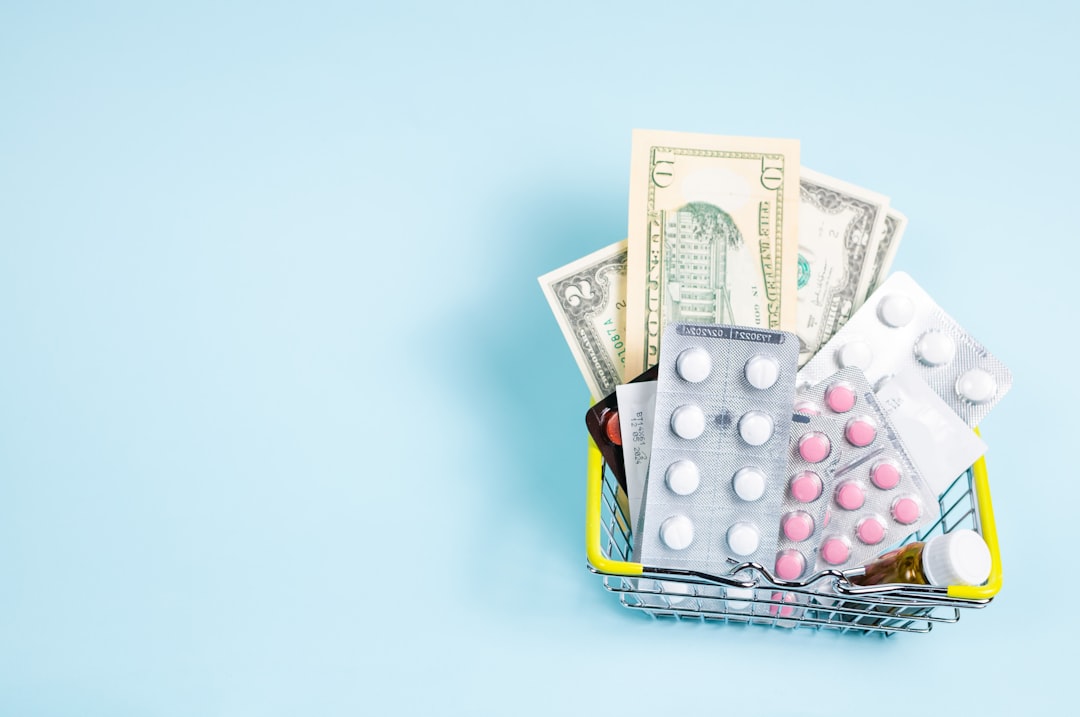
Medicare Part D prescription drug plans include a coverage gap, known as the “donut hole,” which affects beneficiaries’ out-of-pocket medication costs. This gap occurs when total annual drug spending reaches a predetermined threshold established by Medicare. During the initial coverage phase, beneficiaries pay standard copayments or coinsurance for their medications.
Once total drug costs exceed the annual limit, beneficiaries enter the coverage gap and become responsible for a higher percentage of medication costs. In 2024, the coverage gap begins when combined beneficiary and plan spending reaches $5,030. While in the coverage gap, beneficiaries pay 25% of the cost for both brand-name and generic drugs.
After reaching this threshold, beneficiaries pay either 5% of drug costs or small copayments for the remainder of the plan year. The coverage gap particularly impacts individuals who take multiple medications or require expensive specialty drugs.
Beneficiaries can track their progress toward these thresholds through their plan’s website or monthly statements to anticipate when they will enter and exit the coverage gap.
Key Takeaways
- Understand the Medicare coverage gap and its impact on prescription costs.
- Use budgeting and explore generic medications to manage expenses.
- Take advantage of discount programs, manufacturer assistance, and patient aid options.
- Consult your doctor about alternative medications and consider mail order pharmacies.
- Apply for extra help through Medicare, state programs, and non-profit financial assistance.
Budgeting for Prescription Costs
Creating a budget for prescription costs is essential for maintaining your financial health. Start by assessing your current medication needs and their associated costs. Gather information about each prescription, including the monthly cost, any co-pays, and how often you refill them.
This will give you a clearer picture of your monthly expenses related to medications. Once you have this information, you can incorporate these costs into your overall budget, ensuring that you allocate enough funds to cover your prescriptions without compromising other essential expenses. In addition to tracking your current costs, consider potential changes in your medication needs.
For instance, if you anticipate needing new prescriptions or if your doctor suggests switching to a more expensive medication, factor these possibilities into your budget. It’s also wise to set aside a small emergency fund specifically for unexpected medical expenses. By proactively budgeting for prescription costs, you can alleviate some of the stress associated with managing your healthcare expenses and ensure that you have the necessary resources when you need them. For valuable senior prescription savings tips, visit senior prescription savings tips.
Exploring Generic Options
When it comes to managing prescription costs, one of the most effective strategies is to explore generic medication options. Generic drugs are typically much more affordable than their brand-name counterparts while providing the same therapeutic benefits. They contain the same active ingredients and are subject to the same rigorous testing and approval processes by regulatory agencies.
By opting for generics whenever possible, you can significantly reduce your out-of-pocket expenses without sacrificing the quality of your treatment. Before making any changes to your medication regimen, consult with your healthcare provider or pharmacist about available generic alternatives. They can help you determine whether a generic version of your prescribed medication is available and suitable for your condition.
Additionally, many pharmacies offer programs that encourage the use of generics by providing discounts or incentives. By taking advantage of these options, you can make a substantial impact on your overall healthcare costs while still receiving effective treatment.
Utilizing Prescription Discount Programs
Prescription discount programs can be a valuable resource for managing medication costs. These programs are designed to help individuals access their medications at reduced prices, often through partnerships with pharmacies and pharmaceutical companies. Many discount cards are available for free or at a minimal cost and can provide significant savings on both brand-name and generic medications.
By utilizing these programs, you can lower your out-of-pocket expenses and make your prescriptions more affordable. To find a suitable discount program, start by researching options available in your area or online. Some popular programs include GoodRx, SingleCare, and RxSaver, which allow you to compare prices at different pharmacies and find the best deals on your medications.
Additionally, many local pharmacies have their own discount programs that may not be widely advertised. Don’t hesitate to ask your pharmacist about any available discounts or promotions that could help reduce your prescription costs.
Seeking Manufacturer Assistance Programs
| Metric | Description | Value | Unit |
|---|---|---|---|
| Average Prescription Cost | Average cost of prescriptions during the coverage gap | 150 | USD |
| Percentage Increase | Increase in prescription cost compared to initial coverage phase | 25 | Percent |
| Out-of-Pocket Spending | Average out-of-pocket spending by patients during coverage gap | 500 | USD |
| Number of Prescriptions Filled | Average number of prescriptions filled during coverage gap | 3 | Prescriptions |
| Generic Drug Usage | Percentage of prescriptions that are generic drugs during coverage gap | 70 | Percent |
Pharmaceutical companies often offer assistance programs designed to help patients who struggle with the cost of their medications. These programs can provide financial support in various forms, including free or discounted medications, co-pay assistance, or even grants for those who qualify based on income or other criteria. If you’re facing challenges affording a specific medication, reaching out to the manufacturer directly can be a worthwhile step.
To access these programs, visit the manufacturer’s website or contact their customer service department for information on eligibility requirements and application processes. Many companies have dedicated teams to assist patients in navigating their options and ensuring they receive the support they need. By taking advantage of manufacturer assistance programs, you can alleviate some of the financial burdens associated with high-cost medications and continue receiving the treatment necessary for your health.
Discussing Alternative Medication Options with Your Doctor

Open communication with your healthcare provider is vital when it comes to managing prescription costs effectively. If you’re struggling to afford a particular medication, don’t hesitate to discuss alternative options with your doctor. They may be able to suggest less expensive alternatives that are equally effective for treating your condition.
This conversation can lead to discovering new therapies or adjusting dosages that could help reduce costs without compromising your health. Additionally, discussing alternative medications allows you to explore different treatment approaches that may be more affordable in the long run. Your doctor may have insights into newer therapies or generic options that could work well for you.
By being proactive in these discussions, you empower yourself to take control of your healthcare decisions while also considering financial implications.
Exploring Mail Order Pharmacy Services
Mail order pharmacy services have gained popularity as a convenient and cost-effective option for obtaining prescriptions.
Many insurance plans offer mail order options that provide significant savings on long-term medications, making it an attractive choice for those managing chronic conditions.
When considering mail order pharmacy services, ensure that the provider is reputable and licensed. Research customer reviews and check for any complaints or issues related to service quality or medication accuracy. Additionally, consult with your healthcare provider about whether mail order is suitable for your specific medications and health needs.
By exploring this option, you can streamline your prescription process while potentially saving money on your medications.
Investigating Patient Assistance Programs
Patient assistance programs (PAPs) are designed to help individuals who face financial hardships in accessing necessary medications. These programs are typically offered by non-profit organizations, pharmaceutical companies, or government agencies and aim to provide support for those who qualify based on income or other criteria. Investigating these programs can open doors to valuable resources that can ease the burden of prescription costs.
To find patient assistance programs relevant to your situation, start by researching organizations that focus on specific diseases or conditions related to your medications. Many national and local organizations maintain databases of available assistance programs and can guide you through the application process. By taking advantage of these resources, you can gain access to essential medications without incurring overwhelming financial strain.
Applying for Extra Help through Medicare
If you’re enrolled in Medicare and struggling with prescription drug costs, applying for Extra Help could be a beneficial step. This program assists eligible individuals in covering their out-of-pocket expenses related to Medicare Part D plans, including premiums, deductibles, and co-pays. To qualify for Extra Help, you’ll need to meet specific income and resource limits set by Medicare.
The application process is straightforward; you can apply online through the Social Security Administration’s website or by contacting them directly for assistance. Once approved, you’ll receive significant financial relief regarding your prescription drug costs, allowing you to focus more on your health rather than worrying about affordability. Taking this step can make a substantial difference in managing your healthcare expenses effectively.
Exploring State Pharmaceutical Assistance Programs
Many states offer pharmaceutical assistance programs designed to help residents access necessary medications at reduced costs. These programs vary by state but often provide financial assistance based on income levels or specific eligibility criteria. Exploring state pharmaceutical assistance programs can uncover additional resources that may help alleviate some of the financial burdens associated with prescription drugs.
To find out what programs are available in your state, visit your state’s health department website or contact local health organizations for guidance. They can provide information on eligibility requirements and application processes for various assistance programs tailored to meet residents’ needs. By leveraging these state resources, you can enhance your ability to afford essential medications while ensuring that you receive the care necessary for maintaining good health.
Seeking Financial Assistance from Non-Profit Organizations
Non-profit organizations play a crucial role in providing financial assistance for individuals struggling with healthcare costs, including prescription medications. Many organizations focus on specific diseases or conditions and offer grants or financial aid to help patients access necessary treatments. Seeking assistance from these non-profits can be an effective way to alleviate some of the financial pressures associated with managing chronic illnesses.
To find relevant non-profit organizations in your area or related to your specific health condition, conduct thorough research online or consult with healthcare providers who may have recommendations based on their experiences with patients in similar situations. Many non-profits have dedicated resources and staff members who can guide you through the application process and help identify available funding opportunities tailored to meet your needs. By reaching out for support from these organizations, you can take proactive steps toward securing the financial assistance necessary for maintaining your health and well-being.
In conclusion, navigating prescription drug costs requires a multifaceted approach that includes understanding coverage gaps, budgeting effectively, exploring alternatives like generics and discount programs, and seeking assistance from various resources available to you. By being proactive in managing these aspects of healthcare, you empower yourself to make informed decisions that prioritize both your health and financial stability.
During the coverage gap, many individuals face significant challenges with prescription costs, which can lead to difficult decisions about their healthcare. For more information on this topic, you can read a related article that discusses the implications of the coverage gap on medication affordability and access. Check it out here: Prescription Costs During Coverage Gap.
WATCH THIS! 🛑 STOP Paying $52 When It’s $6 at the Same Pharmacy
FAQs
What is the coverage gap in prescription drug plans?
The coverage gap, often referred to as the “donut hole,” is a period within Medicare Part D prescription drug plans where there is a temporary limit on what the plan will cover for prescription drugs. During this gap, beneficiaries may have to pay higher out-of-pocket costs for their medications.
How does the coverage gap affect prescription drug costs?
During the coverage gap, beneficiaries typically pay a larger share of the cost for their prescription drugs until they reach a certain out-of-pocket spending limit. This means prescription costs can be significantly higher during this period compared to when they are fully covered.
Are there any discounts available during the coverage gap?
Yes, under current Medicare Part D rules, beneficiaries receive a discount on brand-name drugs while in the coverage gap. For generic drugs, the cost-sharing may be lower, but beneficiaries still pay a portion of the drug cost until they exit the gap.
When does the coverage gap start and end?
The coverage gap begins after a beneficiary and their plan have spent a certain amount on covered drugs (this amount is set annually by Medicare). It ends when the beneficiary’s out-of-pocket spending reaches the catastrophic coverage threshold, after which the plan covers most of the drug costs.
Can beneficiaries avoid the coverage gap?
While the coverage gap is a standard part of many Medicare Part D plans, beneficiaries can manage costs by choosing plans with better coverage, using generic drugs, or utilizing assistance programs. Some plans also offer additional coverage to reduce the impact of the gap.
Does the coverage gap apply to all prescription drugs?
The coverage gap generally applies to most prescription drugs covered under Medicare Part D. However, certain drugs may be excluded or have different cost-sharing rules depending on the specific plan.
What happens after the coverage gap ends?
After reaching the catastrophic coverage threshold, beneficiaries enter catastrophic coverage, where they pay a small coinsurance or copayment for covered drugs for the remainder of the year, significantly reducing their out-of-pocket costs.